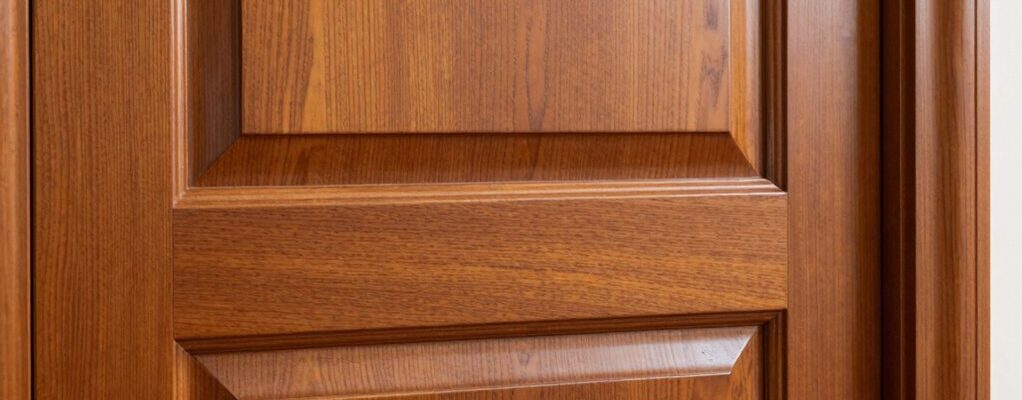
The best finish for interior wood doors balances protection, look, and maintenance. Start with a clear sealant to preserve grain and light, then add a stain or tint if you want depth without hiding wood. For bold looks, use opaque paints in flat or satin sheen; for durability in high-traffic areas, choose polyurethane or varnish with low-VOC options. Apply thin coats, sand lightly between steps, and watch for proper curing. More tips await if you continue exploring.
Understanding Finish Types for Interior Wood Doors
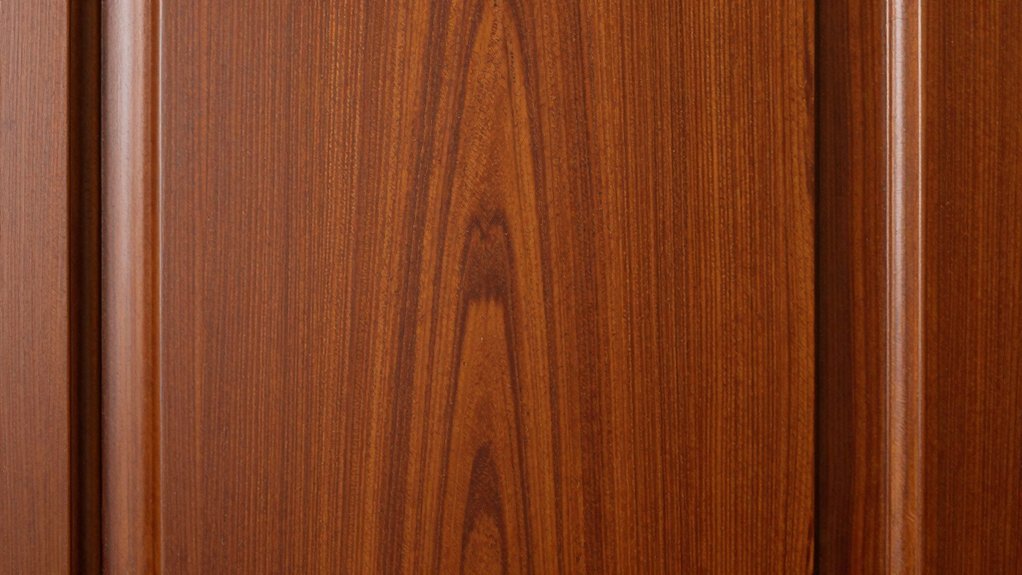
Choosing the right finish protects the wood and enhances its look. You’ll choose based on how you use the door, the room’s lighting, and how much abuse the surface will take. Clear finishes reveal grain and color, while tinted options add warmth or contrast.
Polyurethanes (oil- or water-based) deter moisture and wear, but pueden amber over time; water-based options stay crisper and safer for interiors. Lacquers dry fast and yield a smooth, glassy feel, yet require careful ventilation.
Varnishes balance durability with flexibility, helpful on high-traffic doors. Consider hardware options that affect application and adhesion, like hinges and knobs that interact with the finish.
Environmental considerations matter too: low-VOC formulas reduce fumes and improve indoor air quality while meeting codes. Choose a type that aligns with maintenance needs and room conditions.
Clear Sealants: Preserving Grain and Light Reflection
Clear sealants let you protect the wood while keeping its natural look, grain, and light play intact. You’ll use these sealants to stabilize the surface without adding color, so you preserve wood grain preservation while maintaining a clean, modern appearance.
Choose a penetrating or film-forming option based on your door’s exposure and desired look. Apply thin, even coats with a quality brush or pad, allowing proper dry times between layers. Lightly sand between coats for a smooth finish, then seal with UV protection if sunlight is a factor.
For most interior doors, a water-based formula minimizes ambering and preserves brightness. Monitor for tackiness and cure fully before handling. This approach supports light reflection enhancement while sustaining natural character.
Stains and Tints: Color, Depth, and Consistency
Stains and tints add color, depth, and uniformity to interior wood doors, letting you enhance grain while preserving natural character. You’ll choose based on how much warmth you want and how strong the wood grain appears.
Start with a test board to gauge color, then select water-based or oil-based formulas that suit your wood type. For even color, apply in thin, overlapping coats and wipe off excess promptly.
If you’re after subtle depth, use a pre-stain conditioner on soft woods to minimize blotchiness.
Color matching matters: compare sample chips in your lighting and plan for finish layers that flow together with the surrounding trim. Keep notes on coats and stain ratios so future touch-ups stay consistent with wood grain and overall appearance.
Opaque Finishes: Paints for Modern and Traditional Looks
Opaque finishes offer bold, solid color that masks the wood grain while delivering a modern or traditional look. You’ll choose paints for doors that provide even coverage, durable surface, and easy cleaning.
For a modern aesthetic, pick flat or satin sheens in low-luster tones that read contemporary without glare. Traditional looks benefit from slightly glossier finishes that catch light and highlight architectural details.
Consider color depth and undertones to harmonize with surrounding trim and furniture. Decorative patterns can be created with stencils or masking for a custom feel, but keep edges crisp for a polished result.
If you seek authenticity, select historically appropriate hues and avoid tricks that feel fake. Always test on a sample panel to verify color, opacity, and finish consistency.
Application, Maintenance, and Longevity Guidelines
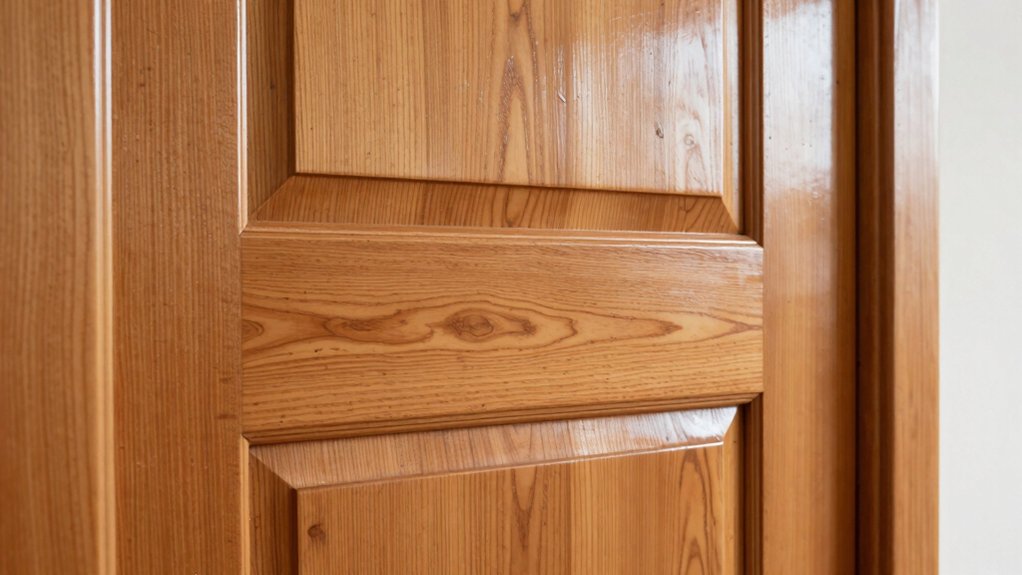
Application, maintenance, and longevity go hand in hand: start with proper surface prep, then apply the right finish, and maintain regular care to extend door lifespan. Begin by cleaning and lightly sanding the door surface to remove oils and old coatings. Remove hardware and cover edges to protect hardware areas during finishing.
Choose a finish compatible with your stain or paint and the wood type, ensuring even coat application to avoid lap marks. Follow manufacturer recoat times and dry times for *ideal* durability.
Regular maintenance includes dusting, checking for scratches, and touching up small nicks promptly. When replacing door hardware, use installation techniques that preserve alignment and minimize gaps. Seal edges and joints to resist moisture.
Periodic inspection helps catch wear before it worsens.