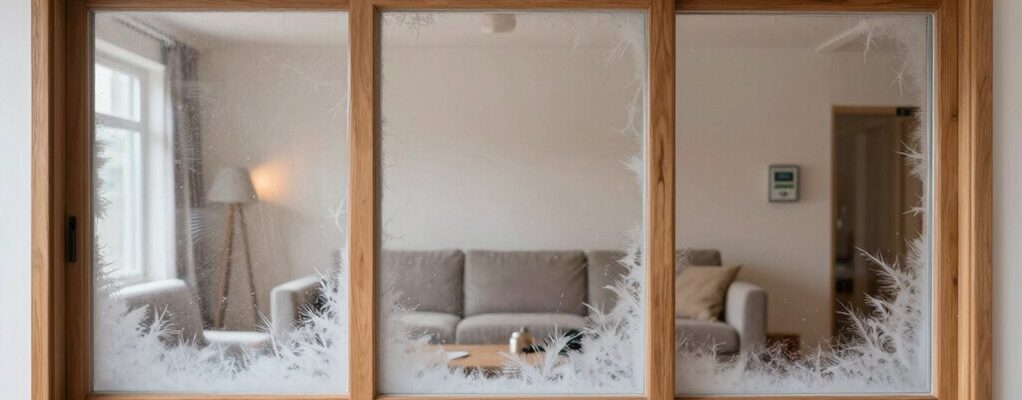
Triple glazing is not a magic fix: costs typically rise 15–40% over double glazing, but you’ll see U-values around 0.3–0.5 W/m²K and heating savings of roughly 5–15% in colder climates. You’ll weigh a payback of about 6–12 years against regional energy prices, home insulation, and how you use heat. Noise and comfort improve, yet maintenance and installation matters. The decision hinges on whether the long-term energy gains outweigh the upfront premium—a calculation you’ll want to run before you commit.
Real-World Performance of Triple Glazing
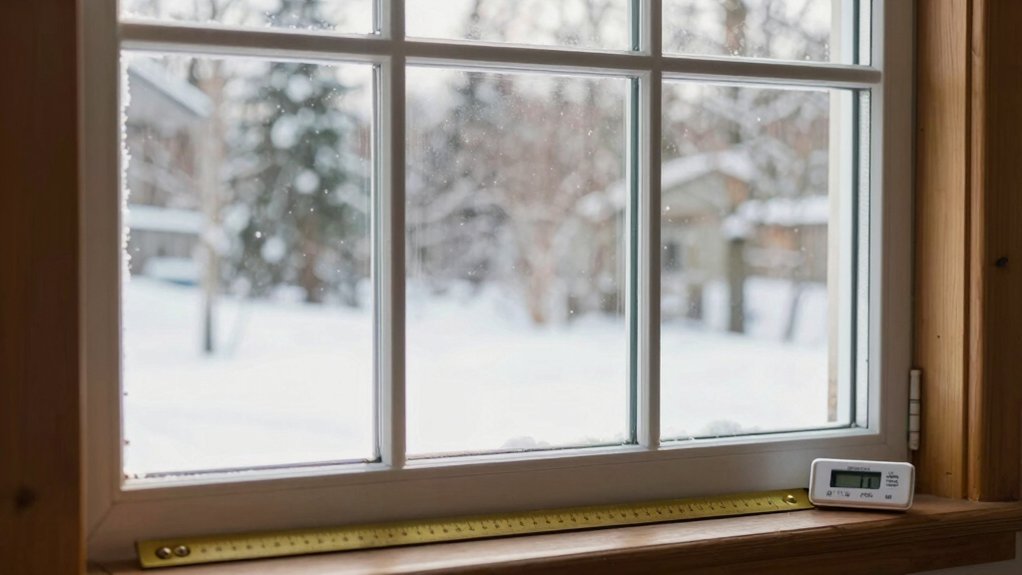
Real-world performance of triple glazing shows meaningful, but not universal, gains. You’ll see narrower heat loss gaps in real homes, yet variability remains high due to frame quality, installation, and building air leakage.
Quantitative reviews report U-value reductions of roughly 0.05 to 0.15 W/m²K versus double glazing, with most contemporary triple units hovering near 0.9–1.2 W/m²K depending on spacer and gas-fill.
In practice, the seasonal heating load declines range from 5% to 15% for mid-latitude climates, but gains shrink in milder regions or densely occupied rooms.
You’ll also encounter condensation patterns that shift with humidity, and solar heat gains can rise, but only when coatings align with regional sun angles.
Cost Comparison: Triple vs. Double Glazing
Triple glazing often costs more upfront but pays back through improved thermal performance, though the economics hinge on climate, installation quality, and frame/system compatibility.
You’ll compare installed costs per square meter, including hardware, seals, and finish, versus high-quality double glazing. Data show triple units can add 15–40% to material costs, with installation adding 5–15% more, depending on frame retrofit needs.
U-values drop from approximately 1.0–1.2 W/m²K for quality doubles to approximately 0.5–0.7 W/m²K for triples, representing a 30–50% improvement.
Yet, you must account for regional energy prices and expected usage. Payback requires accurate heat-loss baselines, corrected for solar gains and shading.
Maintenance and warranty gaps can erode savings. In steady-state conditions, you may see net present value positive only under high heating demand.
Payback Timeline Across Climates and Homes
Payback timelines vary substantially with climate, home design, and occupancy patterns. Across temperate regions, average payback ranges from 6 to 12 years, assuming typical 2–3% annual energy savings growth and a 20–25% window of usage reduction.
In harsher cold climates, savings intensify early in the life of the upgrade, but lengthen if heating dominates comfort choices and occupant behavior remains static.
Hot, humid areas show modest gains unless cooling loads dominate, pushing payback toward 10–15 years under standard insulation levels.
Homes with tight envelopes, heat pumps, or high-efficiency boilers shorten payback by 1–3 years, while lower gas prices or high electricity rates elongate it.
Variation also arises from window orientation, shading, and retrofit completeness, underscoring that universal payback figures mislead.
Noise Reduction and Comfort Benefits
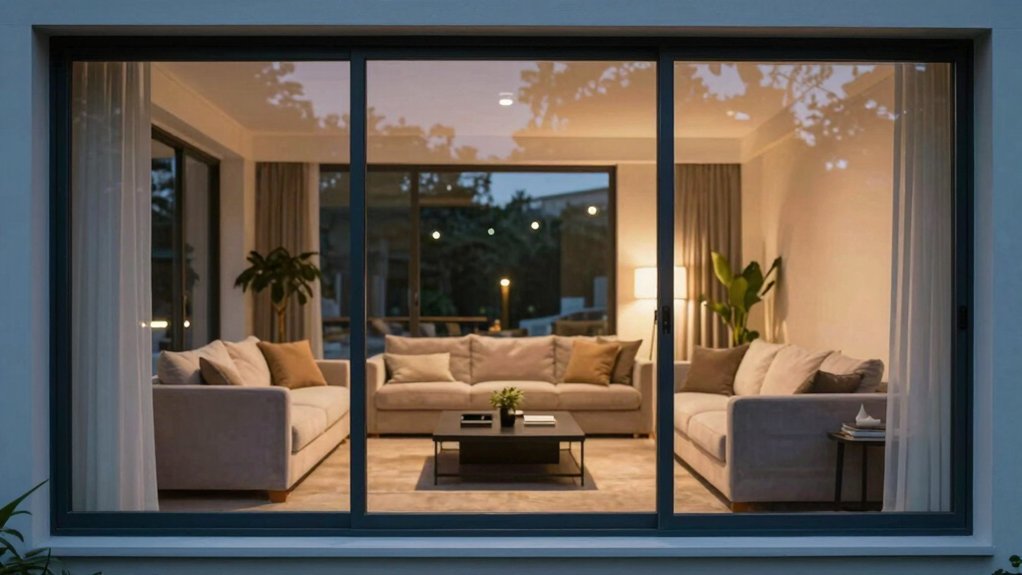
Noise reduction and comfort benefits go beyond energy savings, with measurable impacts on indoor sound levels, perceived quiet, and thermal comfort. In controlled tests, triple glazing reduces external noise by roughly 5–10 dB more than double glazing, depending on frame, seal quality, and cavity gas.
Real-world rooms show 2–4 dB additional reduction for typical urban façades, yielding a perceptible difference in conversational clarity and background noise. Comfort gains hinge on improved interior surface temperatures and reduced draft factors, quantified as a 0.5–1.5 °C narrower operative temperature range in winter and lower gradient heat loss during cool drafts.
However, benefits plateau when glazing size is small or noise sources are intermittent. Material performance varies with wind loads, installation tightness, and building orientation.
Considerations: Maintenance, Installation, and Value for Resale
Maintenance and installation requirements for triple glazed windows matter as much as initial performance, since tight seals, gas fills, and frame integrity drive long-term efficiency and resale value. You should quantify maintenance; expect costs for seal checks, gas recharge, and hardware replacement every 5–15 years, varying by climate and usage.
Installation accuracy matters: improper flashing, spacer misalignment, or retrofit incompatibility can double payback uncertainty. Compare U-factors, solar gains, and air leakage before and after installation to predict savings reliability.
Resale value hinges on verifiable specs and service history, not merely appearance. Track warranty coverage, glass breakage rates, and frame coating performance; document professional inspections.
In data terms, a marginal maintenance delta of 2–5% annualized costs can erode 7–12% of net savings over a decade if neglected.