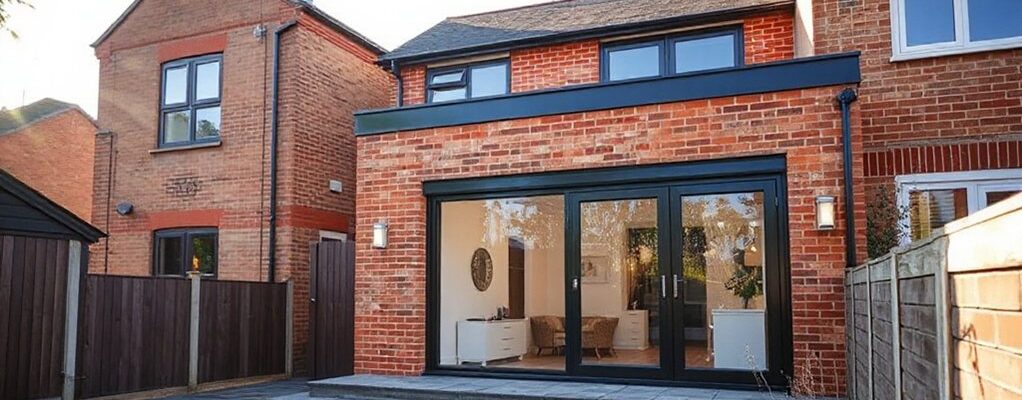
Did you know that the best semi‑detached extensions in Birmingham often hinge on matching rooflines and materials to preserve street rhythm? You’ll want a plan that blends wraparound kitchens, sunrooms, and loft space without disrupting heritage tones. There’s nuance in insulation, venting, and outdoor–indoor flow that can quietly transform value. If you’re ready to weigh design norms against your budget and timeline, the path ahead becomes clearer—and a thoughtful approach waits just beyond the next decision.
Choosing the Right Birmingham Semi‑Detached Extension
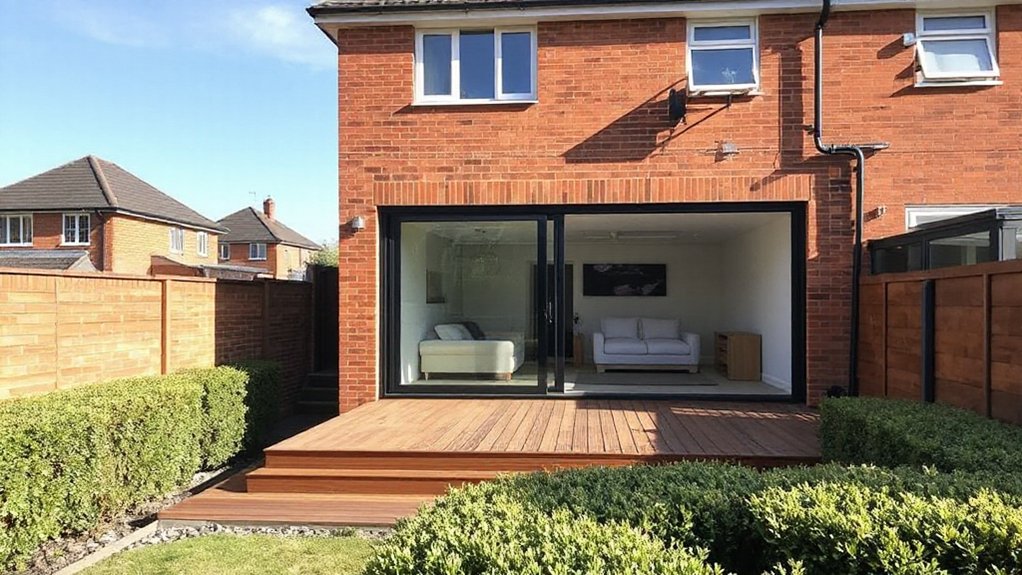
Choosing the right Birmingham semi-detached extension starts with a clear sense of purpose: what’ll the extra space do for your daily life and how will it fit with your home’s character. You approach design with intent, mapping how circulation, sunlight, and furniture align with your routines.
Consider the relationship to your garden, prioritizing garden privacy so the extension contributes rather than compromises outdoor enjoyment. Evaluate structural options that respect the original façade while offering modern efficiency.
Insulation techniques matter: solid walls or hybrid systems can reduce drafts, noise, and energy use, shaping comfort year-round. Material palettes should echo local architectural tones, ensuring cohesion rather than competition.
Finally, plan permissions, budgets, and future needs to avoid costly rework.
Wraparound Kitchens for Birmingham Semis: Light, Flow, and Function
Wraparound kitchens can transform Birmingham semis by weaving light, flow, and function into a single, cohesive space. You’ll optimize a kitchen layout that treats the home’s core as an interconnected hub, not a sequence of rooms.
By expanding the footprint along exterior walls, you invite natural daylight to travel from breakfast nook to dining zone, reducing the need for artificial lighting. Lighting design becomes a strategic tool: ambient washes, task layers, and accent hotspots highlight materials and textures without crowding sightlines.
Consider a harmonious palette that reflects local culture, with durable finishes for everyday wear. Seamless storage solutions prevent clutter, while clear sightlines preserve social interaction between kitchen and living areas.
In practice, thoughtful wraparound design elevates modern Birmingham living.
Sunrooms and Conservatories for Year‑Round Space in Birmingham
You’ll harness year‑round light with sunrooms and conservatories that feel inseparable from your home’s rhythm. By prioritizing space optimization, you’ll create flexible areas that shift from morning sun to evening retreat without crowding your existing rooms.
The result should weave style integration—where materials, textures, and Birmingham’s character align to elevate both daily use and curb appeal.
Year‑Round Light
Year‑round light transforms a Birmingham home by turning sunlit spaces into usable rooms, not seasonal novelties. You’ll notice how carefully chosen glass, framing, and orientation convert a simple extension into your daily living hub.
Sunrooms and conservatories become genuine rooms when materials balance heat, glare, and drafts, delivering comfort across seasons. You gain a sense of continuity between indoors and outdoor spaces without sacrificing insulation.
Thoughtful design prioritises natural ventilation, so breezes circulate rather than stagnate, reducing reliance on artificial cooling and improving comfort during milder winter days.
In tandem, energy efficiency remains central: low-emissivity glazing, thermally broken frames, and appropriate shading keep temperatures steady. The result is a bright, usable space that respects the city’s climate and your time‑eye for quality.
Space Optimization
Sun-warmed sunrooms and conservatories aren’t just extensions; they’re smart spaces that maximize day-to-day living. You’ll see how thoughtful siting and proportion shift routines, not just rooms.
Space optimization hinges on flexible layouts, minimal internal clutter, and purposeful circulation that makes every square metre feel deliberate.
In Birmingham’s climate, year‑round usability comes from thermal-aware glazing, shading, and heat retention, so you stay comfortable without overreliance on HVAC.
Design decisions should prioritize interior lighting, so natural brightness guides furniture and function, reducing the need for artificial fixtures during daytime hours.
Outdoor landscaping complements the glass envelope, framing views and linking garden activity to indoor life.
The result is durable, usable space that respects street presence while expanding daily possibilities.
Style Integration
Style integrates sunrooms and conservatories into Birmingham homes by treating them as seamless living spaces rather than mere appendages. You align form with function, letting light and airflow redefine daily rituals.
Choose interior colors that echo existing rooms, ensuring the progression feels intentional rather than additive. A restrained palette—neutral walls with a single accent—creates visual harmony between old brick and new glazing.
Consider exterior materials that complement your façade while resisting Birmingham weather, such as low-maintenance uPVC or timber-framed options with proper treatment. Rooflines should mirror the home’s silhouette, preserving rhythm across elevations.
Furnishings must respect scale; slim profiles prevent enclosure, while textiles soften glare. Thoughtful integration enhances both usability and cultural character, transforming seasonal spaces into year‑round retreats.
Loft Conversions in Semi‑Detached Homes: Maximize Upwards Living
Loft conversions in semi-detached homes offer a smart route to expand living space without expanding your footprint, letting you reclaim underused roof space and add value with minimal disruption. You’ll assess how attic insulation and airflow influence comfort, ensuring heat loss remains controlled and budgets stay predictable.
Attention to roof structure matters: you’ll want a solid floor above, reinforced joists, and compliant eaves to avoid sagging or squeaks as you live upstairs.
Design-wise, you’ll balance skylights, egress, and ceiling heights to preserve light without compromising headroom. Practical choices—stair placement, storage nooks, and a clothes-drying strategy—keep daily routines efficient.
Local Birmingham aesthetics guide finishing touches, aligning materials and textures with nearby terraces while preserving traditional charm.
The result: a refined, upwardly expanded home with lasting appeal.
Two‑Storey Rear Extensions: Bigger Footprint, Higher Value
Two-storey rear extensions let you reclaim ground you’d otherwise lose to stairs and corridors, effectively doubling the footprint at the back of a semi-detached Birmingham home while maintaining a compact street presence.
You’ll gain versatility: a larger open-plan living zone downstairs paired with a sunlit lounge or study upstairs, all without sacrificing frontage.
Key to enduring value is foundation stability; a robust substructure supports added weight and long-term performance on varied Birmingham soils.
Insulation materials matter, too, shaping year-round comfort and energy bills. Choose mineral wool or rigid foam boards for walls and roof, ensuring seamless vapor barriers.
Thoughtful detailing—drainage, damp proofing, and airtight connections—preserves interior quality and curb appeal, translating into a stronger resale proposition without compromising character.
Planning Rules, Design Norms, and Budgeting in Birmingham
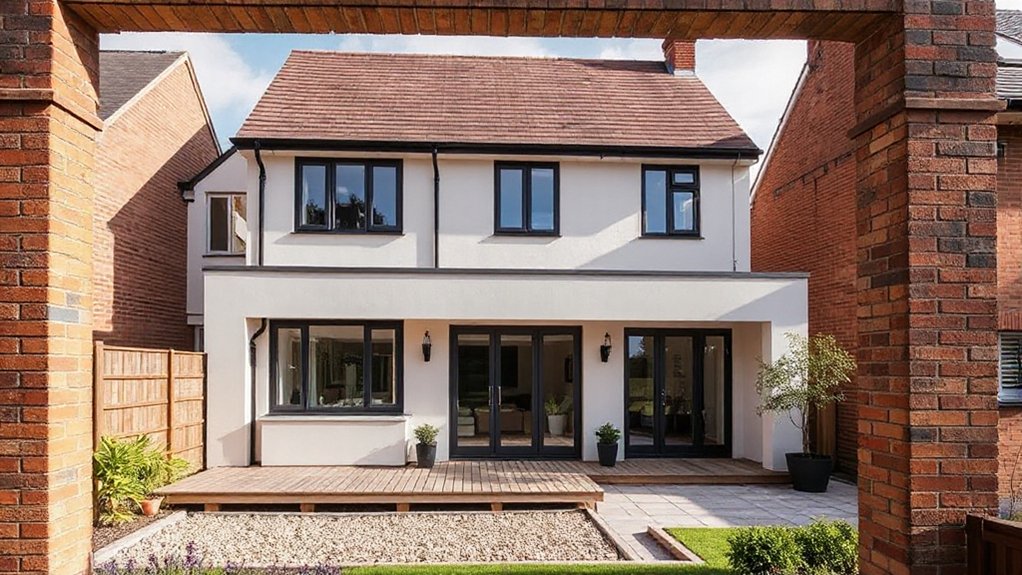
Planning rules for Birmingham reflect how your two-storey rear extension fits the city’s fabric and your budget. You’ll navigate land zoning carefully, ensuring your plans align with local classifications and setback requirements.
Design norms emphasize proportion, materials, and context, so your extension looks like it belongs rather than stands out. Before you draw, verify building permits prerequisites, from submission timelines to required sketches and neighboring-consent expectations.
Budgeting should reflect phased costs: survey, design, planning fees, and potential impact on council approvals. Brutal honesty helps: modest increases can stretch timelines; overbuilding risks negotiation hurdles.
Seek pragmatic choices—brick hues, rooflines, and fenestration that echo surrounding homes. By aligning zoning, permits, and a disciplined budget, your project gains smoother approvals and cultural resonance.
Start Today: Practical Steps to Kick Off Your Extension Project
Kick off your extension with a clear goal: what problem are you solving and for whom?
Gather your key constraints—budget, timeline, and space—and map them to practical steps you can action this week.
Start small, then build momentum with documented decisions and regular check-ins.
Start Today: Practical Steps
So you’re ready to begin your extension, but where to start can feel overwhelming; the key is to map a clear path from day one. First, define your goals with precision: what spaces will gain light, which views matter, and how you’ll function daily.
Create a realistic budget that includes contingency, and identify potential funding options early.
Sketch a simple floor plan that prioritizes flow between garden landscaping and interior decor, so outdoor ambitions influence indoor layout rather than clash with it.
Schedule a shortlist of trusted professionals, request references, and verify licenses.
Establish a project timeline with milestones, allowing for weather or supply delays.
Finally, document decisions, measurements, and materials to keep everyone aligned as you progress.
Kickoff Your Extension Project
As soon as you’ve outlined your goals, you’re ready to kickoff your extension project with focus and momentum. Start by mapping a realistic timeline, then secure a reliable design-build team who understands Birmingham’s semi‑detached rhythms.
Define nonnegotiables: space function, daylight, ventilation, and materials that respect the street’s character. Align your budget with phased milestones, so you can track progress without surprises.
Consider garden landscaping early—how the new footprint interacts with outdoor spaces shapes both flow and curb appeal.
Prioritize energy efficiency from Day One: high-performance glazing, insulation, and smart controls to cut long‑term costs.
Keep communication crisp: weekly check‑ins, decisions in writing, and a single point of contact.
Finally, document lessons learned; your future self will thank you for the clarity you capture now.
Frequently Asked Questions
What Permits Are Required for Semi-Detached Extensions in Birmingham?
You’ll need planning permissions and comply with building regulations for semi-detached extensions in Birmingham. Check permitted development rights, notify neighbours if required, and submit drawings showing structural details, party-wall considerations, and energy performance measures to avoid delays.
How Long Does Construction Typically Take in Birmingham Semis?
Back to your question: construction on Birmingham semis typically spans several weeks to a few months, depending on scope. You’ll weigh historical architecture constraints and neighborhood impact as you plan timelines and coordinate trades. Remember, progress matters more than perfection, friend.
Can Extensions Affect Birmingham Council Tax or Insurance?
Extensions can impact taxes and insurance; you should expect potential rises in council tax banding and higher insurance premiums. Prepare for insurance considerations, disclose alterations, and check local schemes to avoid surcharges while budgeting for ongoing costs.
Are There Noise Restrictions During Birmingham Extension Work?
Absolutely, there are noise regulations during Birmingham extension work. Construction hours typically restrict loud activities so you stay considerate; check local permits. You’ll need to follow permitted times, avoid Sundays, and plan quieter tasks outside peak noise periods.
What Energy Efficiency Incentives Apply to Birmingham Extensions?
You can access energy savings programs and insulation grants that support Birmingham extensions, helping you cut bills as you upgrade. You’ll learn which incentives apply, how to qualify, and how to maximize efficiency for long-term cost and comfort.
Conclusion
You can see how the right extension breathes new life into your Birmingham semi, without clashing with its character. Plan with trusted pros, pick materials that echo the existing rooflines, and optimize light with wraparound kitchens or sunrooms. If budget worries rise, start small—then scale. Remember: a well-designed addition boosts value and comfort, while preserving your street’s cohesion. Want a finished look that feels both bold and familiar? Begin with a clear brief and steady momentum today.