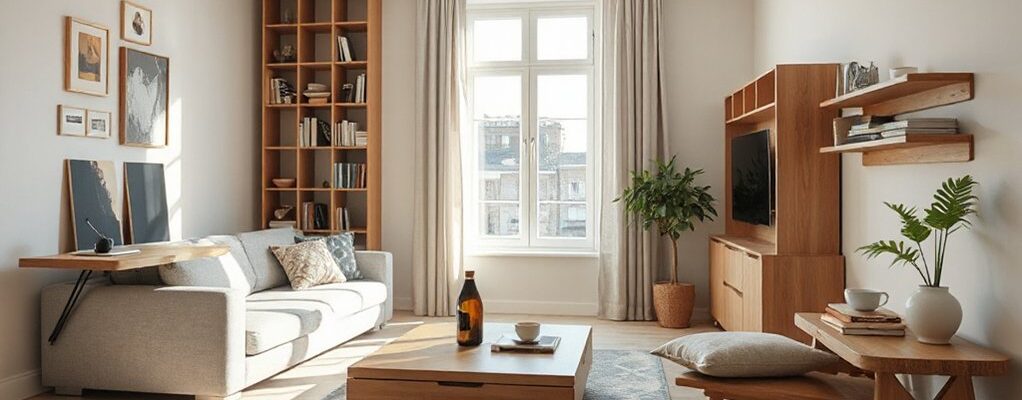
In small flats, you’ll want space-saving furniture that does more with less. Think wall-mounted desks, foldaway tables, and hidden-storage beds that keep every square inch purposeful. Choose modular seating and nesting pieces that reconfigure easily, while slim silhouettes maintain flow. The goal isn’t just to fit more stuff, but to create calm, tactile moments that feel expansive—and there’s a strategy behind it, waiting just beyond the next layout tweak.
Assess Your Space: Priorities, Footprint, and Budget
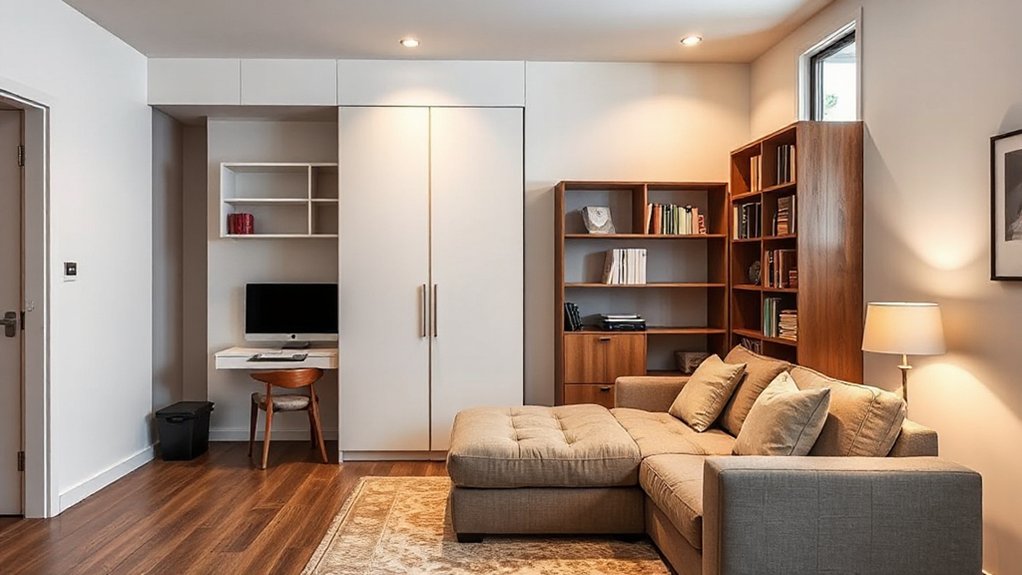
Before you mix and match furniture, map out what truly matters: your daily routines, the spaces that get the most use, and your budget. You’ll prioritize function over trend, letting workflow guide choices. Start with a footprint scan: measure entryways, doorways, and clearances, then label high-traffic zones. Identify essential activities—sleep, work, cook, relax—and assign a dedicated zone to each. Consider furniture ergonomics: seat height, desk depth, and storage reach should align with your body and tasks, not aesthetics alone. Balance your list with material durability to avoid frequent replacements. Set a realistic budget for core pieces and flexible upgrades. Finally, draft a phased plan: buy smart, then refine as you live in the space, keeping sight of restraint and cohesion.
Pick Wall-Mounted and Foldaway Essentials for Small Rooms
Centered around efficiency, choose wall-mounted essentials to free floor space without sacrificing style. Opt for foldaway pieces that shift gracefully between work and rest, so you can adapt to changing needs. You’ll curate a sleek, cohesive look by pairing these space-savers with targeted storage and clean lines.
Wall-Mounted Essentials
Wall-mounted and foldaway essentials free up precious floor space while keeping your small room stylish and functional; by choosing smart, compact solutions, you can create a versatile layout without sacrificing comfort. You’ll optimize faces of the room with floating shelves that hold daily essentials and decorative items, keeping surfaces clear yet accessible. Use wall hooks for coats, bags, and towels, turning vertical space into organized convenience. Choose slim, sturdy brackets and hidden mounting hardware to maintain a clean silhouette. Prioritize modularity: foldaway desks or wall-mounted tables deploy when needed and vanish afterward. Color and material should echo the room’s palette for cohesion. Keep cables managed with discreet channels. In sum, wall-mounted essentials maximize function while preserving aesthetic flow.
Foldaway Must-Haves
Foldaway solutions keep your flow intact while freeing floor space for living. In small rooms, wall-mounted and foldaway pieces act as smart anchors, transforming layouts in seconds. Choose items that conceal more than they reveal: hidden storage tucked into desks, benches, and headboards, so clutter never disrupts your line of sight. Prioritize convertible beds that fold into slim profiles yet offer comfortable sleeping options when needed. Pair compact desks with foldable legs for open intervals of workspace, then tuck them away after use. Opt for mounts that double as shelves to keep essentials within reach without crowding the room.
- Hidden storage benches with lift-up lids
- Wall-mounted desks that fold flat
- Convertible beds with storage matrix
- Foldaway dining tables on slim rails
- Compact wall shelves with integrated hooks
Multiply Your Space With Multi-Function Furniture
With multi-function essentials, you can transform a compact space into multiple uses without adding square footage. Think smart storage, convertible surfaces, and modular pieces that adapt to your daily needs. These clever space solutions keep your room tidy, stylish, and surprisingly expansive.
Multi-Function Essentials
When you optimize with multi-function furniture, you instantly gain big benefits in small spaces: each piece serves more than one purpose, reducing clutter and expanding usable square footage.
- Innovative storage beds that lift for hidden drawers
- Convertible sofas with built-in shelves
- Nesting tables that double as extra work surfaces
- Wall-mounted desks that fold away neatly
- Storage ottomans that pair seating with hidden compartments
With compact design at the core, choose pieces that maximize floor efficiency without sacrificing aesthetics. Prioritize clean lines, hidden hinges, and modular options that adapt to changing needs. This approach streamlines flow, minimizes visual noise, and keeps essentials within arm’s reach. Embrace versatility, elevate function, and let every item earn its keep in your space.
Clever Space Solutions
Think smart about how you shape a space: multiply your footprint without multiplying your furniture. You’ll harness multi-function pieces that prioritize flow and form, so every square meter earns its keep. Start with a coffee table that folds into a desk, a sofa that pivots into a guest bed, and storage built into a bed platform. Choose furniture with clean lines to maintain airiness and avoid visual clutter. Use modular units to reconfigure rooms as needed, keeping traffic paths clear and zones flexible. Lighting design guides mood and function without consuming space, while color schemes create perceived depth and coherence. Pair glossy or light finishes with matte accents to bounce light. In essence, select adaptable, well-placed pieces that amplify usability and style.
Storage That Blends With Decor (No Clutter)
Hidden storage can serve as décor rather than a clutter trap, so pick pieces that merge form and function.
- Opt for furniture with hidden compartments or lift-top lids to conceal essentials
- Use baskets and bins that blend with your color palette and textures
- Choose wall-mounted cabinets that reduce floor footprint while adding depth
- Integrate mirrors and glossy surfaces to reflect space and hide clutter
- Select multi-purpose pieces like ottomans and benches with interior storage
Decor integration keeps your surfaces clean without sacrificing style, and clutter concealment happens naturally when every item has a home. Favor streamlined silhouettes, neutral tones, and intentional placement to maintain flow. Aim for cohesion across textures—wood, fabric, metal—that echoes your decor. Regularly edit, rotating only what serves both function and mood. With thoughtful selection, storage becomes an aesthetic feature rather than a distraction.
Flexible Seating That Keeps Flow and Feel
Flexible seating should keep traffic clear while inviting interaction, so mix compact options with easy-to-move pieces that don’t block pathways. You’ll want modular chairs, poufs, and low-profile stools that tuck under tables or nest when not in use. Choose pieces on casters or with removable covers to reconfigure spaces in seconds, preserving open sightlines. Prioritize ergonomic comfort in every seat, testing lumbar support and seat depth to reduce fatigue during longer gatherings. Align seating with focal points to maintain aesthetic harmony, using neutral bases accented by bold textiles for subtle personality. Elevate adaptability with wall-mounted benches or foldable ottomans that can become extra surfaces without crowding. Keep corners free, intact sightlines, and your flow intact for effortless conversation and movement.
Dining Solutions That Pack a Punch in Tiny Rooms
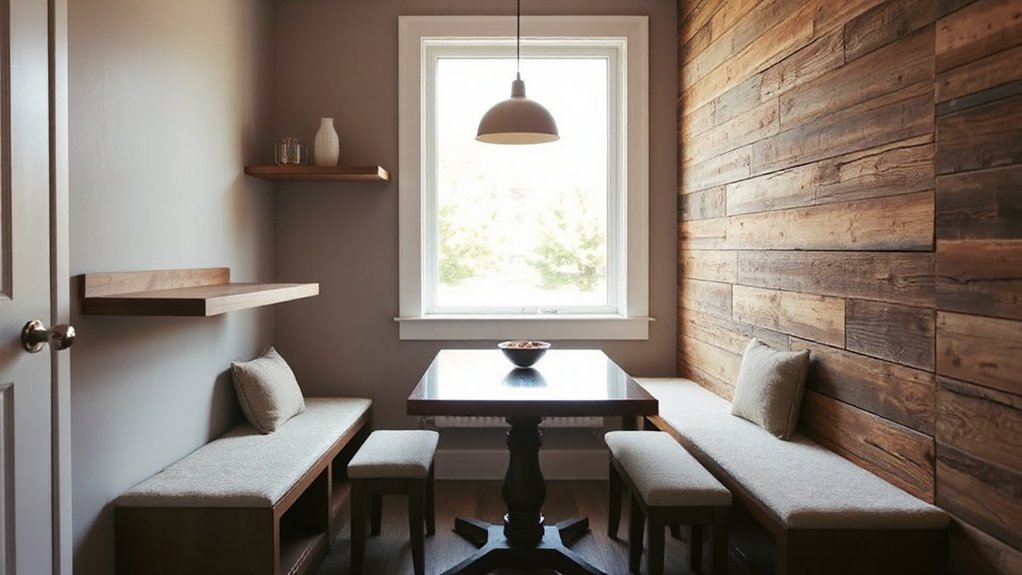
When space is at a premium, dining solutions must do double duty without sacrificing style. You’ll optimize tiny rooms with furniture that folds, hooks, or tucks away, so every inch earns its keep. Think hybrid setups that serve meals and work or entertaining moments in a single gesture. Integrate vertical gardening alongside your dining zone to add life without widening your footprint, and use acoustic panels to suppress clatter and echo for intimate meals. Choose silhouettes that hover above the floor, so you maintain clear sightlines and easy movement. Materials and tones should feel cohesive, not cluttered, with hidden storage that declutters daily life.
- Fold-down tables that lock upright after use
- Extendable consoles doubling as dining surfaces
- Wall-mounted shelves guiding flow and display
- Seats with built-in storage and slim profiles
- Vertical gardening and acoustic panels for ambiance
Budget-Friendly Finds vs DIY Tweaks for Big Impact
Wondering whether budgets can punch above their weight? Here, you weigh budget-friendly finds against DIY tweaks for big impact. Start with a brisk cost comparison: store-bought pieces save time and enforce consistency, while DIY mods cut upfront price and let you tailor scale, finish, and silhouette to your space. Choose cost-effective basics first, then layer personality with paint, hardware, or fabric swaps that refresh quickly. For longevity, prioritize material durability—solid wood and metal outlast cheaper composites, even when you hack them yourself. DIY can handle non-structural elements, but reserve complex builds for guidance or pre-made components. Your aim is balance: smart purchases that anchor the room, plus deliberate tweaks that elevate style without sacrificing function. Efficient, intentional choices maximize space and value.
Layout Strategies for Zoning, Traffic, and Light
Strategic zoning turns a compact flat into distinct lives: define zones with furniture, rugs, and lighting instead of walls. You shape flow, guide traffic, and preserve openness by layered cues: low bookcases as dividers, pendant lights to cue each area, and rugs that mark transitions. Prioritize vertical organization: tall shelves and wall-mounted storage draw the eye upward, freeing floor space for movement. Natural lighting should be your ally—pair sheer drapes with strategically placed mirrors to bounce daylight deeper. Keep sightlines clear to reduce congestion and confusion. Use consistent finishes to unify zones; rotate accents seasonally for fresh energy. You’ll enjoy more usable square footage without sacrificing style.
- Use vertical organization to create zones
- Let natural lighting define mood and depth
- Create clear sightlines for safe circulation
- Layer furniture to separate spaces gracefully
- Optimize reflections to brighten tight areas
Quick-Start: Pick, Place, and Perfect Your Small-Space Setup
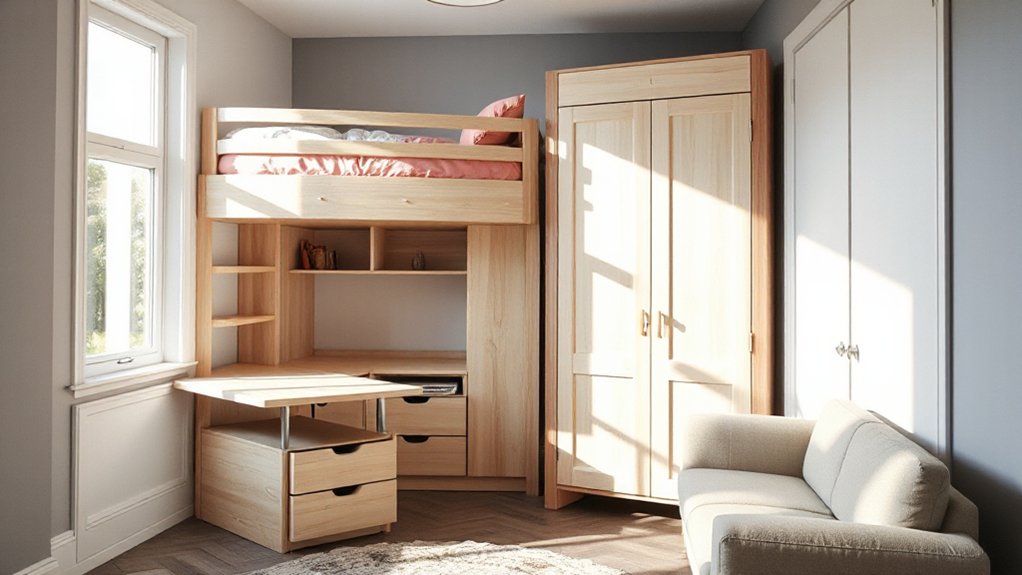
This quick-start guide helps you pick, place, and perfect a solid small-space setup in minutes. First, pick a focal point, then place multifunctional pieces that tuck away when not in use. Choose a compact sofa or wall bed, a slim console, and a coffee table with hidden storage to maximize floor space. Plan routes to maintain clear traffic flow; avoid placing furniture in doorways or too close to windows. Color schemes should be cohesive—soft neutrals with a bold accent for depth. Lighting options matter: layer ambient, task, and accent lights to expand rooms without clutter. Test scale against walls using portable rulers, then adjust placements for comfortable reach and clean sightlines. Finalize with a unifying texture or material to unify the schema.
Frequently Asked Questions
How to Maximize Storage Under Stairs in a Small Flat?
Under the stairs, maximize storage by installing hidden compartments and a bench with built-in drawers. Choose multi functional furniture, like a step-stool with hidden bins, or a pull-out pantry, keeping aesthetics sleek and clutter-free for you.
What Are the Best Space-Saving Hacks for Renters?
Did you know renters save up to 30% rent-buffer with vertical storage solutions? You can leverage multi functional furniture and vertical storage solutions to maximize space, keep surfaces clear, and curate an aesthetic, concise, strategic living area.
How to Choose Lighting That Makes Small Rooms Feel Bigger?
Invest in natural light by maximizing windows and mirrors, and opt for wall mounted fixtures to save space. Choose light, neutral tones, dimmable options, and strategic placement to visually expand rooms while maintaining a cohesive, aesthetic, and practical glow.
Which Materials Age Well in Compact, High-Use Spaces?
Durable materials like solid wood, metal, and reputable composites age well in compact, high-use spaces, and maintenance-friendly finishes help you keep them looking sharp. Choose durable materials, maintenance friendly finishes, and you’ll minimize wear while maximizing style and practicality.
How to Coordinate Colors for a Seamless Small-Space Look?
You align Color palettes with your space by choosing a neutral base and adding measured pops. Use Accent schemes to highlight focal zones, maintain cohesion, and balance light and texture for a seamless, purposeful, visually calm small-area look.
Conclusion
You’re guiding a tiny vessel through a spacious sea. Each piece—wall-mount, foldaway, multi-function—acts as a sail, catching light, not clutter. Conceal storage becomes treasure chests; slim profiles, a quiet harbor for movement. Let modular seating be reefs you can reconfigure with ease. Dining nooks glow like lanterns, not anchors. Budget and DIY merge like two harmonies, shaping a horizon of possibility. Start, place, refine—and let your space symbolize clarity, flow, and confident, clever living.