You’ll notice a coincidence when you first walk through a new-build in Milton Keynes: the builder’s inclusions often reflect what you’ll later wish you’d upgraded. Start by basing your plan on a realistic budget, then tighten the focus on energy efficiency and long-term fixes. You’ll want solid warranties, clear scopes for trades, and a phased roadmap that fits your lifestyle—and that’s just the beginning, because the next steps could change how you live in your home.
Plan Your MK Upgrade Budget
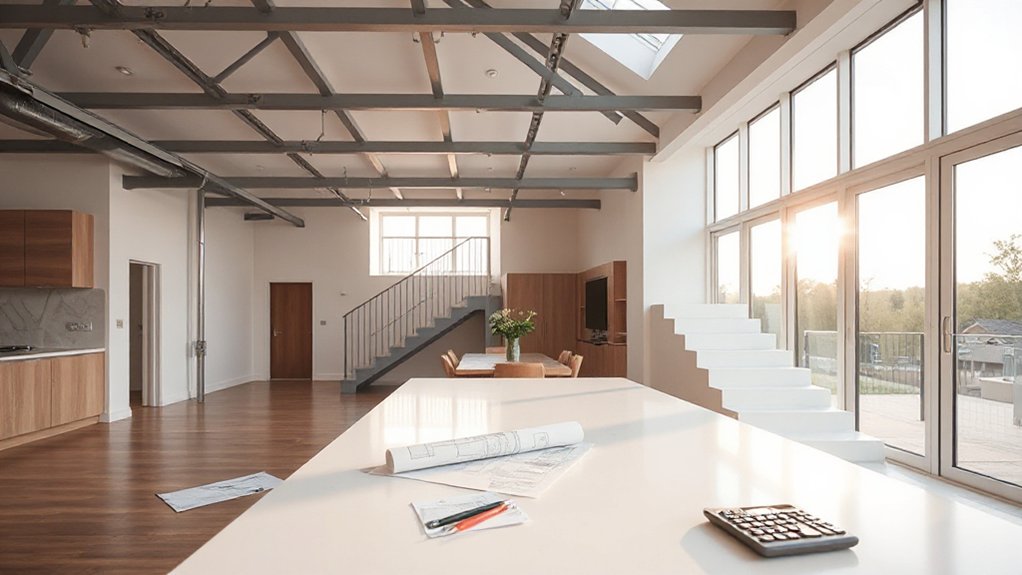
Planning your MK upgrade budget starts with clarity on what you want to achieve and how much you’re willing to spend. You’ll map out every area that needs work, from fixtures to finishes, and set a realistic target total.
Begin with a rough invoice for each item, then roll those into a master budget so you can see where costs cluster and where you have wiggle room. Use contingency funds—typically 10%–15%—to cover unexpected needs.
Separate renovation funding from daily living costs to avoid mix-ups. Track deposits, milestones, and payment terms with suppliers and tradespeople.
Review bids critically, looking for value, warranties, and timelines, not just the lowest price. Regularly revisit your plan as choices tighten; stay disciplined, and you’ll keep costs under control.
Prioritise Energy Efficiency in MK Homes
To make the most of your MK upgrade budget, start by prioritising energy efficiency in every decision you make. Focus on tight building fabric first: draft-proof doors and windows, and guarantee airtight seals around outlets and penetrations.
Plan insulation upgrades for walls, roofs, and floors to minimize heat loss without overpaying for unnecessary R-values. When selecting materials, choose low-emissivity glazing and proper ventilation solutions to balance comfort with energy use.
Scheduling heat recovery options during renovations can slash heating costs long term. Favor high-performance appliances and lighting with strong energy ratings.
Consider solar-ready roof space and smart thermostats to optimize usage. Keep documentation of all efficiency improvements for future resale and guidance.
Prioritising efficiency now pays dividends later in comfort and bills. window enhancements, insulation upgrades.
Evaluate Builder Inclusions for Maximum Value
Start by evaluating what’s included outright and what might cost more later, so you know which items truly add value.
Compare material quality across builder packages, focusing on longevity, maintenance, and warranty implications.
Do a quick cost-benefit analysis to see if upgrade options deliver tangible returns over time, not just upfront appeal.
Assess Inclusions Thoroughly
When you assess inclusions, start by listing every item the builder promises and then verify its quality, scope, and finish against the contract and plans.
Next, compare what’s on the plans with what’s on the ground, note any gaps, and flag substitutions you’re uncomfortable with.
Prioritize interior decoration elements and landscaping design, ensuring finishes, fixtures, and fittings meet stated standards.
Check dimensions, materials, and energy features, confirming delivery timelines and warranty terms.
Ask for product cut sheets and specimen boards, and request confirmations in writing.
Look for inclusions that add long‑term value, such as multi‑room lighting schemes or built‑in storage efficiency.
Document discrepancies with photos and signed amendments, and keep a clear record to prevent later disputes.
This diligence saves cost and enhances overall home quality.
Compare Material Quality
Pivot from confirming inclusions to a focused look at materials: you’ll assess the actual components the builder uses, item by item, to guarantee you’re getting lasting value. You’ll compare material quality by checking core specs, finish options, and installation standards.
Inspect flooring, tiles, countertops, cabinetry, and fixtures for consistency with promised grades. Consider material durability—look for solid cores, reinforced joints, moisture resistance, and warranty coverage.
Assess aesthetic appeal in alignment with your design goals: color consistency, texture, edge profiles, and how surfaces age with use. Verify fit and finish details at joints, transitions, and trims, noting any gaps or cosmetic flaws.
Ask for samples, manufacturer datasheets, and performance tests, then document deviations to negotiate upgrades that preserve value over time.
Cost-Benefit Analysis
Evaluating builder inclusions through a cost-benefit lens helps you separate hype from value and make smarter choices. You’ll compare upfront costs with long-term savings, focusing on what actually improves daily living.
Start by listing inclusions, then assign a tangible value: energy efficiency, maintenance needs, and resale appeal. Prioritize features with clear payback periods, like improved insulation or durable fixtures.
Assess Material durability to ensure you’re not paying for short-lived goods that fail early. Research contractor reputation to gauge workmanship quality and aftercare support; a reliable team often saves money on replacements and fixes.
Negotiate inclusive packages and seek warranties that cover core components. Finally, calculate a rough ROI based on your expected stay and market conditions, using realistic usage patterns to avoid overestimating benefits.
Snagging, Warranties, and Long-Term Peace of Mind
Snagging, warranties, and long-term peace of mind are about catching issues early, knowing your protections, and planning for the future. When you inspect, focus on finishing quality and performance—doors, skirting, paint, and fixtures should be straight, clean, and secure.
For Home insulation, check attic and wall gaps, boiler efficiency, and airtightness; address drafts now to save costs later. Review your builder’s snag list and track items with dates and photos, then verify each fix is complete.
Warranties matter: understand coverage periods, what’s excluded, and how to claim. Keep records of manuals, receipts, and service visits.
Plan for maintenance windows in the first year, and schedule regular checks. Interior finishes should stay visually consistent; log any moisture or staining promptly to protect long-term value.
Upgrade Plumbing, Electrical, and Comfort Systems
Upgrading your plumbing, electrical, and comfort systems starts with a clear plan: map out goals, budget, and timelines before you start. Start with a site survey to document existing layouts, then prioritize upgrades that improve efficiency and reliability.
For plumbing, inspect pipes, valves, and fixtures; replace old plumbing fixtures with water-saving models where possible, and consider trenching or re-routing for better flow.
In electrical work, review circuit loads, panel capacity, and safety upgrades—add outlets in key rooms and ensure RCDs and proper grounding.
Plan for comfort: improved insulation, efficient boiler or heat pump, and balanced heating zones.
Keep a simple change order process to track costs and avoid scope creep. Coordinate trades to reduce downtime and guarantee permits are in place.
Smart Home Tech for Milton Keynes Lifestyles
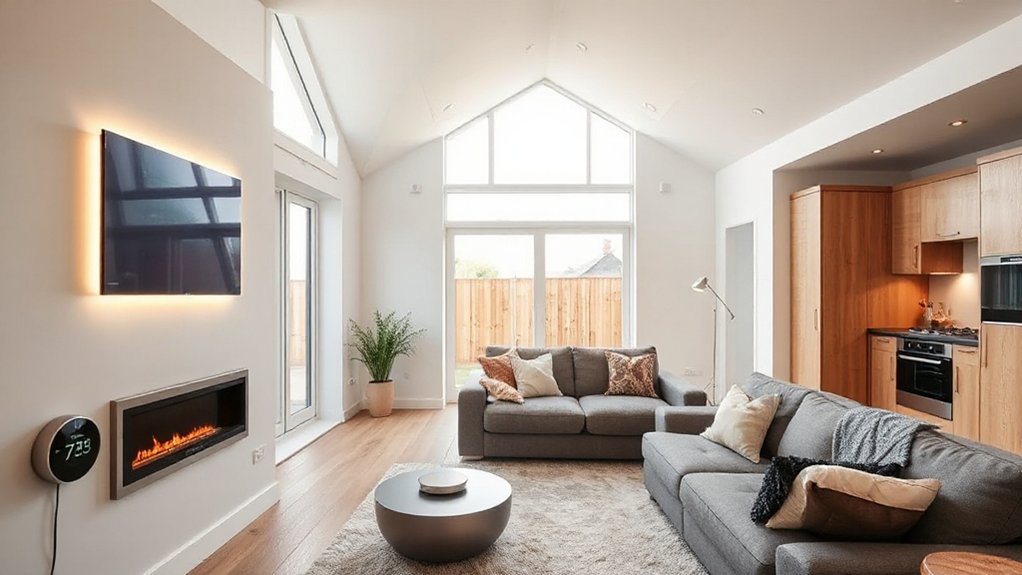
Smart Home Foundations set the stage for Milton Keynes living, so you’ll prioritize reliable connectivity, secure devices, and easy mid-range setups that scale over time.
Consider Milton Keynes Living Trends to match your routines with voice control, automation, and accessible controls that fit busy days.
Look at Energy-Efficient Integrations to cut costs and boost comfort with smart thermostats, lighting, and imaging that respond to your real-world patterns.
Smart Home Foundations
Smart Home Foundations: laying the groundwork for Milton Keynes living starts with solid connectivity, reliable power, and centralized control that you can trust every day. You’ll plan a robust network topology first, choosing a wired backbone for critical devices and a strong Wi‑Fi mesh for everyday gadgets.
Prioritise consistent power with surge protection and a future‑proof distribution board, plus UPS options for essential circuits during outages. Select a smart hub or controller that supports local processing to keep routines fast and private.
Integrate home automation and security systems at the design stage, ensuring device compatibility and easy updates. Document wiring diagrams and pairings now, so upgrades later stay seamless and secure.
Milton Keynes Living Trends
Milton Keynes residents are embracing tech that fits real living—fast, reliable, and easy to manage. You’ll notice smart setups that streamline daily routines without fuss: voice-controlled lighting, adaptive climate, and robust Wi‑Fi that stays solid across open-plan spaces.
In practice, people tailor automation to workdays, school runs, and weekend socializing, so you stay productive and relaxed. With growing local events and community hubs, you’ll value dashboards that blend privacy with convenience, showing who’s home, when guests arrive, and how energy usage shifts with activities.
This culture emphasizes practical upgrades over flashy gimmicks, so you’ll invest in scalable, secure devices. If you’re curious about Milton Keynes culture, check calendar highlights; these events shape how you plan tech around social life.
Energy-Efficient Integrations
As you shift from everyday living to smarter, energy-minded setups, you’ll find Milton Keynes’ pace and layout favor practical, efficient integrations. Start with a smart thermostat that learns your routines and coordinates with underfloor or radiator zones to minimize heat waste.
Pair it with smart lighting that responds to occupancy and natural daylight, reducing electricity use without sacrificing comfort. For energy capture and reliability, consider renewable sources like a modest solar array or a small battery backup to smooth demand peaks.
Illumination and comfort aside, prioritize insulation upgrades—extra loft insulation, draught-proofing, and sealing around doors reduce heat loss and enhance the effectiveness of any tech.
Choose modular devices you can expand as needs grow, avoiding overkill while preserving future flexibility.
Find Trusted MK Trades and Local Suppliers
Looking for trusted MK trades and local suppliers can feel intimidating, but it doesn’t have to be. Start by defining your project scope and budget, then seek three quotes from vetted firms.
Check trade certification and ask to see current credentials; insist on photos or samples of recent work to gauge quality. Don’t rely on glossy websites alone—visit showrooms or completed jobs if possible, and request references from past clients.
Compare timelines, guarantees, and post‑installation support, not just price. Evaluate supplier reputation by reading independent reviews and confirming memberships with reputable trade bodies.
Keep a simple checklist: license validity, insured coverage, and dispute resolution options. Build a short list of trusted MK trades to streamline decision‑making, then move toward a clear, documented agreement.
Plan Phased Improvements for Ongoing Value
You’ve found trusted builders and suppliers, now it’s time to map a plan that preserves value as your home evolves. Begin with a phased calendar that aligns major upgrades with lifestyle changes and budget milestones.
Prioritize high-return, low-disruption updates first, like energy efficiency fixes and smart controls that scale. Timeline each improvement in clear phases: short-term wins (0–6 months), mid-term refinements (6–18 months), and long-term enhancements (18+ months).
For home automation, choose modular systems with future-proof hubs and wireless components so you can upgrade without reworking walls.
In garden landscaping, design flexible templates—perennial borders, modular planting beds, and irrigation zones—that adapt as spaces shift.
Document costs, expected value, and maintenance needs for every phase to stay aligned with your evolving home portfolio.
Build Your MK Home Upgrade Roadmap (Template Included)
To build your MK home upgrade roadmap, start with a simple template that maps projects to your timeline and budget. You’ll list major tasks—like interior decor upgrades, landscaping design, plumbing checks, and electrical safety—alongside target dates and estimated costs.
Use a calendar view or spreadsheet to visualize dependencies, so a kitchen refresh doesn’t stall a bathroom renovation. Prioritize high-impact changes that boost livability and value, then slot cosmetic updates around trades and delivery windows.
Include color palettes, material samples, and finish levels to prevent scope creep. Build in review points every month to adjust forecasts as prices shift or new needs arise.
Keep it flexible: a lean plan adapts to evolving tastes, while still guiding decisions toward a cohesive MK home upgrade.
Frequently Asked Questions
How Long Does a Typical MK Home Upgrade Project Take?
Typically, a MK home upgrade takes 4–8 weeks, depending on scope. You’ll plan layouts, choose finishes, and coordinate trades; you’ll focus on interior design details and improving energy efficiency while staying on schedule and budget.
What Permits Are Required for MK Renovations?
You’ll need to handle Building Regulations compliance and a Permit application. Start early, check local authority rules, and secure approvals before renovations. You’ll avoid delays by documenting plans, scheduling inspections, and coordinating with contractors throughout the permit process.
Can Upgrades Affect Future Home Insurance Premiums in Milton Keynes?
Upgrades can affect insurance premiums. You’ll likely see higher premiums if you upgrade structural elements or systems, but improvements lowering risk may reduce costs. Insurance premiums respond to increased value, risk, and replacement cost, so compare quotes after upgrades.
How Do I Budget for Unforeseen Upgrade Costs?
You should budget for unforeseen upgrade costs by building a flexible plan with emergency funds, contingency buffers, and phased spending. Use budget planning methods, track unexpected expenses, and review quarterly to stay ahead without derailing your project.
What Grants or Incentives Are Available in MK for Upgrades?
You’ll find energy efficiency grants and incentives in MK through local authority schemes and national programs; check energy grants, green homes, and retrofit schemes. You can fund interior design upgrades while boosting efficiency with insulated doors, windows, and smart controls.
Conclusion
Now that you’ve mapped your MK upgrade, you’ve got momentum, momentum you’ll maintain. Plan, prioritise, and price with precision, pairing practical purchases with proactive potholes—plumb, wire, and weatherproof. Seek solid savings through smart systems and sturdy sustainability, secure snagging and warranties, and safeguard scalable systems for years. Build a balanced blueprint, bracket budgets with buffers, and buddy up with trusted trades. You’ll reap reliable comfort, community, and continual value as your Milton Keynes home grows with you.