Like a fresh coat of paint that quietly clashes and then calms a room, low-cost renovations can shift a buyer’s perception fast. You’ll want to focus on neutral paint, updated hardware, and better lighting, plus curb appeal tweaks that cost little but look broad-appeal. Smart staging, energy-efficient tweaks, and quick maintenance prevent deal-breakers and often push offers above asking. Ready to apply a practical, data-driven plan that maxes impact with minimal spend?
Fresh Paint That Transforms Rooms
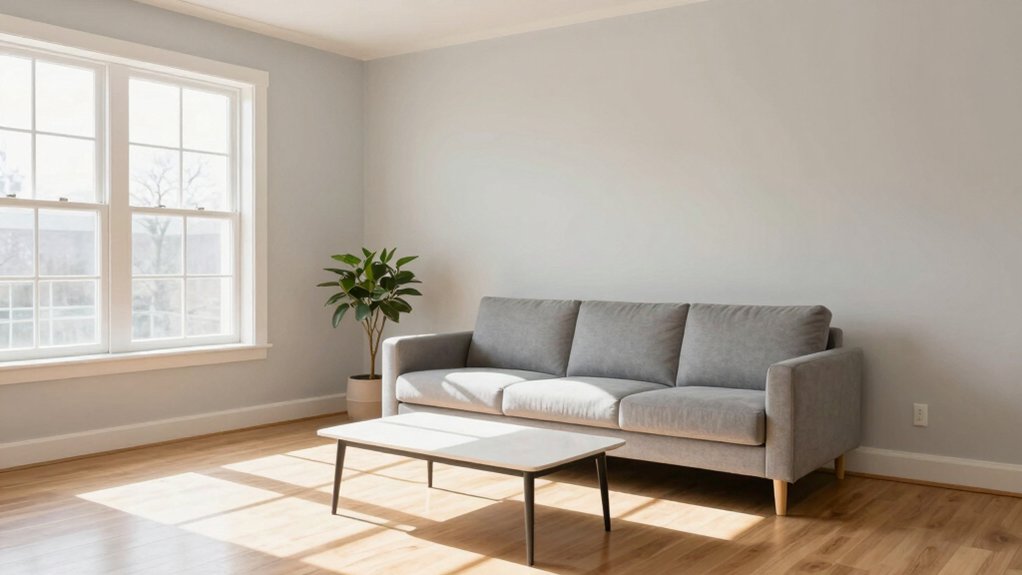
Color does more than brighten a room—it frames perception. You’ll get a cleaner resale narrative when you choose the right palette, because paint temperature subtly guides buyer mood and focus. Research shows neutral tones widen spaces, while accent walls direct attention to key features like architectural details or focal furniture.
You’ll save time and money with preliminary prep, high-quality primer, and two coats of uniform color for durable coverage. A 1- to 2-point shade shift can feel modern without risking buyer mismatch, and semi-gloss trims create crisp edges that photograph well.
Consider moisture-appropriate finishes in kitchens and baths, plus low-VOC formulas for air quality. Track color choices against room size, lighting, and existing fixtures to maximize perceived value.
Modern Lighting to Boost Ambiance
Warm LED options offer energy efficiency and true color rendering that highlight your spaces without glare. Layered lighting ideas create depth and focus, guiding attention to key features while keeping rooms flexible for different occasions.
Dimmable fixtures amplify ambiance and control, backed by data on mood and energy use, making every room feel more inviting.
Warm LED Options
What makes warm LED lighting the smart choice for estate interiors? You’ll notice that warm LEDs (2700K–3000K) create inviting spaces without sacrificing energy efficiency. They render skin tones more accurately, aiding photography and showings, while reducing glare on glossy surfaces.
With longer lifespans and lower power draw, you cut maintenance costs and electrical bills—crucial for frequent showings. Dimmable options provide flexible ambiance, enabling bright, inviting dining scenes or subtle relaxation areas, all from a single circuit.
Color consistency across fixtures avoids uneven looks that deter buyers. Combine warm temperatures with high CRI (>=85) and good lumen output (600–800 lm per fixture for rooms, 1,000–2,000 lm for focal areas).
Prioritize integrated controllers to simplify scheduling, ensuring steady, welcoming lighting during every moment of a listing.
Layered Lighting Ideas
Layered lighting creates depth and mood by combining ambient, task, and accent layers to guide buyers through a space. You’ll boost perceived size and atmosphere by pairing a soft overhead glow with focused task lighting near desks and countertops.
Use warm-to-neutral bulbs (2700–3000K) to recreate inviting daylight effects without harsh contrasts. Dimmer controls let you tailor scenes for showings, helping buyers visualize daily living.
Place ambient fixtures overhead or wallwashers to flatten shadows, then add task lamps at desks and in kitchens for practical visibility.
Accent lighting highlights architectural features and artwork, drawing interest to key selling points.
Balance is essential: too many sources create clutter, too few flatten the space. Track or recessed options offer scalable, low-cost versatility.
Dimmable Fixtures Benefits
Dimming fixtures give you precise control over mood and energy use, letting you tailor scenes to each showing. You’ll cut glare on bright days and soften spaces for intimate tours, which keeps rooms appearing larger and more welcoming.
Studies show adjustable lighting can lift perceived value by highlighting architectural details and textures without increasing energy costs. With LEDs, dimming extends lamp life and reduces waste, lowering maintenance expenses over time.
You’ll also avoid costly rewiring—many modern dimmers work with existing circuits and standard bulbs. For quick wins, set three presets: bright for quick walkthroughs, warm for living areas, and low for bedrooms.
Conservative adjustments still read as premium, and buyers notice. Overall, dimmable fixtures deliver measurable ambiance, efficiency, and appeal at minimal upfront cost.
Kitchen Refresh on a Budget
A budget-friendly kitchen refresh starts with smart, high-impact updates that you can actually implement this month. You’ll prioritize cost-per-impact, targeting finishes, lighting, and cabinet organization that buyers notice in seconds.
Repaint cabinets in a neutral, modern shade to erase dated tones without a full remodel, and pair with updated hardware for an instant lift—often 60–70% higher perceived value at a fraction of the cost.
Swap dated lighting for LED fixtures that brighten the space and reduce energy use by up to 85%. Install adjustable shelves and smart storage solutions to reclaim counter space, which improves workflow and buyer impressions.
Finally, refresh backsplashes with peel-and-stick options that tolerate humidity and are easy to remove later, preserving resale flexibility.
Curb Appeal Tweaks With Minimal Spend
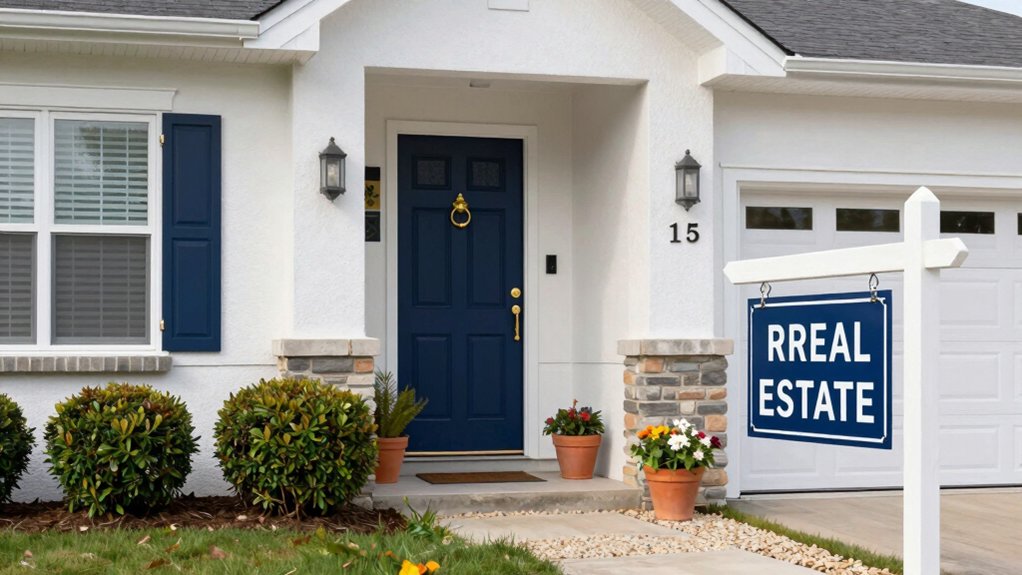
Freshen your exterior paint to boost first impressions without a full renovation, since even small color updates can raise perceived value and curb appeal.
Fix lighting shortcomings to improve safety and nighttime visibility, which data shows correlates with longer visitor stays and stronger offers.
Tidy front landscaping creates an instantly welcoming buffer, with minimal cost yielding outsized impact on buyer perception.
Freshen Exterior Paint
Updating exterior paint is one of the fastest, most cost-effective ways to boost curb appeal and attract buyers, with fresh coats delivering noticeable color consistency, improved protection, and a clean, modern look that can raise perceived value by a measurable margin.
You should prioritize neutral, durable hues that endure sun and weather without frequent touch-ups. Data shows repainting yields higher offers and quicker showings versus unpainted exteriors, often recouping a substantial portion of renovation costs.
When choosing paint, select 2,000–3,000 psi exterior-grade primers and two coats of top-tier acrylic latex for fade resistance and washability.
Prep matters: power wash, repair cracks, and reseal trim. Limit color changes to one or two shades to maintain cohesion with surroundings.
Schedule during mild, dry conditions to maximize curing and buyer confidence.
Fix Lighting Shortcomings
Even small lighting upgrades can dramatically boost curb appeal without breaking the bank. You’ll see quicker front-door impact by targeting entry lighting, pathway illumination, and porch ambience.
Data shows a 20–40% perceived value lift when entry lighting is bold yet tasteful and evenly spaced. Choose LEDs with a 2700–3000K color temperature for warmth without glare. Install motion sensors for safety and efficiency, but keep fixtures simple to avoid clutter.
Use vertical lighting to highlight architectural features and downlighting to prevent harsh shadows on walkways. Dimmer controls let you adjust mood for showings, while ensuring security after dark.
Prioritize consistent spacing, weatherproof ratings, and maintenance ease to sustain appeal over time. This approach delivers measurable attractiveness with minimal ongoing cost.
Tidy Front Landscaping
Spruce up the curb with tidy front landscaping that costs little but pays off big. Quick, targeted fixes boost first impressions and perceived value, a key driver when buyers decide to visit.
Focus on three proven moves: trim hedges to create clean lines, mulch beds to suppress weeds and signal care, and plant a few drought‑tolerant perennials for ongoing color with minimal maintenance.
Replace a dead plant or two instead of overhauling the garden; it keeps costs under control while restoring symmetry. Edging and a fresh coat of mulch can raise perceived condition by up to 15%, according to agent surveys, without major investment.
Maintain tidy boundaries, remove debris, and ensure irrigation is functional. Small, deliberate tweaks deliver measurable appeal and faster, higher offers.
Smart Staging Principles for Quick Sales
Smart staging accelerates sales by highlighting a home’s strengths and minimizing its weaknesses, so buyers form instant connections. You’ll leverage neutral palettes, decluttered surfaces, and purposeful lighting to create wide, inviting rooms that feel larger and brighter.
Data shows staged homes sell faster and often above asking price, with photos outperforming unstaged equivalents by up to 73% more views. Prioritize functional layouts: clear traffic patterns, visible storage, and focal points in living areas. Use tasteful accessories to hint at lifestyle without personal clutter.
Quick fixes—repaired hardware, fresh caulk, clean grout—boost perceived value at low cost. Measure impact by tracking showings and online engagement before and after staging, then iterate. This disciplined approach reduces uncertainty, speeds offers, and supports confident negotiations.
Energy-Efficient Updates for Long-Term Savings
If you’re aiming for long-term savings, prioritize energy-efficient updates that reduce monthly bills and boost comfort. Start with high-efficiency HVAC and smart thermostats to trim seasonal usage by up to 15–20%. Then seal ducts and add insulation to cut cooling and heating losses.
Upgrade to LED lighting and ENERGY STAR appliances to lower standby and operational energy without sacrificing performance. Install low-flow fixtures to conserve water while reducing hot-water demand, and consider solar-ready roofing or partnered solar programs as upfront costs drop over time.
Track energy performance with a home-energy audit and a monthly consumption target to measure progress. Present quantified savings to buyers, highlighting reliability, comfort, and predictable monthly expenses. This approach translates into higher perceived value and faster negotiations.
Practical Maintenance Fixes to Prevent Deal Breakers
Practical maintenance fixes can prevent deal breakers by keeping a home reliable and inspection-ready. You’ll save time and money by prioritizing routine checks that buyers value. Start with the basics: fix leaks, replace worn seals, and service HVAC systems before seasonal spikes. Data shows systems in good condition reduce negotiation headaches by up to 40% at closing.
Schedule annual roof, gutter, and exterior inspections to catch wear early, preventing water damage claims. Address electrical safety, outlets, breakers, and visible wiring now; buyers notice faults quickly. Keep documentation showing recent maintenance, receipts, and mower-size lawn plans.
Implement a simple seasonal checklist and log completed tasks. These proactive steps lower lender hesitations, shorten escrow, and boost perceived value with minimal investment.