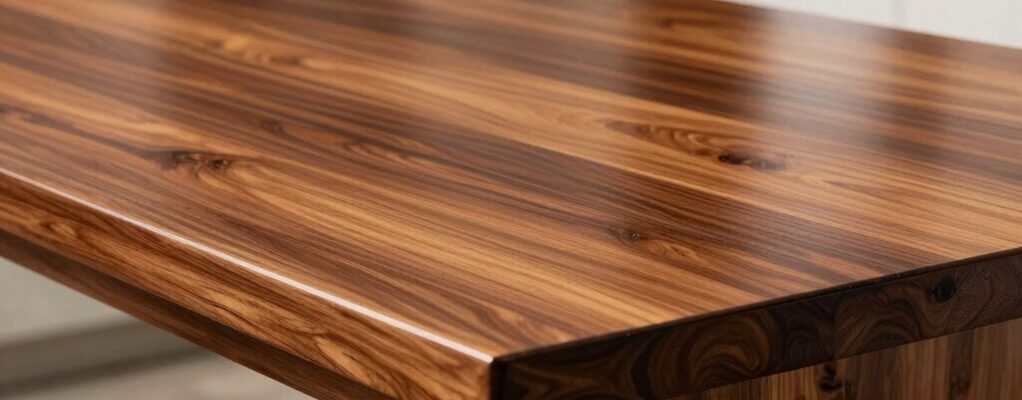
For a kitchen table, you want a finish that’s durable, easy to clean, and resistant to heat and spills. Polyurethane tops (oil- or water-based) are the go-to for busy kitchens, offering hard, scratch-resistant protection and simple maintenance. If you prefer a glassy look, epoxy or lacquer creates a seamless, high-gloss surface that wipes clean. Natural oils bring warmth but need periodic upkeep. Want more practical tips and maintenance hacks? Keep reading to learn more.
Understanding Your Kitchen Habits: Why Finish Matters
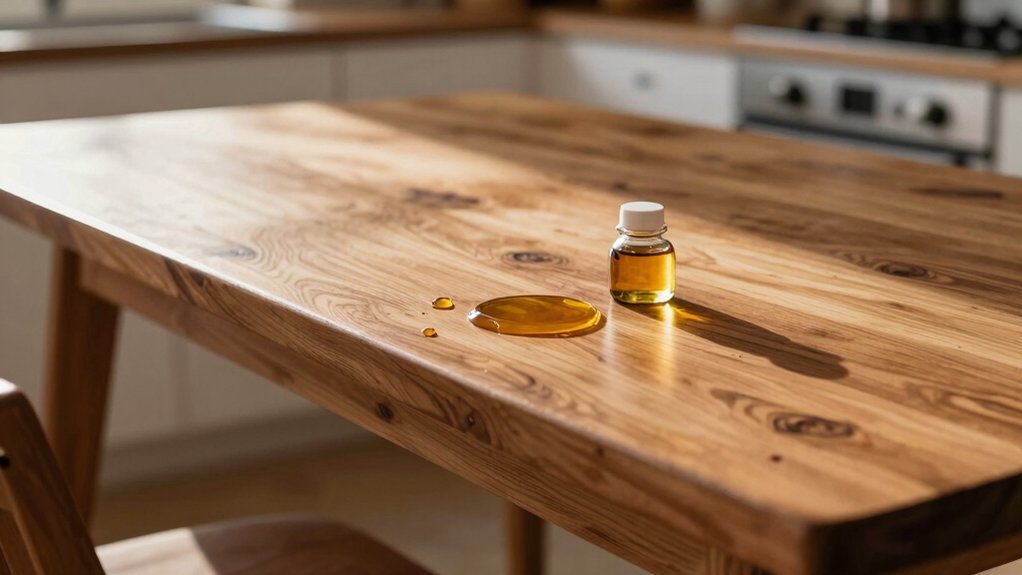
Your finish choice shapes how you interact with your kitchen every day: it influences durability, ease of cleaning, and how you perceive the space. You’ll assess your dining style to pick a surface that suits you, not just looks.
Consider how often you host, spill frequency, and utensil use, then translate that into wear resistance and maintenance needs. If you favor quick cleanup, a smoother, non-porous finish helps prevent staining and odors.
For busy routines, choose a finish that resists water rings and heat marks, reducing touch-up time. Think about cleaning routines you’ll actually follow: wipe-and-go vs. detailed polishing.
A practical finish aligns with your habits, minimizes effort, and keeps the table feeling consistent with the rest of your kitchen’s workflow.
Polyurethane: The Durable Workhorse for Busy Kitchens
Polyurethane stands out as the durable workhorse for busy kitchens, delivering lasting protection without slowing you down. You’ll appreciate its hard, scratch-resistant surface that resists spills, heat, and daily wear.
Choose between oil- or water-based formulas, noting water-based dries faster and stays clearer over time. Apply thin coats with a clean, lint-free pad, then lightly sand between coats for a smooth finish.
In busy spaces, cure time matters, so plan around a window of non-use to avoid dust embedment.
For countertop customization, polyurethane accepts light inked designs or stencils beneath a clear layer, preserving your look.
Eco-friendly options exist, including water-based formulas with low VOCs.
Maintainability is straightforward: wipe with mild cleaner and recoat when gloss fades or scratches appear.
Oil, Wax, and Natural Finishes: Warmth and Patina in Everyday Use
Oil, wax, and natural finishes bring a warmer, more tactile feel to everyday use, offering a different kind of patina than polyurethane. You’ll notice smoother hand contact and a subtle, evolving glow as exposure and handling shape the surface.
Apply with a clean cloth, taking care to remove furniture dust first; a thin layer resists fingerprints and dries evenly. For wax, buff lightly after cure to boost sheen without creating slick spots.
Natural oils penetrate wood fibers, promoting a gentle depth that enhances grain without obscuring it. Over time, wood aging contributes to a rich, tactile patina, while aesthetic enhancement comes from controlled reapplication sessions.
Recoat as needed, but avoid heavy buildup that hides grain or adds uneven gloss.
Epoxy and Lacquer: High-Gloss Protection and Smooth Surfaces
Epoxy and lacquer create a hard, glassy film that resists wear and wipes cleanly, delivering a level of gloss and surface smoothness you can feel with every touch. You’ll get a durable topcoat that boosts scratch resistance and makes spills easier to wipe away.
Choose epoxy for ultra-thick, rock-hard protection or lacquer for a lighter, UV-stable gloss with quicker cure times. Both provide a seamless, mirror-like finish that highlights grain and detail without pores catching.
Consider color options to tailor the look from crystal-clear to tinted, depending on your table’s style. Eco-friendly finishes are available in some formulations, supporting lower VOCs and reduced odor.
Weigh maintenance needs, curing time, and your room’s lighting to pick the right option.
Maintenance, Reapplication, and Protective Tips for Longevity
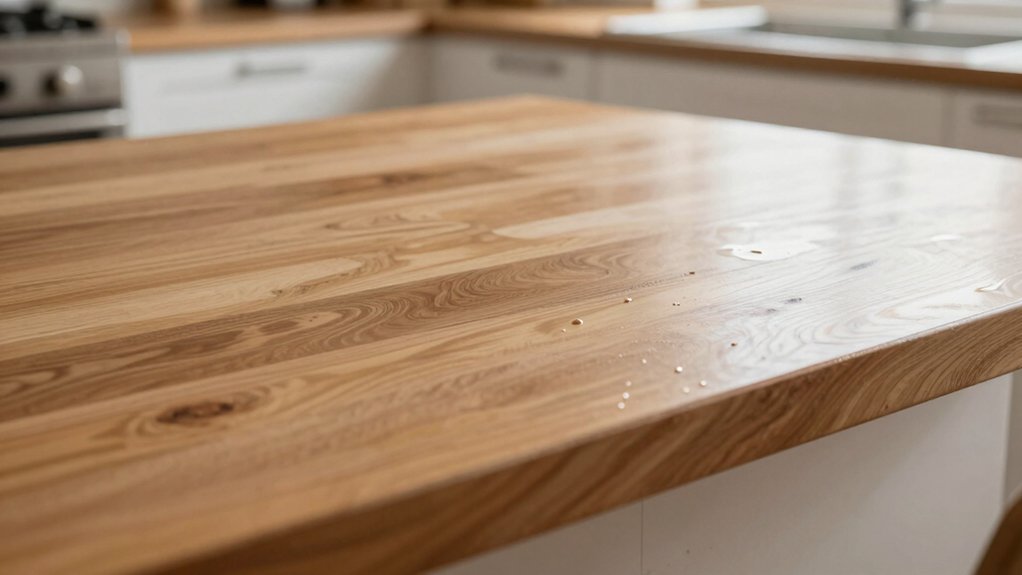
To keep your finish looking pristine, establish a simple, routine care plan that targets how the surface wears and how you treat daily spills.
Start with daily cleaning routines using a soft, damp cloth and a mild detergent; avoid harsh solvents that can dull sheen. Wipe spills immediately to prevent staining, and use coasters, placemats, or felt pads to reduce abrasion.
Periodically reseal the surface if your finish is porous or if you notice micro-scratches; follow refinishing techniques recommended by the product maker, and test a small area first.
Dust with a microfiber cloth to avoid additive scratching. When reapplying, sand lightly, clean thoroughly, and apply thin, even coats.
Store finishes upright, away from heat, and document maintenance intervals for consistent longevity.