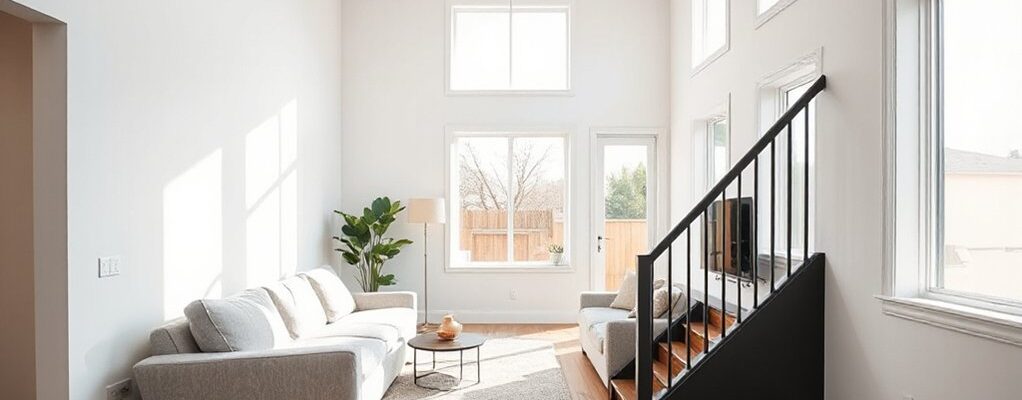
Think of your warranty like a shield you can keep intact while you personalize—carefully. You’ll want reversible, non-invasive tweaks that respect builder rules and manufacturer limits, from removable decals to approved color palettes and soft textiles. Plan with a clear approval path, document everything, and choose upgrades that don’t affect structure or critical systems. Stay practical, concise, and aligned with guidelines, so your touches enhance the home without triggering exemptions. The next steps could protect both value and peace of mind.
Identify Warranty-Safe Personalization Goals
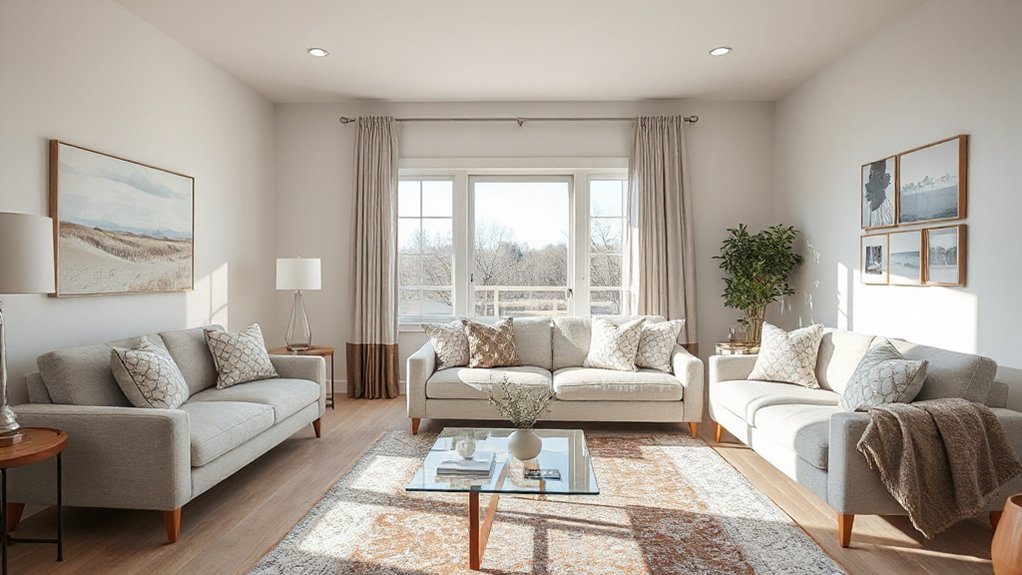
You should start by identifying personalization goals that won’t void the warranty. Begin with practical, noninvasive ideas you can implement without altering essential systems.
Focus on cosmetic choices that leave structural and mechanical components untouched. Consider Custom paint within approved color palettes and limited, reversible finishes that won’t affect moisture barriers or warranties on walls.
Wall decals offer a reversible visual upgrade that doesn’t require patching or drilling into critical framework. Map goals to product labels, installation methods, and removal procedures that preserve surfaces and resale value.
Prioritize options that are easily reversible and documented, so you can prove compliance if questioned. Document supplier warranties, installation steps, and return policies for a clear trail, helping you stay within warranty terms while personalizing your space.
Prioritize Reversible, Non-Invasive Tweaks
When prioritizing reversible, non-invasive tweaks, start with options that can be removed or undone without damaging walls, floors, or fixtures. You’ll preserve the warranty while tailoring the space. Focus on temporary accents rather than structural changes.
Consider Custom paint as a reversible upgrade: choose washable, low-odor finishes and color palettes you can repaint later. It can transform rooms without fixtures or plaster work.
Decorative wallpaper offers a similar approach when applied with removable methods, such as temporary adhesive or peel-and-stick options, reducing risk of surface damage.
Avoid drilling holes or altering electrical layouts unless you’re certain it’s permitted. Document each change and keep receipts and instructions.
Prioritize solutions that can be reversed, reimagined, or swapped out as your needs evolve.
Check Builder and Manufacturer Guidelines for Upgrades
Start by checking the builder’s upgrade guidelines to see what’s allowed and what isn’t. Note any manufacturer specification limits that could affect materials, finishes, or tech you plan to add.
Also consider how these choices might impact your warranty and plan edits accordingly.
Builder Upgrade Guidelines
To navigate builder upgrade guidelines, start by checking both the builder’s and the manufacturer’s specifications for any upgrade you’re considering. You’ll find permitted product options, tolerances, and warranty implications documented in the contract addenda and the project manual.
Prioritize upgrades that align with standard systems to minimize risk and maintain coverage. For interior changes, verify compatibility with existing wiring, circuits, and load requirements to avoid overtaxing panels.
When planning exterior choices, consider impact on insulation, flashing, and drainage; select options that don’t compromise water management or structural integrity.
Record approval paths, lead times, and installation responsibilities to avoid delays. Budget for installation timing and subcontractor access.
Notable priorities include interior lighting and outdoor landscaping, ensuring they meet spec limits without voiding warranties.
Manufacturer Specification Limits
Manufacturer and builder guidelines set the boundaries for upgrades, so you’ll want to verify both sources before committing.
Manufacturer specification limits define what you can alter, from fixtures to core systems, and they can vary by model, lot, or approved alternatives. You’ll encounter strict tolerances, material grades, and performance specs that affect safety, efficiency, and code compliance.
When a change exceeds the manufacturer’s limits, you risk warranty exclusions and failed inspections, even if the modification seems minor.
Before choosing a customization, cross-check lists of permitted options and required approvals. Document requests and responses, and keep final plans aligned with measured capacities.
Stick to within specification limits to preserve warranty protections while achieving a personalized look and feel without compromising reliability or future service.
Warranty Impact Considerations
Warranty decisions hinge on staying within both builder and manufacturer guidelines, because deviations can void coverage and complicate future service. When you consider upgrades, check what the warranty specifically excludes. Some modifications may trigger warranty exclusions even if they seem minor, so map each intended change to the warranty and your insurer’s terms.
Document approvals, required products, and installation methods before purchases. If a product isn’t rated for your climate or system, you risk preemptive failures that aren’t covered. Keep records of all tradespeople, materials, and dates; missteps can complicate claims later.
Remember: warranty coverage may depend on maintaining proper maintenance schedules and using approved installers. If you’re unsure, ask for written guidance from the builder and your insurer to protect insurance coverage.
Elevate Spaces With Smart Styling and Textile Accents
Even when you’re working with a new-build, smart styling and textile accents can transform a space fast: choose fabrics and finishes that reflect your lifestyle, then layer texture, color, and scale to create cohesion.
You’ll boost impact without overhauling basics by selecting durable, easy-care materials and pairing them with thoughtful patterns. Introduce artistic murals as a focal point in neutral rooms to add personality without clashing with built-in finishes.
Use textiles to control mood—layer throws, cushions, and drapery in varying weights and tints to soften edges and improve acoustics.
Integrate custom lighting to highlight textures and art while supporting daily tasks. Keep hardware subtle and fixtures non-intrusive, so the space feels polished, purposeful, and truly yours.
Use Removable Hardware and Non-Permanent Fixtures
Could you simplify changes without committing long-term? Use removable hardware and non-permanent fixtures to personalise without voiding warranty rules.
Choose wall-mounted decor that’s easily swapped, like picture ledges or lightweight frames, so you can refresh styles seasonally.
Opt for temporary lighting fixtures, such as plug-in sconces or clip-on lamps, that don’t require wiring changes or ceiling alterations.
When selecting hardware, favor non-permanent finishes (adhesive-backed options or magnetic strips) over drilled mounts.
Test weight limits and surface compatibility on a discreet area before committing.
Maintain a consistent color/storyline across rooms to avoid frequent tweaks.
Document removals and replacements for warranty records, and keep original components handy.
This approach preserves resale value while delivering flexible, tasteful updates.
Add Smart-Home Features Without Voiding Warranties
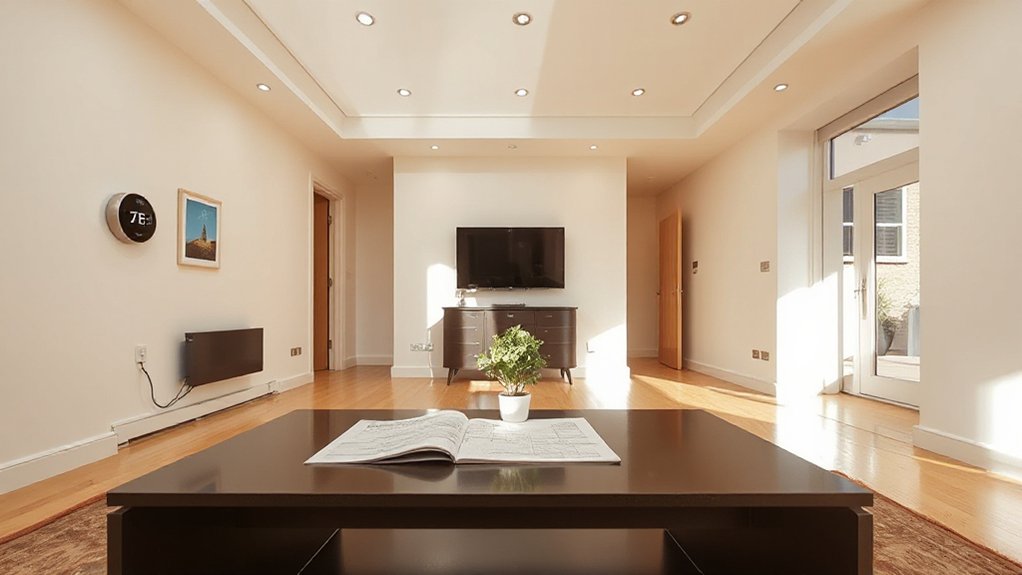
Smart-home upgrades can boost comfort and efficiency without voiding warranties if you plan carefully. You can add devices that don’t modify structural components or electrical systems the builder installed.
Choose wireless sensors, hubs, and plugs that rely on existing wiring rather than splicing or removing fixtures. Prioritize products with clear compatibility and documented warranties to avoid misinterpretation.
Opt for energy-saving features, like smart thermostats and lighting controls, that integrate with your system without altering original equipment. Guarantee installation is noninvasive and reversible, so you can remove them if needed.
Focus on energy efficiency and aesthetic enhancements that stay within warranty terms, avoiding DIY changes to restricted areas. Document purchases and receipts for future service or resale clarity.
Plan With a Documentation and Approval Checklist
To plan effectively, start with a clear documentation and approval checklist that covers every step from design intent to final sign-off. List approved materials, finishes, and fixtures, including Custom paint and Decorative lighting, with model numbers, supplier contacts, and warranty notes.
Create role-based approvals—design, construction, and warranty liaison—and assign deadlines to prevent delays.
Include change-order procedures, cost tracking, and revision logs so you stay compliant and transparent.
Attach renderings, product datasheets, and compliance certificates to each item for quick reference.
Maintain version control and a central repository accessible to all stakeholders.
Schedule milestone reviews aligned with inspections, ensuring approvals precede installation.
Keep communications concise, update promptly, and document any deviations to protect warranty eligibility while personalising your space efficiently.
Protect Resale Value Through Color, Texture, and Layout Choices
Color choices, textures, and layout decisions aren’t just personal flair—they’re powerful tools to protect resale value. You want a cohesive palette that appeals to broad tastes, so choose Color harmony across walls, cabinets, and flooring. Neutral bases with subtle accents keep rooms adaptable for future buyers.
Texture contrast adds interest without overpowering a space; pair matte walls with a satin-finish surface or mix soft textiles with smooth surfaces to create depth.
Layout decisions should prioritize flow and practicality: entryways that welcome guests, kitchens that feel spacious, and bathrooms with timeless fixtures. Avoid polarizing trends and ornate features that may deter resale.
Document changes for warranties, and preserve key architectural lines. Practical finishes, thoughtfully chosen, sustain value while keeping your home livable today.
Communicate Effectively With Builders for Smooth Approvals
Effective communication with builders speeds approvals and prevents back-and-forth delays. You should outline your changes clearly in writing, referencing the contract, warranty rules, and approvals process.
Keep requests specific: materials, finishes, dimensions, and installation timelines. Use a single point of contact to avoid mixed messages and document all decisions.
When discussing Outdoor landscaping, show how it aligns with structural or drainage constraints and whether it affects warranties.
Emphasize energy efficiency goals with measurable specs, like U-values, insulation types, and venting details. Ask for written responses and timelines, then confirm verbally followed by a written summary.
Schedule brief check-ins at key milestones to verify progress, address RFIs quickly, and preserve momentum toward final approvals and a smooth build.
Frequently Asked Questions
Can I Customize Paint Colors Without Warranty Issues?
Yes, you can; you’ll want to choose custom paint colors outside critical components and follow the builder’s guidelines. Check warranty restrictions, select approved brands, use non-invasive applications, and document changes to protect coverage and guarantee compliance.
Do Removable Fixtures Affect Warranty Terms?
Removable fixtures can affect warranty terms, so check the builder’s policy first. You’ll want to preserve original fittings, document removals, and keep receipts; otherwise, you risk voiding warranty implications if damage occurs during removal or reattachment.
Are Third-Party Smart Devices Allowed in New Builds?
Yes, third‑party integrations are often allowed, but check smart device restrictions in your contract. You’ll likely need approved devices, follow installation guidelines, and avoid modifying core systems; otherwise, warranty coverage could be affected.
How to Document Changes for Future Warranty Claims?
To document changes for future warranty claims, keep detailed records and photos, date everything, and store receipts. Follow decorating policies, note modifications, and review warranty exclusions to avoid pitfalls and support your claim if needed.
Will Window Treatments Impact Warranty Coverage?
Window treatments don’t alter structural warranty, yet custom window treatments can affect coverage if installed improperly. You’ll protect Warranty coverage by using approved methods, documenting installation, and choosing compliant products that don’t void builder guarantees.
Conclusion
You’ll stay savvy, safe, and stylish by sticking to sturdy, reversible tweaks. Start smart, seeking approvals, documenting decisions, and avoiding irreversible changes. Choose removable decals, paint within palettes, and soft textiles, and keep smart upgrades compliant. Coordinate clear communication, confirm manufacturer guidelines, and maintain meticulous records. Practice practical, problem-free planning, preserve warranty protection, and protect resale value. Plan, Permissions, and Precise Papers propel personal touches without risking warranties—a well-woven path to wonderful, worry-free upgrades.