
Home refurbishment while you live there will cost more than you expect, especially from hidden dust and disruption. You’ll face downtime as schedules slip, materials shift, and cleanup adds time and money. Dust travels through every room, so set containment, barrier zones, and HEPA cleaning routines. Protect sleep with quiet hours and predictable routines, and plan for extra storage, disposal fees, and access charges. Stay flexible, document changes, and you’ll limit rework—you’ll see how much more there is to learn.
Hidden Downtime Costs: Scheduling, Delays, and Productivity Loss

Hidden downtime costs sneak in as soon as you start a project, because scheduling and delays ripple through every room you’re living in. You’ll notice it in how you pace chores, fatigue after long workdays, and the frustration of conflicting contractor calendars.
Plan with buffer, not bravado; small shifts cascade into bigger setbacks. Track milestones, confirm access windows, and document decisions to avoid rework. Expect supplier delays, missed deliveries, and weather hiccups to push timelines outward.
Communicate boundaries clearly, so you’re not firefighting in real time. If you’re juggling work, family, and renovations, build a transparent schedule that weighs productivity against disruption. Maintain realistic goals, prioritize critical tasks, and re-evaluate daily.
The Dust Dilemma: Cleanliness, Containment, and Health Impacts
Dust exposure risks aren’t optional concerns—they affect your health and daily comfort, especially when dust travels between rooms. Containment strategies matter: even small gaps can let particles spread, so you’ll want practical barriers, negative-pressure workflows, and selective zoning.
Cleaning efficacy matters too, because thorough, repeated cleanup reduces lingering dust and protects air quality for you and your family.
Dust Exposure Risks
Dust exposure is a real concern during home renovations, so you should plan to minimize it from the start. You’ll encounter dust from grinding, sanding, and demolition, which can irritate eyes, airways, and skin.
Prioritize minimizing spread by sealing off work zones with barriers and doors, and using negative pressure where possible. Wear well-fitted respirators or P100 masks, eye protection, and long sleeves to reduce skin contact.
Keep doors closed, and ventilate with clean air pulls, not fans that pull dust into living areas. Clean as you go with a vacuum equipped with a HEPA filter, then damp-wipe surfaces to capture fine particles.
Schedule major dusty tasks when household members are least exposed, and promptly address spills to prevent re-suspension. Monitor for irritation and adjust precautions accordingly.
Containment Effectiveness
Containment effectiveness hinges on how well you keep dust contained as you work. You’ll set up barriers, seal gaps, and choose temporary containment features that suit the room.
Use plastic sheeting, doorways, and negative pressure where feasible, but don’t overcomplicate the setup if it trips you up mid-project. Observe contractors’ practices, and verify that air returns aren’t pulling dust into untouched spaces.
Protect HVAC with filters and seal-off common routes, then monitor progress to prevent solution creep. If dust escapes, pause to adjust barriers and address the source before resuming.
Keep tools organized, wipe surfaces frequently, and minimize high-dust tasks near occupied areas. Remember, steady, deliberate steps reduce surprises and help you finish with less disruption and safer air.
Cleaning Efficacy Impacts
Cleaning efficacy directly shapes how safe your air stays once you’ve started a project. You’ll want cleanup to be consistent, not spotty, so dust doesn’t linger or resettle.
Focus on mechanical containment first, then thorough cleaning of high-traffic rooms and air returns. Use HEPA-filter vacuums and damp-wipe surfaces to reduce dust during handoffs between tasks.
Don’t assume brief passes are enough; repeating targeted cleans prevents contamination from migrating to living areas. Pay attention to tools and gaps: seal doors, cover vents, and use negative pressure when possible.
Schedule interim cleans after major phases, not only at the end. Document what you’ve cleared and where, so you can track progress and health impacts, and adjust methods if you see lingering particles or irritation.
Noise Nuisance: Coping With Daily Disturbances and Sleep Disruption
You’ll notice how Noise Levels Daily vary with tasks and schedules, so you can plan quieter periods around peak work times.
Sleep Impact Factors help you identify which noises matter most and when, guiding you to adjust routines or protections accordingly.
Disruption Coping Tactics let you set practical steps now—earplugs, white noise, and calm-down rituals—to protect rest without slowing progress.
Noise Levels Daily
If daily noise disrupts sleep, identify the most frequent sources and when they occur, so you can target practical fixes first. You’ll likely notice hammering, grinding, and drilling during working hours, plus intermittent banging or sawing in the afternoons. Delivery noise can spike early, and cleaners may run vacuums during mid-morning or late afternoon. Track patterns for a week to confirm primaries.
Then prioritize remedies you can apply now: communicate schedules with contractors, request quieter tools or reduced RPM modes, and use white noise or soft music to mask peaks. Build a simple cadence: daytime mitigation, evening quiet zones, and weekend tolerance limits.
Maintain realistic expectations, document disturbances, and adjust plans if noise windows shift. Safety, legality, and neighbor courtesy matter as you proceed.
Sleep Impact Factors
When noise intrudes, sleep quality hinges on both the frequency of disturbances and your body’s ability to recover between them. Small, consistent irritants can add up even if each event is brief. You’ll notice that repeated thuds, voices, or equipment hums affect how quickly you fall back asleep and how deeply you rest.
Prioritize a predictable nightly routine that minimizes exposure during the second half of the night, and consider earplugs or white-noise options if you’re unsettled by sporadic sounds. Keep a schedule that reserves quiet periods for winding down, avoiding screens and caffeine close to bedtime.
Where possible, shield sleeping spaces with doors, rugs, and curtains to dampen impact. Track patterns to identify low-disruption windows for essential tasks.
Disruption Coping Tactics
Noise nuisance is a daily reality in a home while you’re living there, and you can reduce its impact with practical, calm actions. Start with a simple schedule for noisy tasks and share it with anyone affected. Use white noise or earplugs for sleep windows, and keep lights dimmed during late activities to minimize disruption.
Communicate expectations honestly, and set quiet hours that balance progress with rest. Buffer spaces between work and living areas, sealing gaps to cut drafts and sound leakage. Prioritize tasks by impact: heavy banging is more disruptive than light scraping, so plan accordingly.
Take short breaks away from the site to reset, and practice breathing or mindfulness to stay centered. Consistent routines preserve sleep and reduce stress.
Space Reallocation: Redesigning Your Living Areas During Work
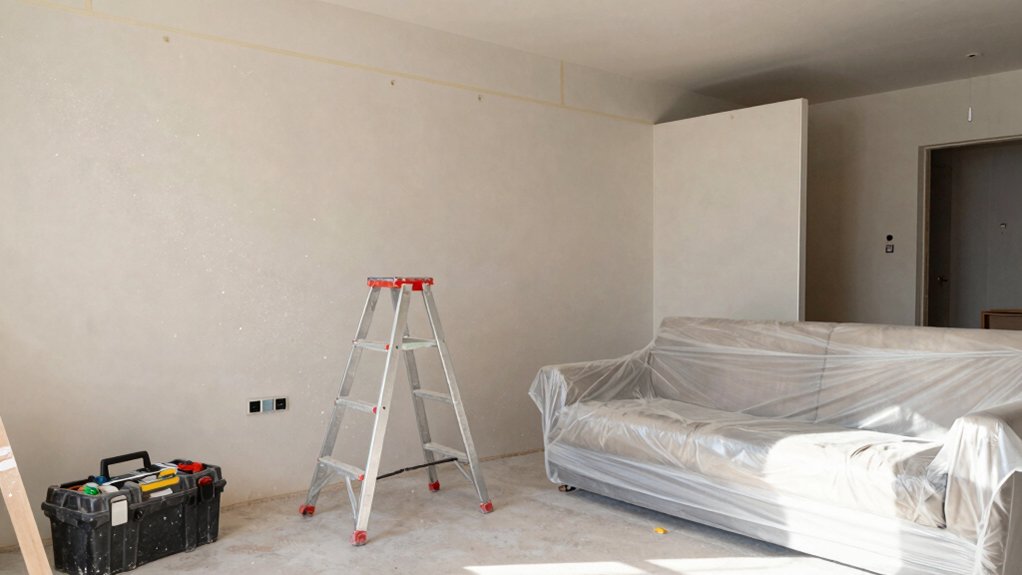
During a renovation you don’t have to stop living in place; instead, reallocate space thoughtfully to minimize disruption. You’ll benefit from clear zones: a primary living area, a temporary workstation, and a cleanup corridor to reduce cross-traffic.
Prioritize essential functions first—cooking, sleeping, and a quiet workspace—while safeguarding circulation paths. Use portable screens or curtains to carve rooms without full walls, preserving light and ventilation. Move rarely used furniture to higher-traffic edges, freeing floor space for daily tasks.
Label containers and store tool kits out of sight to maintain a calm atmosphere. Schedule noisy activities for daytime and keep a simple, organized layout so you can navigate easily. Reassess weekly, trimming clutter and rerouting routes as walls shift.
Stay flexible, patient, and safety-conscious throughout.
Budget Bleed: Unexpected Materials, Disposal, and Access Fees
Unexpected costs can quietly derail a renovation if you don’t plan for them, so start by budgeting for materials, disposal, and access fees you mightn’t foresee. You’ll want a contingency line—not a guess, but a defensible cushion—calculated as a percentage of the project’s material sum.
Track disposal charges for debris, packaging, and hazardous waste, and verify who handles what, where it goes, and any permit-related fees. Access fees can appear with scaffold setups, restricted entry windows, or temporary storage.
Get quotes in writing from suppliers, waste haulers, and rental platforms, and confirm inclusions and surcharges. Build in time buffers for price changes and delivery delays.
Regularly review invoices against your baseline, adjusting your budget as realities shift without losing momentum. Stay disciplined, precise, and proactive.
Rituals and Routines: Maintaining Workability for Cooking, Work, and Rest
When you’re living in a renovation, practical rituals keep daily life functional: you set predictable routines for cooking, working, and resting that minimize disruption and protect progress.
You’ll keep a compact, organized kitchen area and a clear workflow for meals, with prepped ingredients and a dedicated cleanup zone.
Allocate precise work hours, and guard them as you’d a meeting, to limit spillover into rest time.
Use portable setups for hot beverages, laptop, and chargers, so you aren’t chasing essentials between rooms.
Establish a minimal noise window, and rotate tasks to reduce fatigue.
Document changes and adjust routines after each workday, staying flexible yet consistent.
Communicate expectations with housemates or family, reinforcing boundaries and shared responsibilities.
Safeguards for Critical Tasks: Power, Water, and Safety Considerations
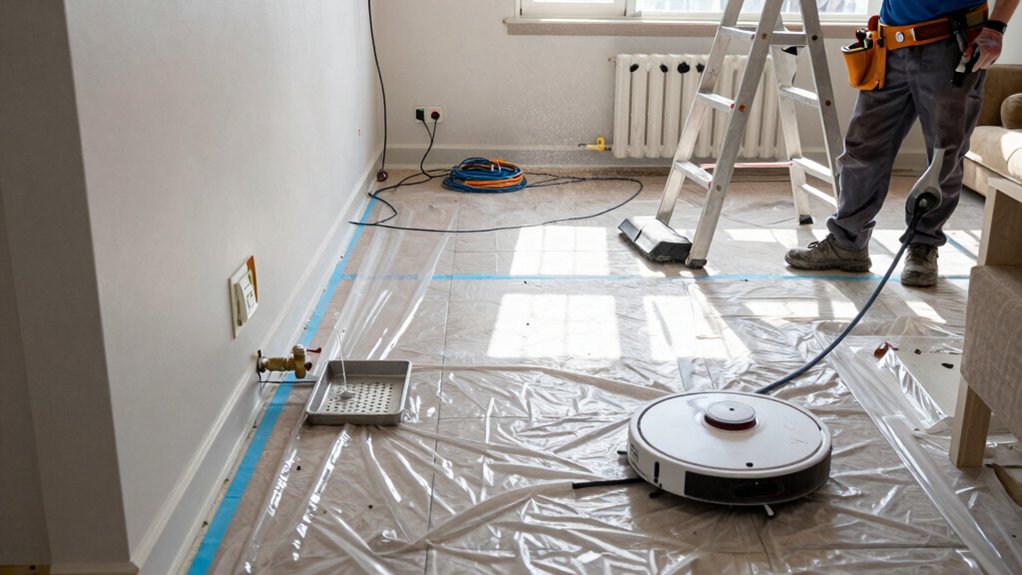
Safeguarding power, water, and safety during a reno you’re living through isn’t optional—it’s essential. Start by isolating work zones with clear barriers and visible signage, so you stay out of danger and crews stay organized.
For power, use a dedicated circuit, install an approved temporary outlet strip, and keep cords off walkways to prevent trips. Never overload breakers; test GFCI outlets in kitchens and bathrooms before use.
Water safety means turn off main supply if leaks appear, and store hoses and tools above flood levels. Keep extinguishers accessible and know where shutoffs are located.
Schedule tasks by priority, allow for pauses, and communicate changes promptly. Rely on trained professionals for complex jobs, and document responses to any incidents.
Conclusion
You’ll feel the pinch, but you can steer through it. Plan around downtime, expect delays, and keep a clean, contained work zone to cut dust and hazards. Track costs and reuse materials to avoid budget bleed. Remember that noise, glare, and space shifts aren’t just annoyances—they affect focus and sleep. A striking stat: homeowners typically spend 10–20% more on renovations due to disruption. Stay proactive, communicate daily, and safeguard routines for cooking, work, and rest.