
You’ll notice new builds often come with modern layouts and warranties, but they can carry higher upfront costs and longer timelines. Resales may save you money and move-in faster, yet you’ll likely face renovations and older systems. Market conditions, lot options, and long-term maintenance all matter. Consider what fits your budget and goals before you decide, because the right choice hinges on how you balance upfront costs, future savings, and your tolerance for trade-offs.
Upfront Costs: New Construction vs. Resale
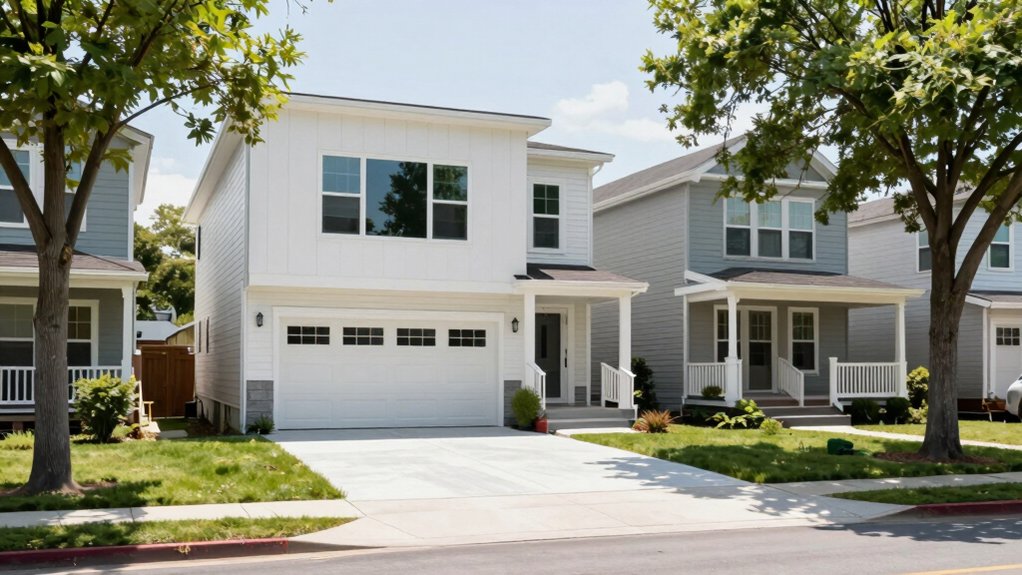
Upfront costs differ markedly between new construction and resale homes. You’ll typically face higher sticker prices for new builds, supported by construction quality, energy efficiency, and modern layouts.
Resale prices, on the other hand, reflect depreciation and negotiation leverage from existing inventory. In cash-flow terms, closing costs often skew higher for new homes due to builder-required premiums, lot premiums, and Homeowners Association (HOA) initiation fees in some communities.
Financing isn’t uniform: some lenders offer favorable terms for new construction, but you may encounter longer processing times and draw schedules.
Compare landscaping costs, both initial and ongoing, and assess how neighborhood amenities influence price and resale value.
Customization and Personalization Options
Customization and personalization options are a key differentiator between new construction and resale homes, shaping both immediate costs and long-term value. You’ll encounter distinct paths: new builds often offer curated upgrades and standardized packages, while resale properties rely on existing layouts and finishes.
In data terms, interior finishes vary widely by market and builder, influencing sticker price and future depreciation risk. Design flexibility within new construction tends to be higher, enabling you to select flooring, cabinetry, and fixtures before completion, potentially reducing costly post-sale renovations.
However, customization can raise upfront costs and extend commitment to a single design language. Resales with limited options may incur higher project costs later but offer immediate clarity. Weigh current preferences against total ownership costs and anticipated resale appeal.
Build Time and Scheduling Considerations
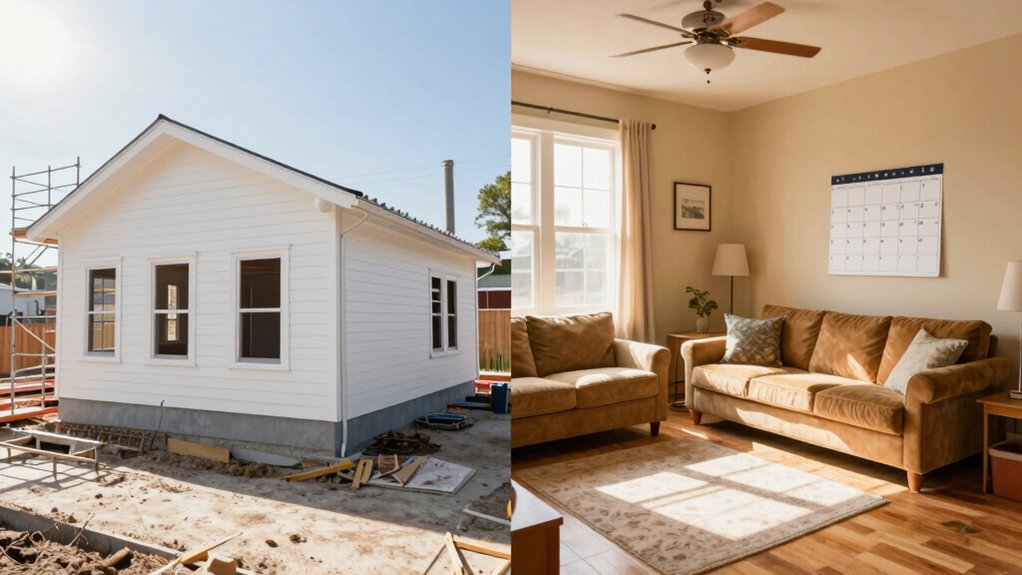
When you’re weighing build time and scheduling, timing can influence total cost and opportunity—especially as delays push carrying costs and can shift market conditions. In new builds, anticipate a target timeline from contract to delivery and compare it with resale timelines.
Construction phases—permits, framing, inspections, and finishes—carry varying risk of delay, often tied to weather, labor availability, or supply chain hiccups. Evaluate builder timelines, dispute resolution processes, and accelerations as options to regain momentum.
Consider move-in readiness milestones—substantial completion, punch list clearance, and utility coordination—to gauge practical readiness versus promised dates.
Build schedules affect financing, insurance, and opportunity costs, so demand transparent, data-driven updates and contingency plans. Stay aware of construction delays and leverage risk buffers to align expectations with market conditions.
Location and Lot Selection
When you weigh Lot Size Considerations, you’ll analyze how parcel square footage and buildable area affect future value, privacy, and outdoor habitability.
Neighborhood Zoning Impacts come into play by clarifying setbacks, uses, and potential density shifts that could influence long-term resale and approvals.
This discussion sets a data-driven baseline to compare trade-offs between larger lots, common areas, and zoning constraints across markets.
Lot Size Considerations
Lot size affects both price and utility: as lot area increases, so do upfront costs, maintenance needs, and potential for resale value. Smaller lots often yield lower taxes and easier upkeep.
You should assess land efficiency, drainage, and access to utilities, then compare per-unit costs across options.
Larger lots boost privacy and landscaping flexibility, yet demand higher insurance, property taxes, and long-term maintenance.
Smaller parcels can limit expansion plans but often come with lower ongoing fees and easier mowing or snow clearing.
Zoning restrictions may cap lot use, setbacks, and building envelope, influencing design feasibility and resale appeal.
Use market data on lot premium trends, unit density, and lifecycle costs to inform choice, ensuring your decision aligns with long-term financial goals and risk tolerance.
Neighborhood Zoning Impacts
Neighborhood zoning shapes both where you can build and how you’ll use a lot. Zoning restrictions determine minimum setbacks, lot coverage, and permissible uses, directly affecting lot size practicality and home footprint.
In markets with strict ordinances, you may face height limits, driveway constraints, and required open space that reduce buildable area or alter design choices. Neighborhood restrictions, including overlays and architectural guidelines, influence exterior materials, color palettes, and rooflines, impacting resale appeal and maintenance costs.
Data shows variability by municipality and district, with some areas permitting mixed-use or future reconfiguration, while others maintain rigid buffers between residential and commercial uses. Budget for permit timelines, impact fees, and potential variances.
Understanding these factors helps you compare new builds and resale options against long-term neighborhood expectations.
Maintenance, Warranties, and Long-Term Costs
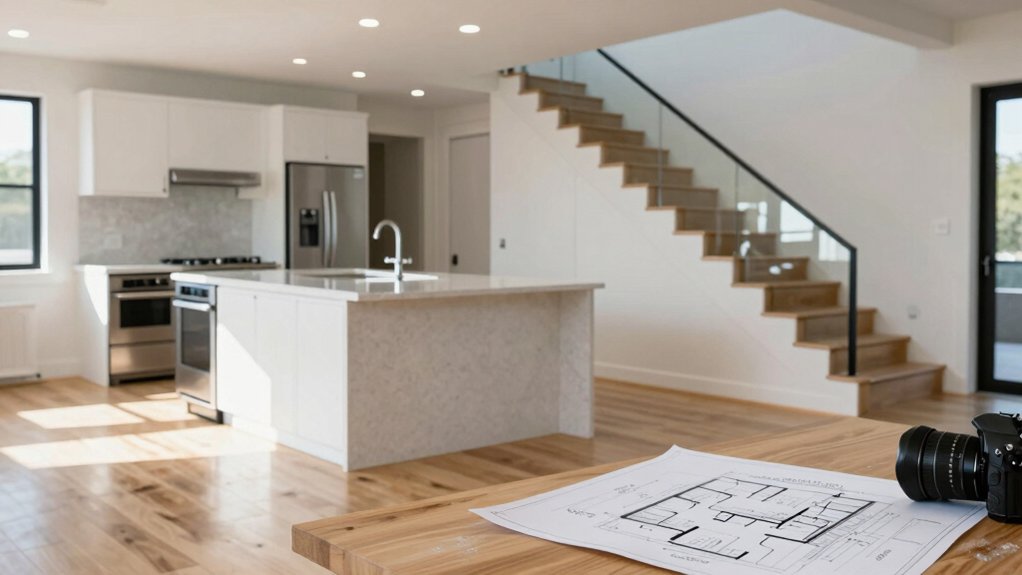
Homeownership entails ongoing costs beyond a purchase price, so you’ll want a clear view of maintenance, warranties, and long-term expenses from the start.
In choosing between new construction and resale, anticipate typical maintenance costs by age of home and climate. New builds often include builder warranties covering structural and system defects for specified periods, but coverage varies by region and product line.
For resale homes, expect older components to require sooner replacements, and verify any existing warranties on major appliances or systems.
Compare long-term ownership costs using a standardized estimate that includes annual maintenance, potential repairs, insurance increases, and property tax trends.
Consider whether home warranties add value when you plan to self-manage repairs or rely on hired pros, and factor in deductible impacts.
Data-guided planning supports informed decisions.
Energy Efficiency and Modern Amenities
Energy efficiency and modern amenities drive ongoing comfort and operating costs. In new construction, you’ll often see higher initial insulation R-values, advanced HVAC zoning, and tighter envelopes, which commonly translate to steadier indoor temperatures and lower monthly bills.
Market data shows a growing premium on homes with verified energy performance and smart systems, though the incremental upfront cost varies by geography and builder package.
When evaluating resale options, you should compare energy audits, insulation upgrades, and appliance efficiency—these factors can narrow the gap with new builds. Look for ENERGY STAR-rated components, efficient heat pumps, and LED lighting plans as baseline indicators.
Smart appliances contribute to energy savings and real-time monitoring, but ensure you’re assessing long-term maintenance and compatibility with existing networks.
Builder Incentives and Financing Perks
Builder incentives and financing perks can meaningfully impact your total cost and timelines, so it’s worth comparing what builders offer versus standard market terms.
We’ll look at common incentive basics and financing perk details to assess value, cost, and eligibility across communities.
This data-driven view helps you gauge which programs align with your budget and purchase strategy.
Builder Incentive Basics
When you’re evaluating new construction options, builder incentives and financing perks can substantially affect your total purchasing cost and mortgage terms. Builder incentive basics include upfront credits, rate buydowns, and closing-cost contributions that reduce initial outlay or improve long‑term payments.
These perks vary by market, builder volume, and home type, so compare offers side by side rather than chasing the largest dollar figure. Pay attention to how incentives interact with list price, lot premiums, and optional features, ensuring the net effect is favorable.
Track the builder’s reputation, warranty coverage, and post‑close service commitments, since these factors influence ongoing costs. Also assess the construction timeline, since longer schedules may shift incentives and delivery dates.
Use objective data to gauge whether incentives genuinely lessen total housing cost over the first five to seven years.
Financing Perk Details
Financing perks from builders can meaningfully lower upfront costs and influence long-term payments, but you’ll want to assess them with a data-driven lens.
You’ll compare interest rates, lender fees, points, and any required builder-backed financing versus market options.
Look for customization options tied to financing, such as rate locks, temporary buy-downs, or credits that apply to closing costs, and quantify their value against standard market terms.
Track the total cost of ownership over the typical horizon for a new build versus resale, including tax benefits, depreciation, and maintenance assumptions.
Consider eligibility criteria, timelines, and potential impact on liquidity.
Financing perks vary by market and project, so document a side-by-side scenario analysis to determine real net savings and opportunity costs.
Resale Value and Market Trends
Resale value and market trends hinge on a mix of location, condition, and broader housing cycles. You’ll find that location typically drives demand durability, while property condition shifts buyer willingness to pay a premium or accept a discount.
In today’s data, you should watch how GDP growth, interest rates, and inventory levels shape the resale market over time. Historical appreciation varies by metro, neighborhood, and school zones, so compare comparable sales rather than national averages.
Expect cycles to tighten when supply is limited and loosen with higher new construction activity or slower demand. Price momentum tends to correlate with days on market and absorption rate rather than headline headlines.
Use trends to assess risk and time your entry or exit within the resale market.
Making the Decision: Budget, Goals, and Priorities
Balancing budget, goals, and priorities starts with a clear, data-driven assessment of what you can afford and what you want to achieve. You’ll compare total costs, including upfront purchases, ongoing maintenance, and financing, against your income trajectory and savings plan.
Define nonnegotiables (number of bedrooms, location, school catchment) and nice-to-haves (flex rooms, future expansions). Translate goals into measurable criteria—return on investment, time horizon, and risk tolerance.
Evaluate interior design options early to understand customization costs and potential value add, then pair them with practical landscaping options that align with climate, upkeep, and resale appeal.
Use market data to test assumptions, run scenarios, and set a decision deadline. Maintain flexibility, documenting trade-offs and prioritizing decisions that support long-term financial health and lifestyle fit.