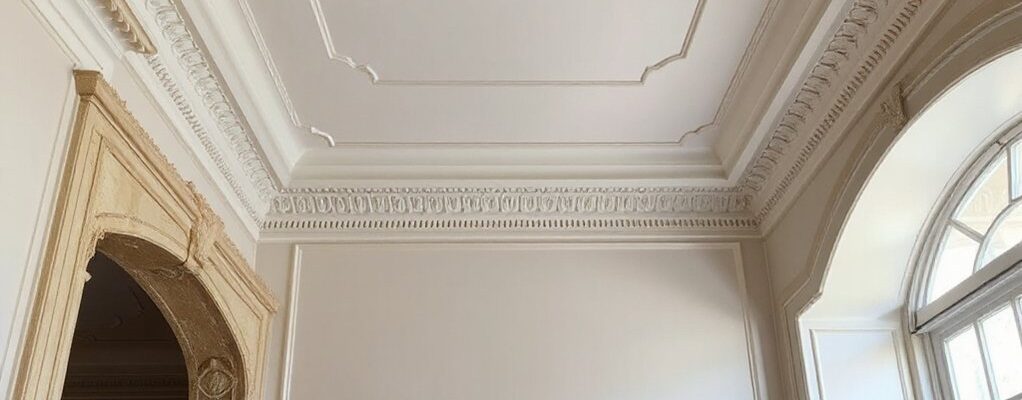
A single stroke can imply a whole history you didn’t build. You’ll weigh how paint can imitate stone, wood, or mouldings without compromising heritage values, yet the trade-offs—durability, reversibility, and regulatory compliance—won’t reveal themselves at first glance. You’ll look for evidence of tectonic truth in texture, finish, and detailing, while balancing budget, timelines, and conservation ethics. The question then becomes: can illusion serve authenticity, or does it erode it?
What Faux Features Are and Why They Appear in UK Projects
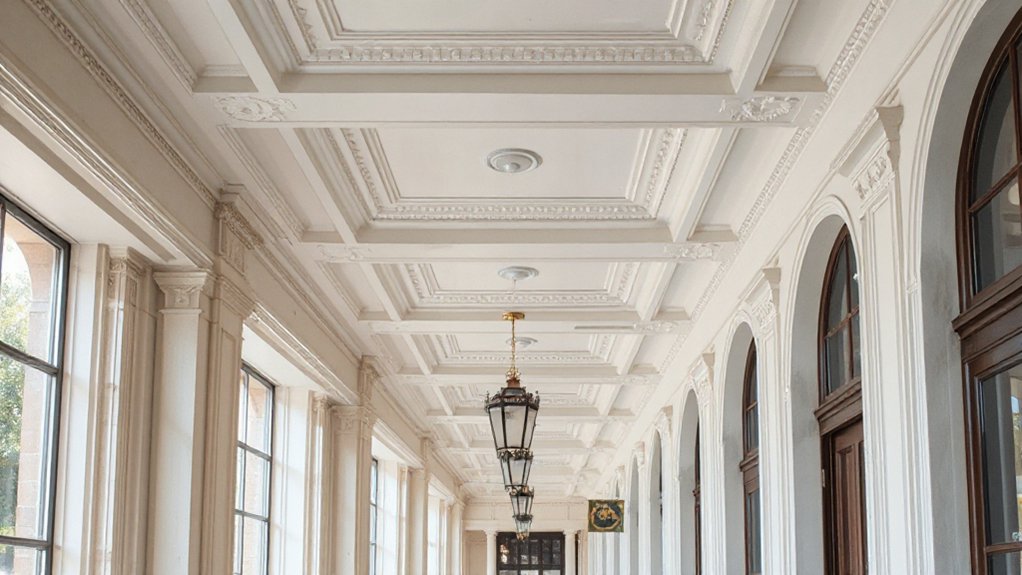
Faux features are designed architectural stand-ins—non-structural elements that mimic real details like cornices, moldings, or stonework. You’ll find them in UK projects when budgets, heritage constraints, or schedule pressures push teams toward visual substitutions rather than structural work. These elements encode historical references without risking load-bearing accuracy, enabling rapid visual coherence with older streetscapes. You assess why they’re used by examining project parameters: cost containment, planning permissions, and risk management, all against a backdrop of conservation norms. Historical accuracy becomes a measured objective, not a default assumption, guiding decisions about what can be faithfully reproduced and where. Cultural implications emerge when faux features shape perceptions of authenticity, influencing audience trust and the perceived integrity of a built environment.
When to Consider Faux Features: A Quick Decision Guide
When deciding whether to use faux features, start with a clear assessment of project constraints: budget, schedule, and regulatory or conservation requirements. You’ll then weigh risk versus benefit, asking whether fake materials deliver essential outcomes without compromising authenticity or compliance. If the objective hinges on rapid, low-cost cloaking of date-stained surfaces, faux features may fit, but only if you can quantify lifecycle costs and maintenance. Consider visibility: are viewers likely to notice inconsistencies that trigger visual deception concerns or scrutiny from conservation bodies? If regulatory risk is high, postpone implementation or pursue documented, reversible approaches. In short, proceed when constraints favor a controlled illusion over genuine replacement, and when the payoff outweighs potential reputational, legal, and safety liabilities.
Common Faux Features You’ll See in UK Homes
You’ll encounter faux features like wood panelling and painted moulded details that mimic traditional finishes while masking structural realities. We’ll assess how these elements alter space perception, cost, and authenticity, rather than just their appearance. The goal is to identify what these details reveal about construction choices and design priorities in UK homes.
Faux Wood Panelling
Could faux wood panelling genuinely mimic the warmth of real timber, or does its cheaper composition undermine long-term value? You assess paneling’s surface texture, grain patterns, and finish consistency, noting that faux wood often relies on printed veneers or embossed textures rather than solid timber. You weigh installation methods, joint quality, and potential warping or delamination under humidity, temperature swings, and frequent cleaning. You evaluate durability, upkeep, and resale implications, recognizing that aesthetic impact hinges on lighting, room scale, and contrast with surrounding materials. You classify techniques as faux finishes or artistic deception, distinguishing convincing replication from obvious shortcuts. You conclude that while some panels deliver credible warmth, true value requires scrutiny of material core, warranty, and refinishing options to avoid short-term depreciation.
Painted Moulded Details
Painted moulded details are a common UK faux feature that blends affordability with visual drama, but their value hinges on realism and finish quality. When you evaluate these details, assess line quality, shadow depth, and the consistency of texture across surfaces. Subtle brushwork and careful edge definition distinguish convincing faux mouldings from amateur attempts; abrupt progressions reveal inexperience. Consider how lighting interacts with raised shapes, since false depth often relies on directional illumination to sell the illusion. The best results use restrained color palettes that mimic plaster, wood, or stone without stark contrasts. Beware over-saturation, which tips a projection into costume prop territory. Faux finishes succeed when they convey authenticity rather than ornament, creating artistic illusions that read as architectural rather than decorative novelty. Inspect craftsmanship, not intention, to judge plausibility.
How Paint Types and Finishes Affect Realism and Durability
Paint types and finishes determine how convincingly painted features mimic real architecture, as different formulations yield varying texture, glare, and edge sharpness.
You assess how each option influences realism and durability, weighing adhesion, UV resistance, and chalking. In practice, subtle texture often enhances authenticity, while gloss levels can either mimic stone flushness or reveal seams. You’ll consider how colour psychology affects perceived weight and age, guiding choices that evoke historic or modern intent without conspicuous sheen.
- Matte/satin finishes for muted depth and texture fidelity
- Eggshell or pearl for gentle glare reduction and legibility
- Semi-gloss for defined edges with manageable maintenance
- Specialty paints for faux-granite or weathered patina
Careful testing clarifies long-term behaviour, ensuring consistency across light conditions and humidity.
Step-by-Step: Deciding If Painting Is Right for Your Project
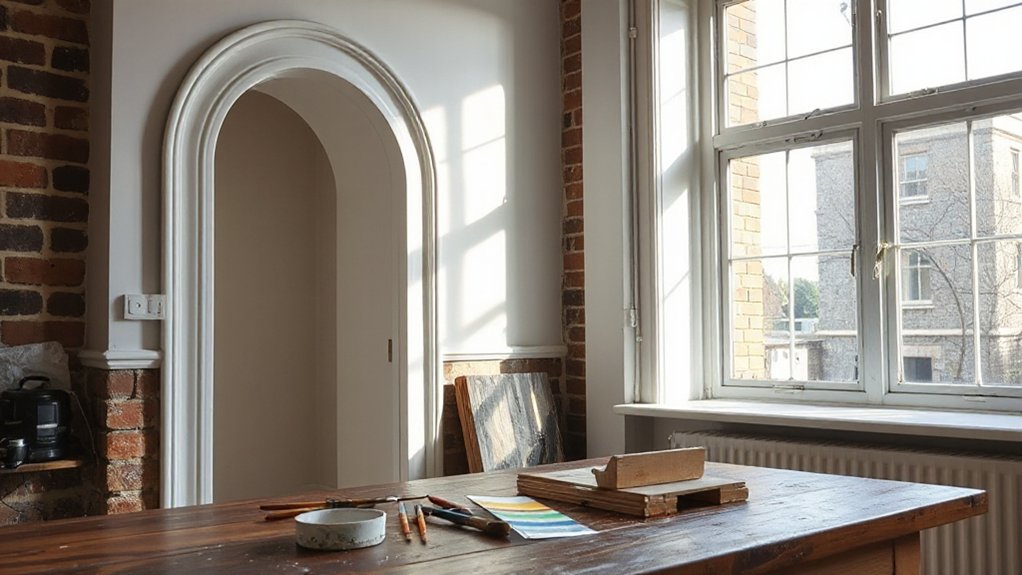
To decide if painting is right for your project, start by clarifying goals, constraints, and success metrics. Next, evaluate site conditions, budget limits, and timeline realism, then map risks and mitigation steps. Ask whether painted features will convincingly mimic real architecture under anticipated viewing angles and lighting. Consider maintenance cycles and durability requirements, and whether textures, patterns, or faux joins align with your authenticity standards. Assess whether lighting techniques will reveal or obscure details, and plan for how shadows interact with painted surfaces over time. Determine if historical authenticity is achievable within given constraints, or if alternative methods are more appropriate. Finally, decide if the investment yields measurable value without compromising safety, compliance, or narrative integrity. Document decisions for accountability and future review.
Design Basics: Colour, Texture, and Proportion for Believability
Color, texture, and proportion are the levers that determine believability in painted architectural features. You’ll assess how colour choices trigger perceptual cues and how texture suggests materiality, then align these with authentic proportions to avoid visual distortion. This analysis focuses on practical, evidence-based application rather than aesthetics alone, prioritising measurable impacts over intuition.
- Colour psychology: map hues to historical palettes and lighting conditions to evoke authentic mood and legibility.
- Texture manipulation: simulate surface irregularities, grain, and patina without overdoing relief, preserving filmic cohesion.
- Proportion accuracy: calibrate scale and rhythm to reflect authentic carpentry, moldings, and joints.
- Integration checks: test under real daylight, artificial lighting, and viewer distance to confirm believability.
Conservation and Planning Context in the UK
You’ll need to align painting practices with planning constraints and heritage sensitivities in the UK, where even modest alterations can trigger approval or additional scrutiny. Consider how conservation policies shape what counts as acceptable work and how compliance demands affect documenting and justifying painted features. This discussion starts by mapping the regulatory landscape to identify where paint choices intersect with heritage governance and public interest.
Planning Constraints and Paint
Planning constraints shape how paint is used to mimic architectural features in the UK. You must navigate statutory protections, local plans, and listed-building regimes before you act. Compliance isn’t cosmetic; it governs material choices, methods, and documentation. You’ll assess whether a feature qualifies as structural or decorative, balancing Historical authenticity with practical limits. Enforcement hinges on record-keeping, sampling, and expert consultation, not intention alone. Consider the impact on listed status, conservation area rules, and potential permissions or exemptions. You’ll also weigh Material sustainability, selecting durable, breathable coatings that respect substrate and long-term performance. The goal is to avoid future remediation while preserving legitimacy in regulatory review and public perception.
- Regulatory scope and jurisdiction
- Documentation and justification
- Material selection criteria
- Risk, remediation, and accountability
Heritage Sensitivity and Compliance
Even when paint seems a simple material choice, heritage sensitivity and compliance demand rigorous scrutiny within the UK conservation and planning framework. You assess proposals by current planning policies, designated assets, and the surrounding townscape, not just aesthetics. The conservation mindset foregrounds Cultural authenticity, requiring materials, textures, and finishes that respect historical layers rather than erase them. You evaluate whether an intervention preserves or reveals evidential value, avoiding speculative re-creations that erase context. Conformity hinges on documented justifications, impact assessments, and consultation outcomes with local planning authorities and conservation officers. You must demonstrate Historical accuracy, aligning proposed techniques with period characteristics and building typologies. Finally, you test risk, monitoring, and maintenance plans to ensure long-term compatibility with statutory protections and any heritage-at-risk considerations.
Care and Maintenance to Preserve the Illusion
Care and maintenance are essential to sustaining the illusion of painted architectural features. You must monitor surface integrity, environmental exposure, and pigment stability to prevent detectable decay that defeats realism. Regular inspections reveal cracks, flaking, or washout, guiding timely intervention before loss of historical authenticity. You weigh ethical implications of upkeep, ensuring restorations respect provenance while avoiding misleading exaggeration. Maintenance should minimize aesthetic disruption and preserve legibility of the original scheme.
- Inspect for cracks and adhesion failures, documenting locations and severity.
- Control humidity, temperature, and abrasion to slow pigment degradation.
- Use reversible treatments where possible to maintain historical authenticity.
- Record all interventions, justifying choices and exposing any ethical considerations.
Alternatives to Painting: Materials, Methods, and Ethics
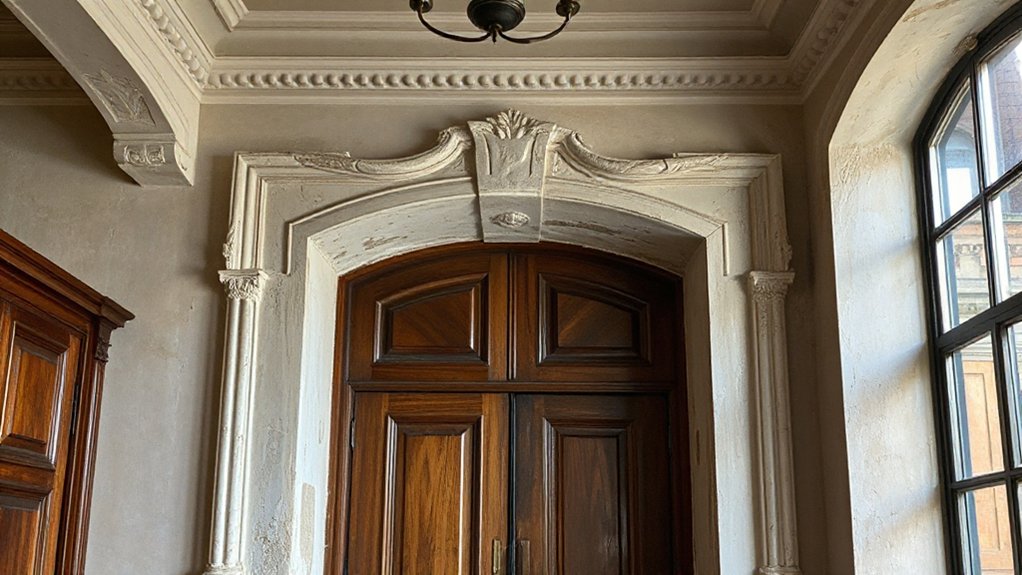
You weigh materials for fascia treatments, weighing durability, cost, and compatibility with real architecture. You assess ethical considerations of fakery alongside alternative application methods to avoid misleading appearances. You map a precise framework to compare options, focusing on how each choice supports or undermines authenticity and function.
Materials For Fascia Treatments
When choosing fascia treatments as alternatives to painting, material selection hinges on durability, weather resistance, and compatibility with existing siding and fasteners.
- Evaluate durability against UK weather, noting how faux brick and simulated stone imitations fare under freeze-thaw cycles.
- Inspect compatibility with existing fascia profiles, ensuring fasteners and sealants seal gaps without undermining substrate integrity.
- Compare maintenance needs, opting for low-upkeep options that resist cracking, peeling, and UV degradation.
- Verify installation methods align with substrate chemistry, avoiding coatings that trap moisture or cause adhesion failure.
In practice, you’ll favor rigid, low-porosity surfaces that resist moisture ingress and deflection. Faux brick and simulated stone can be rendered as decorative cladding, but your choice must prioritize long-term performance over quick aesthetics.
Ethical Considerations Of Fakery
While alternatives to painting can enhance appearance and durability, ethical considerations demand transparency about what these materials simulate and the potential for misrepresentation. You assess fakery not as novelty, but as a communication act with spectators, stakeholders, and regulators. Authentic craftsmanship matters because it signals effort, skill, and provenance; mislabelling substitutes erode trust and distort perceived value. Cultural authenticity concerns arise when facades imply historic accuracy or regional technique that isn’t present, prompting scrutiny of intent and impact. You should document materials, performance expectations, and limitation boundaries, clarifying what is genuine versus simulated. Transparency enables informed choices and accountability. When used, ethical frameworks should balance preservation goals with public understanding, avoiding deceptive contrasts, and ensuring that interventions respect site context, heritage significance, and diverse audience interpretations.
Alternative Application Methods
What alternatives exist beyond traditional painting for architectural surfaces, and how do their materials, methods, and ethics compare regarding performance, durability, and transparency? You evaluate faux brick and painted plaster as case studies, noting how textures, adhesion, and interface requirements affect long-term stability, moisture management, and historical authenticity. You weigh structural implications, cost, and public perception, alongside regulatory scrutiny and maintenance burdens. You consider skins, cladding, and veneer approaches that preserve reversibility, while offering variable translucency and weather resistance. You assess ethical implications of misrepresentation, consent, and archival value, emphasizing traceability and documentation. In practice, you prioritize measurable durability, minimal invasiveness, and clear attribution of technique to avoid deception.
- Materials selection and compatibility
- Reversibility and conservation ethics
- Performance testing and monitoring
- Documentation and disclosure
Case Studies: Lessons From UK Projects Balancing Illusion With Integrity
Case studies from the UK reveal how designers balance illusion with structural honesty, showing that convincing façades can coexist with transparent methods and measurable integrity. In each project, you examine the decision trail: intent, materials, and verification. You assess where paint-based tricks achieve visual impact without compromising safety or long-term performance. Historical authenticity matters because techniques echo period cues while remaining auditable under modern standards. You compare cases where pigment layers reveal their arithmetic—substrate prep, coating schedules, and maintenance plans—versus instances that blur lines between illusion and fabrication. Cultural implications emerge as communities weigh aesthetic renewal against heritage protection. You document risk registers, client briefs, and independent reviews, seeking reproducible benchmarks. Ultimately, you identify best practices that fuse perceptual effect with verifiable accountability.
Frequently Asked Questions
Is Faux Painting Legal Under UK Conservation Rules and Permissions?
Yes, faux painting can be legal if it preserves historical authenticity and adheres to Regulatory compliance; you must consult local planning and conservation guidance, document processes, and obtain appropriate permissions to avoid altering protected features.
How Do You Avoid Misleading Clients With Faux Features?
You should prioritize historical authenticity and avoid misrepresentation, because you must disclose any faux features to clients. Ethically, you assess impacts, document methods, and guarantee transparency, so your practice reflects rigorous standards rather than aesthetic shortcuts.
What Budget Gaps Commonly Surprise Homeowners in Faux Projects?
Like a toolbox of fog, you’ll stumble on budget gaps when you misjudge. You’ll need budget planning discipline and thorough material sourcing to avoid surprises, accounting for overruns, permits, and hidden labor costs in faux features.
Can You Reverse Faux Features Without Damaging Historic Fabric?
Yes, you can reverse faux features without damaging historic fabric, though it requires care. Prioritize historical authenticity, assess structural impact, and document steps; ethical considerations demand transparency with stakeholders and minimal intrusion throughout the process.
Which Painters’ Codes or Certifications Apply in the UK?
You should verify which painters’ codes or certifications apply in the UK, focusing on Historic authenticity and Certification standards, and consult relevant bodies to guarantee compliance, accuracy, and traceable provenance rather than guesswork.
Conclusion
You weigh the allure of illusion against the weight of history. You’ll paint to emulate, yet you’ll hold back where authenticity matters. You chase realism in texture and light, but you shield integrity with documentation and reversibility. The goal isn’t to fool eyes alone; it’s to harmonise with context. In the end, your balance—between clever craft and honest restraint—reads as a disciplined act, not a decorative whim.