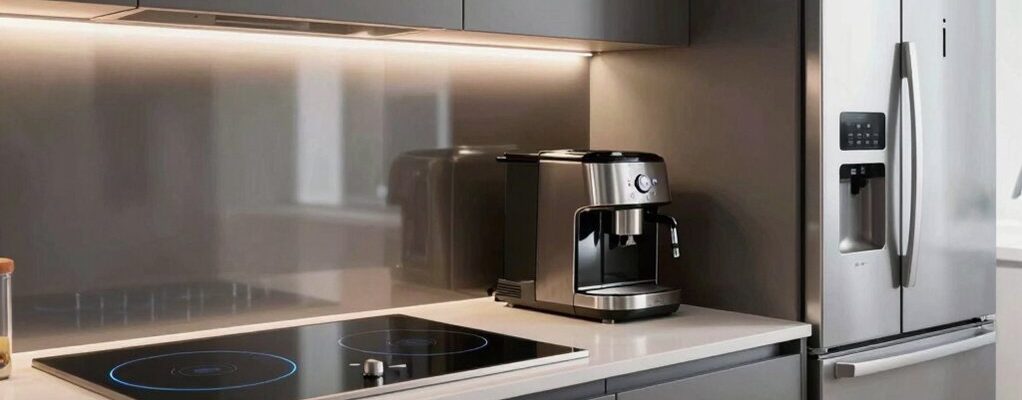
You’ll boost home value by prioritizing energy-efficient, durable appliances with timeless finishes and solid warranties. Choose refrigerators with low operating costs, convection ovens for even cooking, and speed modes that save time and energy. Favor practical smart features that improve usability and reliability, not flashy gimmicks. Avoid trendy finishes or niche models that won’t age well. Standard sizing and easy maintenance matter for resale. If you keep going, you’ll uncover which details truly move the needle.
Energy-Efficient Refrigerators: A Smart Choice for Value
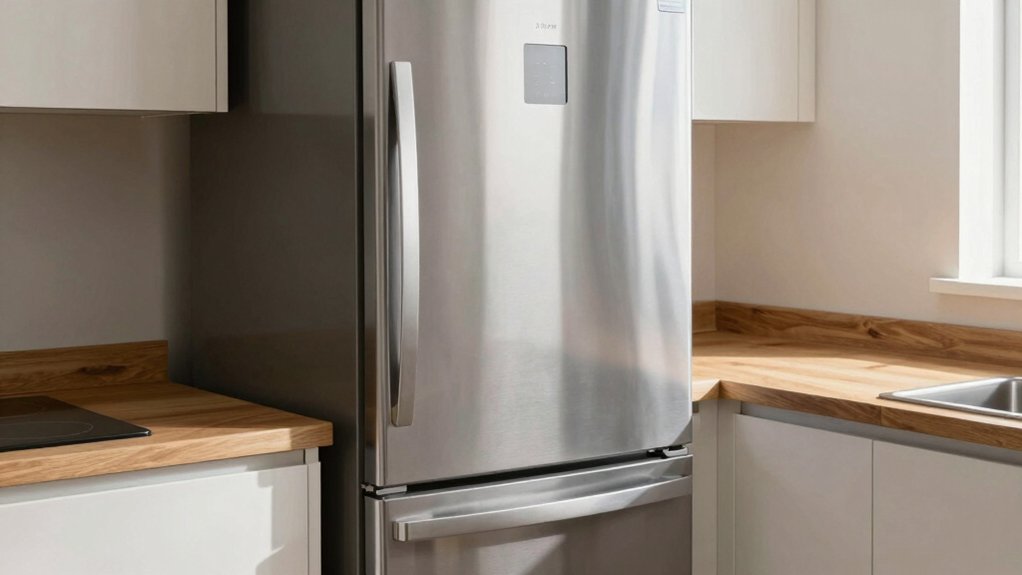
Energy-efficient refrigerators reduce operating costs and environmental impact, making them a smart investment for home value. You benefit from lower electricity bills due to improved insulation, tighter seals, and high-efficiency compressors.
Modern ENERGY STAR models optimize temperature stability with adaptive defrost, reducing run-time without compromising food safety. When you compare features, focus on energy consumption per volume, not just total wattage.
Upright designs with variable-speed motors and smart sensors often yield consistent performance while using less power. Space efficiency matters too; taller, slimmer configurations can maximize storage without increasing footprint.
Consider long-term resale dynamics: buyers prize lower operating costs and reduced emissions. However, the impact varies by market, kitchen design compatibility, and perceived reliability.
Documentation: efficiency ratings and maintenance needs should accompany listings.
Convection Ovens and Speed-Cooking: Why They Matter
Convection ovens deliver even heat distribution, which reduces hotspots and helps you achieve consistent results across multiple racks.
They also enable speed-cooking by shortening overall bake times, saving energy without sacrificing quality.
These features translate to noticeable time and energy savings while maintaining meal reliability and kitchen performance.
Energy-Saving Benefits
Convection ovens and speed-cooking modes can reduce kitchen energy use by shortening cook times and lowering heat loss, which translates to tangible savings on monthly utility bills. You’ll notice shorter cycles, more even heat, and less preheating for many dishes, which translates into lower energy consumption per meal.
When you compare models, look for higher convection performance, energy labels, and adjustable fan speeds that optimize efficiency without sacrificing outcome. The savings vary by usage pattern, but frequent bakers and busy households typically see meaningful reductions in electric or gas usage over a year.
Maintenance affects efficiency, so keep seals intact and vents clear. Overall, energy savings strengthen value by supporting lower operating costs and more sustainable living, without compromising performance.
Even-Heat Cooking
Even-heat cooking, including convection ovens and speed-cooking modes, enhances kitchen performance by delivering more consistent temperatures and faster results. In practice, convection relies on a fan to circulate air, reducing hot spots and enabling uniform browning on multiple racks.
Speed-cooking modes optimize time by combining lower temperatures with high-velocity air or microwave components, yielding comparable doneness sooner without sacrificing texture. You’ll notice evenness in roast profiles, pastries, and reheats, particularly when pans are properly spaced and preheated.
This capability supports predictable outcomes, which can translate to fewer failed batches and more efficient meal planning. From a value perspective, kitchens equipped with these features appeal to buyers seeking reliability, versatility, and measurable performance benefits.
Technical reliability and clear user guidance further reinforce perceived value.
Time-Efficiency Gains
Even as you plan meals, convection ovens and speed-cooking modes cut overall cook times by circulating hot air and optimizing heat transfer, which translates to faster prep-to-done shifts without sacrificing doneness.
In this section, you quantify gains by comparing traditional bake times to convection-adjusted estimates for common dishes, noting typical reductions of 25 to 35 percent under standard conditions. You assess consistency across rack placements, batch sizes, and recipe scaling, and you consider energy use per finished dish.
Practical implications include shorter oven occupancy, increased throughput for households and rental units, and more reliable timing for entertaining. You also weigh potential tradeoffs, such as crust texture and moisture retention, to determine whether time savings align with culinary goals and resale value.
Smart Kitchen Features That Buyers Notice
You value smart-ready features that integrate smoothly with your daily routines, not flashy gimmicks. Focus on efficiency, durability, and reliable performance over trendy appearances.
Essentially, buyers notice practical, future-proof capabilities more than cosmetic polish.
Smart-Ready, Not Shiny
Smart-Ready kitchens catch buyers’ attention for practical capabilities rather than flashy surfaces; features that enable seamless operation, quick diagnostics, and compatibility with smart-home ecosystems tend to influence perceived value more than ornament.
You evaluate how devices communicate, update, and integrate with platforms you already use. Look for standardized interfaces, cloud-based status checks, and vendor-agnostic controls that reduce friction in daily routines.
Beyond appearance, you assess reliability, update cadence, and failure recovery paths, since predictable performance lowers perceived risk.
Electrics and plumbing should support future-ready upgrades without major renovations.
You’ll favor appliances with local control options, security updates, and transparent data practices, ensuring privacy isn’t sacrificed for convenience.
Buyers value cohesive ecosystems that function intuitively, require minimal troubleshooting, and demonstrate durable, scalable, and testable reliability.
Efficiency, Not Flash
Smart kitchen features that buyers notice are those that measurably cut time, energy, and hassle in daily routines. You’ll see value when efficiency reduces prep and cleanup steps, not just adds gadgets. Look for appliances with intuitive interfaces, predictable performance, and reliable energy-saving modes.
Emphasize features like adaptive cooling, smart timers, and precise temperature control that translate into consistent results and lower utility use. Buyers assess return on investment by quantifiable gains: shorter cooking cycles, fewer rework moments, and less standby power.
Document compatibility with existing setups, data transparency, and firmware longevity. Avoid marketing gloss; focus on measurable outputs, such as reduced cycle times and kilowatt-hour reductions.
Durable, Not Trendy
Durable, not trendy, smart kitchen features win buyers by withstanding daily use and aging gracefully rather than chasing the latest hype. When evaluating value, you should focus on build quality, reliability, and long-term serviceability. Look for appliances with solid warranties, proven firmware support, and easy-to-replace components.
Buyers notice features that integrate smoothly with existing setups, minimize future repair costs, and don’t require frequent updates. Energy efficiency matters, but durability often drives long-term affordability more than novelty. Favor standardized interfaces, accessible diagnostics, and reputable brands with robust repair networks.
Avoid models known for short lifespans or limited parts availability. A kitchen that demonstrates consistent performance, stable software, and durable materials projects value beyond trend cycles. Your assessment should balance function, maintenance expectations, and resale implications.
Durable Finishes and Timeless Styles: Longevity Wins
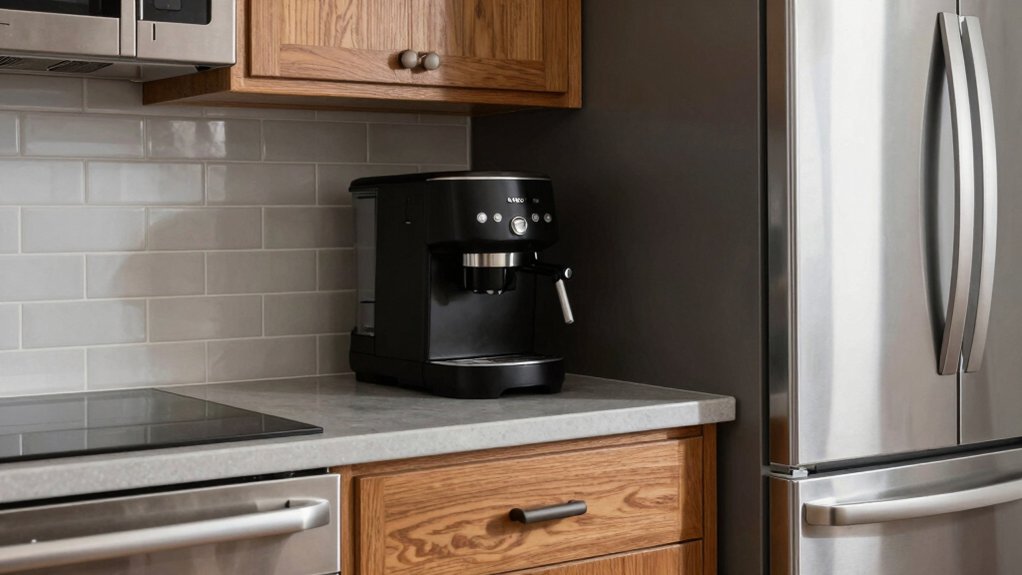
Durable finishes and timeless styles matter because longevity translates to sustained value. In practical terms, you should prioritize corrosion-resistant metals, nonporous surfaces, and scratch-resistant coatings that endure daily use without showing wear. Look for appliances with reinforced panels, stable hinges, and consistent colorfast finishes that resist fading.
Timeless styles avoid overtly trendy accents, favoring neutral tones and classic profiles that remain appealing as tastes evolve. When evaluating resale impact, consider how finish durability reduces maintenance costs and prolongs appearance, contributing to lower depreciation.
Documented warranties for finishes and coatings further support long-term ownership value. Balance initial cost against expected lifespan, ensuring the chosen finishes align with kitchen lighting, cabinetry, and flooring to sustain perceived quality over time.
Upgrades to Avoid: Trends That Don’t Pay Off
If you’ve been weighing durable finishes and timeless styling, you’ve already set a baseline for value. Upgrades to avoid focus on trends that fade or fail to impact resale. You’ll want to distinguish temporary hype from measurable improvements in function, reliability, and energy use.
High-profile materials, novelty finishes, or boutique tech can inflate upfront costs without proportional value. Precision matters: assess compatibility with standard renovations, expected appliance lifespan, and maintenance demands.
Budget-conscious buyers prioritize efficiency ratings, repairability, and brand longevity over flashy aesthetics. Avoid oversized, trendy models that limit resale appeal or complicate kitchens designed for practical workflows.
Documented performance, not perception, should guide decisions. In essence, trim costs on fads, favor durable, well-supported options, and preserve flexibility for future updates.
Budget-Friendly Priorities That Still Boost Appeal
Budget-friendly priorities can still boost appeal when you focus on practical value: efficiency, reliability, and compatibility across future renovations. You’ll assess essential functions, not flashy features, to maximize perception of smart spending.
Prioritize energy-efficient appliances with measurable performance, like standards-compliant refrigerators and dishwashers that reduce operating costs over time. Reliability matters because fewer repairs translate to lower lifetime costs and less disruption during resale.
Compatibility across potential redesigns matters too; choose standard dimensions, universal fittings, and flexible controls that adapt to different styles. Documented warranties and service availability reassure buyers you considered longevity.
Avoid oversized or underutilized capacity; alignment with typical household needs strengthens value. In sum, measurable efficiency, proven reliability, and future-proofing compatibility collectively enhance appeal without excessive upfront expenditure.
Conclusion
You’ll see value where energy efficiency and durable finishes meet buyer expectations, not flashy trends. While smart features grab attention, you’ll benefit most from reliable performance and timeless styles that endure. If you worry about upfront costs, the long-term savings and resale appeal justify the investment. Prioritize sturdy construction, easy maintenance, and reputable brands; these choices reduce future turnover headaches and keep your kitchen competitive without chasing every fad.