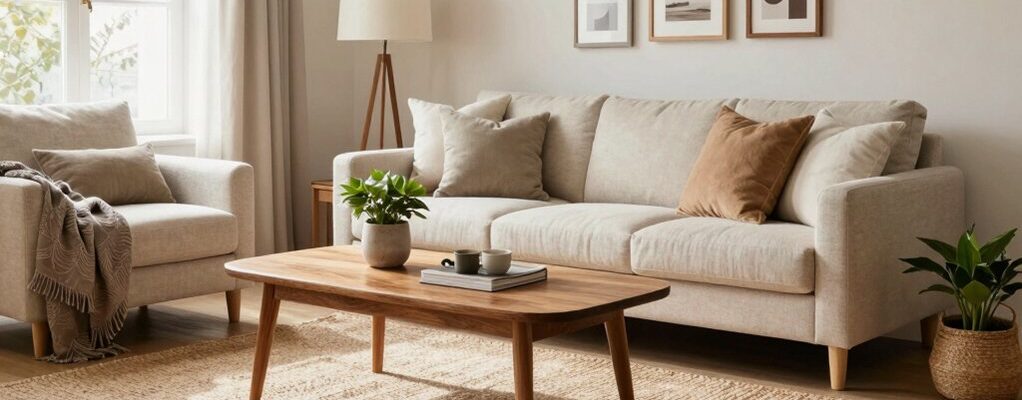
You can keep your decor stylish on a budget by shopping smart and layering high–low pieces. Start with a strong anchor like a sofa or rug, then mix in affordable accents. Update existing furniture with simple DIYs and swap fabrics, hardware, or lighting to refresh vibes. Stick to a cohesive palette and repeat textures or motifs to unite rooms. Reimagine what you own instead of buying new, and you’ll unbolt polished, budget-friendly style—with more to explore beyond this.
Smart Shopping Habits for Budget-Friendly Decor
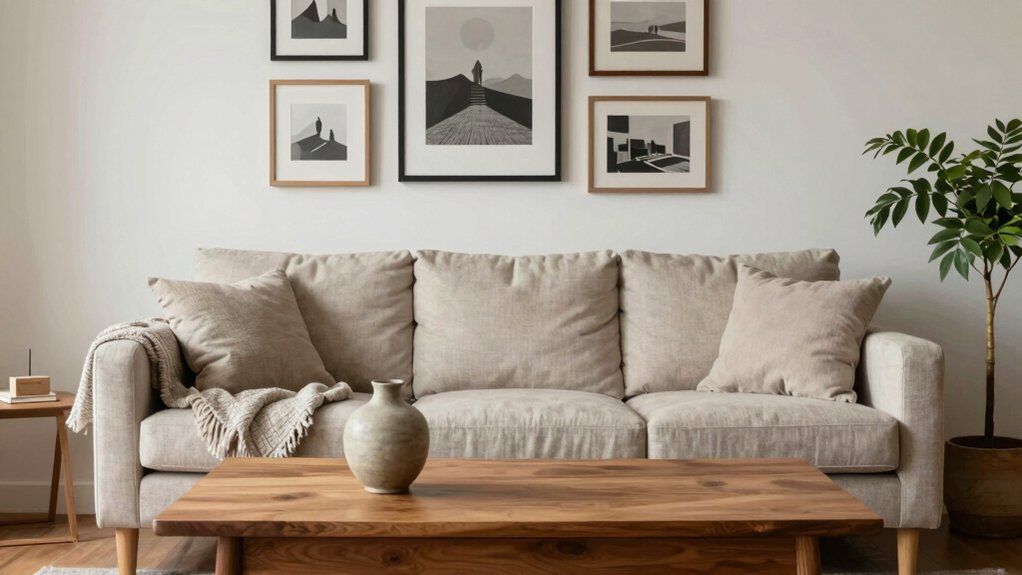
Smart shopping is your best friend when decorating on a budget. You approach every purchase with a plan: identify core needs, set a price ceiling, and resist impulse buys that don’t add value.
Before you shop, take inventory of what you already own and repurpose pieces to fit new rooms. Compare prices online, check for sales, and sign up for store newsletters or loyalty programs to snag exclusive discounts.
Prioritize versatile items—neutral bases, timeless silhouettes, and pieces that adapt across seasons. Read reviews to gauge durability, and don’t fear secondhand or refurb’d finds when they’re in good condition.
Keep a running list of must-haves, balance big-ticket investments with inexpensive accents, and always measure spaces to avoid costly returns.
Mixing High and Low: How to Pair Designer Pieces With Budget Finds
You can start by balancing budget finds with a few standout designer pieces to set the tone. Try pairing a luxe centerpiece with everyday accents.
Then, mix textures and finishes to keep the look cohesive. This approach lets you elevate spaces without losing approachability or budget clarity.
Balancing Budget Finds
Mixing high and low finds isn’t about chase or compromise; it’s about smart balance. You blend statement pieces with budget buys to create a cohesive look, not a collage of random items.
Start with a strong anchor: a timeless sofa, rug, or art print that feels premium. Then layer in affordable accents—throws, pillows, ceramics—that echo the main color story.
Prioritize scale and proportion; one designer-scale item can set the mood while budget pieces fill gaps.
Keep finishes cohesive: brushed metals, matte ceramics, and natural woods read as intentional rather than mismatched.
Don’t overdo trends in cheap finds; let them support the focal pieces.
Edit ruthlessly: remove anything redundant, repeat patterns sparingly, and let quality shine where it matters most.
Your space stays stylish, not cluttered.
Spotlighting Designer Pieces
Spotlighting designer pieces doesn’t mean blowing your budget; it means placing a few standout items where they’ll shine and letting budget finds support them. You don’t need a room full of designer brands to make a statement; choose a single hero piece—like a sculptural lamp, a bold chair, or a fabric-backed sofa—and anchor it with affordable accents.
Keep lines clean and cohesive so high and low don’t clash. Color and texture are your friends: pair a luxe finish with matte, budget-friendly surfaces to create depth without overwhelming the space.
Consider scale and placement; spotlight moments draw the eye, not overwhelm it. Rotate smaller designer accents over time, then refresh with budget-friendly updates to maintain a high-end look without the guilt.
Mix, Match, Elevate
Blending high-end finds with budget pieces is easier than it looks, and it starts with a clear plan: pick one or two heirloom-worthy items you love, then balance them with affordable accents that echo their color, texture, or silhouette.
Start small: a designer lamp paired with a budget-friendly shade, or a statement sofa with tailored drapes from a midrange retailer. Keep the room cohesive by repeating a motif—metallics, curves, or a specific fabric weave—across price tiers.
Prioritize quality where it matters: a well-constructed frame, durable upholstery, or a solid wood table top. Mix prints and textures sparingly, letting one premium piece anchor the space.
Use strategic lighting to unite disparate pieces. And always ask, does this balance feel intentional rather than haphazard?
DIY Upgrades That Elevate Any Space
Upgrading your space on a budget doesn’t require a full remodel; smart, simple changes can make a big impact. Focus on focal points: swap in a statement rug, install new hardware, or trim undershelf lighting to create depth without a big spend.
Mix textures—linen, wool, and velvet—so your room feels layered and current. Simple DIYs like painting an accent wall, re-staining an old chair, or stencil-treating a DIY artwork can refresh vibes instantly.
Prioritize scale and proportion: oversized pillows or a longer curtain rod can alter room perception without costing bundles. Swap out seasonal greenery for fresh stems or a bold leaf motif to wake dull corners.
Finally, keep surfaces clean and organized; polish reflects elevate instantly, making inexpensive upgrades feel intentional and chic.
Repurpose and Refine: Giving New Life to What You Own
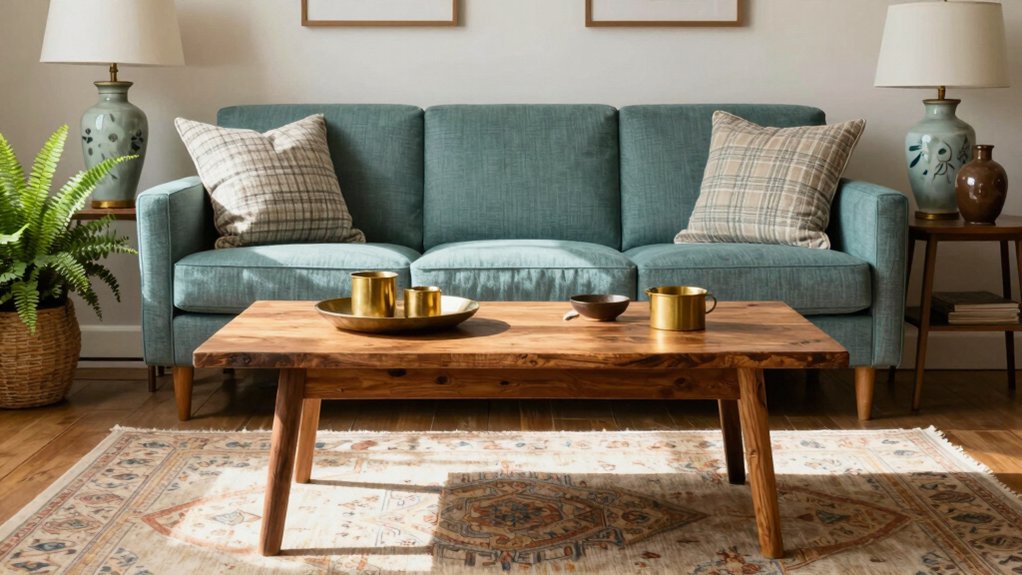
You can refresh your space by using what you already own—eh, no need to rush out for new pieces. Reimagine items creatively, swapping fabrics, paints, or hardware to fit your current vibe.
Balance trends thoughtfully so your updates feel fresh without tipping into fads.
Refresh With What You Have
Maybe you’re surprised by how a few simple tweaks can transform what you already own, saving money while invigorating your space. Start with shape, scale, and texture—swap lamps, switch shades, or layer throws for a fresh vibe without buying new.
Reframe a vignette: pair a bold vase with a minimalist backdrop, or group mismatched candlesticks for a cohesive moment. Tighten layouts by freeing surface clutter and giving key pieces new roles—your coffee table becomes a display shelf, a console doubles as a work area.
Refresh color through textiles: swap curtains or cushions to introduce season-defining hues. Update hardware on furniture, install removable wallpaper accents, or stencil a focal wall.
Small refinements compound, creating a contemporary look that feels intentional and affordable.
Reimagine Items Creatively
Ever thought you could breathe new life into what you already own by repurposing and refining it? Start with your everyday pieces and imagine fresh roles. A old ladder becomes a towel rack; a mason jar doubles as a chic vase or storage jar. Swap uses rather than buying anew: coffee table books as art, a chandelier as a pendant light, a serving tray as wall art.
Target small details first—hardware on drawers, knobs on cabinets, fabric swaps on throw pillows. Paint changes everything; a single color update can unify disparate items. Layer texture with throws and mats to add warmth without cost.
Document quick wins, then expand gradually, keeping practicality in mind. Reimagining saves money while boosting your space’s personality.
Balance Trends Thoughtfully
As you repurpose and refine what you already own, balance trends thoughtfully to avoid a hasty, fleeting look. Start with a clear baseline: identify your nonnegotiables—colors, shapes, textures you genuinely love.
Then selectively borrow trends rather than adopt every detail. Pick one element to experiment with, like a bold throw or updated hardware, and keep the rest grounded in your existing palette.
Prioritize proportion and scale so new pieces don’t overwhelm. Mix high-impact accents with budget-friendly refinements, such as a refreshed finish or new hardware, to signal change without breaking the bank.
Give each update a deadline, so you don’t overdecorate. Finally, measure impact by how it feels in daily life, not just how it looks in feeds.
Balance creates longevity, not momentary momentum.
Color, Texture, and Cohesion: Creating a Unified Look on a Budget
Color, texture, and cohesion go hand in hand when you’re decorating on a budget: a unified look starts with a simple palette, then builds with thoughtfully chosen textures and deliberate repeats. You’ll keep it practical by selecting three core colors and using them across rooms in varying ways: walls, textiles, and accents.
Introduce texture through natural fibers, matte finishes, and subtle patterns to add depth without clutter. Repeat motifs—a stripe, a botanical print, or a geometric shape—in rugs, pillows, and art so the eye travels smoothly from space to space.
Balance bold pieces with calm surfaces, and let lighting highlight your cohesive elements. Avoid overmixing; restraint makes flips and keeps budget-friendly upgrades feeling intentional and stylish.
Practical Styling Tricks to Maximize Impact With Minimal Spend
You don’t have to break the bank to make a room feel intentional; smart styling is about precision, not price. First, prioritize scale and balance—group pieces with similar finishes, and use a single unifying element to tie the space together.
Next, repurpose and elevate: swap hardware, add a fresh coat of paint, or reframe posters to shift focus without buying new items. Use lighting as a budget multiplier—layer ambient, task, and accent lights to dramatically change mood.
Choose textiles strategically: one standout pillow or throw can transform a sofa; mix textures for depth. Less is often more, so edit ruthlessly: remove clutter, curate a short display, and let negative space breathe.
Finally, lean into seasonal accents that are reversible and interchangeable.
Conclusion
You don’t need a big budget to make a space feel thoughtfully styled. By shopping smart, mixing high and low, and giving items a fresh twist, you’ll build a cohesive look that’s distinctly you. DIY touches and smart repurposing stretch every dollar without sacrificing impact. Keep color, texture, and cohesion in mind, and let practical tweaks do the heavy lifting. Sometimes the simplest changes reveal the most stylish truth—less can truly be more, with a deliberate, ongoing refinement.