Installing a wood burner involves careful budgeting for equipment, installation labor, permits, and contingencies, plus fuel storage and site prep. You must verify local regulations on clearances, venting, electrical interlocks, and alarms, and prepare a compliant permit package with combustion air and fire-rated enclosures. Choosing the right unit requires BTU capacity, efficiency, and safe clearances. Properly documented compliance and installation notes boost resale value, while noncompliant setups can hurt it; more guidance awaits.
Installation Costs and Budgeting
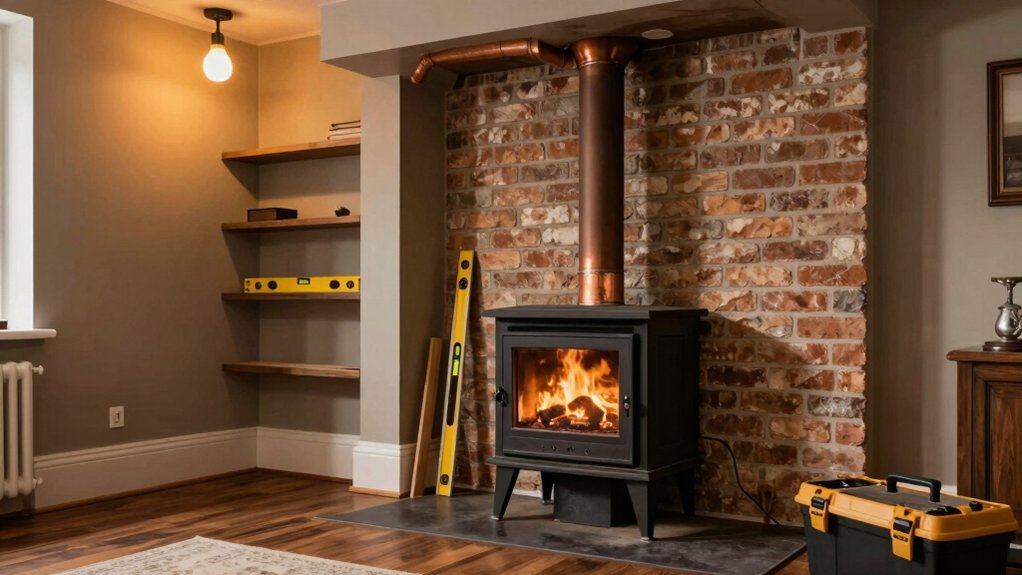
Installation costs for a wood burner vary with unit type, installation complexity, and local permits. You’ll assess unit choice by heat output, efficiency rating, and warranty terms, then map those factors to procurement costs, delivery, and siting requirements.
Labor costs hinge on chimney routing, clearances, and floor protection, plus any frost-proofing or seismic anchoring specified by code. Permit fees, inspection charges, and potential environmental fees must be itemized in your budget.
Expenditure categories include hardware (venting, dampers, connectors), fuel storage solutions, and temporary heat during retrofit. Don’t overlook ancillary items such as clearance signage, electrical supply upgrades, and shutoff valves.
Contingencies of 10–20% help absorb price volatility and unanticipated field conditions. Finally, document all quotes with line-item detail to support regulatory review and future resale valuation.
Regulatory Requirements and Compliance
When you shift from budgeting for components and labor to compliance, you’ll align the project with applicable codes, standards, and permitting processes. You’ll identify jurisdictional requirements for fuel devices, exhaust, clearances, and venting, then verify that selections meet applicable national and local rules before purchase.
Your plan must reflect recognized testing standards, installation manuals, and manufacturer warnings. Prepare a permit package detailing fire-rated enclosure provisions, chimney routing, wall protections, and combustion air provisions, with precise dimensions and material specifications.
Document electrical interlocks, carbon monoxide detectors, and alarm integration as required by code. Schedule inspections at rough-in and final stages, addressing noted deviations promptly.
Maintain traceable records of approvals, updated drawings, and compliance certificates to ensure ongoing conformity and resale viability.
Choosing the Right Wood Burner for Your Home
Choosing the Right Wood Burner for Your Home requires evaluating heat output, efficiency, clearance requirements, venting options, and local code compliance. You’ll compare hourly BTU ratings to room size, ensuring steady comfort without overloading fixtures or vents.
Assess efficiency classes, such as input-output ratios and CSA/CE standards, to minimize fuel use and emissions.
Determine clearance distances from walls, furniture, and combustibles per manufacturer specifications and jurisdictional rules; document required noncombustible hearth extensions where applicable.
Review venting strategies: chimney height, backbox integrations, and approved connector pipes, ensuring positive draft and leak-free joints.
Consider setback controls, automatic shutoffs, and ash handling features that support safe operation.
Finally, verify permit requirements, inspection intervals, and warranty terms to align with regulatory expectations.
Impact on Home Value and Resale Considerations
A wood burner can influence home value and resale appeal by delivering reliable heat, aesthetic appeal, and energy efficiency that buyers recognize. In appraisal terms, installed efficiency, compliance with current regulations, and documented venting standards contribute to a favorable value differential.
Local ordinances may require permits, smoke- and carbon-monoxide safeguards, and periodic inspections; your records should show date of installation, model specifications, and test results.
Consider neighborhood comparables: homes with certified, well-maintained units often command premium pricing relative to noncompliant setups. Potential buyers weigh maintenance costs, fuel availability, and retrofit needs.
Resale strategy should emphasize rugged construction, sealed combustion, and modern controls. Transparent disclosure of warranties, service history, and upcoming mandatory upgrades reduces renegotiation risk and accelerates marketability.
Common Pitfalls and Practical Planning Tips
Common pitfalls often stem from underestimating heat load, venting requirements, and local permitting; addressing these early saves costly retrofits. You should perform a formal load calculation using ACCA Manual J methodology to confirm capacity and room-by-room distribution.
Misjudging chimney sizing or fuel quality leads to inefficient operation and safety risk; specify a compliant flue liner and appropriate clearances. Never overlook insulation quality, air sealing, and vapor barriers, which affect combustion efficiency.
Plan for code-compliant clearances, hearth protections, and fire-resistant finishes with documented product certifications. Schedule inspections at critical milestones—rough-in, final venting, and occupancy—ensuring approved revisions before installation.
Maintain a detailed equipment spec sheet, including manufacturer warranties and service intervals. Finally, align financing, permitting timelines, and resale disclosures to prevent post-installation delays.
Conclusion
Installing a wood burner can boost warmth and appeal, but compliance matters. You’ll need correct clearances, approved flue design, and emissions-certified unit to meet current regs and avoid fines. If budgets tighten, prioritize efficient, low-emission models and proper insulation rather than oversized appliances. Don’t overlook installation costs, chimney integrity, and professional surveys. Even with resale gains, shabby installations wreck value; meticulous planning, documentation, and adherence to codes protect your investment and peace of mind.