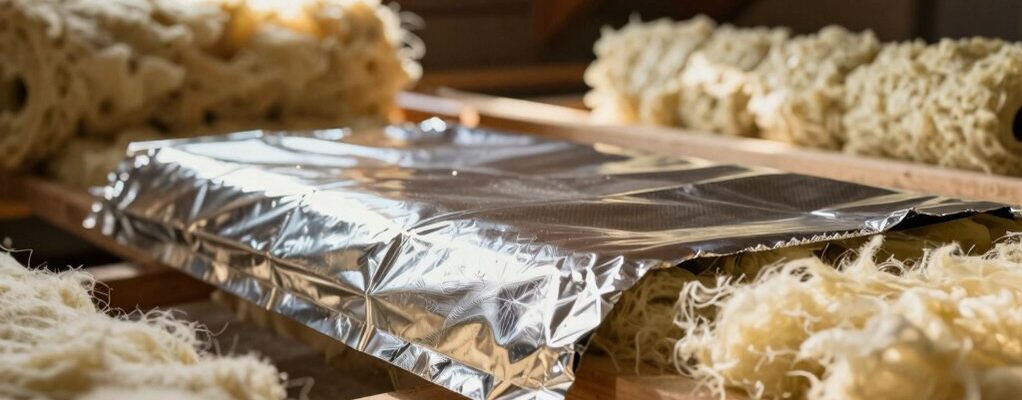
A guide to modern attic insulation materials helps you balance higher R-values, long-term stability, and airtight performance for steady comfort and lower energy bills. You’ll compare batt installations with dense-pack, semi-rigid boards, mineral wool, and spray foams to match climate, layout, and budget. Expect precise factors like thermal conductivity, vapor control, and edge detailing to prevent gaps. You’ll learn how installation technique, moisture management, and durable materials converge for lasting performance—and you’ll see how your attic can stay comfortable far longer.
Why Attic Insulation Matters for Comfort and Costs
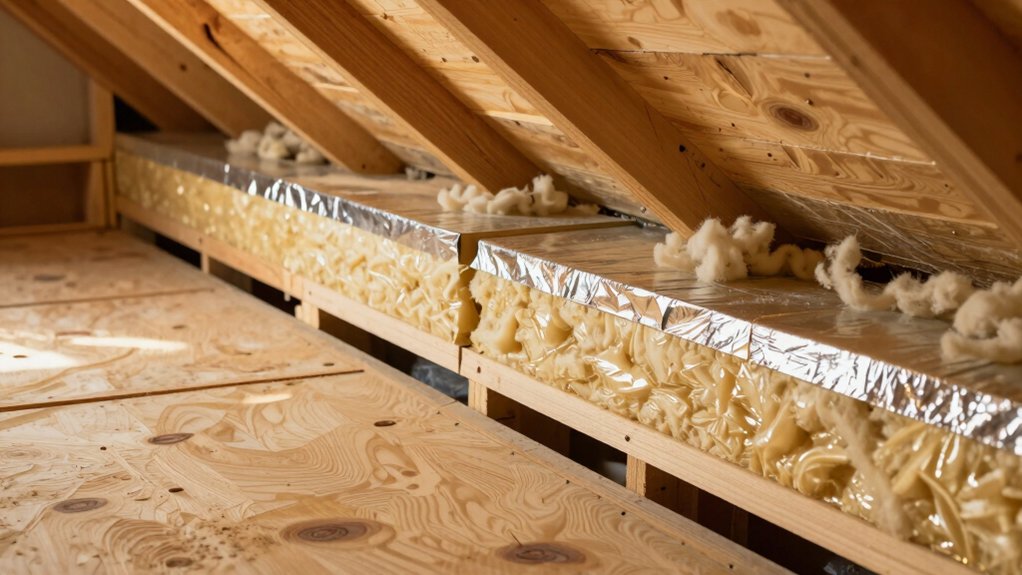
Attic insulation matters because it directly affects heat transfer between your living space and the outdoors, influencing both comfort and energy costs. You’ll notice steadier indoor temperatures and reduced HVAC cycling when the attic is properly insulated, improving overall energy efficiency.
The material choice, installation quality, and attic ventilation collectively determine thermal resistance, minimizing heat gain in summer and heat loss in winter.
Beyond temperature control, effective insulation supports indoor air quality by limiting drafts that can carry pollutants and moisture. Sealed, well-insulated attics reduce humidity swings and condensation risks, contributing to a healthier environment.
When you prioritize proper insulation, you invest in long-term comfort, predictable bills, and a stable indoor climate that reinforces a sense of belonging in your home.
Batt vs. Modern Alternatives: Pros, Cons, and Fit
When evaluating insulation options, batt performance vs. modern alternatives hinges on thermal resistance, installation practicality, and long-term durability; each choice offers distinct pros and cons that affect fit for your attic, budget, and climate.
You assess R value comparisons to quantify resistance per inch, noting batt’s predictable density versus modern options’ varying continuities. Batt benefits include straightforward installation in standard joist layouts, but air gaps can diminish performance without proper sewing or compression.
Modern alternatives—dense-packed, semi-rigid boards, and mineral wool composites—offer enhanced continuous R and moisture tolerance, yet demand precise installation techniques and professional handling in complex cavities.
Consider fit for future renovations, thermal bridges, and air sealing, ensuring chosen method aligns with code, climate, and your sense of belonging to a well-informed, technically adept community.
Sprays and Injectables: Performance, Safety, and Use Cases
You’ll evaluate spray and injectable solutions by their performance metrics and safety profiles, focusing on thermal resistance, air sealing, and moisture control.
Consider practical use cases where injections conform to existing cavities, minimize gaps, and reduce thermal bridging without compromising structure.
We’ll compare application methods, cure times, off-rise emissions, and longevity to guide material selection and installation protocols.
Performance Metrics And Safety
Performance metrics for spray-applied and injectable insulation focus on thermal resistance, air leakage reduction, moisture management, and installation consistency. You assess thermal performance by measuring R-value stability under temperature swings and long-term settling, ensuring dependable comfort.
Air leakage metrics quantify envelope tightening, condensate risk, and draft prevention, guiding detailing around penetrations and joints.
Moisture management evaluates vapor migration, mold resistance, and drying potential after installation.
Installation consistency emphasizes uniform spray patterns, curing behavior, and coverage verification to minimize cold spots.
Safety considerations address fire safety, including ignition resistance and spread potential, alongside handling hazards during application.
You’ll value materials offering predictable performance, robust testing, and clear installation guidance, reinforcing a sense of belonging through reliable, science-backed choices that align with your standards for home integrity and occupant safety.
Use Case Scenarios For Injection
Injection-based insulation, including spray foams and injectable systems, offers targeted performance outcomes across thermal protection, air sealing, and moisture management in complex assemblies. You apply injections where conventional batts can’t reach, closing insulation gaps and maintaining continuous layers despite irregular framing, behind attic access, and around penetrations.
In practice, you select formulations based on occupancy, venting, and moisture risk, balancing R-values with cure temperatures and off-gassing considerations. Load-bearing structures benefit from controlled density builds that limit air migration without compromising weight.
Safety data guides PPE, ventilation, and application sequencing, ensuring a cohesive installation where substrates vary. You evaluate access constraints, retrofit compatibility, and long-term durability, documenting performance metrics for future inspections.
The result is a reliable, integrated enclosure that honors thermal comfort, energy efficiency, and occupant belonging.
Eco-Friendly Insulation: Cellulose, Mineral Wool, and More
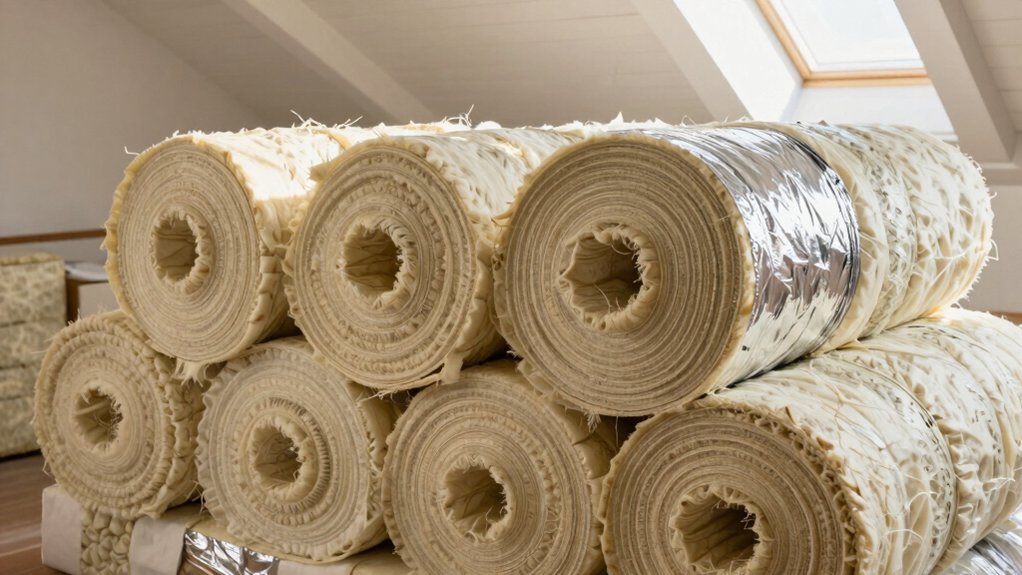
Are eco-friendly insulation options like cellulose and mineral wool viable choices for modern attic assemblies? You’ll evaluate performance, sustainability, and compatibility with existing framing.
Cellulose offers high recycled content and favorable filling capability, while mineral wool delivers superior fire resistance and dimensional stability. Both materials reduce embodied energy when sourced regionally, supporting your building’s lifecycle goals.
Consider installation methods that minimize gaps and ensure air barrier continuity; improper compaction or settling undermines thermal performance. Recycling benefits matter here: reclaimed fibers can lower waste streams and support circular design strategies, provided you verify supplier claims and building codes.
Chemical safety remains essential: choose products with documented low VOC emissions, non-hazardous binders, and clear labeling.
Choosing by Climate, Budget, and Attic Layout
Climate, budget, and attic layout determine which insulation materials perform best and how they’re installed. You should match climate-driven performance needs with cost-effective options and consider attic geometry, ventilation, and access for proper installation.
This discussion sets the framework for targeted material choices based on environment, finances, and space constraints.
Climate-Based Material Choices
When selecting attic insulation materials, climate, budget, and attic layout should drive every choice. In this climate-based approach, you evaluate thermal resistance requirements for your region, ensuring continued comfort while minimizing energy losses.
You’ll compare materials by their performance under seasonal cycles, considering moisture management capabilities to prevent condensation and mold risk in high-humidity or cold-dry swings.
In dry, cold environments, prioritize materials with low vapor permeance and high R-values per inch to maximize efficiency without increasing bulk.
In hot, humid zones, select products that resist moisture ingress and offer stable R-values with airflow compatibility.
Balance installation practicality, long-term durability, and realized cost savings, so your attic remains thermally stable, safe, and part of a shared commitment to sustainability.
Budget and Layout Considerations
Budget and Layout Considerations: When budgeting and planning attic insulation, align material choices with your climate needs, attic layout, and available workspace to minimize retrofit complexity and total cost. You’ll evaluate density, installation time, and safety constraints to choose components that fit your space without overarming crews.
Prioritize cost effective options that deliver consistent R-values while reducing voids and air leakage, then map layout to access routes, ventilation gaps, and potential future upgrades.
Consider modular, space efficient solutions that adapt to irregular attic footprints, gangways, and joist spacing, so you preserve usable storage and avoid retrofits.
Document performance targets, durability, and maintenance needs to foster confidence and belonging among your project team and household stakeholders.
Installation, Moisture Control, and Long-Term Durability
Proper attic insulation installation requires careful sequencing to guarantee continuous thermal barriers and minimize gaps. You’ll follow a disciplined workflow that pairs insulation choice with airtight detailing, verifying overlay seams and edge fasteners.
Focus on thermal conductivity values to select materials that sustain performance under seasonal swings, and translate that data into installation techniques that minimize compaction and voids.
Moisture control hinges on vapor retarders placed correctly relative to interior humidity loads and venting designed to balance moisture transport with exhaust airflow. You’ll implement passive and active drainage strategies for latent moisture, ensuring condensate won’t accumulate in joist bays.
Long-term durability comes from consistent compaction avoidance, regular inspections, and protective detailing at hatchways, penetrations, and service gaps. You belong to a disciplined system that protects comfort, efficiency, and indoor air quality.
Frequently Asked Questions
How Long Does Each Insulation Type Typically Last in an Attic?
Your attic insulation typically lasts 15–30 years for fiberglass, 80–100 years for cellulose, and 100+ years for mineral wool, with proper installation. You’ll want to monitor moisture, gaps, and air leaks to preserve insulation lifespan and durability of attic insulation.
Can Attic Insulation Affect Indoor Air Quality Significantly?
Yes, attic insulation can profoundly affect indoor air quality. You’ll notice impacts from off-gassing, dust, and moisture transport, influencing air quality impact. Prioritize proper installation, ventilation, and material choices to protect insulation health and keep everyone included.
Are DIY Installations as Effective as Professional Installs?
“Measure twice, cut once.” DIY effectiveness varies; you’ll likely save costs but may miss gaps or proper sealing. You’ll achieve comparable results only with meticulous DIY or opt for professional installation for ideal performance and consistent air quality.
How Does Radiant Barrier Performance Vary With Climate?
Radiant barrier efficiency varies with climate; in hot, sunny regions it improves cooling loads, while in cooler zones gains are modest. You’ll notice climate impact by reduced attic temperatures and lower HVAC energy, reinforcing your sense of energy-conscious belonging.
What Are Common Signs of Insulation Failure or Settling?
You’ll notice insulation gaps and pest intrusion early on, and signs include uneven temperatures and drafty spots. About 30% of homeowners report settling visibly within a decade, underscoring why you monitor attic performance with precise checks.