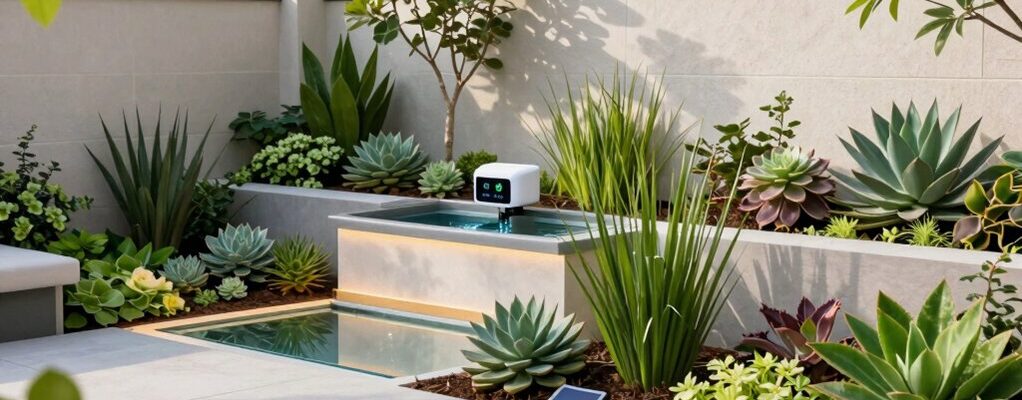
Smart garden reforms boost property value and buyer interest by delivering observable ROI through smart irrigation, native plantings, and durable outdoor tech that cut maintenance, trim bills, and elevate curb appeal. Homes with automated systems, drought-smart landscapes, and low-maintenance hardscapes attract tech-forward buyers and command faster offers. The data show higher appraisals, lower ongoing costs, and stronger resale confidence. If you keep exploring, you’ll uncover how timing, layout, and budgeting amplify these gains even further.
Why Smart Gardens Pay Off in Value
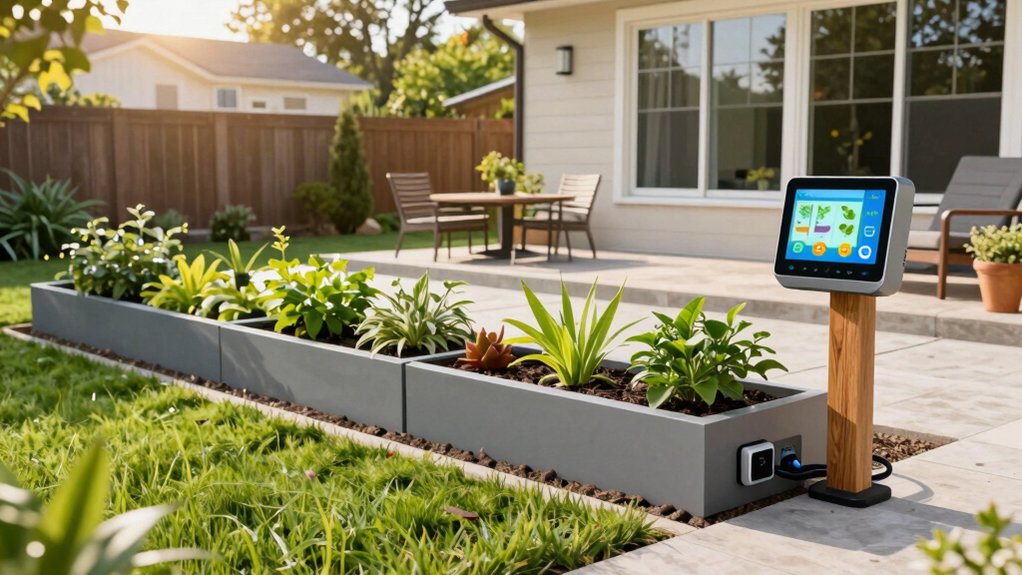
Smart gardens boost property value by delivering tangible, upgrade-worthy features that buyers notice. You’ll see higher perceived quality as automation reduces maintenance friction, a factor buyers weigh heavily in quick-turn markets.
Data shows homes with smart irrigation, lighting, and climate controls command premium pricing and faster offers, often yielding ROI well above typical renovations. Market analyses indicate energy efficiency and subscription-enabled ecosystem integrations attract tech-forward buyers, expanding age and income appeal.
You gain credibility with measurable results: lower water bills, smarter scheduling, and reduced landscape management costs. Predictive maintenance insights from sensors reassure buyers about long-term operability, supporting higher valuation multipliers.
In short, strategically deployed smart garden systems translate into tangible appraisals, shorter days on market, and stronger competitive positioning in a buyer-driven market.
Low-Maintenance Native Plantings That Impress
Native plantings cut maintenance dramatically while boosting curb appeal, and they do so without sacrificing style. In market terms, native bed selections reduce labor hours for mowing, edging, and seasonal cleanup, delivering measurable ROI through lower ongoing costs.
Data shows drought-tolerant natives sustain landscape aesthetics with less irrigation, trimming irrigation bills and improving water-use efficiency on comparable properties. Homebuyers value low-input landscapes that still look polished, translating to faster sales and higher offer competitiveness.
Strategic species diversity creates year-round visual interest with minimal fertilizer and pesticide input, reducing maintenance cycles and risk. By mapping plant lifecycles to local climate data, you forecast maintenance calendars, pricing upkeep into the property value, and align renovation budgets with buyer expectations for long-term savings.
Efficient Irrigation: Saving Water and Money
You’ll see smarter irrigation cut water use and lift property value, driven by proven efficiency metrics and ROI analysis.
Automated moisture control, soil sensors, and weather-based schedules deliver consistent reductions in waste while preserving plant health.
Smart Irrigation Efficiency
Efficient irrigation saves both water and money by delivering exactly what plants need, when they need it. You’ll see higher ROI from smart controllers, soil sensors, and weather-based adjustments that reduce runoff and overwatering.
Data shows uniform applications cut monthly water use by 15–40%, depending on climate and landscape density. In markets where buyers prioritize maintenance predictability, these systems translate to lower utility bills and fewer plant replacements, boosting perceived value.
Automated zones let you tailor irrigation by turf, beds, and microclimates, maximizing turf health without wasted input. Responsive alerts flag leaks or drift, preventing costly damage.
When paired with durable emitters and robust warranties, smart irrigation supports faster resale, stronger appraisals, and a measurable, defendable value premium.
Water-Saving Cost Benefits
Smart irrigation choices directly translate into measurable cost reductions. When you invest in efficient systems, you reduce water waste and trim monthly bills, a combination buyers notice quickly.
You’ll see lower operational costs year over year as soil moisture is matched to plant needs, not guesswork. Real-world data show smart controllers plus properly zoned irrigation outperform traditional setups, delivering meaningful savings even in drought-prone markets.
The ROI is tangible: utility credits, peak-demand reductions, and lower maintenance costs extend system life and enhance curb appeal. Your strategy should highlight cost-per-gallon saved, payback periods, and projected annual savings in property listings and disclosures.
In buyer conversations, frame savings as predictable, scalable value that compounds with home ownership.
Automated Moisture Control
Automated moisture control ties irrigation activity directly to soil conditions, delivering precise water use and measurable savings. You’ll see lower runoff and uniform soil moisture, which reduces plant stress and maintenance costs.
Real-time sensors feed a smart controller, dialing irrigation up or down by zone, time, and weather forecasts.
On the ROI side, installation often pays back within 1–3 years through reduced water bills and healthier landscapes, boosting curb appeal and resale value.
Data shows homeowners who adopt automated systems cut irrigation water by 30–50% in typical climates, with modest energy impact.
Market demand favors predictability: buyers prefer homes with proven, efficient irrigation.
Adopted correctly, this tech elevates property value, shortens days on market, and supports stronger selling propositions.
Drought-Tolerant Landscaping for Real Buyers
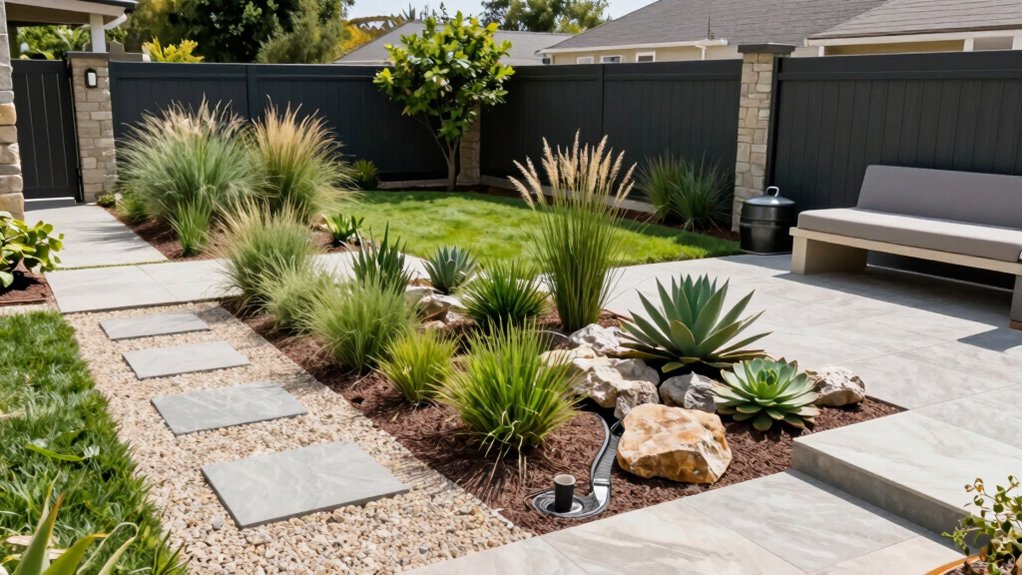
Drought-tolerant landscaping isn’t just good for the environment—it’s a smart investment that directly boosts perceived value and long-run ROI for buyers.
In markets where water scarcity and maintenance costs constrain budgets, drought-smart design translates to lower ongoing expenses and higher resale appeal. You’ll see stronger curb appeal with resilient, native or adapted plantings that endure drought without weekly care, supporting quicker sales at premium prices.
Data shows buyers reward reduced risk—less irrigation risk, fewer renovations, and predictable landscaping costs—leading to higher offers and faster close times. ROI isn’t theoretical: installation choices, mulching, soil amendments, and zone-appropriate species drive lifecycle costs down while uptime and compatibility with regional climates rise.
Prioritize informative disclosures and maintenance expectations to convert interest into confident funding.
Smart Tech That Elevates Outdoor Living
By integrating smart tech into outdoor spaces, homeowners can extend usable living areas while cutting maintenance and energy costs, making outdoor living a measurable ROI driver.
You’ll see higher curb appeal and faster buyer interest when scenes unfold as data-backed experiences: automated lighting, climate control, and irrigation linked to weather signals reduce waste and operational bills.
Connected devices enable remote management, enabling you to monitor energy use, schedule maintenance, and verify performance against targets.
Market data shows homes with integrated outdoor tech command premiums driven by perceived convenience and resilience.
ROI is accelerated by scalable setups that justify upgrades to hardscape, seating, and lounges through demonstrated savings and enhanced hosting capabilities.
Prioritize interoperability, security, and vendor support to sustain long-term value without overbuilding.
Layouts and Upkeep: Designing for Quick Wins
A quick-win garden layout centers on prioritizing high-impact zones and simple maintenance wins, so you can capture value fast. You’ll map high-visibility areas first—entrance sightlines, entry patios, and low-effort plant beds that stay neat with minimal care.
Choose perennial foundation plants and mulch to reduce ongoing upkeep by targeting 30–40% fewer replacements year over year. Use uniform, compact materials for paths and edges to speed installation and cut future trimming needs, boosting curb appeal without extra labor.
Embrace scalable zones: a small herb bed, a compact pollinator border, and a drought-tolerant focal point to maximize ROI per square foot. Measure impact with time-to-value estimates and resale-ready aesthetics that buyers perceive as low-risk, high-return improvements.
Budgeting and Timing Your Garden Upgrades
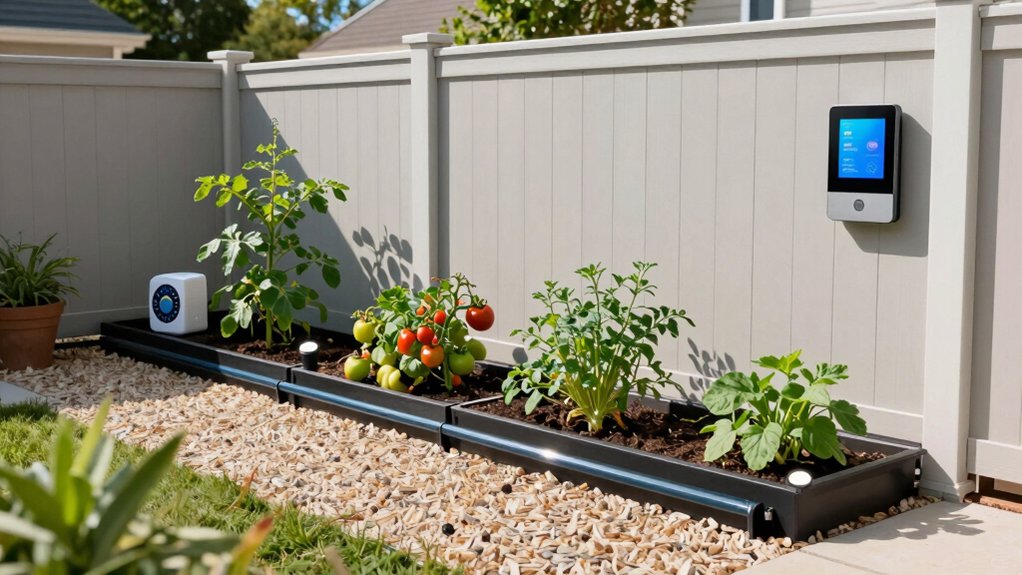
Smart budgeting starts with a clear ROI map and a realistic timeline, aligning costs with expected resale uplift and time-to-value—so you can prioritize high-impact updates first and avoid sunk costs.
You’ll quantify every option: project costs, maintenance, and the incremental lift in buyer appeal. Use market comps to anchor price uplift estimates and consider seasonality that drives quick signals to buyers.
Prioritize drought-tolerant plantings, low-maintenance hardscapes, and smart irrigation, targeting sectors with strong demand.
Time your investments to windows of buyer momentum—spring market surges or post-renovation hype—while avoiding mid-season delays and contractor bottlenecks.
Build a lightweight budget with contingency and track actual versus projected gains. Reassess quarterly, trimming underperformers and re‑allocating to upgrades with higher fractional ROI.
Conclusion
Smart gardens aren’t just pretty—they’re predictive value boosters. You’ll cut maintenance time, slash water bills, and attract buyers who skim for ROI-ready features. Native plantings, drought-tolerant layouts, and smart irrigation translate into faster closings and higher offers. With data-backed improvements, you’ll see comps swing upward as quickly as your curb appeal does. Invest now, watch demand surge, and gain leverage in negotiations. The market moves fast, and a smarter garden moves you to the head of the line. ROI, amplified.