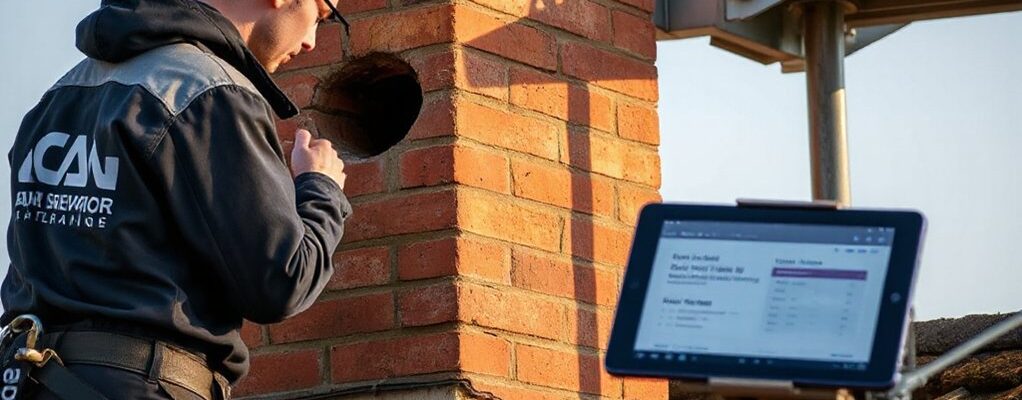
Chimney problems rarely fix themselves; ignoring signs now often leads to bigger, costlier repairs later. You’ll weigh signs like cracks, moisture, and efflorescence against the cost of scaffolding, lining, or structural supports, then compare detailed quotes from UK specialists. If affordability clashes with risk, you’ll want a clear plan: what’s essential today, what can wait, and how to verify credentials. Curious about the best approach to choosing a pro and budgeting for long-term safety? Let’s start with the key options and their costs.
Is My Chimney Worth Repairing? Key Signs and Quick Checks
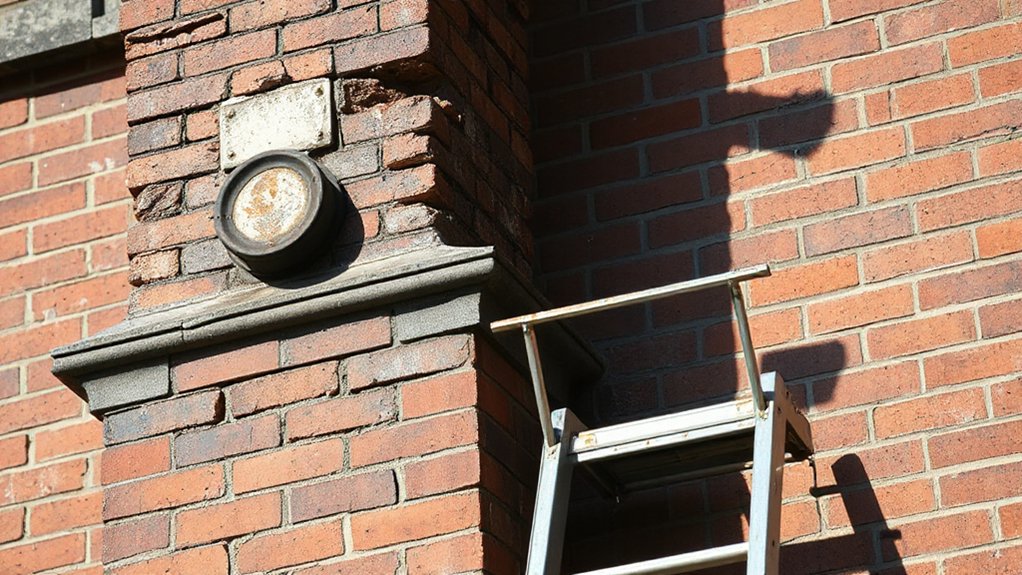
If you’re weighing repair versus replacement, start with core indicators: visible cracks, leaning or bulging bricks, moisture staining, efflorescence on the masonry, and water intrusion inside the home. You assess the type and extent of damage before deciding on action. Chimney safety hinges on structural integrity, flue condition, and proper clearances to combustibles. Minor surface cracks may seal, but deeper movement or spalling requires professional evaluation and likely repair alternatives. Look for mortar deterioration, rusted or damaged dampers, and compromised flashing at the roofline. Consider the cost-to-benefit ratio: repair may restore function at a lower upfront expense, yet persistent issues or code concerns can justify replacement. Document findings, obtain quotes, and consult a qualified mason or chimney sweep to determine the most durable course.
Common UK Chimney Repair Options and When to Use Each
In the UK, chimney repairs typically start with a clear assessment of the issue and its cause, then move to targeted options that meet building regulations and safety standards. You’ll choose repairs based on the fault type: minor masonry cracks may be sealed with compatible mortar, while spalling brick or severe deterioration demands partial rebuilding or lining replacement. For flue blockages or poor draw, Flue cleaning and liner upgrades restore performance and reduce risk. If structural movement is detected, you’ll consider steel supports or a crown repair to control further settling. For aesthetic and protective needs, Chimney paint provides a durable finish against weathering after repairs. Always verify that materials and methods comply with UK heritage or conservation requirements where applicable.
What Affects Chimney Repair Costs in the UK
Costs for UK chimney repairs hinge on both the fault type and the work required to restore safety and compliance. You’ll see costs driven by fault severity, access, materials, and labor time, plus any regulatory or preservation considerations.
- Fault type determines scope (structural, flue, waterproofing, or blockages) and drives specialist involvement
- Material quality and scaffold access influence price, especially for tall or old structures
- Chimney aesthetics and historic preservation requirements add planning and finish costs
- Compliance tests, insurance checks, and potential damp remediation extend timelines and budgets
This mix guides budgeting before quotes, helping you balance durability, safety, and appearance without overpaying.
How to Evaluate Quotes and Hire a Reputable Pro
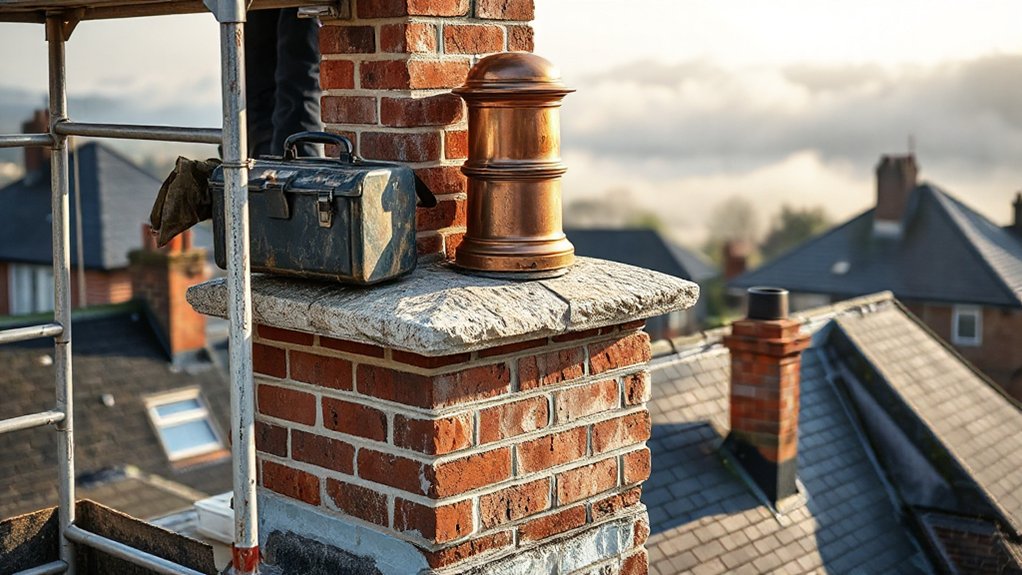
To evaluate quotes effectively, start by comparing scope and assumptions across bids—not just the bottom line. You should map each proposal to identical work items: remove debris, assess flue integrity, and confirm liner compatibility. Verify that quoted repair techniques align with identified defects and chimney safety standards. Check dealer warranties, labor rates, timing, and access requirements; note any discretionary fees. Demand detailed material specs, replacement parts, and test procedures (smoke test, flue liner integrity, and draft assessment). Prefer professionals who provide written method statements and a clear workmanship guarantee. Assess credentials, insurance, and recent project photos or references. Hire a pro who communicates plainly, documents risks honestly, and prioritises safe, compliant repairs over cosmetic fixes. Remember: reliable pilots of Chimney safety deliver transparent quotes and robust Repair techniques.
Practical Maintenance to Prevent Future Chimney Problems
Regular maintenance is your first line of defense against costly chimney problems; with a scheduled routine, you can catch issues before they escalate. You’ll implement practical checks that reduce risk, improve airflow, and extend component life. Focus on targeted tasks, not guesswork, to sustain fire safety and performance.
- Schedule regular chimney cleaning and inspection intervals based on usage and fuel type
- Inspect and replace damaged chimney liners, caps, and dampers to prevent moisture intrusion
- Clean creosote buildup, test smoke and CO alarms, and verify proper draft
- Seal cracks and schedule timely resealing to prevent heat transfer and structural deterioration
Frequently Asked Questions
How Long Does a Typical Chimney Repair Last in the UK?
You’ll typically see a chimney repair last 5–15 years, depending on maintenance. For best longevity, follow proactive chimney maintenance, schedule timely inspections, and plan repair scheduling before issues escalate, ensuring components stay intact and performance remains reliable.
Are There Government Grants or Refunds for Chimney Repairs?
Yes, you may qualify for government grants and repair refunds. You’ll need to check local schemes, eligibility, and application deadlines; documentation proves need, costs, and contractor details. Apply promptly to maximize your chances and guarantee compliant work.
Can I DIY Minor Repairs Safely Without a Pro?
Yes, you can, but only if you prioritize DIY safety and stay within limits. You’ll inspect chimney materials, avoid flammable shortcuts, and plan staging, ventilation, and rain protection before any minor repair—never compromise structural integrity or risk fire.
What Safety Checks Should I Request After Repairs?
After repairs, request a chimney inspection and confirm safety protocols are followed. You should verify gas tightness, flue integrity, chase clearance, smoke leakage, and carbon monoxide alarms, plus documenting test results and compliance with relevant safety standards.
Do Chimney Problems Affect Home Insurance Premiums?
Yes, chimney problems can raise insurance premiums. About 20% of claims stem from fire-related damage linked to chimneys. You’ll want adequate repair coverage and disclose issues; it helps prevent coverage gaps and keeps premiums proportionate to risk.
Conclusion
You’ve got options, but not all fixes are equal. Assess crack severity, moisture signs, and structural hints before deciding. Always compare detailed quotes, check credentials, and insist on quality materials and workmanship suited to UK conditions. Regular maintenance—cleaning, inspection, and timely re-pointing—prevents costly surprises. Remember: a stitch in time saves nine, so address small issues early to protect long‑term safety and performance.