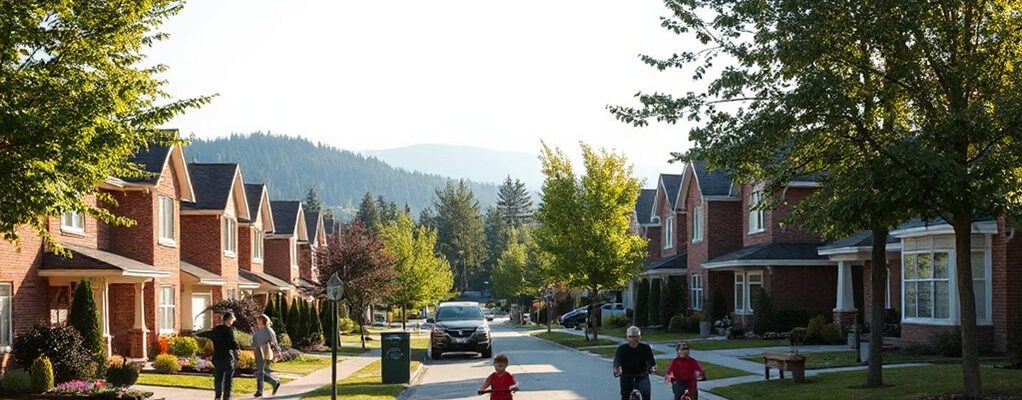
Imagine this: you map out a daily routine where parks, schools, and safe streets line up like pieces in a well-planned puzzle. In Surrey, family-friendly areas are increasingly defined by walkable neighborhoods, strong school performance, and green space access, all shaping future growth and zoning priorities. You’ll want strategies that balance housing options with transit and community amenities, so you’re prepared for what’s ahead. There’s more to uncover as you consider where these trends converge for your family.
Key Takeaways
- Prioritize neighborhoods with safe streets, strong school performance, and ample green space for active family life.
- Favor areas near transit and essential amenities to minimize commute and improve accessibility.
- Look for dense, mixed-use corridors near parks and community facilities to support year-round family activities.
- Check school catchments, projected capacity, and transparent development timelines for stability.
- Consider neighborhoods with active community events, local markets, and robust safety programs for social cohesion.
How We Chose Surrey’s Family-Friendly Neighborhoods
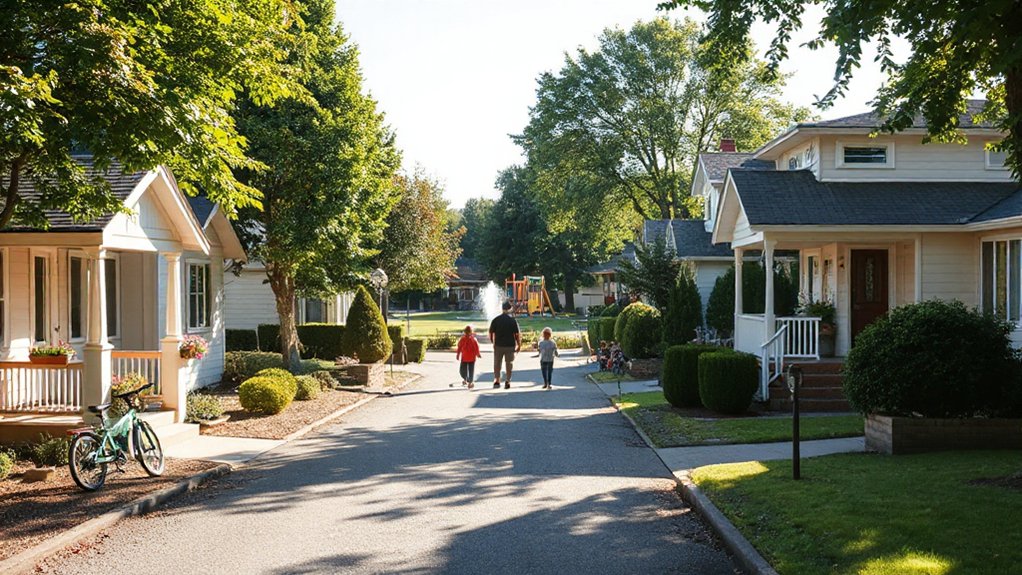
We identified Surrey’s family-friendly neighborhoods by applying objective criteria that balance safety, schools, parks, and access to amenities, then projected how these factors support long-term quality of life. You’ll see a data-driven framework: crime statistics, school ratings, park acreage, and proximity to libraries, transit, and healthcare.
We weight safety and schooling highest, then layer accessibility to date-stamped infrastructure and planned growth. Zoning implications guide where density, open space, and mixed-use corridors align with family needs.
We quantify future demand, vacancy rates, and school-capacity trajectories to forecast stability. Community events and Local cuisine are evaluated as indicators of social integration and neighborhood vigor, not as afterthoughts.
The result: a replicable, transparent method that informs policy decisions, investments, and residential choices.
What Makes a Surrey Community Great for Kids
Kids thrive where Surrey’s neighborhoods combine safety, solid schools, plentiful green space, and easy access to services. In this discussion, you’ll see how evidence informs planning decisions that shape kid-friendly communities.
A future-focused approach weighs zoning options that balance residential density with playgrounds, safe walking routes, and preschool accessibility.
Community bonding emerges when mixed-use areas connect homes to libraries, clinics, and after-school programs without long commutes.
Neighborhood safety isn’t merely crime stats; it includes traffic calming, well-lit trails, and consistent police presence in high-use zones.
Data-driven projections guide investments in parks, sport fields, and community centers that serve every age.
Top Surrey Areas for Schools and Education
Where in Surrey will you find the strongest educational outcomes shaping future neighborhoods? You’ll notice patterns in districts that prioritize robust school funding, stable catchment boundaries, and predictable zoning that supports diverse learning environments.
High-performance metrics emerge where planners couple academic programs with early literacy initiatives and extended-day options. In these areas, future housing stock adapts to families’ evolving needs, including space for remote learning and study zones, while preserving affordability through targeted density and transit access.
Local governance emphasizes continuity between school infrastructure upgrades and community amenities, enabling consistent enrollment advantages. You’ll also see home renovation potential aligned with value retention, and a growing scene for Local dining that supports family routines around school calendars.
These factors collectively shape resilient, education-first neighborhoods.
Safe Streets and a Welcoming Community
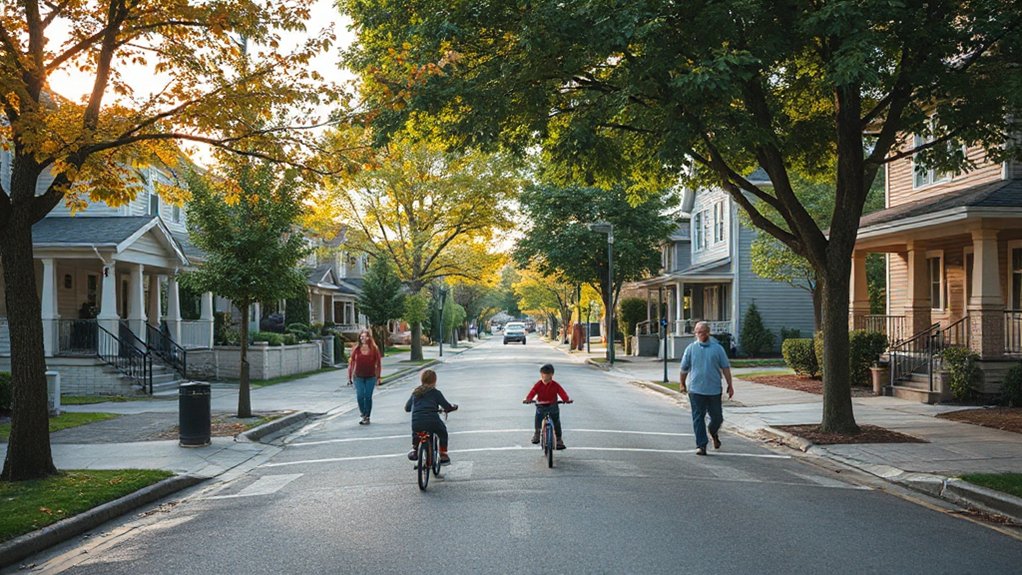
You’ll see how Safe Streets Metrics guide planners toward traffic calming, pedestrian-first design, and well-lit corridors that reduce risk for families.
A Welcoming Community Vibe is supported by mixed-use zoning, community hubs, and programming that strengthens social ties and trust.
When evaluating Family-Friendly Amenities, consider how accessible parks, schools, and safe transit connect with ongoing safety investments to shape a more cohesive Surrey.
Safe Streets Metrics
Evidence shows that well-lit sidewalks near schools reduce nocturnal incidents, while protected bike lanes encourage daytime mobility without impacting motor traffic. Future planning uses granular, block-by-block data to locate where crosswalks, curb extensions, and speed tables deliver the best safety return on investment.
You also consider land-use impacts, ensuring mixed-use nodes support community events and access to local businesses without increasing through-traffic risk. By aligning safety targets with growth forecasts, you foster resilient, walkable districts that attract families.
Welcoming Community Vibe
Evidence suggests this synergy reduces isolation while boosting voluntary surveillance and pedestrian comfort, reinforcing a virtuous cycle of safety and sociability. Future zoning should formalize pedestrian-first plans, mixed-use nodes, and short-block grids to shorten travel distances to shared spaces.
Plan for flexible, multi-use plazas that host regular community events and pop-up initiatives, reinforcing belonging. Local markets become anchor destinations, offering low-barrier access to fresh goods and social connection, without crowding or congestion.
This approach aligns risk reduction with inclusive, vibrant neighborhoods.
Family-Friendly Amenities
A family-friendly district blends Safe Streets with a welcoming environment by prioritizing amenities that reduce travel friction and encourage daily gatherings. You’ll see how future zoning supports mixed-use blocks, protected bike lanes, and pedestrian-first design that shortens trip distances and increases spontaneous contact at parks and libraries.
Evidence suggests cohesive districts with accessible transit and nearby services boost social capital and safety, especially for families with young children. Look for planned community hubs that host regular events, from farmer’s markets to after-school programs, reinforcing routine interactions.
Local dining clusters adjacent to schools and recreation areas encourage lingering, not just passing through. This approach aligns short-term livability with long-term resilience, fostering a dependable, inclusive culture through deliberate, data-informed planning.
Parks, Playgrounds, and Outdoor Time in Surrey
You’ll see how Surrey’s parks and playgrounds support active, family-friendly routines and healthy development.
As you plan future homes, consider how zoning and green space investments can increase outdoor time for kids across neighborhoods.
This discussion starts with evidence on access, safety, and programmatic needs to shape well‑rounded, park-equipped communities.
Parks And Playgrounds
Surrey’s parks and playgrounds are shaping how families plan daily time outdoors, with a focus on proximity, safety, and future capacity. You’ll notice that access is prioritized by neighborhood zoning plans, reducing commute time and enabling spontaneous play.
Data on playground safety informs equipment selection, surface standards, and supervision needs, guiding investment in certified fall zones and shade.
Park maintenance now centers on durable materials, routine inspections, and clear communication of closures, so families can adapt plans without disruption.
Projections indicate growth in urban greenspaces, with multi-use fields and splash areas designed for year-round use.
Emphasis on safety and maintenance supports equitable access, while phased expansions align with environmental goals and budget cycles, ensuring sustainable, family-friendly outdoor time across Surrey.
Outdoor Time In Surrey
Future-focused policies prioritize modular park design, expandable field spaces, and shade-conscious layouts to support year-round outdoor activities for all ages. Zoning classifiers favor pedestrian-friendly buffers, low-traffic streets, and accessible restrooms, enhancing safety and inclusivity.
Community data guide allocations toward high-demand locales, while multi-purpose venues host outdoor festivals without overburdening nearby amenities. The result is a resilient system where families enjoy reliable outdoor time, social interaction, and equitable access to natural settings.
Getting Around: Surrey Transport for Busy Families
Getting around in Surrey for busy families means prioritizing reliable, future-ready transport options that align with local zoning and school schedules. You’ll find a mix of efficient options that reduce car dependence while supporting daily routines.
Evidence suggests dedicated bus corridors near major residential clusters curb travel times and improve reliability for commute windows, while rail links connect growth towns to urban centers with minimal disruption.
Consider zoning-informed routes that place schools, workplaces, and recreation within a reasonable window of walking or cycling paths, supplemented by park-and-ride facilities where appropriate.
For commuting tips, map out multi-modal paths that combine bike sharing, safe pedestrian routes, and limited-time car pools during peak periods.
Prioritize transit-first planning to maintain predictable schedules and long-term value.
Homes for Growing Families in Surrey
As families grow, you’ll want homes that adapt with changing needs and long-term value; in Surrey, choose neighborhoods designed around schools, parks, and safe pathways.
In this context, look for layouts that accommodate home offices, guest rooms, and evolving living spaces, with zoning that supports multi-generational use.
Prioritize areas with larger lots, sound insulation, and proximity to reputable schools to secure future demand and resale stability.
Consider home renovation potential strategically, targeting adaptable kitchens, extra baths, and storage that scales with your family.
From a planning perspective, evaluate municipal policies on density bonuses and green space preservation to balance growth with livability.
Integrate family financial planning early to align mortgage terms, taxes, and long-term maintenance costs with projected needs.
Local Amenities That Make Weekends Easier
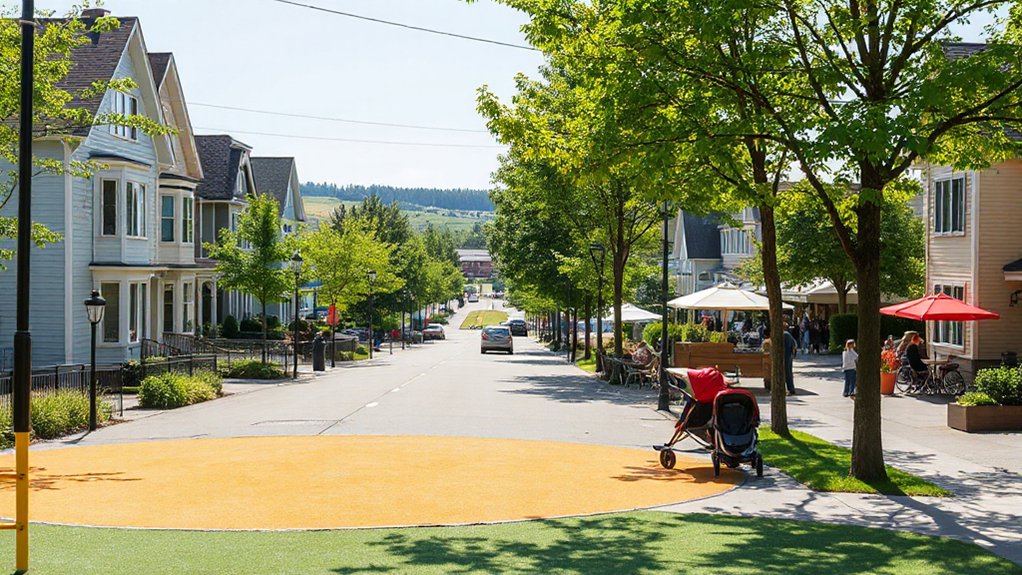
You’ll see how weekend routines tighten when you optimize local amenities like park circuits and the quick-header wardrobe tips that keep kids ready for activities without chaos.
Evidence suggests accessible parks and clearly zoned play areas shorten travel times and reduce planning friction, especially on busy Saturdays.
Looking ahead, these patterns guide you toward neighborhoods with efficient pedestrian links, mixed-use spaces, and adaptable spaces that support weekend flexibility.
Weekend Wardrobe Quick-Tips
Weekend wardrobes should prioritize versatility and weather readiness, so start with a quick plan that matches Surrey’s weekend rhythms: light layers for cool mornings, breathable tops for indoor activities, and a compact outer layer for sudden showers.
You’ll notice districts with predictable microclimates encourage modular pieces you can mix and match, reducing clutter while staying prepared.
Future-focused wardrobe planning supports zoning by time—home, errands, school events—so prioritize adaptable fabrics and easy-care materials.
Evidence from lifestyle surveys shows families benefit from compact outfits that compress well for weekend trips and car storage.
Quick tips: choose color-coordinated basics, keep a small packable shell, and rotate items seasonally to extend use.
This approach keeps your weekend wardrobe efficient, flexible, and ready for Surrey’s evolving routines.
Local Park Play Circuits
Evidence highlights how well-planned loop designs reduce car trips, improve air quality, and boost family time. Future-focused planning should emphasize shaded pathways, accessible entry points, and real-time wayfinding to support diverse ages.
In Surrey, thoughtful park maintenance across districts sustains user trust and minimizes disruption from seasonal maintenance. Prioritizing playground safety through age-appropriate equipment, cushioned surfaces, and sightlines helps parents supervise without detours.
Surrey Towns With Strong Family Programs
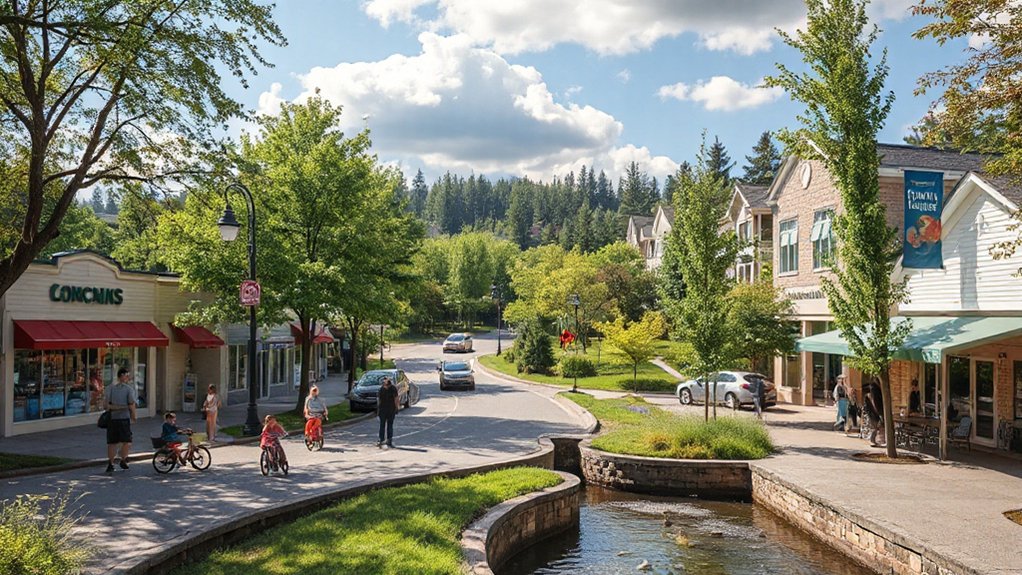
Several Surrey towns stand out for family supports, with programs that target safety, education, and recreation to shape resilient neighborhoods. You’ll find coordinated services that align with municipal zoning aims, ensuring access to safe routes, childcare hubs, and after-school hubs within mixed-use districts.
Evidence-based planning emphasizes continuous improvement: data-driven targets for traffic calming near schools, standardized safety audits, and scalable recreation facilities that grow with population forecasts.
Future-focused strategies prioritize affordable housing near essential services, while maintaining buffers for flood risk and transit-oriented development.
Community events support social cohesion without straining budgets, and local cuisine options anchor cultural significance in neighborhoods slated for compact, walkable growth.
This integrated approach strengthens family stability and municipal resilience over time.
Green Spaces and Nature Trails in Surrey
You’ll see evidence in current municipal plans that prioritize connected networks, shade, and safety upgrades to promote daytime and evening activity.
Future-focused policies emphasize habitat corridors, street-tree programs, and protected natural buffers to support wildlife habitats and enhance ecosystem services.
Forest conservation strategies are integrated with recreation zoning, ensuring trails, ponds, and greenways coexist with residential and commercial zones.
Data indicate improved mental health, reduced flood risk, and higher property values where green infrastructure is deliberate and well-maintained.
Continuous monitoring supports adaptive management and long-term community well-being.
Schools Spotlight: Primary to Secondary Excellence
From the foundation of strong green spaces, you can expect Surrey’s schools to mirror the same evidence-based planning that shapes livable neighborhoods: high-quality primary to secondary education aligned with long-range growth and zoning strategies. You benefit from consistent student pathways, with capacity planning tied to projected housing development and enrollment trends.
Local authorities emphasize rigorous curricula, skilled staffing, and targeted upgrades to facilities, ensuring schools adapt as communities evolve. This approach supports steady performance metrics, accountability, and continuous improvement across grade levels.
Community events integrate schools with residents, reinforcing partnerships that sustain student achievement. You’ll also notice consideration of local cuisine in school programs, promoting culturally responsive practices.
The result: resilient, future-ready education ecosystems connected to Surrey’s evolving, family-friendly landscape.
Budget-Friendly Surrey Family Homes
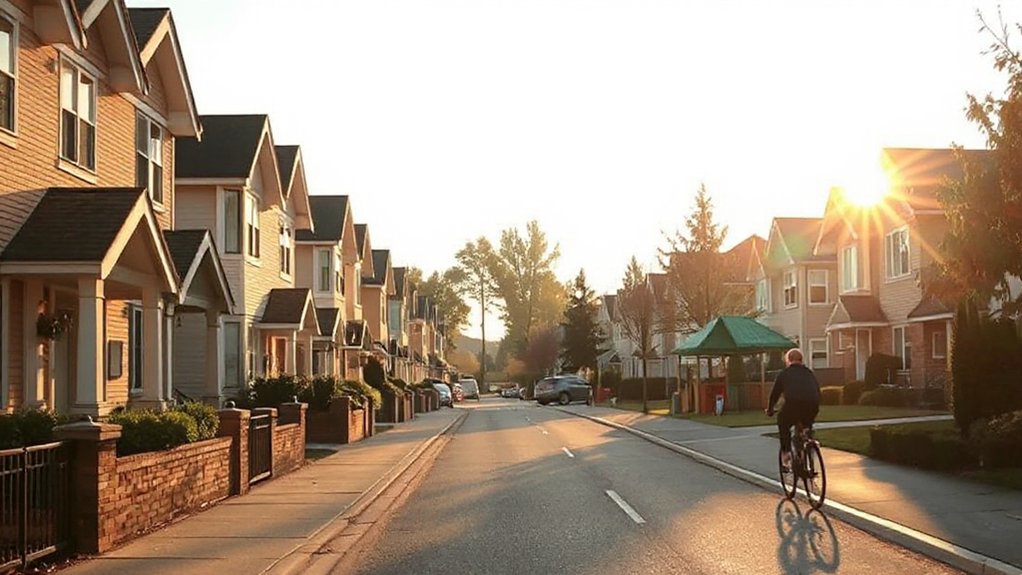
You’ll find affordable family homes and budget-friendly neighborhoods that align with Surrey’s growing demand for value-driven homeownership.
Evidence suggests zoning that concentrates modest-income options near essential services supports long-term stability and school outcomes for families.
Looking ahead, targeted planning can expand accessible inventories while preserving neighborhood character and quality of life.
Affordable Family Homes
Evidence suggests zones prioritizing mixed-use, transit access, and modest lot sizes deliver sustainable price growth while maintaining comfortable living. Look for projects with transparent pricing, phased releases, and predictable maintenance costs to preserve affordability across years.
Future-focused planning should emphasize infrastructure investments, school catchments, and pedestrian networks that mitigate transport expenses. By evaluating developers’ cost histories and warranty commitments, you reduce risk and support affordable housing goals.
In short, smart zoning choices and calibrated density enhance affordability without compromising space or quality.
Budget-Friendly Neighborhoods
Evidence suggests these areas align with current zoning that prioritizes multi-family and infill housing, expanding budget options without sacrificing access to green space or schools. You’ll benefit from predictable property taxes and stable utility costs tied to efficient building standards.
When evaluating, focus on proximity to transit, parks, and community facilities, which sustain affordable housing ecosystems over time. Future growth plans encourage density near commercial hubs, helping keep costs manageable.
Prioritize neighborhoods with transparent development timelines and achievable price bands to maintain affordability for growing families. Budget options stay viable as markets evolve.
Value-Driven Homeownership
Prioritize homes built with durable materials and energy efficiency to reduce operating costs over time, improving overall homeownership benefits. Evaluate mortgage options that balance down payment, interest rate certainty, and optional assumable terms to hedge future rate shifts.
In this framework, zoning patterns favor family-friendly density near parks, schools, and services, reinforcing predictable appreciation without forcing price surges. By comparing builders’ warranties, property taxes, and planned infrastructure, you can make evidence-based choices that sustain livability and resale strength for years ahead.
Focus on transparency, verifiable metrics, and practical affordability.
Underrated Surrey Neighborhoods to Consider
Underrated Surrey neighborhoods often fly under the radar, yet they offer solid family-friendly advantages that planners and residents prize. You’ll notice tighter zoning that prioritizes mixed-use blocks, accessible parks, and school-adjacent amenities, all designed to sustain long-term value.
Evidence suggests these areas leverage incremental development to ease infrastructure strain while maintaining character, helping families foresee future growth without dramatic upheaval. In planning terms, micro-districts promote walkability, cycling corridors, and safer street design, which support Neighborhood safety and active lifestyles.
Community engagement remains a predictor of resilient outcomes, as local boards pair residents with transparent decision processes and data dashboards. If you’re weighing options, these neighborhoods can deliver stable, scalable livability, with predictable evolution aligned to school corridors, transit access, and fiscal prudence.
Safety and Security: What Parents Should Know
Safety and security matter most when you’re weighing family-friendly Surrey areas, and you’ll want clear, future-focused factors to guide decisions. You’re evaluating neighborhoods by crime data, response times, and available community resources.
Look for low neighborhood crime baselines and transparent police activity reports, plus visible street lighting and traffic calming to deter incidents. Zoning considerations matter: walkable layouts, mixed-use blocks, and nearby schools influence daily safety routines and emergency access.
Prioritize areas with formal neighborhood watch or vetted safety programs, plus strong boundary policing between districts. Emergency preparedness is essential: consider flood and fire risk zones, local shelters, and public alert systems.
Plan for future resilience with drilled drills, accessible evacuation routes, and community readiness events to reduce harm and bolster reassurance.
Planning Your Surrey Move: A Practical Visit Guide
When planning your Surrey move, start with a targeted, evidence-based visit that maps how zoning, schools, and transit shape daily life. You’ll observe current land use patterns, note school catchment boundaries, and assess transit reliability during peak hours.
Prioritize neighborhoods that align with your family’s routines, then verify long-term growth plans and amenity access. Bring a checklist to compare community events, library programs, parks, and safety metrics, ensuring your impressions are backed by data from planning documents and school reports.
Visit potential areas at different times to gauge noise, traffic, and crowding. Seek opportunities to sample local cuisine and connect with neighbors to gauge social fit.
A practical tour should reveal how zoning decisions influence future property values and daily convenience.
Frequently Asked Questions
Which Surrey Neighborhoods Are Best for Long-Term Family Stability?
You’ll want neighborhoods with top local school rankings and ample outdoor recreational spaces, because they support long-term family stability, reflect evidence-based planning, and align with future-focused, zoning-oriented strategies that elevate community resilience and sustained, safe growth.
How Affordable Are Family Homes in Surrey’s Top Areas?
Sure, your question’s reality bites: family homes in Surrey’s top areas aren’t cheap, but you’ll still crave luxury estates and historic villages as prices rise; zoning rules shape future affordability, guiding you toward pragmatic, evidence-based planning.
Where Can I Find Family-Oriented Community Events in Surrey?
You can find family-oriented community events in Surrey by checking municipal calendars and neighborhood newsletters, where community sports and local farmers’ markets are routinely listed; future-focused planners emphasize accessible green spaces and zoning that supports such events.
Which Surrey Areas Have the Safest Streets for Kids?
You’ll find the safest Surrey streets where playground safety and street lighting standards meet strict municipal zoning. Cities prioritize visible crosswalks, low-speed corridors, and ongoing audits to reduce risk, guiding families toward neighborhoods with proven safety trajectories.
What Childcare Options Are Common in Surrey Neighborhoods?
Childcare options in Surrey neighborhoods include childcare centers and structured playgroup activities. You’ll see zoning supports mixed-use centers, future-proofed facilities, and evidence-based programs that align with age-appropriate milestones, ensuring scalable, accessible care as communities grow.
Conclusion
You’ll choose Surrey for family life because the data-backed mix of safe streets, top schools, and abundant green spaces supports long-term growth. Even if you worry about rising costs, smart zoning and diverse housing keep options flexible and future-ready. Picture your mornings along walkable corridors, kids biking to well-maintained parks, and a community that adapts with new schools and transit. When planning your move, this evidence-based, futures-focused approach makes a confident, lasting choice.