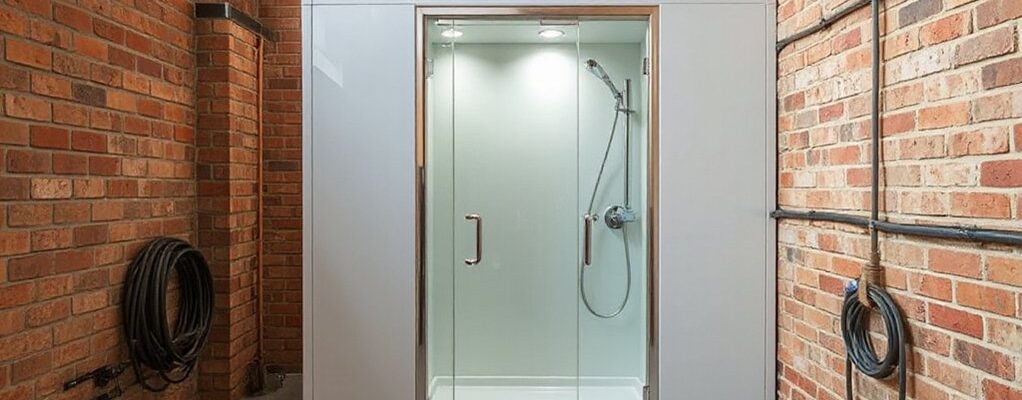
Did you know factory-made bathroom pods can cut on-site weather delays by up to 50%? You’ll gain tighter QA, faster install, and easier compliance with UK standards, all while reducing site disruption. modular design lets you adapt later, with cost predictability from bulk procurement. It’s practical, precise, and avoids overruns—but there are trade-offs and specifics you’ll want to weigh before committing. Let’s examine how this approach fits your project goals.
Why UK Builders Choose Factory-Made Bathrooms
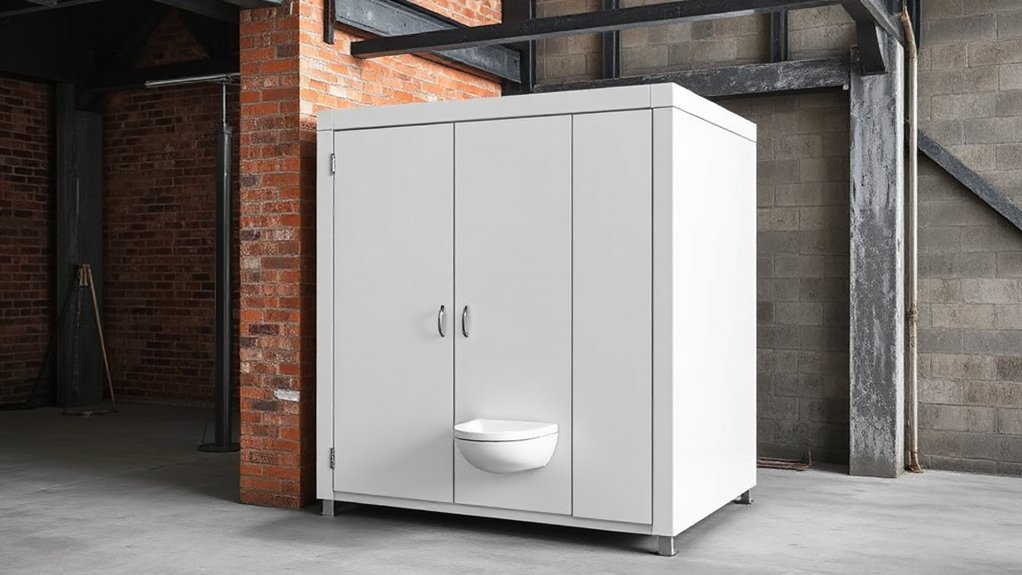
Factory-made bathrooms are gaining traction in the UK because they cut on-site time and waste, delivering a predictable, controlled build environment. You’ll see reduced disruption, faster handovers, and less weather exposure risk on site. Factory production standardizes interfaces, so connections for plumbing, electrical, and fixtures align first time, minimizing callbacks. Eco friendly materials are common, supporting lower lifecycle impacts without compromising durability. You can specify bespoke designs, tailoring layouts, finishes, and access points to match project constraints while preserving prefabrication efficiency. Quality control happens off-site, giving you consistent tolerances and fewer on-site reworks. Logistics simplify planning—precise delivery windows sync with trades, reducing storage needs. Overall, factory-made bathrooms offer reliability, safety, and sustainable options without sacrificing design flexibility or performance.
How Pod Prefabrication Cuts Construction Timelines
Prefabricated pods speed up project timelines by enabling faster on-site assembly, since much of the work is done in a controlled factory environment. This approach also reduces weather-related delays, because more critical components arrive ready for installation. You’ll see tighter schedules and fewer weather setbacks as factory processes align with site sequencing.
Faster On-Site Assembly
Because pods are manufactured off-site, you can assemble them quickly on location, cutting overall project durations from the start. You’ll benefit from streamlined logistics, improved sequencing, and predictable progress, all contributing to faster on-site assembly. The approach supports design innovation and material sustainability by allowing precise fabrication and waste reduction through controlled processes.
1) Shorter on-site tasks: modules arrive ready for quick connection, minimizing crane time and manual labor.
2) Parallel workflows: site trades proceed while pods are prepared, compressing the critical path.
3) Coordinated commissioning: integrated services in factory limits rework and speeds handover.
This method keeps schedules tight, reduces risk, and delivers reliable milestones without compromising quality or performance.
Reduced Weather Delays
Knowing how weather can derail a schedule, pod prefabrication minimizes exposure to rain, wind, and extreme temperatures by keeping most work indoors. You’ll install the bathroom pod in a controlled environment, then transport it to site for quick, single-visit integration. This approach reduces weather-related interruptions, since exterior conditions no longer dictate core assembly steps. The predictable indoor workflow supports consistent throughput, minimizes rework, and shortens critical path tasks. Weather preparedness informs logistics: crane slots, grip and shift windows, and site access are scheduled around favorable conditions, not improvised around forecasts. Seasonal planning becomes a tool, aligning factory production with demand cycles and minimizing downtime during peak weather periods. Result: tighter timelines, fewer delays, and greater overall build reliability for UK projects.
Reducing On-Site Disruption With Bathroom Pods
Off-site assembly minimizes disruption by delivering pods completed and tested, so you reduce on-site work and noise. With prefabricated units, you swap in modules quickly, cutting on-site duration and safety risks. This approach also limits site traffic and weather exposure, keeping your project schedule more predictable.
Reduced Site Disruption
Reduced site disruption is a primary benefit of bathroom pods. You’ll notice less construction noise, fewer trades on site, and quicker turnaround, because modules arrive pre-finished and ready to install. This minimizes your daytime disruption and keeps core activities on schedule. With factory fabrication, you gain tighter quality control, reduced weather risk, and predictable timelines, improving overall project efficiency. You’ll also see reduced water waste during fit-out and easier maintenance planning post-install.
1) Short on-site work window: pods arrive pre-assembled, cutting on-site construction time.
2) Coordinated trades: synchronized installation reduces conflicts and rework.
3) Streamlined commissioning: faster testing, fewer last-minute changes, and cleaner integration with systems. You benefit from water conservation and aesthetic customization through precise, factory-backed detailing during production.
Off-Site Assembly Benefits
Off-site assembly minimizes on-site disruption by delivering pre-finished, modular bathroom pods that slot into place with minimal site work. You benefit from reduced noise, waste, and scheduling conflicts, since assembly occurs in a controlled factory environment. Precision manufacturing ensures consistent fit and quicker final commissioning, cutting overall project duration. You’ll see fewer trades on site, lowering safety risks and coordination errors that typically cause delays. Design innovations optimize plumbing, electrical, and ventilation connections, enabling straightforward integration with building services without invasive construction. Material sustainability is enhanced through factory waste management and high-quality components designed for longevity. Once delivered, pods require minimal on-site finishing, accelerating handover and occupancy. In practice, you gain predictable timelines, improved quality control, and a cleaner construction footprint, aligning with efficiency and sustainability goals.
QA at Scale: Consistent Pod Quality Across Projects
Ensuring QA at scale means you can deliver consistent pod quality across projects by standardizing tests, tooling, and acceptance criteria from the start. You’ll implement repeatable inspection steps, shared test suites, and centralized defect tracking to catch drift early, before it propagates. This approach supports Design innovation and Sustainability practices by embedding quality into the design-to-build workflow, not as an afterthought.
- Standardized test suites and checkpoints across sites
- Centralized defect tracking with rapid feedback loops
- Harmonized acceptance criteria tied to performance and safety
UK Design and Compliance: Aligning Pod Specs to Standards
UK design demands that you align pod specs with compliance standards, ensuring materials, performance, and testing meet regulatory criteria. You’ll prioritize Compliance Standards Alignment, Material Specification Consistency, and Certification and Testing Protocols to avoid gaps across projects. Start by mapping standards to your design choices, then implement verifiable metrics and documentation to prove conformance.
Compliance Standards Alignment
To align pod designs with UK standards, start by mapping each specification against current building codes, safety directives, and regulatory guidelines, then identify gaps and prioritize compliance actions. You’ll anchor decisions in clear criteria, document traceability, and test results, ensuring durable, safe installations that meet certification requirements. Historical trends and cultural influences shape interpretation of codes, so stay aware of evolving expectations while preserving practical reliability.
- Cross-reference standards with design dossiers to confirm alignment and identify deviations.
- Establish a risk-based remediation plan, assigning owners, timelines, and test milestones.
- Implement formal verification, documentation, and audit trails for future compliance reviews.
Material Specification Consistency
Material specifications must be harmonized across pod designs to stay compliant and reliable. You align materials with UK design and building standards, ensuring consistency from unit to unit. Prioritize clear specification sheets that define material durability requirements, allowed tolerances, and performance criteria under expected loads, moisture exposure, and cleaning regimes. Use standardized components and documented suppliers to minimize variation and avoid rework. You’ll implement a disciplined approach to manufacturing standards, with traceable lot data, material certifications, and periodic audits of supplier performance. Maintain a single reference list for all pod models, updating as standards evolve. This disciplined alignment reduces risk, speeds fabrication, and supports predictable installation outcomes while meeting regulatory expectations and client reliability targets.
Certification and Testing Protocols
How do we guarantee every bathroom pod meets rigorous UK design and compliance standards from the first unit to the last? You follow a rigorous certification and testing protocol that aligns pod specs with UK design codes, building regulations, and safety standards. You document material provenance, thermal performance, and moisture resistance, then validate with deterministic tests and repeatable processes. You verify electrical, plumbing, and smoke-control integration, ensuring compatibility with site controls and emergency systems. You optimize for bathroom aesthetics and design customization while maintaining compliance boundaries. You implement traceable QA checkpoints, independent third-party audits, and batch release criteria to prevent drift across production runs.
- Pre-production validation, supplier qualification, and design baselining
- In-process verification, functional and safety tests, and calibration
- Final conformity assessment, product labeling, and official documentation
Pre-Installed Systems: Plumbing, Electrical, and Fixtures in Pods
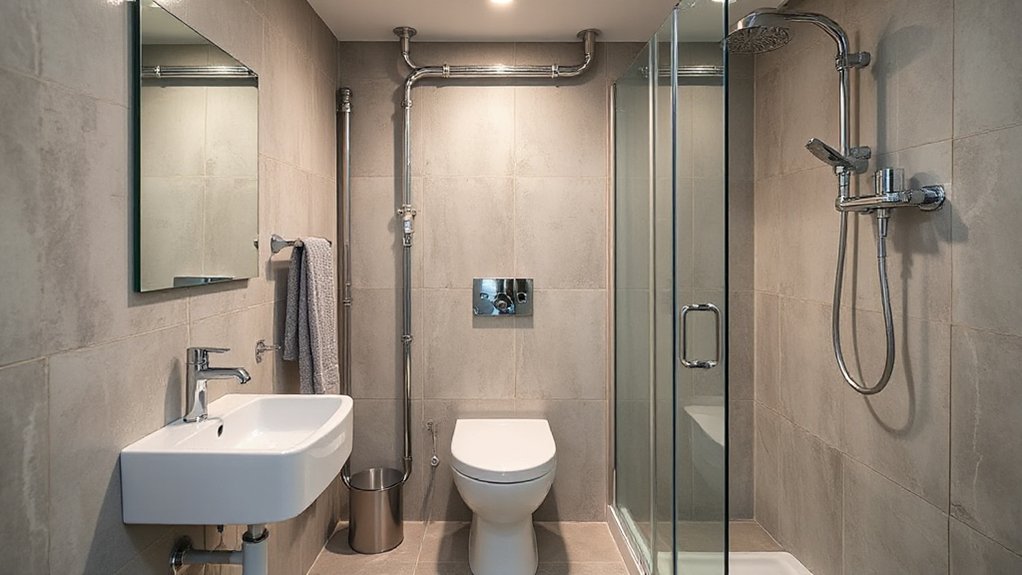
Pre-installed systems in bathroom pods streamline installation by housing plumbing, electrical, and fixtures within a single unit, ready for quick connection on site. You’ll benefit from factory-tested assemblies that reduce fieldwork, minimize leak risk, and improve quality control. Plumbing runs are usually pre-piped with hot and cold lines, waste routing, and access to fixtures, while electrical feeds and lighting are consolidated for straightforward commissioning. Fixtures are selected for compatibility and performance, ensuring standardized flows and alarms where needed. Historical trends show a shift toward modular components to shorten schedules, while market adoption reflects growing demand for predictable costs and reduced site disruption. You’ll notice fewer on-site trades, simpler sequencing, and accelerated handover, all contributing to a lower risk profile and more reliable project delivery.
Space, Modularity, and Flexibility for UK Builds
You’ll find that UK bathroom pod projects benefit from compact footprints and smart layout planning that align with site constraints and factory logistics. Space, modularity, and flexibility drive faster installation, reduced on-site disruption, and easier future Adaptations. You’ll leverage design flexibility to tailor cores, fixtures, and service routes within a defined footprint, while preserving build quality and compliance.
1) Space optimization guides pod geometry, door positions, and service access to maximize usable area without increasing footprint.
2) Modular interfaces enable quick field connections, standardized mounting, and scalable layouts for multiple configurations.
3) Flexible components empower changes in finish or utilities mid‑project, reducing rework and sustainment costs.
These principles keep UK builds efficient, predictable, and adaptable to evolving site conditions.
Budgeting With Pod Prefabrication: Cost Predictability and Risk
Budgeting for pod prefabrication centers on cost predictability and risk management throughout design, fabrication, and on-site assembly. You’ll align early design decisions with cost control goals, ensuring materials, fittings, and finishes stay within budget bands. Use standardized components and modular storage to reduce variances, and lock in unit prices through bulk purchasing and supplier pre-quotes. Create a detailed cost model that tracks factory overhead, transport, and crane or forklift needs, then stress-test it against multiple build scenarios. Regular financial planning reviews help you spot variances and reallocate funds before commitments are made. Emphasize contingency planning for late-design changes, procurement delays, and logistics, so you maintain schedules without overruns. This approach enhances predictability, supports informed decisions, and stabilizes overall project cash flow.
Safety on Site: Health & Safety Benefits of Factory-Made Pod Installations
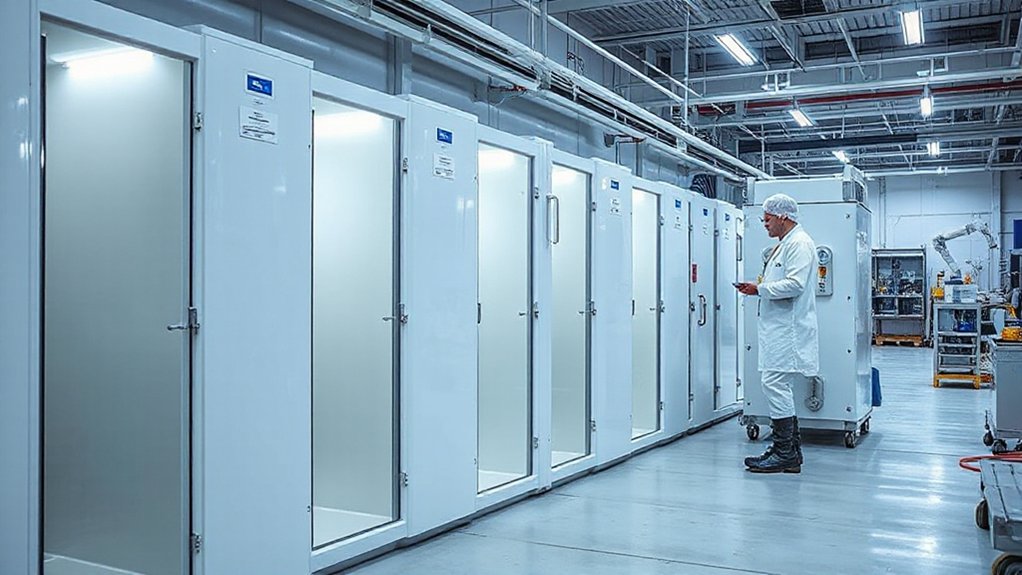
Factory-made pods reduce on-site exposure to common construction hazards by delivering a substantial portion of work in a controlled environment, where processes are standardized and risk controls are built in. You benefit from reduced manual handling, fewer trades on site, and minimized weather-related disruptions, which lowers incident potential. Safety data, quality checks, and commissioning happen prior to arrival, streamlining multipoint coordination. Eco friendly materials and design innovation are integral, improving durability without compromising safety. You’ll see tighter fall protection, reduced noise exposure, and cleaner air during assembly, translating to lower worker fatigue and error rates.
1) Reduced site trades and simplified sequencing
2) Pre-commissioning and QA in a controlled setting
3) Early hazard reduction through eco-friendly materials and design innovation
Real-World UK Outcomes: Case Studies and Takeaways
Across the UK, real-world deployments of bathroom pods show measurable benefits in schedule adherence, cost control, and quality outcomes. You’ll see case-study patterns where modular production reduces site variance, enabling tighter milestone tracking and predictable handovers. Historical trends reveal learning curves in integration with existing services, driving improved coordination between trades and reduced rework. Takeaways include standardized interfaces, which minimize field-assembly risks and shorten commissioning windows. You’ll also note environmental impact improvements: factory prefab lowers waste, optimizes material use, and curtails on-site emissions due to reduced crane time and transport trips. Real-world data emphasize risk management through early design-for-manufacture decisions and robust QA checks before shipment, ensuring consistent performance across projects. Apply these insights to future UK builds for repeatable outcomes.
Frequently Asked Questions
How Do Pods Affect Post-Build Snagging in the UK?
Pods reduce post-build snagging by ensuring tight tolerances and integrated systems, so you experience fewer fixes. Design flexibility lets you adapt layouts quickly, while material durability minimizes wear and replacements, keeping snagging low throughout occupancy.
Can Pods Be Adapted for Unusual UK Plumbing Layouts?
You can adapt pods for unusual UK plumbing layouts with Innovative plumbing and Custom adaptations, using modular connections and flexible inlets. You assess constraints, plan routing, and implement seal integrity, ensuring service access and leak prevention throughout installation.
What Warranty Covers Factory-Made Bathroom Pods Here?
You’ll get a thorough 5– to 10-year warranty on factory-made pods, depending on supplier. Fact: design flexibility helps with site changes; this supports cost management. You’ll benefit from clear terms, practical coverage, and documented defect protection.
Are Pods Compliant With UK Energy Efficiency Standards?
Yes, pods can meet UK energy efficiency standards and Legal compliance, provided you choose compliant designs and install them correctly; verify insulation, seals, and HVAC specs, plus properly ensure certification seals and documentation accompany your installation.
How Do Pods Influence Insurance for UK Projects?
You’ll see insurance effects improve with proven material durability and clear design specs, reducing risk. Material durability lowers premium variability, while cost implications balance upfront protection against long-term claims, influencing coverage limits and deductibles for UK projects.
Conclusion
In short, bathroom pods are the rocket fuel for UK builds. They slash timelines, slash disruption, and slash waste, all while delivering rock-solid quality you can trust. Think factory precision meeting site reality, with safety baked in and costs kept predictable from day one. When you want fast, compliant, and future-proof bathrooms, pod prefabrication isn’t just a choice—it’s the power tool you didn’t know you needed. Your project, upgraded in record time.