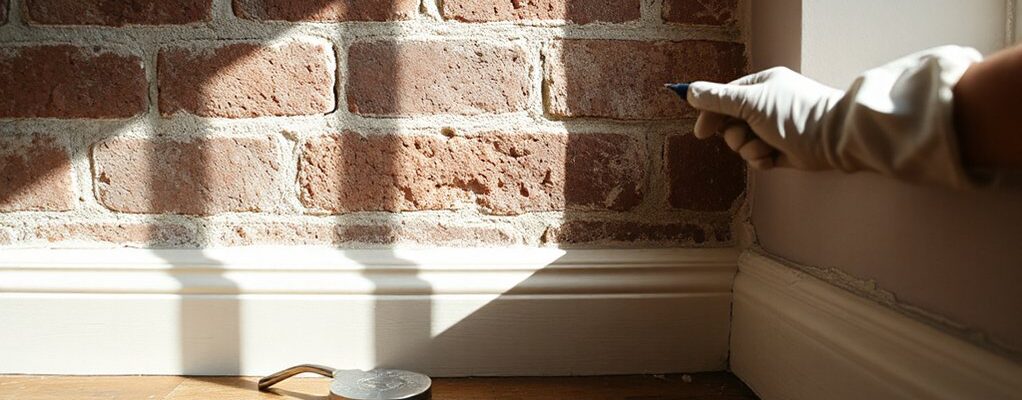
You step into a damp wall that speaks in whispers of past drafts and hidden lime. You’ll want breathable materials that let moisture escape, not trap it, and you’ll weigh lime mortars against modern barriers with care for historic fabric. The path isn’t just about stopping damp; it’s diagnosing causes, choosing reversible, eco-friendly options, and balancing health with preservation. Curious how to map your home’s moisture cycle and select treatments that protect character without compromising structure.
What Causes Damp in UK Period Homes?
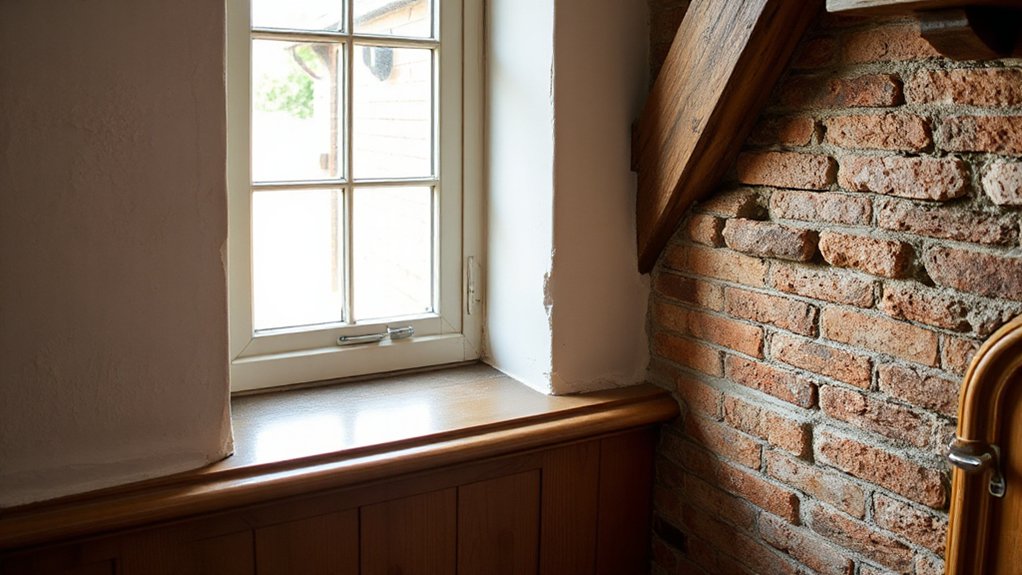
Damp in UK period homes arises from a combination of moisture sources and building design factors that historically weren’t addressed with modern damp-control methods. You’ll see how historic practices, brickwork, and mortar compositions interact with moisture movement, ventilation, and ground bearing. In this context, Historical architecture often features solid walls, lime-based mortars, and limited insulation, which influence water ingress pathways and evaporation rates. Poorly detailed junctions between walls, floors, and foundations trap moisture, while rising damp travels through capillary action in porous substrates. External failures, like defective gutters or breached damp courses, compound interior humidity. You’ll note that Modern interventions must respect fabric, avoiding aggressive alteration that undermines authenticity. Understanding these dynamics helps distinguish necessary repairs from invasive upgrades, preserving structural integrity and the period atmosphere.
Breathable Materials That Preserve Original Charm
Breathable materials play an essential role in maintaining the fabric of UK period homes by managing moisture without sealing it in. You select fabrics, plasters, and timbers that permit vapor transmission, aligning with original construction practices while supporting contemporary safety standards. Prioritize materials with low bulk water absorption and appropriate porosity to avoid trap, capillary transfer, or efflorescence. You assess historical accuracy alongside structural compatibility, ensuring each element mirrors period detailing and modern performance. Material compatibility matters: moisture movement, thermal mass, and movement resistance must harmonize with existing walls, laths, and plaster. Implement breathable options that resist decay yet accept minor humidity swings. In practice, you document provenance, test for contaminants, and monitor long-term behavior, sustaining the home’s character without compromising durability or interior comfort.
Damp-Proofing Methods: Lime, Mortar, and Modern Barriers
Limestone-based lime mortars, traditional lime mortars, and modern damp-proofing barriers each address moisture in distinct ways suited to UK period structures. You compare their performance in situ, prioritizing breathability, reversibility, and compatibility with historic fabrics. Lime mortars manage capillary rise and evaporation, while traditional mortars offer vapor openness that reduces trapped moisture in walls. Modern barriers, when appropriate, provide targeted damp control without altering entire wall systems. You assess compatibility with lime-based renders, brickwork, and stone assemblies, balancing structural support with long-term preservation. Consider historical preservation goals, ensuring interventions remain reversible where feasible and removable without damage. Eco friendly materials inform choices, favoring lime-based products and breathable additives. Your selection aligns moisture management with conservation ethics and durable, low-impact results.
Step-by-Step: Diagnose, Assess, and Treat Your Home
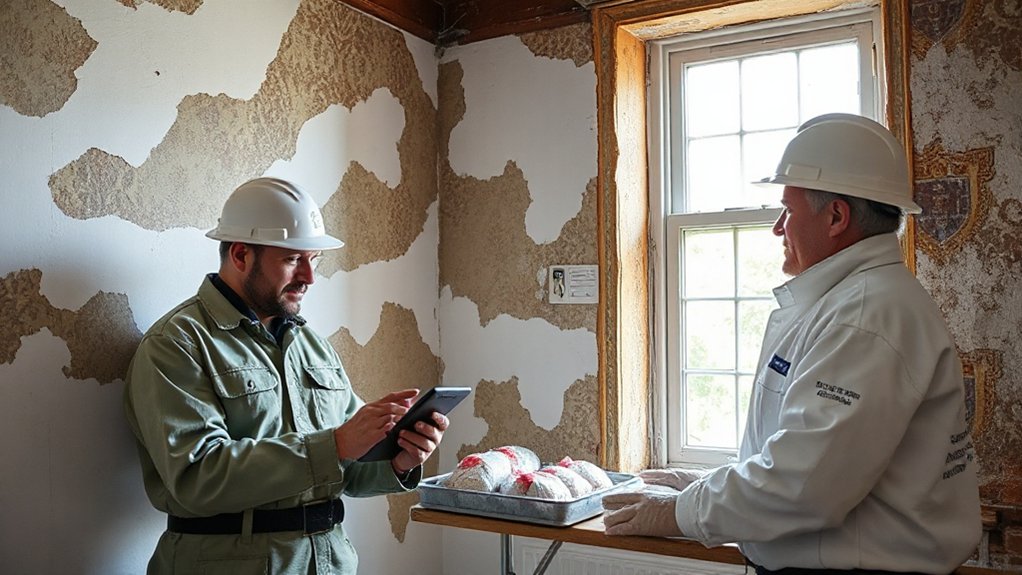
Begin with a systematic survey of symptoms, signs, and reports from occupants to establish the scope of damp and humidity issues across walls, floors, and timber. You then document moisture profiles, capillary rise indicators, and timber decay patterns, noting seasonal variations and building fabric limitations. Next, perform a moisture and humidity assessment using calibrated readings, thermography where appropriate, and historic fabric tolerances to avoid overexcitation of delicate substrates. Classify findings by source—infiltration, condensation, or rising damp—and prioritize intervention by impact on structure and historical preservation. Develop a concise treatment plan that favors eco friendly solutions, reversible measures, and breathable materials compatible with old masonry. Conclude with monitoring protocols to verify effectiveness while respecting context and preserving character.
Choosing Treatments That Protect Health, Mood, and History
Choosing treatments that protect health, mood, and history requires selecting interventions that support occupant well‑being while preserving traditional fabric and historic value. You should prioritize solutions that balance adaptation with conservation, prioritizing materials and methods proven compatible with aged building assemblies. Focus on interior ventilation to manage air quality without disrupting historic envelopes, and guarantee moisture control is integral to design, not an afterthought. Use non‑invasive monitoring to guide decisions, avoiding rapid alterations that could compromise structural or decorative integrity. Select breathable, compatible products and detailing that minimize condensation, mould risk, and off‑gassing. Align interventions with building chronology, local climate, and occupancy patterns, documenting every change for future stewardship. Ultimately, choose treatments that sustain health, mood, and the documented history of the fabric.
Frequently Asked Questions
How Do I Distinguish Between Damp and Condensation in Period Homes?
You distinguish damp from condensation by moisture source and patterns: damp shows persistent wet patches, mould growth, and peeling paint; condensation forms near windows, on cold surfaces, with crisp air, not spreading through walls. Inspect ventilation, insulation, and growth signs.
Will Damp-Proofing Affect the Home’s Historical Fabric or Charm?
Yes, damp-proofing can sustain historical preservation and aesthetic integrity by targeting moisture sources without altering fabric; you’ll protect plaster, timber, and brick. You’ll preserve character, while technical installations blend with traditional detailing and structural stability.
Are There Cost-Effective DIY Damp-Proofing Options for UK Homes?
Yes, you can start with budget-friendly options: inspect moisture sources, apply Damp treatment where needed, and install moisture barriers in critical zones. Prioritize breathable, non-invasive methods to protect fabric while avoiding over-application or harm to structure.
How Long Does Lime-Based Damp Treatment Typically Last?
Lime-based damp treatment typically lasts decades, with durability varying by mix, application, and substrate. You should expect lime durability to influence treatment longevity, as proper curing and breathable mortar systems extend preservation-focused performance over time.
Can Damp-Proofing Solutions Impact Indoor Air Quality?
Yes, damp-proofing solutions can affect indoor air quality, but properly executed, you’ll enhance preservation and safety; damp proofing effectiveness reduces mold risks, while targeted ventilation improves indoor air quality without compromising historic fabric.
Conclusion
You now know how damp thrives and how breathable lime-based systems keep historic fabric intact, so you can act with precision rather than guesswork. Assess moisture, choose compatible materials, and apply minimally invasive interventions that protect health and heritage. Your home’s core will thank you with stability and longevity—it’s practically a temple of resilience. Remember: even small, reversible steps beat large, destructive fixes every time, saving plaster, mortar, and charm in one decisive, life‑sustaining move.