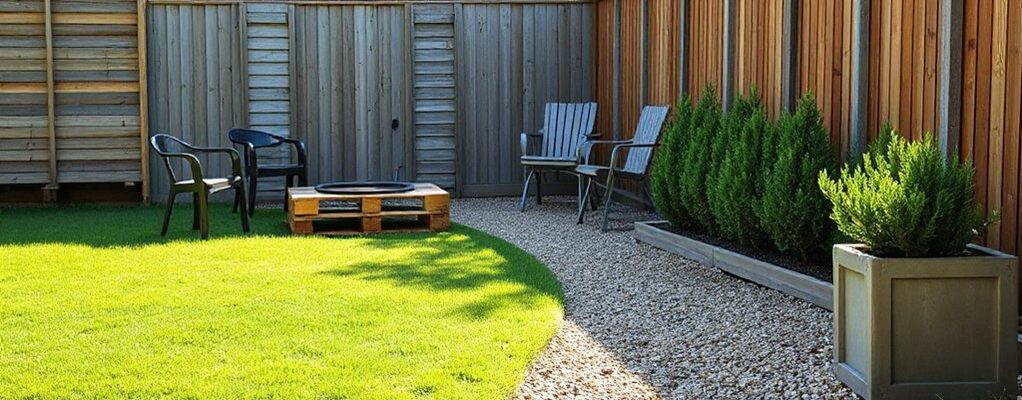
Think of your UK backyard like a curated puzzle: small, affordable pieces can create a coherent whole—80% of the impact comes from 20% of the effort, if you choose right. You’ll want durable, cost-effective materials, smart DIY steps, and seasonal planting that thrives with minimal upkeep. You set priorities, you map a plan, you pull together reclaimed, recycled, and local sources. Ahead lies a practical path that keeps costs down while delivering lasting beauty—but there’s a smart approach you’ll want to follow.
Define Your UK Garden Budget and Goals
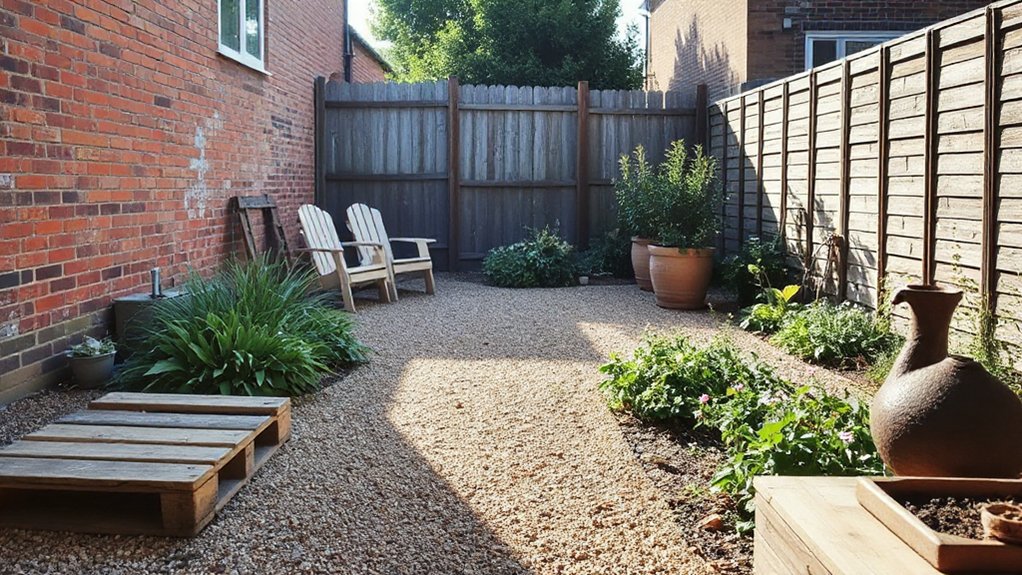
Setting a clear UK garden budget and goals up front helps you avoid costly detours. You’ll define your priorities by space, sunlight, and climate, then translate them into concrete targets. Start with a practical budget yardstick: hard costs, soft costs, contingency, and seasonal spikes. When planning Garden design, map zones for’rest areas, paths, and focal points, aligning each with your budget limits. For Plant selection, choose resilient, low-maintenance species that flourish in UK conditions, prioritizing native options and seasonal interest. Quantify success with measurable goals: bloom windows, year-round structure, and water-use targets. Document choices in a simple brief: what you’ll plant, where, why, and total cost. With clear criteria, you’ll avoid impulse buys and preserve overall aesthetic cohesion.
Budget-Friendly Hardscapes You Can Install Quickly
You can get stylish, durable layouts fast with quick concrete pavers that snap together for a clean, uniform look. If you want budget-friendly options, consider affordable stone alternatives that mimic the texture and color without breaking the bank. For a tidy edge, DIY edging solutions keep margins crisp and defined, so you can finish your hardscape in a weekend.
Quick Concrete Pavers
Quick concrete pavers offer a fast, durable upgrade for budget-friendly hardscapes, letting you lay a clean, uniform surface in a weekend. You’ll get a solid base that resists weather shifts and foot traffic, with minimal maintenance required. Choose interlocking shapes or simple slabs to streamline installation and reduce waste. Plan a tight grid pattern and spacing that accommodates expansion joints, so cracks don’t propagate. For a refined look, pick light, neutral tones that brighten shaded corners and harmonize with your garden aesthetics. Seal edges to guard against staining and preserve color. Ready-mixed blends simplify mixing and pouring, while a brush or roller finish adds subtle texture. Consider plant selection along borders later, keeping the focus on durable, easy-care hardscape efficiency.
Affordable Stone Alternatives
Affordable stone alternatives offer the look of solid stone without the high price, and they install quickly enough to fit a weekend project. You’ll get durable, weather-ready surfaces that mirror natural stone or deliver convincing faux alternatives, with far less weight and hassle. Precision, practicality, and aesthetics guide your choice, so you match texture and color to your garden. Consider these options:
- Faux stone veneer for walls and borders
- Concrete pavers that resemble flagstones
- Resin or polymer coatings with stone-like finishes
- Natural stone fragments used as stepping stones
Installation tips keep you efficient: measure correctly, fit joints tightly, and seal where needed. Maintenance stays minimal with durable finishes, while the result enhances curb appeal and outdoor usability.
DIY Edging Solutions
Edging that fits a tight budget and a busy schedule can transform beds and paths in a single weekend. You’ll choose simple, durable options that install quickly and look sharp year after year. Start with modular timbers, recycled plastic edging, or concrete blocks set on a shallow trench for clean lines. Use a taut string line to maintain alignment, then backfill with compacted soil and fine gravel for stability. Consider metal landscape edging for a near-seamless profile that resists bending. For color and texture, paint or stain timber or blocks to match garden aesthetics, keeping maintenance minimal. Integrate low-cost, solar or LED outdoor lighting along the border to highlight edges at night. The result is polished, functional hardscape that enhances curb appeal without draining your budget.
Upcycled Features That Add Wow Without Breaking the Bank
You can transform a yard on a budget by choosing clever, practical upcycled features that deliver real WOW. You’ll lever aesthetic impact with simple, durable ideas that feel premium without the price tag. Here’s how to start:
1) Repurposed pallet seating that’s comfy, weatherproof, and easy to reconfigure.
2) Upcycled metal planters with a patina, creating bold vertical interest and tidy integration of garden furniture.
3) Reused bricks or timber to craft a low-cost, sturdy edging and a miniature retaining wall.
4) Water features using salvaged containers or barrels, delivering soothing sounds and a focal point.
These elements combine form and function, delivering style with sustainability. Focus on finish, durability, and proportion to maximize wow per pound.
Year-Round Planting Schemes for UK Climates
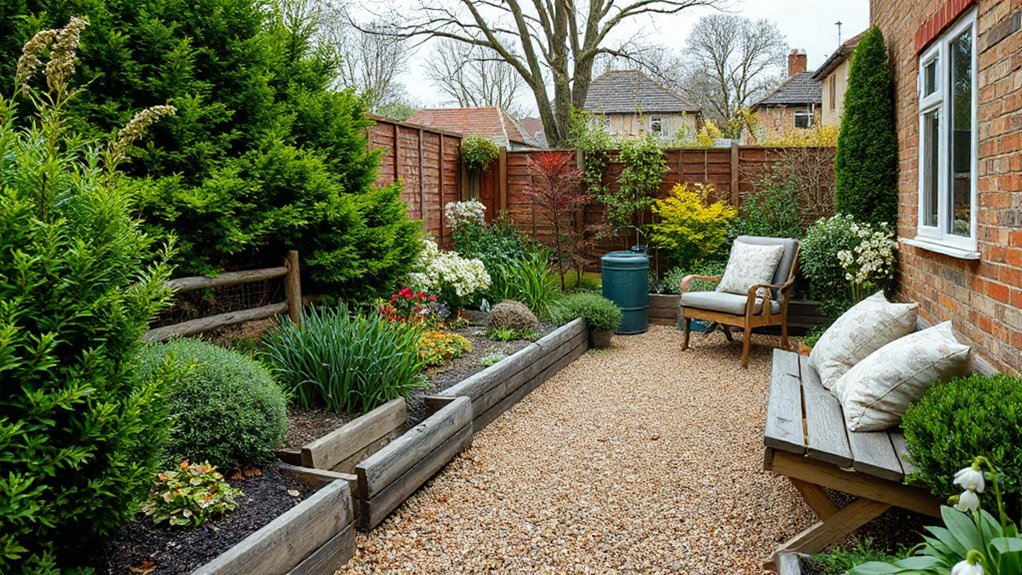
Year-round planting in UK gardens hinges on choosing combinations of seasonal, resilient species and smart bed design that keep color, structure, and texture through all seasons. You’ll blend evergreen structure with seasonally flashy accents, selecting adaptable grasses, shrubs, and perennials that tolerate shifts in rainfall and soil. Plan layered beds: tall focal plants at the back, mid-height fillers, and low groundcovers to suppress weeds. Rotate color palettes to maintain interest, using Seasonal flower combinations for bursts of bloom from spring to autumn and subtle winter interest with berries or bark. Choose Wildlife friendly planting that supports pollinators and birds year-round. Keep maintenance lean with mulching, smart pruning, and efficient irrigation to maximise colour without extra expense. This approach delivers year-long aesthetics, practicality, and value.
DIY Projects to Save Money and Boost Quality
Start with smart material choices to shave costs without sacrificing durability, like modular pavers and reused gravel for paths. Plan your plantings around compact, low-water varieties to cut irrigation needs and boost long-term success. Use simple, repeatable projects—mulch, edging, and containerized planting—to elevate quality while staying budget-friendly.
DIY Material Savings
When you’re planning landscape projects on a budget, focus on DIY material savings that don’t compromise quality. You’ll maximize value by smart sourcing, upcycling, and precise planning, keeping aesthetics intact. Consider these tactics:
- Reuse and refurbish: repurpose pallets, stringify edges, and treat timber for longevity.
- Upcycle garden furniture: sand, repaint, and seal to extend life without new costs.
- Source local materials: gravel, stones, and bricks from nearby suppliers to cut transport.
- Optimize systems: design efficient watering systems with drip lines and timers to reduce waste.
Budget-Friendly Planting Tips
Even on a tight budget, you can create thriving plantings by choosing cost-effective strategies that don’t sacrifice quality. Begin with smart garden design: group plants by sun exposure, water needs, and growth rate to minimize maintenance and soil amendments. Select hardy, region-appropriate varieties, prioritizing drought-tolerant species for reliability. When choosing plants, focus on plant selection that offers seasonal interest—color, texture, and structure across the year. Use layering: canopies, midstory, and groundcover to maximize impact with fewer specimens. Source from local nurseries, swaps, or division of established perennials to cut costs without compromising health. Consider soil health first—amend modestly with compost to boost establishment. Plan paths and focal points early to guide planting density. This approach guarantees cohesive garden design and lasting, low-maintenance beauty.
Where to Source Cheap Materials in the UK (and What to Avoid)
If you’re budgeting a garden refresh, start by looking beyond big-box stores and vendor ads to trusted, cost-conscious sources in the UK; you can save considerably by prioritising reclaimed, bulk, and seasonal options. You’ll sidestep markup and still get sturdy, visually appealing materials.
- Reclaimed items from salvage yards and skips (with permission) offer cheap alternatives and character.
- Local reclamation firms and builders’ merchants sell bulk quantities at lowered prices.
- Seasonal discounts from garden centres, online auction sites, and community swaps reduce costs.
- Community groups, tip networks, and DIY co-ops help you avoid material pitfalls while sharing surplus.
Seek quality, not bulk, and verify condition, fit, and safety before purchasing.
Create a Practical Budget Plan, Maintenance Routine, and Value You’ll Gain
A practical budget plan starts with a clear target: what you want your refreshed garden to deliver, and how much you’re willing to invest to get it. You’ll map a simple line item: essentials, enhancements, and a contingency. Set realistic timelines and assign weekly tasks to keep momentum without overwhelm. Maintenance routines matter as much as wiring, soil, and shade; schedule seasonal checks for irrigation, mulching, pruning, and weed control. Track costs and reallocate savings toward high-impact touches like Garden furniture that endures and a small Wildlife habitats area that requires minimal upkeep. Prioritize resilience, so upgrades don’t demand constant bug fixes. Value emerges as you balance beauty with function: durable materials, less waste, and a garden that still looks sharp after rain, sun, or frost.
Frequently Asked Questions
How Can I Maximise Impact With Micro-Scale Garden Spaces?
Maximise impact by embracing container gardening and vertical planting, you’ll stretch space while boosting color and structure. Choose compact, modular planters, smart shelving, and layered textures; pair drought-tolerant species with climbers, and rotate displays for constant freshness.
Which Plants Require the Least Upkeep in UK Climates?
Drought-streaked petals collide with a mossy stone, revealing low maintenance plants that thrive. You’ll prefer native species, flourishing with minimal fuss, and you’ll prune lightly, water sparingly, and still enjoy year‑round color and practicality.
What Grants or Subsidies Support Budget Garden Makeovers?
Community grants and renewable subsidies can support your budget garden makeover. You’ll access local authorities, environmental bodies, and utility programs, then implement practical, aesthetically pleasing designs that save water and energy while staying within your budget.
How to Measure ROI for a DIY Landscaping Project?
You measure ROI by landscape valuation after project completion, then track costs against perceived value increases. Use ROI calculation: net gain divided by total investment. You’ll quantify aesthetics, practicality, and function to justify every budget-aligned decision.
What Mistakes Most Cost Homeowners in UK Gardens?
You’ll overspend by neglecting garden design basics and lawn care fundamentals; avoid costly tweaks. Prioritize efficient layout, proper soil, smart spacing, drought-aware plant choices, and timely lawn care. You’ll save money and enhance aesthetics with precision.
Conclusion
You’ve got a clear game plan for a stunning UK backyard without breaking the bank. Prioritize durable, low-cost hardscapes, upcycled touches, and seasonally robust planting. DIY bits cut costs while boosting quality, and sourcing smartly keeps expenses honest. Maintain a practical routine to preserve beauty with minimal effort. Stick to your budget, tune plant choices to year-round interest, and you’ll reap lasting value. In the end, your space will come together, a well-earned watering of success that’s “money well spent.”