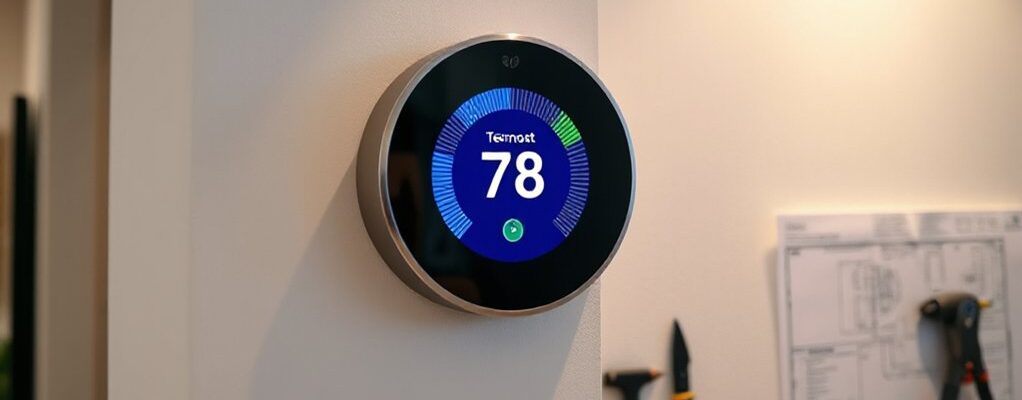
Budget-friendly smart thermostats deliver reliable temperature control, solid energy savings, and easy setup without breaking the bank. Look for models under $100 that offer stable Wi‑Fi, clear scheduling, and straightforward app controls, plus compatibility with Google Assistant, Alexa, and HomeKit. Check wiring needs (C‑wire often helps) and consider total cost, including installation and long‑term payback. Prioritize intuitive interfaces and reliable remote access. Want budget picks and practical tips you can use today? Continue on to learn more.
Key Takeaways
- Prioritize models under $100 that offer reliable Wi‑Fi, intuitive scheduling, and clear energy insights for quick wins.
- Ensure compatibility with Google Assistant, Alexa, or HomeKit for seamless voice and app control.
- Look for straightforward installation with common wiring (C‑wire) and minimal professional setup.
- Favor energy-efficient algorithms, predictable temperature holds, and simple diagnostics for easy maintenance.
- Consider total cost vs. long-term savings, including payback period and warranty support.
What Qualifies as an Affordable Smart Thermostat
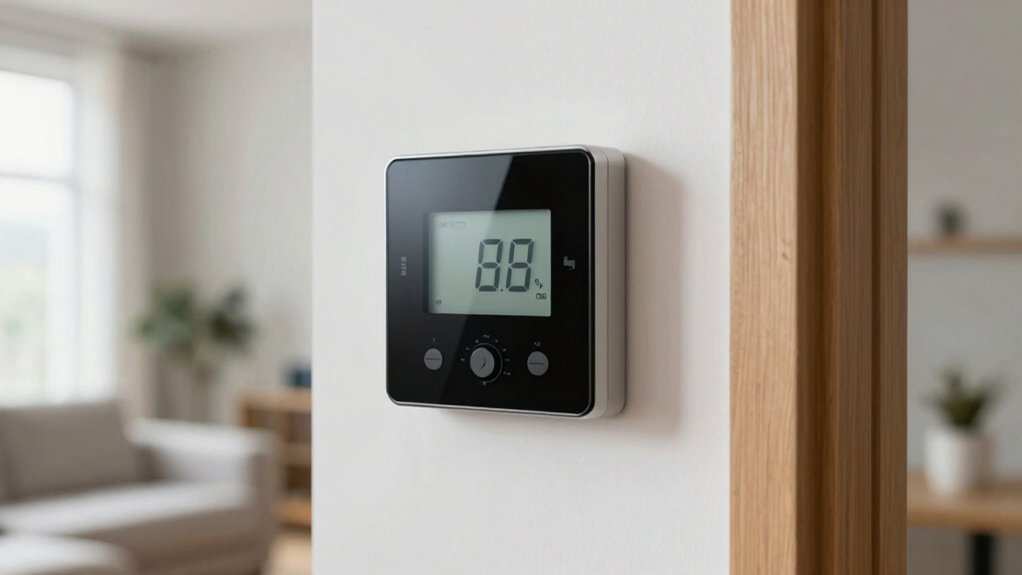
When considering an affordable smart thermostat, the key is balancing price with core features and reliability. You’re evaluating value, not vanity, so focus on measurable outcomes: energy savings, dependable connectivity, and straightforward setup.
An affordable unit should deliver practical performance without gimmicks. Look for compatibility with your existing heating and cooling system, reliable scheduling, and remote access that doesn’t introduce latency.
Prioritize energy efficient upgrades that reduce utility costs over time, rather than flashy extras. User friendly interfaces matter, because quick, intuitive control minimizes friction and drives real usage.
Beware firmware rigidity and limited support; a modest price tag isn’t a pass for frequent updates. In short, affordable means solid core features, proven reliability, and meaningful, lasting impact.
Criteria for Budget-Friendly Models: Essential Features to Expect
When you’re shopping for budget-friendly smart thermostats, focus on core features that deliver value without extra cost. Look for reliable scheduling, energy-tracking, and app-based control, plus solid compatibility with your existing HVAC system.
Prioritize easy setup, clear energy-use data, and reputable security updates to maximize savings and performance.
Essential Features to Expect
Budget-friendly thermostats should cover core performance without overloading you with features you’ll rarely use. You want reliable temperature regulation, straightforward setup, and predictable performance.
Prioritize energy efficiency in both hardware and software—look for efficient sensors, adaptive algorithms, and scheduling that reduces waste without complicating control. Guarantee robust user control: intuitive scheduling, responsive temperature adjustments, and clear feedback on current vs. target temps.
Compatibility matters, but stay focused on essential platforms and easy firmware updates. Reliability comes from proven connectivity and secure remote access, so choose devices with solid Wi‑Fi or hub support and clear security prompts.
Power users appreciate straightforward diagnostics, clear battery life indicators if applicable, and responsive app controls. Avoid gadgets that promise everything and deliver little; precision beats bloat.
Budget-Friendly Model Criteria
To keep costs in check, focus on models that deliver solid core performance without extra frills. Your budget-friendly pick should prioritize reliable energy efficiency, straightforward setup, and robust scheduling options.
Look for a responsive user interface that’s easy to navigate on a small screen, with clear prompts and quick access to key modes. Features to value include accurate temperature sensing, dependable compatibility with common HVAC systems, and solid remote control capability via mobile apps.
Avoid overpaying for bells and whistles you won’t use, like advanced voice assistants or multi-room sensing unless they’re essential to your project. Assess energy-saving features, such as smart learning or occupancy-based adjustments, but ensure the core thermostat performs consistently.
In short, choose reliable performance, concise controls, and measurable energy efficiency outcomes.
Total Cost vs Savings: How to Measure Value
When you weigh total cost against savings, start with the Total Cost Breakdown to see upfront price, installation, and potential accessories.
Then project Long-Term Savings Analysis to estimate energy reductions, payback period, and any maintenance costs.
This framing helps you quantify value beyond sticker price and compare models meaningfully.
Total Cost Breakdown
A total cost breakdown helps you weigh upfront expenses against long-term savings from a smart thermostat. You’ll assess purchase price, installation, and potential rebates, then compare to yearly energy cuts and improved comfort.
Focus on energy efficiency and the user interface to gauge real value, not hype. Use a simple payback period as a baseline, then factor in device longevity and warranty coverage.
Precision matters: small improvements compound over seasons and years, shaping overall ROI. A disciplined approach prevents over-investment in features you won’t use.
- Upfront cost vs. long-term savings
- Installation and professional fees
- Rebates and tax credits
- Expected energy reduction per season
- Warranty, maintenance, and reliability indicators
Long-Term Savings Analysis
Long-Term Savings Analysis: you measure value by comparing total costs to the lifetime energy and comfort benefits a smart thermostat provides. You quantify upfront price, installation, and maintenance against annual energy savings and improved convenience.
Calculate payback as simple years to recoup investment, then project through device lifespan. Factor energy efficiency gains from optimized scheduling, adaptive learning, and seasonal adjustments—especially when external temps swing.
Consider non-monetary gains like comfort consistency and remote control convenience via the user interface. Compare different models by their energy-saving ratings, integration with your HVAC system, and reliability of performance updates.
A strong option demonstrates faster payback, lower operating costs, and a durable energy efficiency profile that justifies the initial outlay to pursue power and control.
Compatibility: Works With Google Assistant, Alexa, Homekit, and Ecosystems
Many smart thermostats support multiple ecosystems, so you can control heat and cooling from Google Assistant, Alexa, or HomeKit without juggling apps. You’ll want robust compatibility across platforms to preserve control at a glance, plus reliable routines and voice commands. Temperature sensors and a clear user interface play key roles in delivering instant feedback and precise adjustments.
- Ecosystem breadth and seamless scene integration
- Native voice control across Google, Amazon, and Apple
- Consistent temperature sensors data across apps
- Intuitive, responsive user interface for quick tweaks
- Reliable automations that honor platform-specific routines
When evaluating, ensure updates keep compatibility current, and verify that onboarding supports both mobile and smart speakers.
A cohesive experience across ecosystems reduces friction, letting you optimize energy use with Minimal latency and Maximum control.
Budget Picks Under $100: Features That Actually Perform
Smart thermostats under $100 can still deliver solid performance if you know which features matter. You’ll prioritize reliable Wireless connectivity that won’t drop during a busy evening, quick setup, and responsive control. Look for a straightforward User interface that presents schedules, energy data, and device status without steep learning curves.
Performance hinges on accurate sensing, stable connectivity, and sensible automation rules you actually use. Avoid gimmicks; focus on compatibility with your existing ecosystem and real-time feedback. Budget picks should deliver predictable comfort: precise temp hold, easy overrides, and clear alerts for outages or filter changes.
Power-minded users won’t settle for complexity masquerading as capability. In this segment, prioritize bold reliability, intuitive controls, and data-driven insights over flashy but flaky features.
Midrange Picks Under $150: Best Balance of Control and Energy Savings
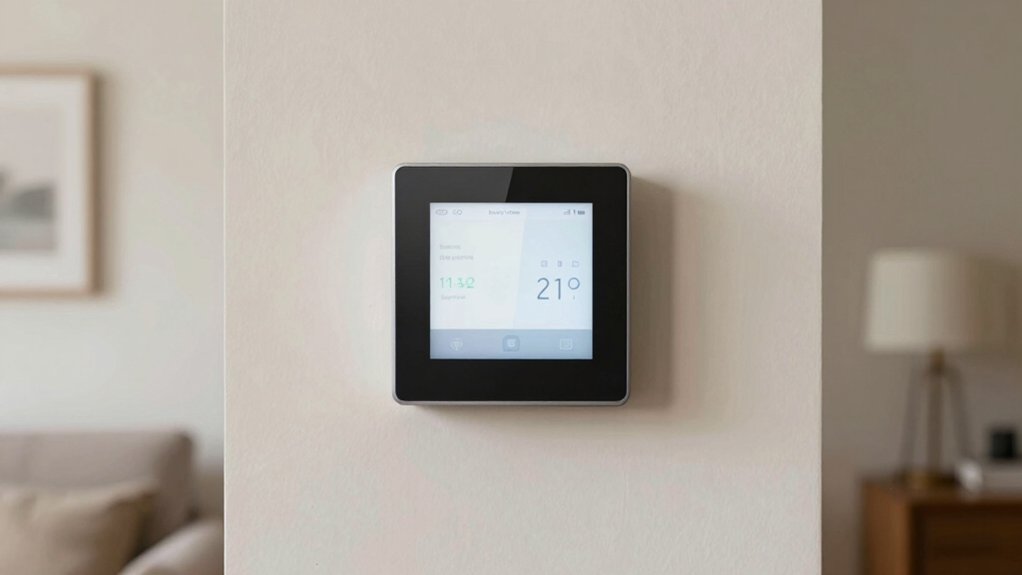
Midrange picks under $150 strike a careful balance between control and energy savings, delivering more features and reliability without stepping into premium prices. You’ll gain solid automation, responsive apps, and dependable schedules that tighten up energy use without overcapitalizing.
Think about how Smart thermostat aesthetics matter, since a clean look helps your space blend with decor while still signaling capability. Installation challenges stay manageable, letting you upgrade without a full remodel.
Here are strong contenders to consider:
- Reliable learning routines plus manual overrides
- Clear, responsive touchscreen and app dashboards
- Solid compatibility with common HVAC setups
- Energy-reporting that informs smarter routines
- Compact, low-profile enclosures that fit tighter spaces
Quick Install Tips to Avoid Service Fees
You can reduce upfront costs by choosing a quick-install approach that minimizes troubleshooting time and eliminates unnecessary service calls.
Following a streamlined plan helps you avoid common technician fees while ensuring the thermostat is configured correctly.
We’ll explore practical steps that balance speed, accuracy, and long-term reliability.
Quick Install Strategy
If you want to cut service fees, start with a plan that matches your system’s wiring and your home’s existing hardware. Quick Install Strategy means precise, logic-driven steps that minimize professional time while maximizing energy efficiency and a responsive user interface.
- Verify compatibility with your HVAC control board and C-wire presence
- Map wires and labeling, then document color-to-terminal assignments
- Use a manufacturer-provided app or installer guide to configure device prompts
- Pre-test power, connect to Wi-Fi, and update firmware before mounting
- Calibrate temperature sensors and set up basic schedules for peak energy efficiency
This approach keeps complexity low, empowering you to finish fast, avoid extra charges, and preserve a tight, powerful control loop.
Save On Service Fees
Smart Install Tip: by planning around your existing wiring and opting for the essentials, you can minimize service fees while still achieving reliable performance. You’ll evaluate installation challenges before a visit, identifying compatible components and avoiding unnecessary labor.
Choose a thermostat that matches your current wiring loop to reduce adapter costs and extra wiring work. Confirm compatibility with your HVAC system and verify whether a professional is required for configuration or if you can complete setup yourself without voiding warranties.
Consider warranty considerations to ensure coverage remains intact after self-installation; read terms carefully and document any nonstandard modifications.
Streamline the process by assembling tools, labeling wires, and testing functions in stages. A focused, deliberate approach keeps costs down while preserving robust control and quick responsiveness.
Practical Energy-Saving Schedules You Can Implement Today
To cut energy use today, implement practical schedules that align with your routine and the thermostat’s capabilities. You’ll maximize control by prioritizing temperature calibration and reliable Wi Fi connectivity, reducing off-peak waste and avoiding overshoot.
Build schedules that match work, sleep, and home occupancy; keep setbacks modest to preserve comfort. Analyze data from your thermostat’s reporting to refine patterns weekly, focusing on rapid cooldown or warm-up penalties. Use consistent presets for weekdays versus weekends to prevent drift.
Prioritize zones with the greatest energy impact and review any firmware updates that improve responsiveness.
- Align heating and cooling periods with high-occupancy hours
- Set moderate setbacks that don’t compromise comfort
- Calibrate sensors for accurate readings
- Verify Wi Fi connectivity for reliable scheduling
- Review energy data to optimize weekly patterns
Smart Home Routines and Automations With Budget Thermostats
With budget thermostats, you can automate routines that save energy without breaking the bank, focusing on essential controls and reliable triggers. You’ll design scalable automations that respond to occupancy, time, and weather, prioritizing core functions over feature bloat.
Use energy-aware schedules that align with work hours and sleeping patterns, minimizing waste during idle periods. Voice control lets you adjust temps hands-free in real time, increasing convenience without compromising efficiency.
Remote access provides visibility and quick overrides when plans change, preserving control from anywhere. Rely on consistent, rule-based actions—like setback nights and wake routines—to craft a lean automation stack that delivers measurable savings.
Informed selections and disciplined implementation yield powerful, predictable outcomes.
Real-World Pros, Cons, and Trade-Offs for Budget Models
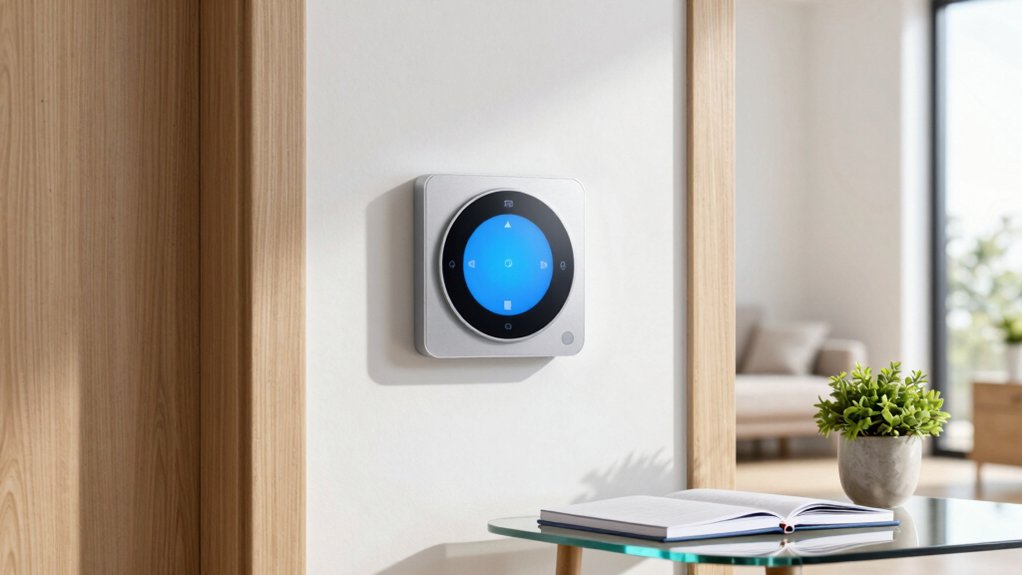
Budget models deliver solid value, but they come with real trade-offs you’ll want to weigh against your priorities. You’ll notice performance gaps, especially in reliability and reporting depth, versus premium peers.
Wireless connectivity is generally sufficient, yet you may encounter occasional dropouts or slower reactivity during busy periods.
The user interface tends to be lean—fast to learn but limited in customization, which can slow advanced setups.
Energy savings remain real, but less measurable without robust software features.
Firmware updates happen, but you may see longer cycles.
Support options vary, impacting troubleshooting speed.
If you value speed, control, and data, budget models still compete. Consider these trade-offs before committing.
- Wireless connectivity reliability and impact on automation
- User interface simplicity vs. customization options
- Firmware update cadence and support quality
- Real-time energy reporting and insights
- Integration potential with existing smart home devices
How to Choose the Right Thermostat for Your Home Project
When choosing a thermostat for your home project, start by clarifying your goals: comfort, energy savings, and compatibility with your existing systems.
Then assess must-have features vs. nice-to-haves, prioritizing energy efficiency and rapid ROI.
Look for a strong user interface that you can master quickly, since ease of use drives consistent control.
Verify compatibility with your HVAC setup, sensors, and smart-home platforms before buying.
Consider programming capabilities, adaptive scheduling, and remote access for real-time decisions.
Energy reporting helps you verify savings and refine habits.
Check build quality, reliability, and warranty length to protect your investment.
Finally, compare total cost of ownership, including installation, app subscriptions, and potential energy rebates, ensuring the thermostat aligns with both budget and long-term project goals.
Conclusion
You can slash energy waste without overspending by choosing an affordable smart thermostat and pairing it with practical schedules. On average, households save up to 8–15% on heating and cooling each year when a smart thermostat is used consistently, creating meaningful long-term value. Focus on compatibility, essential features, and easy automation to maximize impact. With budget picks under $100, you don’t have to sacrifice performance to stay within your project budget.