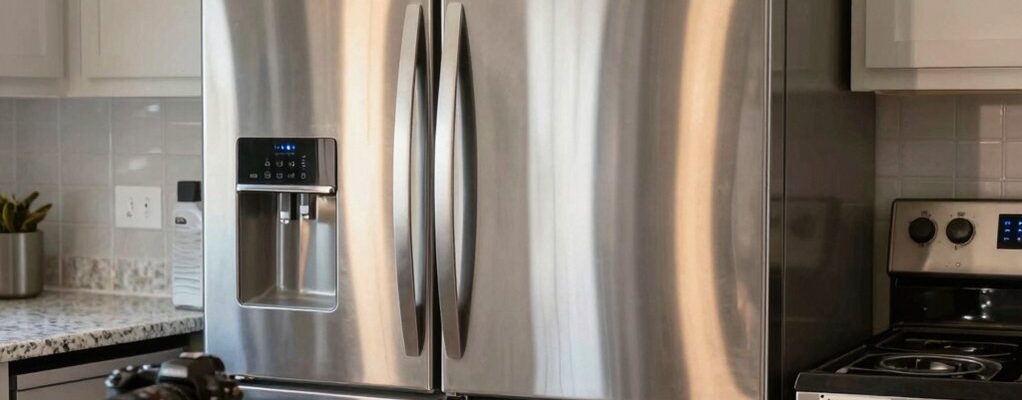
Upfront costs for Energy Star appliances are higher, but you’re paying for long-term efficiency, reliability, and reduced bills. These labels mean superior energy performance, often backed by rebates and financing options that offset the premium. You’ll typically recoup costs within a few years through lower utility bills, fewer maintenance needs, and longer lifespans. Savings depend on usage and local rates, climate, and installation. If you want a clearer cost‑of‑ownership view, you’ll find targeted guidance here.
What Energy Star Ratings Mean for Efficiency and Total Cost
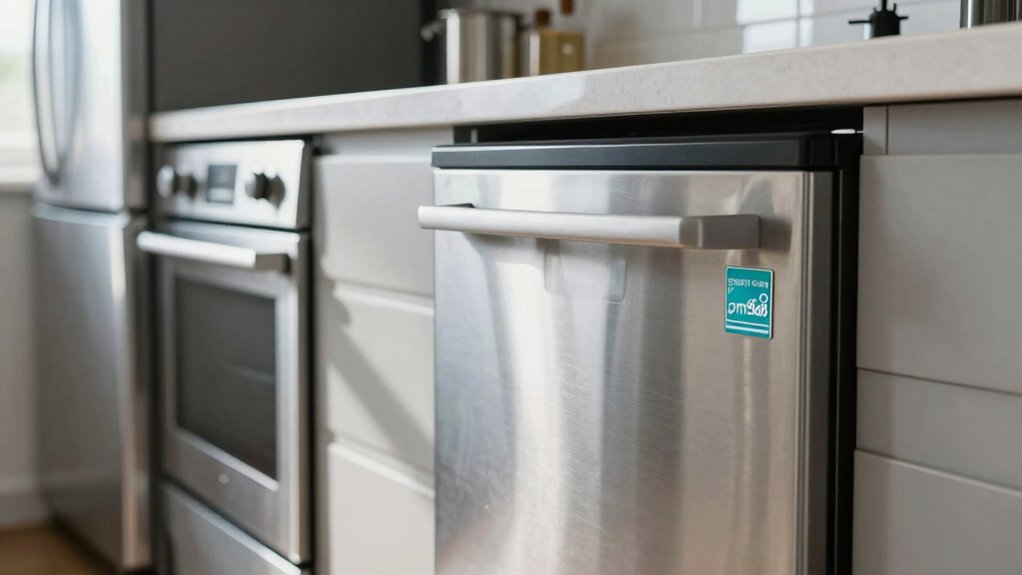
Energy Star ratings indicate that a product meets established efficiency criteria set by the program, translating into meaningful energy savings over time. When you rely on these ratings, you’re choosing systems proven to reduce idle power, compressor cycling, and standby drains.
You’ll see lower operating costs without sacrificing performance, because efficiency targets are paired with real-world use cases and rigorous testing. The total cost of ownership becomes clearer: upfront price may be higher, but long-term savings, reliability, and performance consistency offset the premium.
Renewable benefits arise as fewer emissions accompany reduced electric demand, aligning with sustainability goals. Government incentives can further improve economics, reinforcing your sense of belonging to a forward-looking, responsible community that values efficiency and smart investment.
Where Energy Star Saves the Most: Key Appliance Categories
Smart choices around appliance categories yield the biggest energy savings when you focus on where Energy Star matters most: refrigerators, freezers, dishwashers, washing machines, and heat pumps. In these categories, ENERGY STAR products deliver measurable improvements in running efficiency, reducing monthly utility strain without compromising performance.
You’ll notice that modern models emphasize optimum insulation, low-standby power, and advanced compressors, all contributing to lower consumption over time. To maximize returns, prioritize consistent appliance maintenance—clean coils, proper door seals, and regular calibration—so efficiency isn’t eroded by neglect.
Brand reputation matters because trusted manufacturers typically back robust performance guarantees and reliable aftercare. By aligning with proven brands and timely maintenance, you reinforce durable savings and a sense of belonging to a community that values responsible energy use.
Energy Star Cost Versus Savings: Upfront vs Long-Term
For many households, the upfront cost of ENERGY STAR appliances is a key consideration, but the long-term savings often tell the true story. You’ll see how upfront investment translates into lower operating costs, faster payback, and steadier utility budgeting.
In this lens, the value isn’t just price—it’s lifecycle performance, reliability, and compatibility with renewable integration. You gain appliance durability that resists wear, reducing maintenance interruptions and replacement cycles.
The math favors energy-efficient builds when you account for incentives, tax credits, and resale value. By prioritizing durable, efficient units, you align with a growing sense of belonging to a smarter, more conscientious home.
Invest smartly; reap consistent, predictable energy reductions over time.
- Lower monthly bills through consistent efficiency
- Longer service life minimizes replacements
- Incentives accelerate the payback period
- Stronger grid compatibility via renewable integration and durability
How Usage and Climate Affect Energy Star Value
Even when an appliance carries an ENERGY STAR label, its value depends on how you use it and the climate in which you operate. Your usage patterns determine expected efficiency gains, because load timing, cycle frequency, and thermostat settings shape energy savings.
In milder climates, the marginal benefits may appear modest, while extreme temperatures amplify the impact of humidity, heating, or cooling loads. ENERGY STAR performance is a baseline, not a guarantee; real-world results hinge on behavior, scheduling, and maintenance.
Consider how you arrange cycles, preheat practices, and insulation quality, since climate impact compounds with every degree change. By aligning usage with your environment, you maximize value, optimize comfort, and reinforce the long-term case for choosing trusted, energy-conscious appliances.
A Practical Cost-of-Ownership Framework for Energy Star Buys
A practical cost-of-ownership framework for Energy Star buys translates upfront price and labeled efficiency into long-term value by balancing purchase cost, operating expenses, maintenance, and resale or end-of-life considerations.
You’ll evaluate total cost of ownership, not just sticker price, to ensure reliable performance and shared values with a community that prioritizes sustainable choices.
- Clear upfront comparison of price versus long-term savings, with energy spend predictable
- Implicit warranty confidence through appliance warranties, reducing risk
- Alignment with renewable energy goals via efficient operation and reduced grid demand
- Smart resale or disposal planning that preserves value and minimizes waste
This framework helps you join a forward-looking, compliant audience that values efficiency, sustainability, and trusted performance.
Real-World Scenarios: When Energy Star Shines and When It Doesn’t
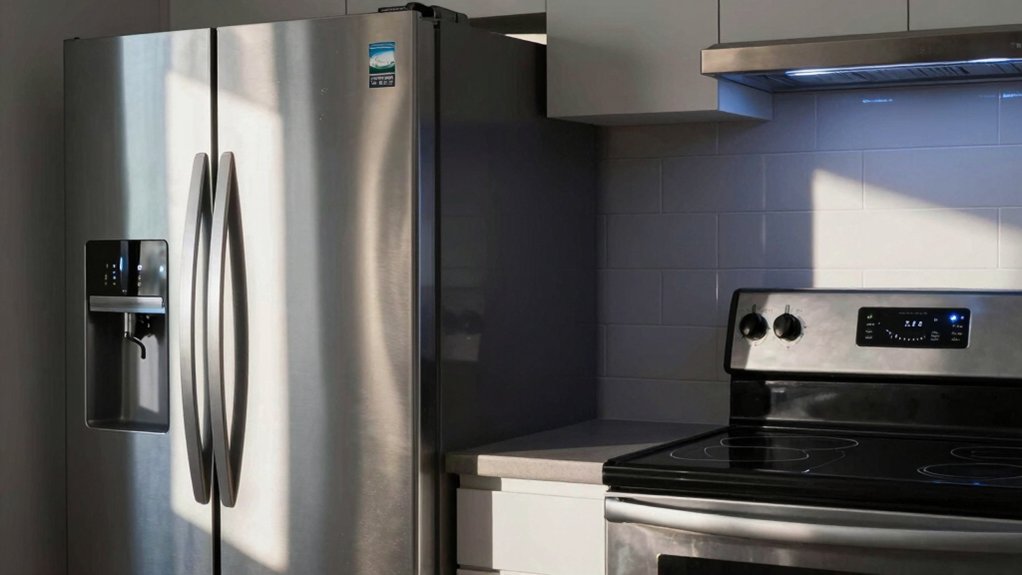
When Energy Star shines, it delivers reliable efficiency you can trust; however, real-world conditions expose its limits, making careful scrutiny essential. You’ll see standout performance in predictable loads and steady climates, where Smart Metering informs ongoing optimization and utility incentives reinforce disciplined usage.
Yet, in high-variability homes or harsh cycles, efficiency gains can drift—driven by door openings, occupancy, and thermostat management—reducing projected savings. In systems with Renewable Integration, the benefits hinge on grid signals, inverter behavior, and storage coordination, not just label claims.
You’re invited to assess compatibility with your usage patterns, appliance pairing, and retrofit readiness. Real-world scenarios reward prudent choices: align products with your energy profile, monitor performance, and insist on transparent efficiency data for durable belonging and value.
Tips to Maximize Value From Energy Star Purchases
Energy Star purchases can open sustained savings when you apply disciplined selection and post-purchase practices. You maximize value by aligning products with your space, usage, and maintenance habits, reinforcing the sense of belonging to a smart, responsible community. Focus on appliance maintenance and brand reputation to sustain performance and trust over time.
- Evaluate verified efficiency ratings and fit, ensuring you pick model families that match your routines.
- Schedule proactive maintenance windows after installation to prevent drift in performance.
- Choose trusted brands known for durability and responsive service, reinforcing your confidence.
- Track energy usage and service history to reinforce prudent budgeting and ongoing value.
This disciplined approach makes every Energy Star purchase a long-term asset, not just a sticker.
Energy Star Model Selection: A Quick Decision Checklist
If you want a quick decision on Energy Star models, start with fit, efficiency rating, and anticipated usage. This checklist guides you to reject guesswork and embrace deliberate choices.
First, verify appliance branding consistency—trust marks tell you the product meets clear standards, reducing post-purchase doubt.
Next, compare efficiency ratings across similar sizes and functions; a small delta can save hundreds yearly.
Then, align capacity with your typical load pattern to avoid underuse or overbuying.
Consider anticipated usage: high-use households justify higher upfront savings, while seasonal needs favor compact, efficient options.
Finally, note eco label significance: a credible label signals ongoing performance and support.
Use these criteria to create a focused shortlist, accelerate decision confidence, and reinforce belonging in a community that values responsible, informed buying.
Frequently Asked Questions
Do Energy Star Labels Guarantee Year-Round Savings in All Climates?
Energy Star labels don’t guarantee year‑round savings across all climates. You’ll see results vary with climate variations, system efficiency, and usage. Trust label accuracy, compare models, and plan energy strategies that align with your home’s conditions.
Which Maintenance Tasks Most Impact Energy Star Performance?
A hypothetical family saved 15% on bills after a yearly maintenance plan; routine inspections, coil cleaning, and seal checks markedly boost appliance longevity. You should perform routine inspections to sustain efficiency and optimize energy Star performance.
How Do Rebates Affect the True Payback Period?
Rebate impact shortens your payback calculation, often making Energy Star purchases economically attractive. You’ll see faster ROI as rebates reduce upfront costs, so you confidently align decisions with efficiency goals and belong to a smarter, cost-aware community.
Do Smaller Units Always Save More Energy Than Larger Ones?
Answering yes: you won’t always save more energy with smaller units. Energy consumption varies by efficiency, use, and design. In some cases, larger appliances, sized properly, outperform smaller ones due to optimized energy use and load management.
Can Refurbished Energy Star Appliances Still Deliver Full Efficiency?
Yes, refurbished Energy Star appliances can maintain high efficiency, but reliability concerns exist; verify warranty and testing records. You’ll protect resale value and feel secure joining a responsible, energy-conscious community that trusts certified performance.