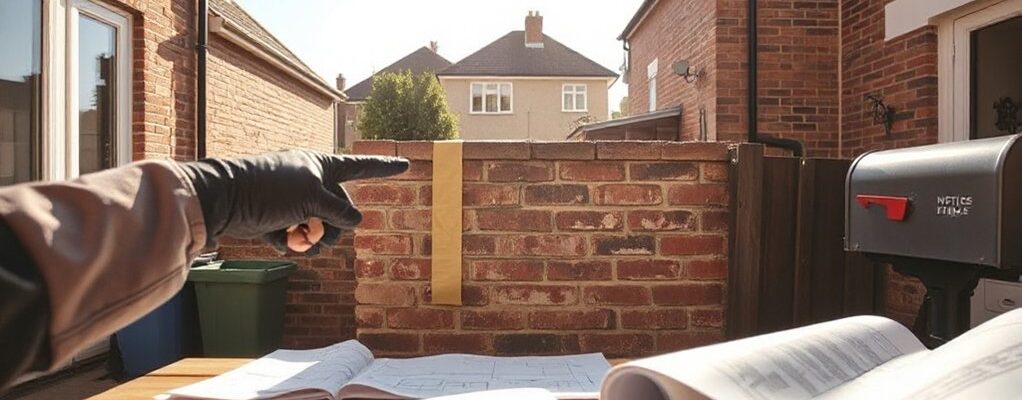
If you’re planning significant work near a shared wall or boundary, you’ll need to know when a Party Wall Agreement applies and who must be involved. This guide clarifies roles, the notice process, and how to prepare fair schedules of condition and costs. It highlights potential pitfalls and dispute safeguards, helping you navigate the process with precision. Start with your obligations and rights, then decide your next steps to protect your property—before the project proceeds.
Do I Need a Party Wall Agreement? When It Applies
A party wall agreement is required when a building project involves work on or near a shared wall with a neighbor, or when works will affect the structural or thickness boundaries of that wall. You determine applicability by evaluating whether the proposed work involves extending, underpinning, cutting, or excavating within proximity to the party wall, or if you will carry out work on or near the boundary line. If so, you may need to serve notice under the Party Wall etc. Act 1996. A party wall boundary issue can arise even without full demolition, so careful evaluation is essential. Consider legal exemptions only where clearly applicable, and document any relevant statutory provisions to avoid inadvertent non-compliance.
Who Must Be Involved and What Each Person Does
From the moment a party wall issue arises, a clear roster of roles must be established to guarantee proper notification, agreement, and execution. You identify the owner(s) of the adjoining property, the surveyor(s) appointed to advise and record the process, and the building owner undertaking the works. The surveyor acts as an impartial administrator, ensuring compliance with statutory duties and the party wall awards. The building owner must provide accurate project details, timing, and anticipated alterations. The adjoining owner’s responsibilities focus on safeguarding their rights, inspecting works, and raising concerns promptly. You must engage in dispute resolution without delay if conflicts emerge, seeking professional mediation or designated arbitrators. Clear communication preserves party wall rights and supports lawful, efficient progress toward a final award.
Step-by-Step: Serve Notices and Start the Agreement
To begin, you must prepare and serve the necessary notices under the Party Wall etc. You initiate the process by drafting a valid Party Wall Notice, identifying the owner(s) of adjoining proprietors, the works, timing, and the required response period. *Guarantee* notices clearly describe the intended works, access, and scope to avoid later disputes. Upon serving, you register your intent to proceed and await any objections or the required conciliatory period. In parallel, coordinate Architect collaboration to review plans, confirm measurements, and *assure* compliance with the Act. Maintain records of delivery and receipt, as insurance considerations are addressed early, arranging appropriate cover for potential damages. Start formal discussions promptly, setting a schedule for conclusive agreement and subsequent notices if necessary.
How to Prepare a Fair Schedule of Condition and Costs
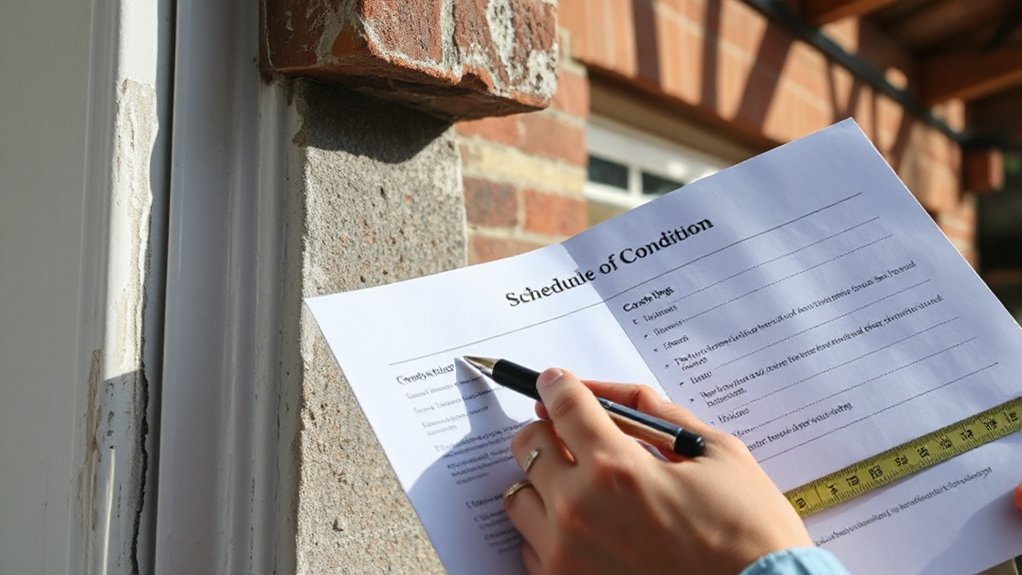
Preparing a fair Schedule of Condition and Costs is essential to cap potential disputes and protect your interests; you should begin by agreeing a precise scope of condition documentation with the adjoining owner, then itemize anticipated costs and contingencies.
- A clearly defined survey methods plan, detailing inspection points and timing
- A structured cost estimation framework, with unit rates, contingencies, and escalation assumptions
- An audit trail showing documentation, authorisations, and decision dates to support later reviews
Your schedule should reflect objective measurements, professional standards, and transparent assumptions. Confirm survey methods capture baseline conditions, including fixtures, finishes, and structural elements. Incorporate cost estimation methods aligned with recognised pricing guides, with sensitivity analyses for potential variances. Maintain concise language, reference dates, and signatories to uphold enforceability.
Common Pitfalls and Practical Tips to Keep Construction on Track
Even with a solid Schedule of Condition and Costs, common pitfalls can derail a project unless you anticipate them and act promptly. You should implement a clear change-control protocol, documenting deviations and approvals to prevent scope creep. Maintain precise records of timelines, notices, and access agreements; delays often arise from ambiguities in party wall notices or consent procedures. Proactively resolve ambiguities in Boundary measurement early, and verify measurements with independent surveyors where appropriate. Expect disputes to surface around compensation for works or unforeseen obstacles; address these through formal written responses and escalation clauses. Coordinate with neighbours to minimize disruption, scheduling works during agreed windows and providing timely updates. If a Party wall dispute emerges, consult counsel promptly to preserve remedies and maintain project momentum.
Frequently Asked Questions
How Long Does a Party Wall Agreement Last Once Signed?
The party wall agreement lasts for the duration specified within the deed, typically until work concludes or as long as any ongoing rights or obligations endure; party wall duration hinges on protection clauses, while agreement validity persists unless lawfully terminated.
Can Neighbors Veto a Party Wall Notice?
No, neighbors cannot veto a party wall notice. You must address property boundaries and legal responsibilities, and the chosen surveyor or party wall award governs contentious issues, while statutory timelines and dispute resolution determine enforceability and completion.
What Happens if a Dispute Goes to Arbitration?
When arbitration begins, you resolve disputes under a party-appointed arbitrator; you must follow the award. You’ll experience the mediation process activated within formal proceedings, and arbitration benefits include finality, enforceability, and expedited resolution—though costs may apply.
Are Cost Estimates Reviewed After Works Begin?
Yes, cost estimates are reviewed after works begin, and you should expect adjustments if conditions differ from initial projections. This involves ongoing cost estimation and project budgeting to guarantee financial accountability and compliance with applicable party wall procedures.
Do I Need a Solicitor for Every Party Wall Case?
No, you don’t need a solicitor for every party wall case. Yet, if disputes arise or complexity hits—survey procedures and legal obligations tighten—consult promptly; you’ll guard your rights and guarantee compliant, precise handling of the matter.
Conclusion
Think of your property as a shoreline, where party walls stand as deliberate boundaries between them. With the right notices, surveys, and schedules, you chart calm seas rather than storms. By understanding roles, you keep costs predictable and disputes minimal—your project proceeds like tide-driven progress, steady and lawful. When uncertainties loom, refer back to proper records and the agreed Schedule of Condition. In protective clarity, you guard value, reconcile interests, and finish with structural peace rather than costly contention.