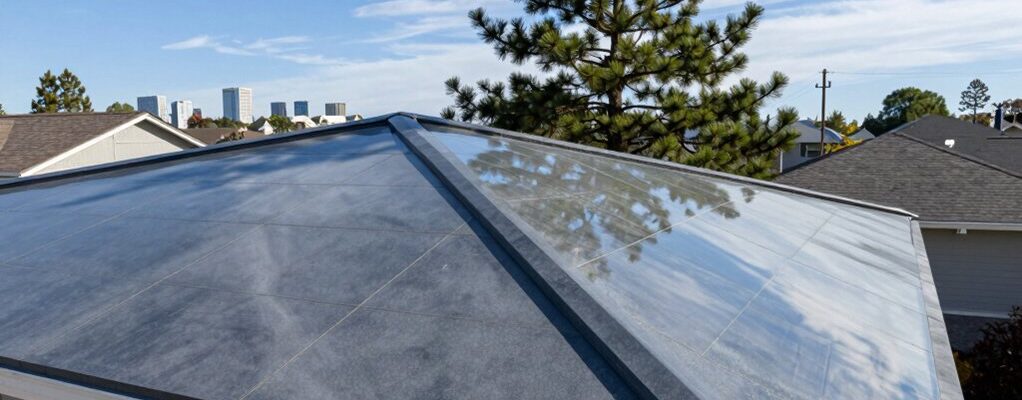
Solar reflective roof paint can cut cooling costs, extend roof life, and lower emissions, but effectiveness hinges on climate, roof type, and surface prep. You’ll face higher upfront costs, yet long-term savings come from lower energy bills and delayed reroofing. Choose a UV-stable, high-emissivity coating compatible with your roof and inspect maintenance windows for recoats. If you plan for proper prep and ongoing upkeep, the payback improves—and you’ll see why more savings might be within reach as you continue.
What Solar Reflective Paint Is and When It Helps Your Roof
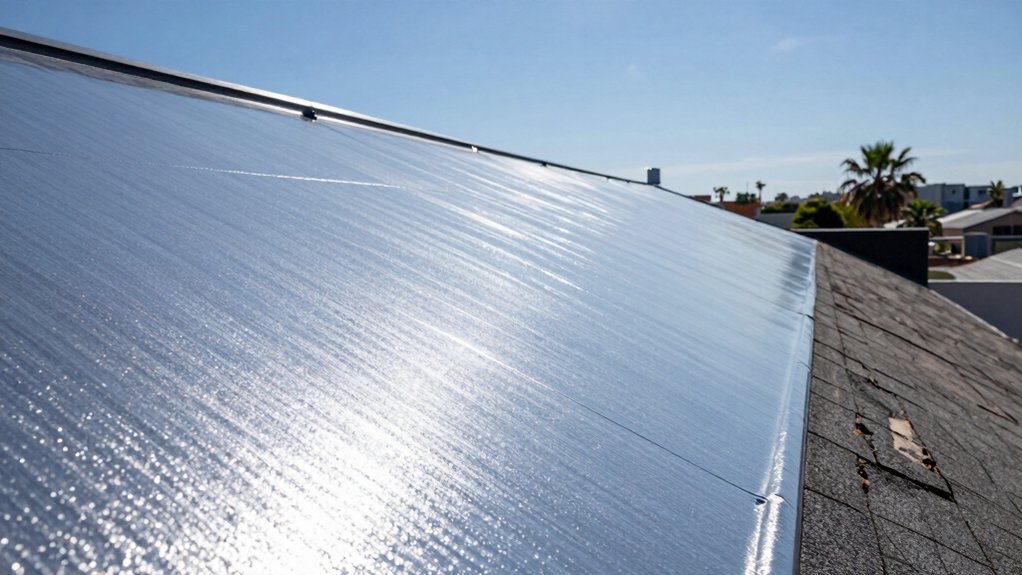
Solar reflective paint, also known as cool roof coating, contains pigments that reflect more sunlight and absorb less heat than standard roof coatings. You use it when you want lower surface temperatures, reduced cooling loads, and longer roof life.
It’s most effective on roofs with direct sun exposure and minimal shading, and on surfaces that tolerate higher reflectivity without compromising function. Choose a roof color with high reflectivity to maximize performance, especially on metal, flat, or built-up roofs.
A paint finish with a durable, UV-stable film minimizes wear from weather and foot traffic. Apply per manufacturer guidance, allowing proper surface prep, cleanness, and cure time.
Monitor color stability and adhesion over seasons to guarantee ongoing performance and energy savings.
Upfront Costs vs Long-Term Savings: A Quick Decision Guide
Upfront costs for solar reflective roof paint can be higher than standard coatings, but the payoff comes from long-term energy savings and extended roof life. A targeted cost benefit analysis helps you decide if the upfront expense pays off given your usage, climate, and roof area.
Consider installation, preparation, and coating thickness as key drivers of initial cost, then quantify annual energy reductions and delayed reroofing. Compare payback periods, net present value, and internal rate of return to ground your choice in numbers.
Environmental impact also weighs in: lower cooling loads reduce greenhouse gas intensity over the roof’s lifetime. Use a conservative projection to avoid optimistic bias and set clear decision criteria before committing.
- cost benefit analysis
- payback period and ROI
- environmental impact
- clear decision criteria
Key Factors That Determine Performance (Climate, Roof Type, Paint Quality)
Climate, roof type, and paint quality together govern performance, and you should assess each factor to predict outcomes accurately. You’ll evaluate climate to gauge solar gain, humidity, and UV exposure, then match roof type with coating form and adherence requirements.
Roof insulation matters: higher insulation reduces heat transfer, lessening the burden on the coating’s reflective load. Consider substrate material and compatibility; some paints need specific primers or seamless membranes to avoid failure. Material compatibility is non‑negotiable—verify components won’t degrade under temperature cycles or vented moisture.
Inspect roof pitch and drainage, since steep or irregular surfaces affect application and coating longevity. Choose a high-quality product with proven spectrally selective performance, proper albedo ratings, and documented long-term performance in your climate.
Finally, confirm warranty coverage aligns with your roof’s dynamics and insulation strategy.
Durability and Maintenance: What to Expect and How to Plan
Durability and maintenance requirements are predictable with the right data: expect guidance on coating lifespan, inspection intervals, and common failure modes, so you can plan replacements, touch-ups, and cleanings before performance declines.
You’ll monitor layer integrity, substrate compatibility, and UV degradation, and you’ll schedule inspections after major weather events to catch delamination or coating peeling early.
Adhere to manufacturer cycles for re-coating, and factor in environmental impact when selecting maintenance intervals.
Consider aesthetic considerations in color stability and gloss retention, as these affect curb appeal without compromising protection.
Document performance metrics and adjust plans based on local climate data to minimize downtime and costs without sacrificing protection.
- Estimated lifespan and recoat windows
- Inspection cadence and damage indicators
- Cleaning frequency and methods
- Environmental impact and aesthetic factors
Reflective Paint vs Alternatives: When to Choose Roof Coatings and Other Cool Roof Options
When deciding between reflective paint and alternative roof cooling options, you should weigh upfront performance, cost, and installation logistics.
In practice, choose coatings with proven UV resistance and verified long-term emissivity to maximize savings. Then compare material life cycles and warranty terms. Reflective paints offer rapid mitigation and easy retouching, but may require more frequent reapplication than specialized membranes or polyiso insulation systems.
Consider roof slope, substrate compatibility, and local climate when selecting an option.
Confirm solar panel compatibility if you install PV or solar hot water systems nearby, as some coatings can affect glare or panel temperatures.
Account for aesthetic considerations, since color and finish influence building envelope perception and, in turn, occupancy comfort.
Prioritize tested products backed by independent solar reflectance data.
How to Choose and Apply Reflective Roof Paint for Your Climate
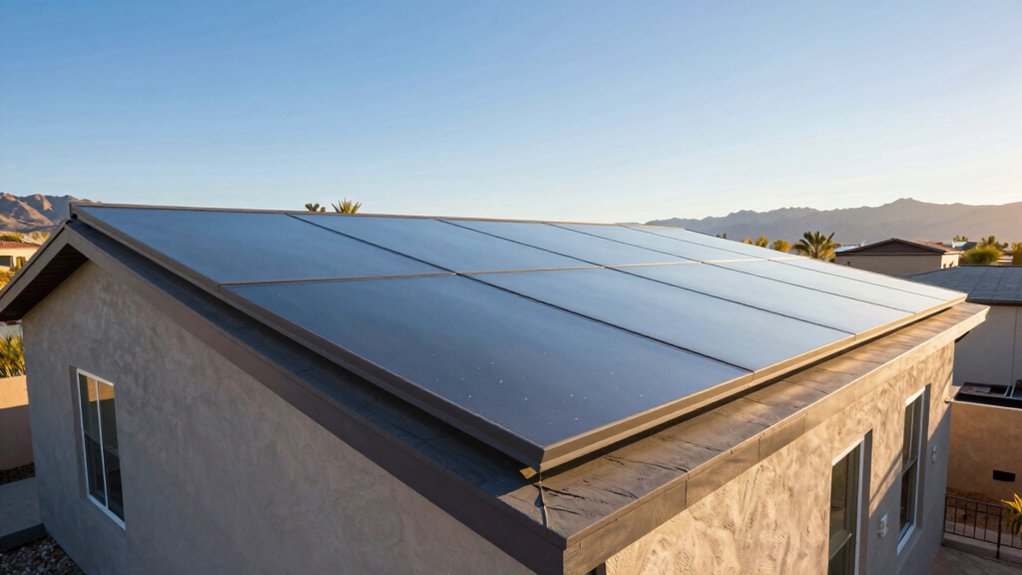
To select the right reflective roof paint for your climate, assess local solar exposure, temperature range, and humidity. Then match the coating’s reflective index and durability to those conditions.
I’ll guide you through practical steps for applying and maintaining the coating, including surface prep, primer compatibility, and recoat intervals, so you can optimize performance year-round.
You’ll finish with a maintenance plan that addresses climate-driven wear, cleaning needs, and inspection intervals to preserve energy savings.
Climate-Specific Reflective Benefits
In choosing reflective roof paint for your climate, start by matching solar reflectance and thermal emittance to your area’s temperature range and typical sun exposure. You’ll optimize performance by aligning coatings with seasonal highs and lows, balancing heat rejection with nighttime radiative cooling.
In urban environments, reflectivity choices can influence urban heat, so prioritize surface temperatures that reduce heat uptake without compromising longevity. Local regulations may dictate minimum reflectance values or color constraints, so review codes before selecting a product.
Consider building design, roof pitch, and shading from nearby structures to fine-tune results. Choose a formulation tested for UV stability and weather exposure in your region, ensuring long-term efficiency and compliance.
- Climate-aligned reflectance targets to reduce urban heat
- Product ratings for local regulatory compliance and labeling
- Seasonal performance relative to sun exposure and temperatures
- Long-term durability and maintenance planning per climate factors
Application And Maintenance Tips
Selecting and applying reflective roof paint starts with confirming compatibility with your climate and roof substrate, then following a precise prep and coating sequence to maximize durability and energy savings.
You should clean the surface thoroughly to remove debris, oils, and moss, then repair any cracks or flashing defects. Prime where required, using a substrate-specific primer to boost adhesion and coating longevity.
Choose a high-reflectance, elastomeric or acrylic exterior paint formulated for roof use, and verify temperature and humidity limits match site conditions.
During application, apply in thin, even coats using approved techniques; avoid over-brushing or pooling.
Consider color options that meet local reflectivity targets and fade resistance.
Track performance post-application: inspect after rain, recoat when needed, and maintain gutters and drainage to prevent streaking and premature wear.
application techniques
Frequently Asked Questions
How Long Does a Reflective Roof Paint Actually Last Before Reapplication?
A reflective roof paint typically lasts 5 to 10 years, depending on climate and surface prep. You should monitor paint durability annually and follow a reapplication schedule when you notice fading, peeling, or decreased reflective performance.
Will Reflective Paint Affect Indoor Cooling Efficiency in Summer?
Ironically, yes—reflective paint can improve indoor comfort and cooling efficiency. You’ll notice lower indoor temps and reduced AC load when you apply it, but you must consider attic shading, ventilation, and proper coat thickness for best results.
Are There Health or Environmental Concerns With Reflective Roof Paints?
Reflective roof paints pose minimal health risks when properly applied; however, Environmental impact is tied to material composition and ventilation. Guarantee low-VOC formulations, proper dust control, and sealed surfaces to minimize Health risks during application and lifecycle exposure.
Can Reflective Paint Be Used on Metal Roofs Without Corrosion?
Yes, you can, but assess a metal roof’s corrosion risk first; choose a paint with corrosion inhibitors and metallic blockers, guarantee proper surface prep, match coating chemistry to substrate, and apply with recommended mil thickness for durable protection.
Do Warranty Terms Cover Color Fading and Peeling Failures?
Warranty coverage may exclude color fading and peeling unless explicitly stated; verify terms before purchase. You should document initial color, monitor fading, and file timely claims, since color fading can affect warranty eligibility and long-term performance.
Conclusion
If you’re weighing solar-reflective roof paint, remember it’s a materials decision plus climate strategy. In hot climates, roofs with reflective coatings can cut cooling loads by up to 10–20% per season, translating to meaningful energy savings over time. Make sure you match the coating to your roof type, slope, and local rainfall, then factor in application costs and potential re-coats every 5–10 years. When installed correctly, it’s a practical, durable path to cooler, more efficient roofs.