
A home energy audit shows where your energy slips away and how much you can save, then gives you a clear, phased plan. You’ll see what’s wasting heat, where ducts leak, and which upgrades—like insulation or better appliances—offer the best payoff. The report scores your home, flags quick wins, and ties each fix to cost and payoff. It guides you from low- to high-payoff actions, with milestones and tracking to keep you on target as you proceed. You’ll learn more as you go.
What an Energy Audit Covers (and Why It Cuts Your Bills)
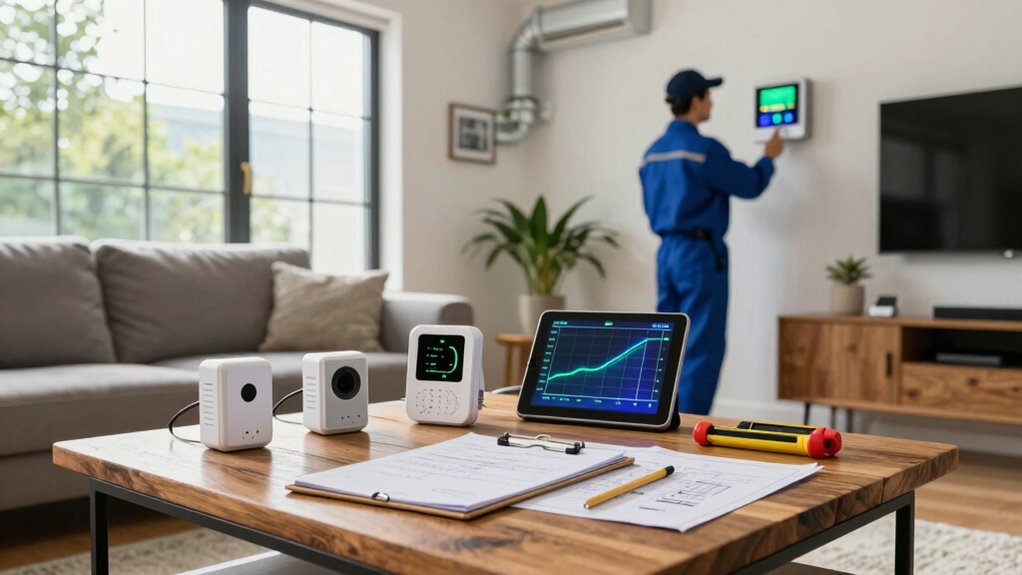
An energy audit examines how your home uses energy and where you’re wasting it, so you can cut bills and boost comfort. You’ll learn what an audit covers, from walls to windows, ducts, and roofs, and how those elements affect daily living.
The process spotlights insulation upgrades, air leaks, and thermal performance, translating findings into practical steps. You’ll see where you gain the most value first, with prioritized fixes that fit your budget and lifestyle.
Appliance efficiency also matters; the audit highlights outdated machines, usage patterns, and potential replacements or enhancements that reduce usage without sacrificing convenience.
The result is a clear action plan, measurable targets, and confidence that each choice brings meaningful, lasting savings while keeping your home comfortable year-round.
From Field Tests to Real Savings: How It Works
You’ve seen what an audit covers; now, here’s how the field tests translate into real savings. You’ll act on precise data, not guesswork, turning measurements into a practical plan.
Field tests identify where heat leaks, drafts, and poor airflow drain comfort and money, then quantify impact from targeted fixes. You’ll prioritize actions that deliver the biggest return, like insulation upgrades and ventilation improvements, while preserving a comfortable home environment.
- Pinpoint gaps and seal them now for immediate efficiency boosts
- Compare before/after energy use to verify impact
- Schedule insulation upgrades during favorable weather for best results
- Improve ventilation to balance comfort and air quality
- Track savings to stay motivated and adjust as needed
Reading Your Audit Report: Scores, Findings, and Quick Wins
Reading your audit report opens concrete steps you can take right away: it translates scores, findings, and quick wins into a practical action plan. You’ll see where you’re strongest and where to tighten up, with a clear path to measurable gains.
Use the quick wins as starter projects that build momentum and confidence. Look for insulation upgrades opportunities that reduce heat loss without breaking the bank, and note any appliance efficiency gaps where modest upgrades yield durable savings.
The report should connect each item to a cost estimate and expected payoff, so you feel capable and supported. You belong to a community taking control of your home’s performance, step by step, with data you can trust and decisions you can commit to.
Prioritizing Improvements: A Phased, Budget-Smart Roadmap
To build an effective, budget-smart roadmap, start by sequencing improvements from lowest to highest payoff and grouping them into phases that fit your cash flow. You’ll gain confidence by choosing cost effective strategies that deliver steady progress, avoiding one-off splurges.
Plan a phased implementation that aligns with seasonal bills and labor availability, so you stay on track without fatigue. Prioritize fixes that reduce energy waste first, then optimize equipment and comfort.
Track milestones, celebrate small wins, and adjust as you learn what moves the needle most.
- Quick wins that cut drafts, leaks, and standby losses
- Upgrades with short payback periods
- Smart controls that compound savings
- Equipment replacements timed for peak efficiency
- Financing options that preserve monthly cash flow
Turning the Report Into Action: Track, Reassess, and Reap Long-Term Benefits
Turning the report into action means turning insights into steady, measurable progress. You’ll track progress by defining clear milestones, then compare results against baseline energy use and cost savings. Reassess after each completion phase to confirm benefits, adjust priorities, and prevent scope creep.
In practice, set small, doable targets that reinforce behavior change, not just tech fixes, so your team stays engaged and accountable. Use simple dashboards to monitor consumption, costs, and comfort improvements, updating them monthly.
Schedule quarterly reviews to reassess priorities, address anomalies, and reallocate funding if needed. Embrace ongoing maintenance as a habit—routine inspections, filter changes, and equipment calibration—so gains compound over time.
With disciplined tracking and responsive adjustments, you’ll reap long-term benefits and a stronger sense of community ownership.
Frequently Asked Questions
What HVAC Improvements Yield the Fastest Payback?
Answer: Upgrading to high-efficiency equipment and sealing ducts deliver the fastest payback. Prioritize HVAC efficiency improvements first, targeting leaky ducts and programmable thermostats. Payback periods shorten as you cut losses and optimize system performance for comfort and belonging.
Do Audits Cover Solar or Home Battery Viability?
Yes, audits assess solar viability and battery potential, helping you gauge feasibility, sizing, and economics so you can decide confidently. You’ll get actionable guidance, compare options, and feel empowered to pursue a cohesive, energy-smart strategy.
How Is Occupant Behavior Factored Into Savings?
Behavioral changes and occupant habits directly affect savings, so you’ll see bigger results when you adjust routines. Track patterns, set targets, and iteratively optimize. You’ll feel empowered, belong, and quietly uncover efficiency you can sustain.
Can You Customize a Phased Plan for Rental Properties?
You can customize a phased plan for rental properties, focusing on prioritized energy actions. You’ll implement rental property management strategies and phased retrofits, starting small, scaling up, and measuring savings to create a cohesive, belonging-oriented efficiency program.
What Safety Concerns Are Flagged by Audits?
Audits flag fire risk and electrical hazards. You’ll fix wiring issues, unplug overloaded circuits, and install safeguards. Prioritize prioritized steps, document findings, and collaborate with professionals so you feel supported and confident in creating a safer space for everyone.