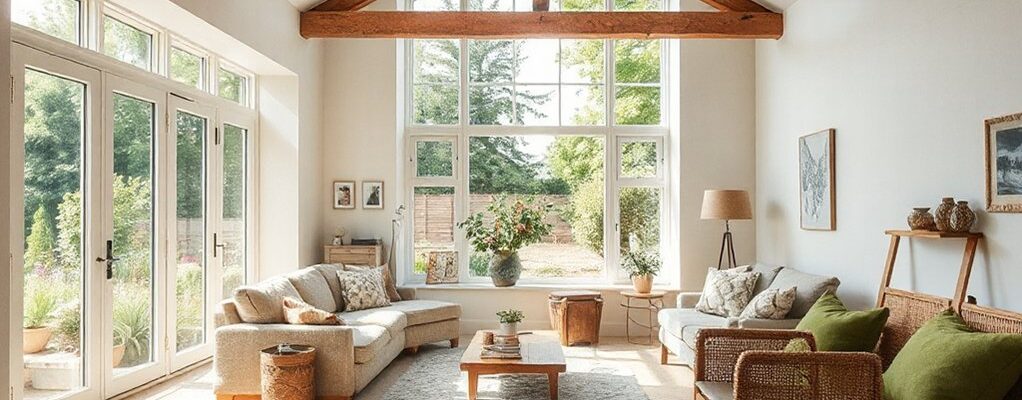
This might be the most responsible season of design you’ll ever consider, because every choice you make shapes a UK home that breathes easier. You’ll weigh low‑impact materials, durable finishes, and repairability against comfort and cost, while sequencing light, insulation, and smart controls to trim waste. It’s quiet, practical work that respects local crafts and climates, yet it’s enough to transform everyday living—if you’re willing to start with essentials and stay the course.
Start Here: Define UK-Specific Sustainable Design Goals
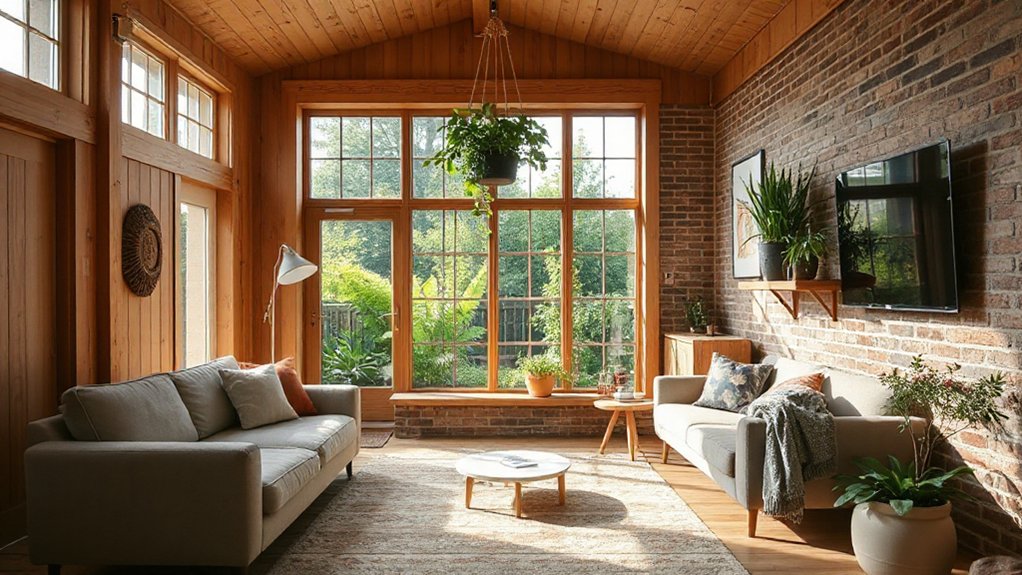
Start here by setting clear, UK-specific sustainability goals that guide every design choice. You’ll frame aims around energy efficiency, longevity, and responsible sourcing, then translate them into practical criteria for space planning. Define targets for reducing embodied carbon, optimizing natural light, and prioritizing durable, repairable finishes. Tie decisions to local climate realities, weather resilience, and seasonal comfort to cut reliance on heating and cooling. Align goals with cultural aesthetics and historical influences so spaces feel authentic yet modern, not tokenistic. Create measurable milestones: airtightness, insulation, and efficient appliances; material reuse; and community-forward moves like local sourcing. Keep documentation lean and transparent. You’ll iterate goals as practices evolve, ensuring every choice echoes UK life, culture, and stewardship.
Low-Impact Materials for UK Homes: VOCs, Carbon, and Certifications
Choosing low‑impact materials is foundational to UK homes that stay comfortable and affordable, while cutting embodied carbon and indoor pollutants. You’ll prioritise materials with low VOCs, choosing paints, finishes, and adhesives that disclose VOC reduction values and explicit content limits. Seek solid-wood or responsibly sourced composites, natural fibers, and reprocessed options to reduce waste and emissions. Look for certification standards that verify performance and provenance, such as third‑party ecolabels and material passports, and rely on transparent supply chains. Pair these choices with durable, repairable products to extend lifespans and minimize replacement cycles. Keep indoor air quality in mind during installation, ensuring adequate ventilation and curing times. Informed selections support healthier spaces, lower lifecycle impacts, and a resilient, minimalist UK home.
Energy-Efficient Interiors for Britain: Lighting, Insulation, and Heating
British interiors can stay warm and bright with thoughtful energy efficiency: optimize lighting, insulation, and heating to cut bills without compromising comfort. You’ll use low-energy LEDs, task lighting, and dimmers to reduce waste, pairing daylight with smart controls. Insulation should be airtight yet breathable: seal gaps, add cavity or external insulation, and choose mineral wool or EPS with appropriate thickness to minimize heat loss. For heating, opt for heat pumps, zoned radiators, and programmable thermostats that learn your schedule. Smart technology helps you monitor consumption, adjust temps remotely, and prevent standby waste. Prioritize water conservation within systems, selecting efficient taps and weather-aware boiler settings to curb usage. Keep materials simple, durable, and repairable, embracing a minimalist approach that respects resources and supports long-term comfort.
Circular Design in Practice: Upcycling, Local Sourcing, and Durable Furniture
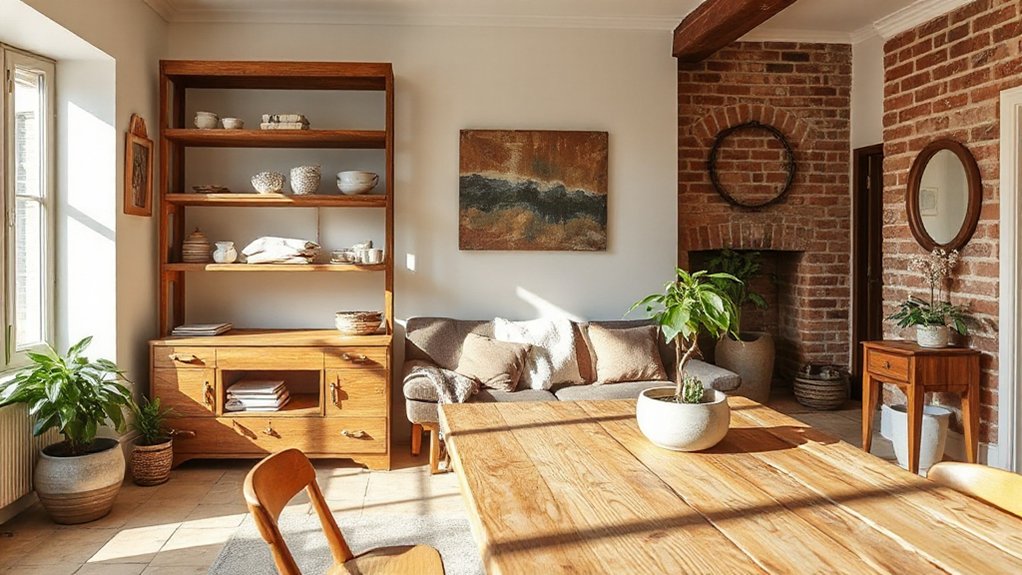
From energy efficiency to durable, low-waste living, circular design shifts the focus to upcycling, local sourcing, and furniture built to endure. You’ll seek pieces that last, repairable and simple, minimizing waste and extraction. Upcycling transforms what you already own or find locally into fresh, functional art; it’s about creativity over consumption. Prioritize local sourcing to cut transport emissions and support nearby makers, which also keeps materials in circulation longer. Choose durable furniture designed for repair and parts availability, not quick fashion. Favor versatile, timeless forms that age gracefully. Include vintage furniture and repurposed decor as anchors for character, rather than disposable trends. This approach reduces landfill, lowers embodied energy, and strengthens your home’s regional footprint through thoughtful provenance.
Indoor Air Quality and Long-Term Comfort in Eco-Homes
Good indoor air quality isn’t an afterthought in an eco-home—it’s a design constraint. You create a healthier, calmer environment by pairing ventilation with smart materials and thoughtful layouts. Prioritize low-emission finishes, humidity control, and natural light to support long-term comfort. Indoor plants add subtle biophilic value, while air filtration systems guard against pollutants without excess energy use.
- A gust of fresh air through well-placed vents and cross-ventilation
- Quiet, efficient air filtration that doesn’t shout compromise
- Plants that thrive in UK light, boosting mood and humidity balance
- Materials with low VOCs, minimal packaging, and long lifespans
- Thoughtful shading and thermal mass to stabilize temperatures
You’ll notice steadier comfort, fewer drafts, and cleaner air day after day.
Frequently Asked Questions
How Can I Align Design Goals With UK Planning or Building Regulations?
You align design goals with UK regs by prioritizing Building code compliance and Eco friendly materials, consulting planners early, documenting energy targets, and choosing modular, low-impact solutions; you iterate plans to meet thresholds, minimize waste, and stay adaptable.
Which Local UK Certifications Are Most Trusted for Interior Materials?
You should trust local UK certifications like PEFC and FSC for interior materials, especially for eco friendly finishes and Local material sourcing, ensuring responsible supply chains, low emissions, and durable products that align with your eco-conscious, minimalistic design goals.
What Are Cost-Effective Low-Voc Options for UK Climate Zones?
You should choose low-emission paints and eco friendly finishes, prioritizing water-based formulas and simple, durable options. They perform well in UK climates, are affordable, and reduce indoor pollutants without sacrificing style or comfort.
How Can Seasonal Comfort Be Maintained With UK Traditional Insulation Methods?
In a nod to ancient winds, you maintain seasonal comfort by leveraging natural ventilation and thermal mass, opening spaces when needed and shading wisely; you stay eco-conscious, resourceful, minimal, letting simple design balance drafts, heat, and humidity.
What Maintenance Routines Maximize Indoor Air Quality Year-Round in the UK?
To maximize indoor air quality year-round, you implement daily air filtration and consistent ventilation strategies, including balanced mechanical ventilation and intermittent natural airing, monitor filters, seal leaks, and minimize pollutants to stay eco-conscious, resourceful, and minimal.
Conclusion
Embrace a future that lasts by choosing materials, people, and processes you can trust. Prioritize durability, repairability, and local sourcing, so your space grows with you rather than wears out. Optimize natural light, ventilation, and smart controls to cut waste and energy use. Keep VOCs low and interiors calm with plants and gentle finishes. Remember: measure twice, reuse once. Sustainable design isn’t a trend; it’s a habit—an ounce of prevention beats a pound of cure. Better to mend than end.