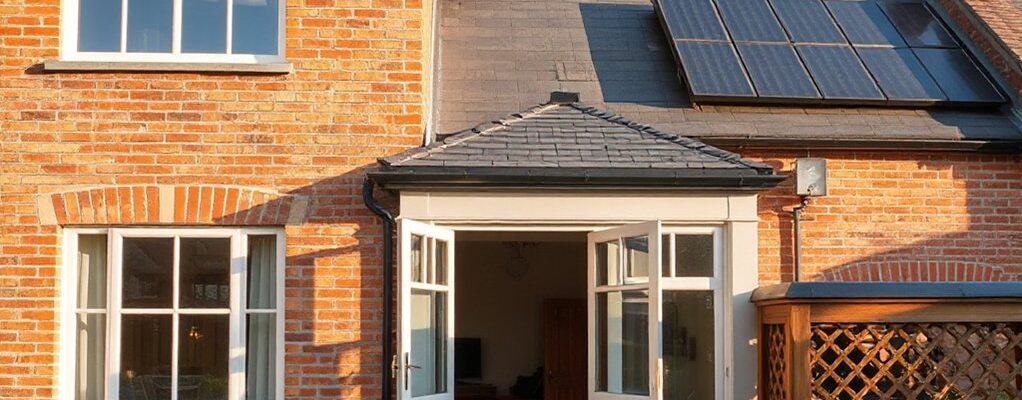
You’re about to thread a careful path: upgrade a 1930s UK home without erasing its soul. Start by mapping its character and constraints, then plan discreet, reversible updates that respect timber, plaster, and layouts. You’ll balance safer energy needs with period details, source authentic materials, and stage work to minimize disruption. The trick is letting modern comfort breathe through the old shell—quietly, thoughtfully, and with a clear sense of what should endure. So, where will your first deliberate, character-preserving step take you?
Identify Your 1930s Home’s Character and Constraints
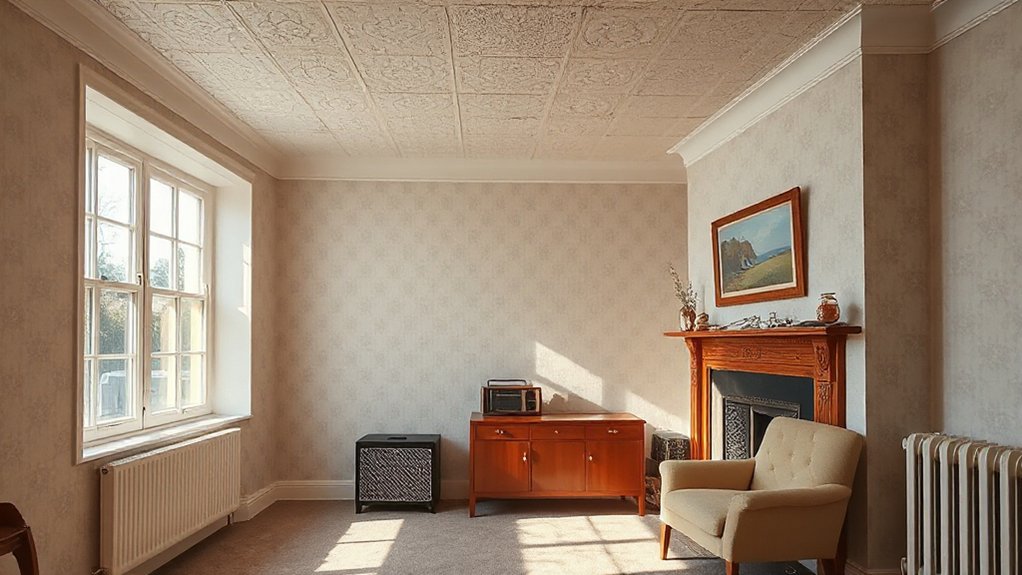
Your 1930s home isn’t just a shell of bricks and plaster—it’s a timeline of design choices, craftsmanship, and constraints that shape what you can or should change. You’ll begin with Historical context: note postwar reprioritization, material shortages, and the era’s social aims. Next, map Architectural styles visible in façade details, room proportions, and stair layouts, from semi-detached rhythm to generous ceiling heights. Identify key features worth preserving: cornices, fireplaces, timber joists, and original doors. Assess structural constraints: solid walls, floor height, chimneys, and plumbing routes. Document room functions and daylight patterns to guide improvements without erasing character. Finally, create a simple inventory that links constraints to potential, ensuring your refresh respects the home’s intrinsic logic. See how history informs future decisions.
Prioritize Safe, Energy-Efficient Upgrades That Respect Period Features
Rather than chasing a full-scale overhaul, start with safety and efficiency that honor your home’s character. You’ll inspect wiring, insulation, and ventilation first, prioritizing retrofits that reduce risk and energy waste without altering essential details. Embrace modern amenities in a way that preserves scale, proportion, and plasterwork: choose discreet, compliant upgrades that can be reversed if needed. Opt for thermally efficient windows with period-style frames, and draught-proofing that respects cornices and floorboards. When planning heating, consider heat pumps or hybrid systems that minimize space intrusion and emissions. Integrate visible but selective technology with care, keeping the home’s rhythm intact. Focus on practical gains—lower bills, improved comfort, and durability—while ensuring changes support, rather than overshadow, the house’s unique character. Technological integration should feel seamless, not monopolizing.
Restore and Protect Original Architectural Details
Restoring and protecting original architectural details starts with a careful map of what merits preservation and what can be responsibly repaired. You assess plaster, mouldings, timber joinery, and door ironmongery for stability, scope, and authenticity. Document dimensions, grain, and finish, then test reversibility and impact of any treatment. Where features survive, you clean, stabilize, and repair with period-appropriate methods, avoiding over-restoration that erases patina. When restoration isn’t feasible, you select faithful alternatives that preserve the room’s character without erasing history. You integrate modern amenities discreetly, ensuring mechanicals don’t overpower historic details. You plan maintenance schedules that guard against future decay, keeping surfaces breathable and joints sound. You aim for contemporary design compatibility while honoring the building’s texture, rhythm, and provenance.
Plan Period-Appropriate Layouts That Improve Flow
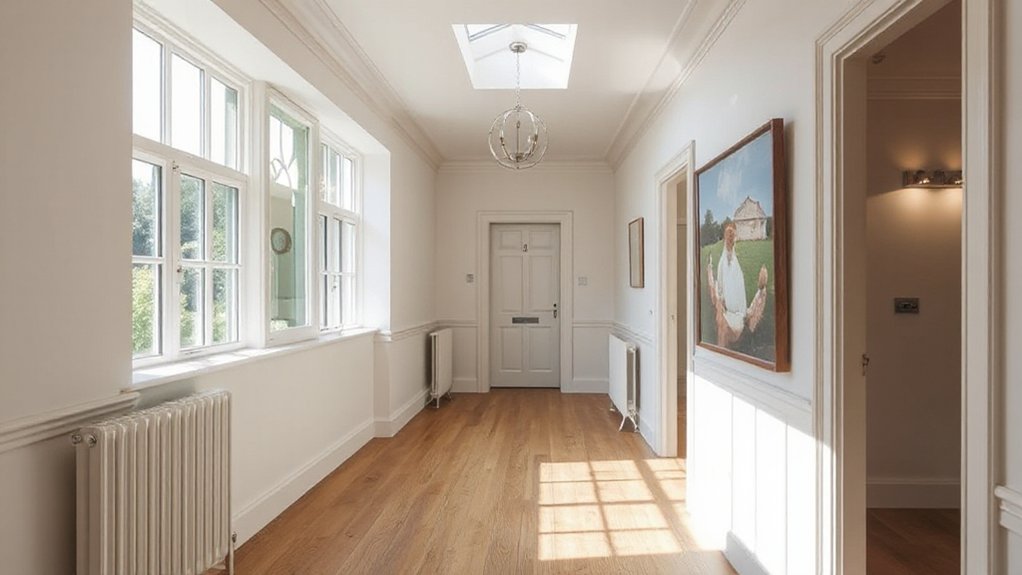
Plan layouts that respect the period feel while improving daily flow by reconfiguring spaces to suit modern living, without erasing the home’s memory. You evaluate room sizes, door swings, and alcoves to draft a cohesive ground plan that preserves the house’s rhythm. Prioritize clear sightlines from entrance to main living areas, so everyday tasks feel natural rather than zigzagged. Consider furniture arrangement to delineate zones—buttressing living, dining, and cooking with subtle, noninvasive boundaries. Channel natural light by aligning seating and mirrors to maximize brightness, reducing the need for excess artificial lighting. Lighting placement should emphasize focal features while avoiding glare. Keep circulation smooth, minimizing thresholds and awkward jogs. Always test ergonomics for chairs, work surfaces, and storage, ensuring updates respect scale, proportion, and the 1930s character.
Source Period-Appropriate Materials and Fixtures
You’ll start by sourcing materials and fixtures that echo the 1930s without sacrificing modern reliability. Prioritize pieces with period-detailed lines, solid craftsmanship, and authentic finishes that age gracefully. This sets a regenerative baseline for a cohesive update that remains true to the era.
Source Period-Appropriate Materials
To source materials that honor a 1930s UK house, start with a clear inventory of period-appropriate options for structure, finishes, and fixtures, then verify each item against original era characteristics and regional sourcing constraints. You’ll balance resilience with craft, selecting timber grades, ceramic glaze styles, and metalwork that echo the period while anticipating modern performance. Prioritize authentic textures—brick, plaster, quarry tile—and decorative elements that carry Victorian embellishments without overreliance. Pair with restrained color palettes to blend with Modern minimalism, ensuring compatibility with insulation, moisture barriers, and sustainability goals. Document provenance, expected aging, and maintenance needs to sustain long-term character.
- Period timber and timber-working techniques for framing and joinery
- Quarry tiles and brickwork finishes
- Plaster and lime-based plaster restoration
- Metal hardware with authentic patina
- Ceramic tile patterns and glaze styles
Fixtures With Timeless Detail
A timeless bathroom and kitchen fixtures selection should harmonize period charm with durable performance, so choose hardware, taps, and fittings that echo 1930s design while meeting today’s standards. You’ll notice that true period detailing isn’t about imitation alone; it’s about calibrated authenticity. Prioritize high-quality brass, porcelain, and enamel finishes that patina gracefully with use. For light control and ambience, pair antique lighting with recessed or discreet modern LEDs to maintain sightlines and safety. Consider wall materials and joinery that reflect craftsmanship—articulated backplates, toggles, and lever handles that sit comfortably in hands. Integrate vintage wallpapers as an accent around fixtures, ensuring patterns stay legible and proportionate. This approach sustains durability, enhances character, and supports regenerative renewal throughout the home.
Retrofit Insulation and Systems Without Visible Changes
Retrofit insulation and systems can be updated without altering a home’s outward look by choosing discreet, high-performance options. You’ll modernize behind walls and ceilings, preserving facades while boosting comfort, efficiency, and resilience. Focus on integration that honors architecture, using layered insulation, airtight membranes, and compact mechanicals. When you retrofit, aim for systems that support Smart home capabilities without visible vandalism to period details, so Modern aesthetics endure.
- Concealed piping and ductwork within existing cavities
- Airtight, low-profile membranes behind plaster or paneling
- Slimline heat pumps and compact boilers for hidden placement
- Hidden fasteners and color-matched fixtures
- Wireless controls that don’t demand extra faceplates or switches
This approach keeps character intact while you gain performance, reliability, and future-readiness.
Budget, Sequencing, and Disruption Planning
You’ll outline a realistic budget that aligns with the pace you want, balancing essential updates with the house’s character. Then map sequencing of interventions so you can minimize disruption while preserving key features. Finally, develop a disruption timeline that’s precise, transparent, and ready to adjust as work unfolds.
Budgeting For Renovation Pace
Planning the renovation pace starts with a clear budget, a practical sequence, and a disruption map that keeps the project moving without derailing the house’s character. You’ll allocate funds by phase, not just total cost, so you can adapt as unexpected fixes appear. Embrace a cadence that respects historical accuracy and material sustainability, choosing durable, authentic finishes that age gracefully. Build in contingency for delays and weather, then align procurement with the planned pace to avoid long idle periods. Communicate milestones weekly to prevent scope creep and preserve momentum.
- Set phase-based budgets tied to real milestones
- Prioritize historically accurate, durable materials
- Schedule weather windows and permit lead times
- Reserve contingency for surprises and sourcing delays
- Track progress to sustain steady disruption, not chaos
Sequencing Key Interventions
Sequencing interventions is about aligning budget, order of operations, and disruption with the house’s character. You map priorities so essential fabric stays intact while modern needs emerge, avoiding backtracking. Start with high-impact, reversible tasks that support later steps, like upgrading plumbing and electrical with minimal intrusion, then frame masonry, timber, and plaster as restorative anchors. Use a phased plan that ties budgets to tangible milestones, so every spend reflects value and conservation goals. Modern technology should integrate seamlessly, not overwhelm historic details; choose smart controls that enhance comfort without altering rhythm or sightlines. Adopt sustainable practices across materials, waste, and energy load, prioritizing low-embodied-carbon options and durable finishes. Clear communication keeps neighbors informed and disruption predictable, preserving the house’s character throughout the journey.
Managing Disruption Timeline
Coordinating disruption requires a clear, reality-grounded timetable that respects the house’s fabric while delivering modern comfort. You’ll map budget, permits, and access, ensuring costs stay within practical limits, and you’ll forecast contingencies to avoid costly delays. Timing is tied to weather windows, material lead times, and contractor availability, with milestones that keep the project moving steadily. You’ll prefer modular, reversible interventions so changes feel reversible to future owners, preserving character while embracing contemporary technology. Communication processes matter: daily briefings, weekly updates, and a transparent log minimize confusion and disruption. You’ll build in room-by-room workflows to reduce lived-in disruption and maintain essential functions throughout.
- Budget guardrails and contingency planning
- Sequencing aligned with fabric and finishes
- Permits, access, and logistics planning
- Contingency buffers for weather and delays
- Documentation of decisions and progress
Common Pitfalls to Avoid for a Timeless Result
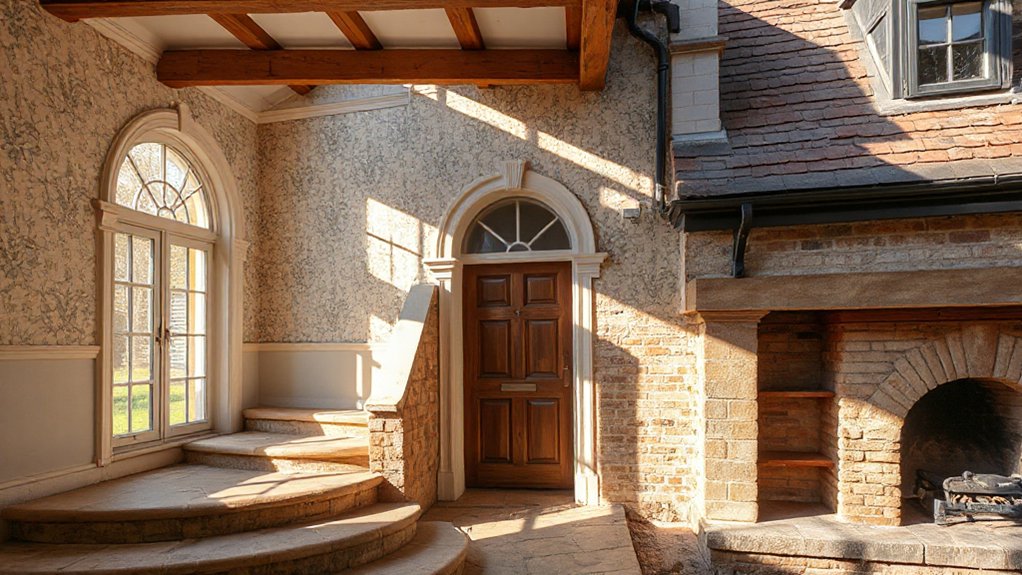
One common pitfall is chasing trends at the expense of your home’s character; instead, prioritize subtle, well-considered updates that honor original details. You’ll avoid overdoing finishes that clash with timber, plaster, or period doors. Plan lighting, sockets, and heat with restraint, so modern technology integrates quietly rather than dominates. Don’t replace vintage sash windows unless essential; repair and sympathetic draught-proofing preserves authenticity. When selecting finishes, favor traditional palettes and textures over flashy contrasts. Beware abrupt shifts toward Contemporary decor that erases provenance; instead, blend discreet ceramics, brass hardware, and leather textures to complement era rooms. In kitchens and baths, reuse period fittings where possible, adding efficiency through smart controls that remain invisible. Document decisions for future owners, ensuring the timeless result endures beyond trends.
Frequently Asked Questions
How to Ensure Upgrades Don’T Alter External Street Appeal?
To keep exterior street appeal, you limit changes to proportion, materials, and roofline. You’ll emphasize timeless windows, paint, and facade details, while prioritizing discreet interior lighting and Garden landscaping that respect the period’s silhouette and scale.
Which Trades Should Be Consulted Before Starting Work?
Teleporting into your project first, you’ll consult a licensed architect, then a structural engineer, followed by a conservation officer, electrician, plumber, and gas fitter. Plan interior lighting and plumbing upgrades with them guiding scope, compliance, and timelines.
What Grants or Incentives Support Heritage Renovations?
Heritage funding and renovation grants exist to support your project, especially when preserving character. You should research local authority schemes, grants for listed buildings, and national programs, applying promptly and documenting heritage benefits, energy upgrades, and long-term regeneration.
How to Balance Modern Comfort With Historic Acoustics?
You balance modern comfort with historic acoustics by enhancing sound insulation and improving thermal regulation, choosing sympathetic materials, and retrofitting discreetly. You assess room shapes, minimize vibrations, and preserve character while delivering calmer, more efficient living spaces.
What Maintenance Routines Preserve Restored Features Long Term?
You’ll shield historic paint and traditional flooring with relentless routines: clean, inspect, recoat, and humidity-watch, year after year. You’ll document every crack, seal drafts, and touch up finishes, keeping surfaces pristine and regenerative for generations.
Conclusion
You can update a 1930s UK house without erasing its character by weaving modern comfort into its timeless bones. Think reversible, respectful upgrades that honor timber joinery, plaster detail, and layout flow. Prioritize energy-saving improvements tucked away, and restore original features with careful craft. A telling stat: homes of the era typically waste 40–60% more energy than modern builds; subtle retrofits can cut consumption by a third while keeping the charm intact. Purposeful planning yields a lasting, regenerative home.