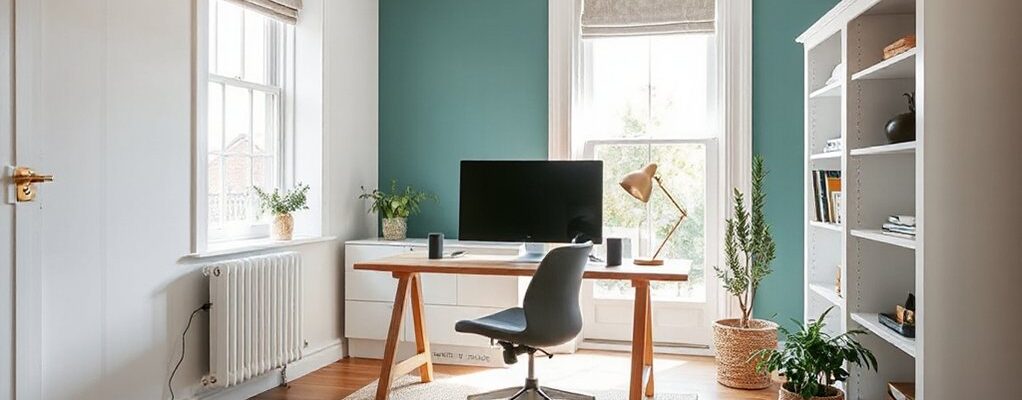
Like a quiet corner in a bustling city, your spare room can become a sharp, productive office. You’ll define purpose, map layouts for small or large spaces, and plan for UK power, heating, and lighting quirks without waste. With smart storage, budget-friendly finishes, and a tech setup that stays reliable, you’ll craft a workspace that feels both professional and welcoming. Stay tuned to see how the right balance of comfort and function unfolds.
UK-Ready Spare-Room Home Office: Define the Challenge and Objectives
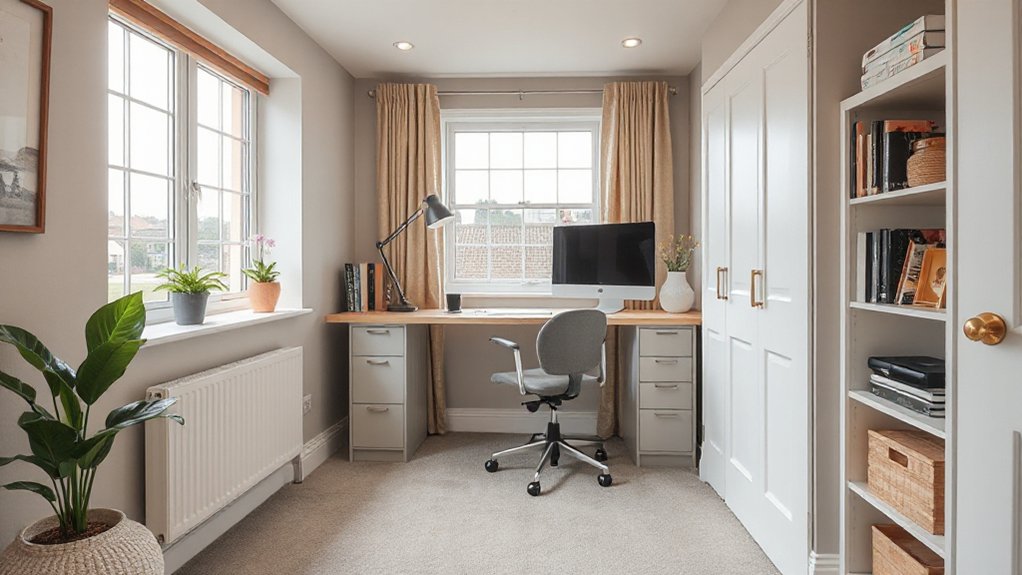
So, what exactly makes a spare room UK-ready for a professional home office? You define the challenge by identifying constraints, opportunities, and measurable goals. Begin with a clear remit: dedicated workspace, reliable connectivity, and predictable daylight. Establish objectives that align with UK work norms—quiet hours, data privacy, and ergonomic standards. You’ll prioritize Ergonomic furniture to prevent strain and boost productivity, and Acoustic treatments to control noise and sustain focus. Map out practical constraints: room size, doorways, power outlets, heating, and ventilation. Set criteria for success: daily use, comfort, and consistent performance across seasons. Document milestones and review cadence, allotting time for compliance with local regulations and landlord policies. This framework keeps your plan disciplined, adaptable, and ready to execute.
Plan the Layout for Small and Large Rooms
Start with layout strategies that maximize flow in any space, whether compact or expansive. Place your desk where natural light and access to storage align, so efficiency is built in from the start. Prioritize smart storage that doubles as room definition, ensuring small rooms feel organized and large rooms remain open and purposeful.
Layout Strategies For Spaces
Effective layout planning balances function with flow, so start by mapping each square meter for both work and relaxation. You’ll optimize proportions by zoning zones: primary work area, storage, and a calm secondary corner for breaks or focus. In small rooms, place the desk against a solid wall with minimal glare and use vertical storage to free floor space. In larger rooms, create distinct zones that feel cohesive, not cluttered, with clear sightlines and comfortable passage. Choose ergonomic furniture to sustain posture during long sessions, and assure chair, desk, and monitor heights align. Integrate acoustic treatment to dampen reflections and reduce noise fatigue. Remember, symmetry, balance, and purposeful pathways elevate productivity while preserving room character.
Efficient Desk Placement
Where should you place the desk to maximize flow and focus in both tight and spacious rooms? Prioritize positioning that minimizes distractions while enhancing productivity. In small rooms, tuck the desk near a wall corner with a clear path for movement, and face away from busy entry points to reduce visual noise. In larger spaces, center the desk to create a balanced focal point, allowing natural lighting to glide across the work surface. Use these principles:
- Ergonomic chairs ensure posture support during long sessions.
- Position screens to reduce glare from windows and overhead lighting.
- Align storage and secondary tasks to the opposite wall for efficient workflow.
This approach delivers enduring focus, comfortable seating, and a refined, professional ambiance.
Storage To Spare Rooms
Smart storage is the backbone of a spare room that stays calm and functional, so plan layouts that maximize vertical space and minimize clutter from the outset. In small rooms, prioritize tall, slim storage solutions that reach the ceiling and keep daily essentials within easy reach. In larger spaces, zone storage by function, using distinct shelving options to separate work, guest, and hobby areas without visual clutter. Choose modular systems you can reconfigure as needs shift, and mix closed and open storage to balance display with concealment. Install adjustable shelves, wall-mounted cabinets, and under-desk drawers to free floor space. Opt for a cohesive finish and durable materials so storage looks intentional, not incidental. Use smart labeling to maintain order over time.
Power, Heating, and Lighting: UK Wiring and Plug Standards
You’ll want to align your setup with UK plug standards, ensuring sockets, RCDs, and spur layouts meet current safety expectations. We’ll cover wiring safety rules, heating circuit considerations, and how to future-proof layouts for efficient power and reliable lighting. Start by auditing your space for compliance and planning practical, compliant power routes before you place furniture or equipment.
UK Plug Standards
UK plug standards guide every home’s setup: power, heating, and lighting systems must work together safely and efficiently. In your spare room, you’ll rely on robust outlets, surge protection, and appropriate adapters to keep devices running smoothly. Plan around UK 3-pin sockets and fused plugs, ensuring correct amperage for your gear and heaters. Keep charging stations tidy to reduce trips and overloads.
1) Choose outlets with tamper-resistant shutters for child-friendly spaces.
2) Use surge protectors and properly rated extension leads only where needed.
3) Label circuits and keep heavy power draws on dedicated sockets.
Keyboard ergonomics and window treatments matter here: you’ll avoid clutter that jars your posture or blocks outlets, creating a cleaner, calmer workspace.
Wiring Safety Rules
Wiring safety is non-negotiable when equipping a spare room with power, heating, and lighting: proper installation and vigilant maintenance protect people and valuables. You should follow UK wiring standards to guarantee outlets, cables, and fittings are suited to room use, with appropriate surge protection and certified appliances. Use a licensed electrician for major work, and insist on correct circuit labeling, accessible MCBs, and compliant cable routes. Inspect sockets for signs of wear, avoid daisy-chaining adapters, and replace damaged plugs promptly. Maintain a clear, clutter-free storage of power strips and extension leads. Prioritize electrical grounding everywhere, ensuring earth connections are intact and compliant. Wire safety hinges on proactive checks, moisture control, and adherence to current regulations to reduce shock and fire risks.
Heating Circuit Considerations
Could a well‑designed heating circuit transform a spare room into a comfortable workspace without compromising safety? Yes, with careful planning around power, heating, and plug standards. You’ll balance load, protection, and layout to maintain room reliability and safety.
1) radiator placement: position to optimize heat circulation and avoid blocking desks or sockets, using wall-mounted units for minimal footprint.
2) underfloor heating: consider a low‑profile system for even warmth under desks, ensuring thermostat zones don’t overload circuits.
3) circuit sizing and protection: size the circuit for average heater consumption, add RCD protection, and separate high‑draw devices from data and lighting.
Implement HVAC zoning, verify cable routes, and document installation for future upgrades and safety compliance.
Storage That Keeps a Desk Tidy and Accessible
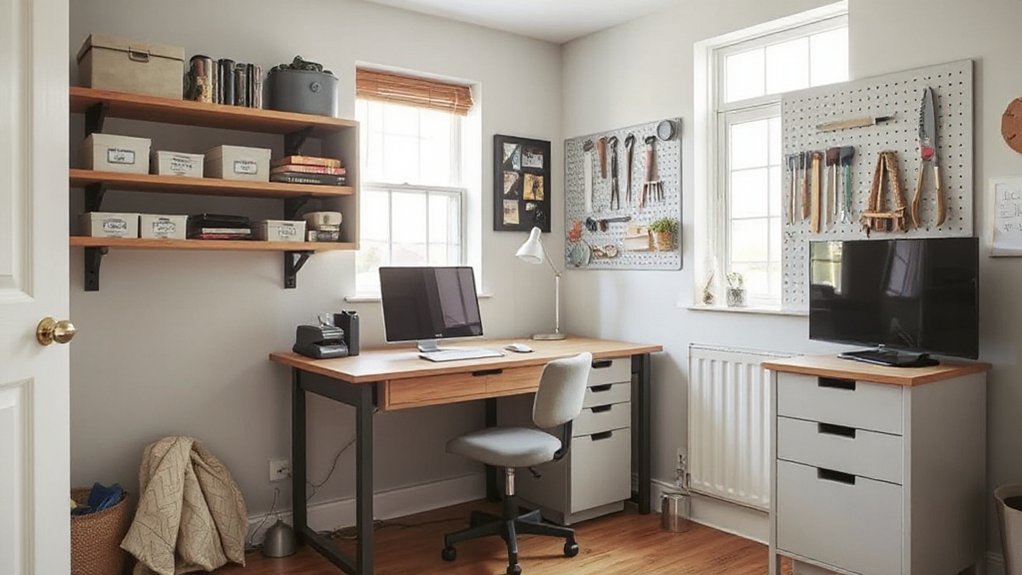
Keep cords and clutter in check with smart, accessible storage that sits within easy reach of your desk. You’ll want a system that blends form and function, so choose modular units that can grow with your workload. Start with a shallow drawer for cables, pens, and small tools, then add a vertical file or slim filing cabinet to keep paperwork organized without crowding the workspace. Use open shelves for frequently used reference books and tech accessories, and tuck bulkier items in closed storage to maintain a clean surface. Label bins and organizers for quick access, and assign a dedicated spot for nonnegotiables like chargers and spare hardware. This approach delivers clutter management through thoughtful, scalable storage solutions that keep your desk tidy and ready.
Budget-Friendly Decor Ideas That Look Premium
If you want a premium look without the price tag, start with a cohesive color palette and texture mix that feels intentional. You’ll elevate any spare-room desk by layering affordable elements that read luxe rather than cheap. Focus on subtle contrast, quality fabrics, and thoughtful placement to signal polish. Personalisation tips: mirror your taste with small, curated accents that don’t overwhelm. Budget shopping isn’t about compromise; it’s about smart picks.
- Mix textures: velvet, wool, and smooth laminates for tactile depth.
- Scale key pieces: a statement lamp, quality chair, and a durable desk surface.
- Edit relentlessly: remove clutter, keep essentials, and reuse existing decor creatively.
Tech Setups That Boost Productivity on a Budget
Smart, budget-friendly tech setups are all about clear, frictionless workflows: prioritize a reliable desk, a fast monitor setup, and cable management that vanishes from sight. You’ll optimize space with a compact dual-monitor or ultra-wide arrangement, keeping windows and apps aligned for quick task switching. Prioritize reliable peripherals and solid ergonomics: ergonomic accessories help prevent fatigue, supporting long sessions without distraction. Invest in a responsive keyboard and quiet mouse, plus a dependable webcam and headset for seamless Remote collaboration. Lean on smart cable routing and under-desk trays to maintain a tidy surface. Use a simple docking strategy to switch devices without clutter. Guarantee power and internet stability with a quality router and surge protection. This focused setup empowers you to work efficiently, confidently, and comfortably.
Finishing Touches: Colour Schemes and Accessories for Focus
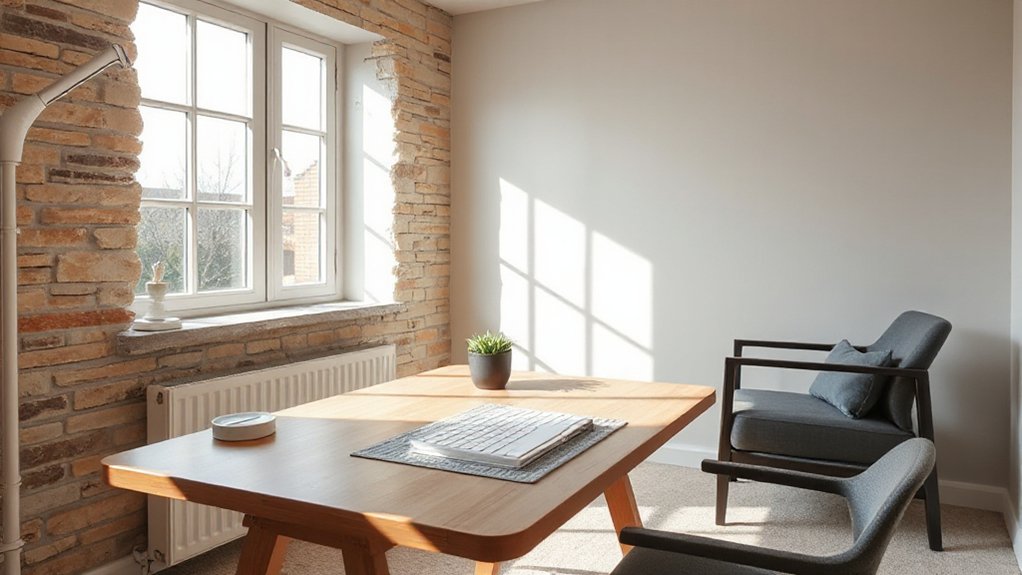
Color matters more than you might think: the right hues can sharpen focus, while muted tones reduce visual noise and cognitive load. In your workspace, color psychology shapes mood and efficiency, so pick a palette that supports concentration and calm. Use brightness strategically: walls in pale, cool neutrals; accent furniture in deeper tones to anchor attention without screaming. Accessory placement matters—keep essential gear within easy reach, display only inspiring, low-distraction items, and avoid clutter that fragments your focus.
- Choose a restrained color scheme with 2–3 core shades.
- Position task lighting to enhance contrast on your screen.
- Integrate purposeful accessories that mirror your workflow cues.
These choices deliver clarity, cohesion, and a professional atmosphere.
Guest-Use Adaptations: Turning the Room for Visitors Without Losing Function
Guest rooms should flex without friction: design the spare room so it serves visitors and preserves daily function. When guests arrive, you want instant comfort without rearranging your schedule. Choose a high-quality sofa bed or a wall bed that deploys quietly and stores neatly. Install durable, easy-clean surfaces and smart storage to minimize disruption for your own workweek. Create a dedicated guest comfort area with a compact wardrobe, folded linens, and accessible outlets for charging devices. Implement privacy solutions like a room-privacy door sweep, soft blackout curtains, and a discreet divider if needed. Keep a simple, dual-use desk setup ready for late-night work or morning briefs. Prioritize room flow, quiet routines, and clear signage to sustain productivity and hospitality.
Frequently Asked Questions
How Can I Maximize Natural Light in a Small UK Spare Room?
Maximize natural light by choosing window treatments that don’t block glare and keep light colored walls reflecting brightness. Place a mirror opposite the window, declutter, and use light, airy furnishings to amplify daytime radiance.
What Desk Height Reduces Back Strain for Long Workdays?
A desk height around elbow level, with your chair supporting a straight spine, reduces back strain. Use an ergonomic chair and an adjustable desk to fine-tune seating, posture, and movements for long workdays.
Which Uk-Specific Data Cabling Standards Matter for Home Offices?
Fiber optic, data security matter in the UK: you should prioritize approved cabling Standards like BS 1363 (power) alongside BS EN 50173 for data. You’ll protect throughput, reduce interference, and future-proof your home office with intent.
How Can I Create a Guest-Friendly Layout Without Sacrificing Workspace?
You can create a guest-friendly layout by selecting flexible Furniture arrangement and a dedicated workspace, while still preserving Privacy solutions with screens or a fold-away divider, ensuring comfortable traffic flow and stylish, precise, authoritative design.
What Are Budget Soundproofing Options for UK Homes?
Soundproof curtains mute room echoes, while acoustic panels absorb intruding noise. You’ll create calm on a budget, contrasting sleek fabric with structured panels, shielding conversations and focus—effortless style, practical performance, and affordable UK-friendly soundproofing for you.
Conclusion
In the spare room, you’re the quiet captain steering a ship through a sea of sheets and cables. Think of space as a stage where every foldaway shelf is a loyal crew member, every desk a trusted helm, and lighting the compass that guides focus home. When you mix comfort with function, the room becomes a thriving harbor for work—and when guests dock, it remains a calm, professional port. Your design isn’t decoration alone; it’s your daily voyage.