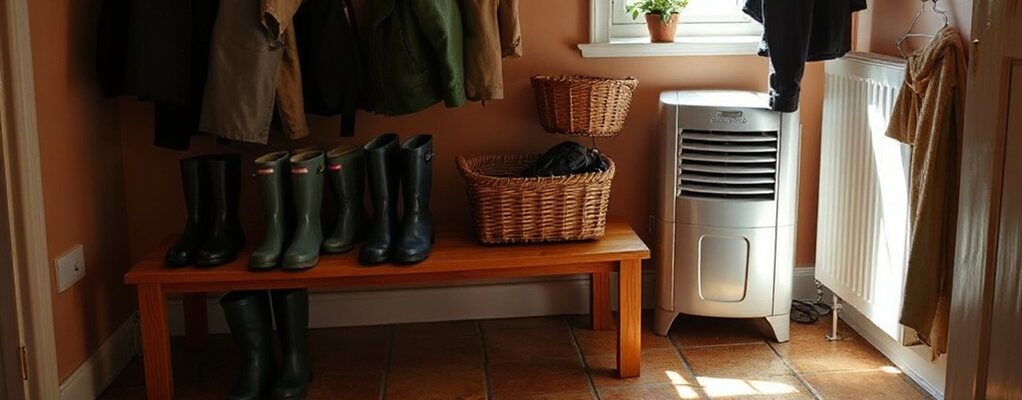
You’re planning a boot room that stands up to UK weather—mud, rain, damp, and all. Start with durable, slip‑resistant flooring and smart drying zones near heat, plus weatherproof storage to keep gear dry. Think easy-clean surfaces, good ventilation, and practical lighting. Get the layout right for your space, then upgrade with budget wins that deliver big results. Get ready to tackle the details that will keep clutter and moisture in check, and push you to the next step.
Define Your Boot Room: Space, Needs, and Goals
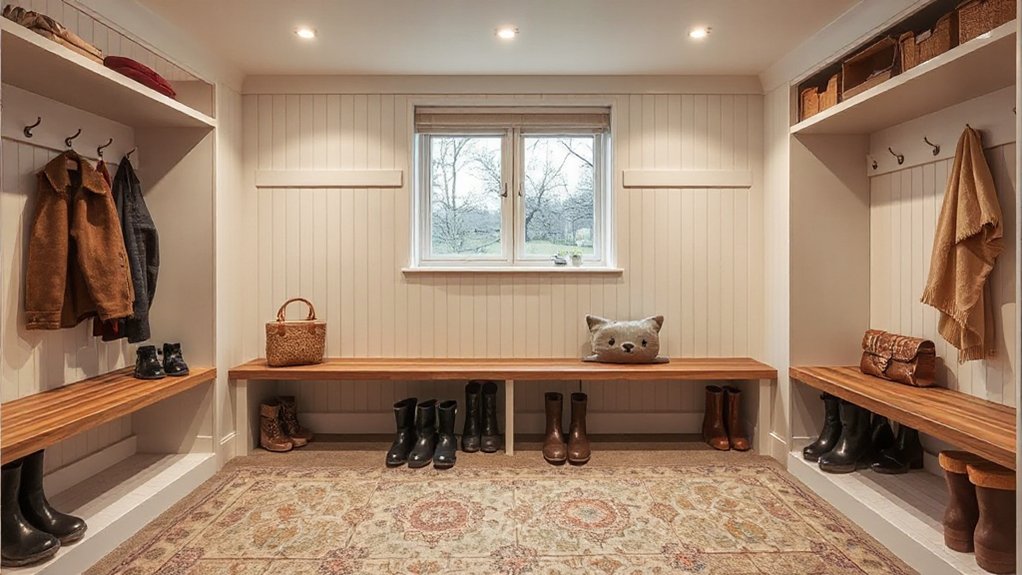
To define your boot room, start by evaluating available space, flows, and how you’ll actually use the area day to day. You’ll want a clear path from entry to primary storage, plus easy access to wet gear. Identify your must-haves: a bench, hooks, shoe storage, and a water-resistant surface for muddy boots. Consider traffic volume and how coats, bags, and umbrellas will be grouped. Set measurable goals, like “keep mud off the hall by 80%” or “dry boots within 15 minutes.” Plan for maintenance and future needs, such as seasonal gear or sports equipment. Add Custom decor and personal touches to make the space feel inviting while staying practical. Keep the layout simple, scalable, and easy to clean.
Layout Principles for Small and Large Homes
In small homes, layout decisions should prioritize clear flow and multi-purpose zones, while large homes can afford dedicated boot rooms or mud zones without crowding the main living areas. You’ll optimize entry paths by defining a single passage between outdoors and indoor spaces, using a simple corridor or vestibule to contain grime and moisture. For compact layouts, combine tasks: a bench with storage under it, hooks, and a small cubby for shoes. In larger houses, separate boot cleaning from living areas with a mud zone and a direct outdoor access door. Focus on Outdoor lighting to illuminate approaches and steps, reducing slipped mornings. Use insulation techniques to maintain comfortable interior temperatures and minimize heat loss between seasons. Prioritize practical zones over aesthetics for durable daily use.
Choose Durable Flooring for Mud, Rain, and Damp
Choose durable surface materials that tolerate mud and damp, then pair quick-drying flooring with slip-resistant textures to keep the boot room safe and tidy. Think practical options like rubber, porcelain tile, or graded vinyl that wipe clean and handle rain hello. Prioritize grip and drainage to reduce slips as you move between mud, rain, and damp chores.
Durable Surface Materials
Durable flooring is essential in a UK boot room, where mud, rain, and damp are a constant risk. Choose surface materials that resist moisture, abrasion, and staining, while staying comfortable underfoot. Look for textured finishes or microtextured slats that provide grip without becoming slippery when wet. Consider integration with drainage and easy-to-clean joints to prevent residue buildup. Practical options include epoxy or vinyl compressions, sealed concrete, and rubber composites, each offering tough performance and longevity. Prioritize slip resistance, seamless progressions, and minimal maintenance so you can wipe, rinse, or sweep with minimal effort. Eco friendly options exist, balancing longevity with lower environmental impact. Also weigh aesthetic considerations, as color, texture, and tone influence how the space feels and functions daily.
Quick-Drying Flooring Options
Quick-drying flooring is essential in a UK boot room, especially when mud, rain, and damp are constant. You want a surface that sheds moisture quickly and recovers between loads of footwear. Look for materials with low water absorption and rapid drainage, such as smooth, seamless surfaces or interlocking tiles with grout-free joints. Consider coatings that enhance water repellence without building up resistance, like rain resistant coatings that still allow the floor to wipe clean. Insulated flooring helps reduce heat loss and keeps damp feet warmer, especially in colder months. Pair with integral gaps or channels to channel moisture to drains. Prioritize durability over looks, and choose simple installation and easy maintenance so chores don’t trap you in the doorway.
Slip-Resistant Textures
When you’re dealing with mud, rain, and damp, a flooring texture that grips underfoot is essential; textured surfaces with slip-resistant patterns provide traction without sacrificing ease of cleaning. In this subtopic, you’ll focus on non slip textures that stand up to UK weather. Choose durable flooring with grainy or pebble-like finishes that trap moisture at the surface rather than allowing slick puddles to form. Look for weather resistant finishes, which resist wear from boots, salt, and damp air. Practical options include treated porcelain, textured vinyl, and stamped concrete with a honed grip. Prioritize consistent texture across passages to bath mats and door thresholds. Regular cleaning maintains grip, and sealed textures help prevent staining and slipperiness over time.
Smart Storage: Cabinets, Hooks, and Mud Trays
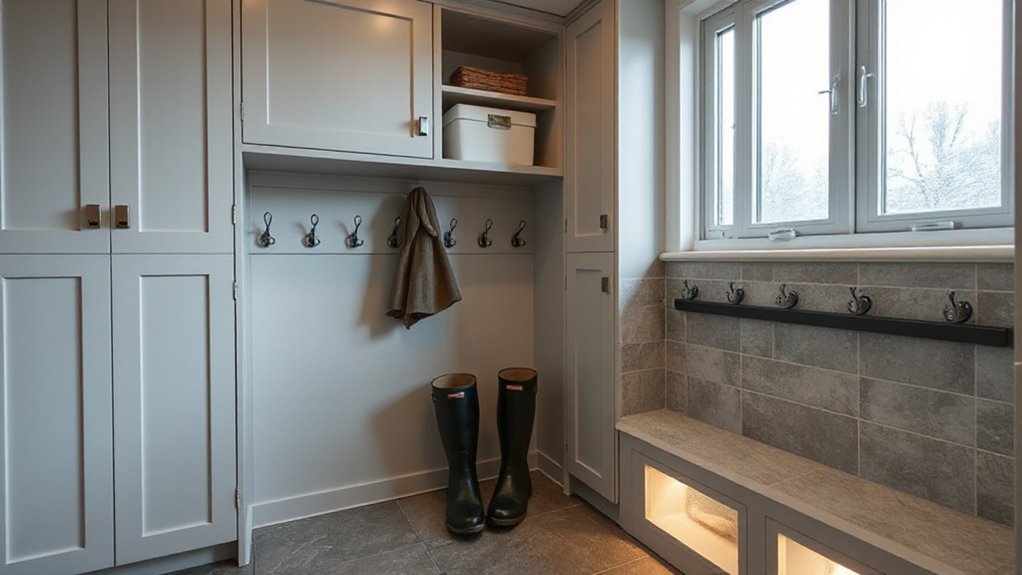
Smart storage makes boot rooms genuinely practical. Start with cabinets and hooks that keep daily stuff out of sight yet within easy reach, and add a mud tray where mucky boots land to cut down on interior mess. Together, these elements boost efficiency and help you respect UK weather by keeping gear organized and ready for quick outdoor shifts.
Smart Storage Solutions
Smart storage is the backbone of a functional UK boot room, keeping coats, boots, and muddy gear neatly organized and easy to reach. You’ll want hardy systems that endure damp days and frequent use. Choose smart-storage options with compartments sized for boots, gloves, and sealing bags, so everything has a defined home. Integrate rain resistant fabrics on shelving and baskets to resist moisture transfer and simplify cleaning. Use labeled bins for quick sorting by family member or activity, reducing rummaging time. Mud trays near entrypoints prevent tracking, while hooks positioned at practical heights free up floor space. Consider insulated wall panels behind storage to curb condensation and interior warmth loss, boosting the overall efficiency of your boot room.
Cabinets And Hooks
Cabinet and hooks form the backbone of your boot room’s organization, offering sturdy keeping spots for coats, boots, and muddy gear. Cabinets should be sized for real-world use, with adjustable shelves to accommodate tall boots and seasonal outerwear. Choose materials that resist moisture and scuffs, then seal edges to prevent damage. Custom cabinet layouts let you tailor storage to your space, keeping frequently used items within easy reach and reducing clutter. Decorative hooks add personality while providing quick-drop zones for bags and accessories, so you don’t stumble over gear on a busy morning. Install hooks at varying heights to serve adults and kids alike. Combine guidance with gravity by aligning everything to a simple, accessible grid.
Mud Tray Efficiency
Mud trays are the unsung workhorse of a functional boot room, catching dirt before it spreads and keeping floors safer. You’ll boost mud tray efficiency by choosing trays with high edges and a shallow lip to direct moisture into a lined channel. Look for weather resistant materials that tolerate wet footwear, mud, and cleaning products without warping or staining. Position the tray near the door to minimize tracked debris and make wiping easier. If space is tight, opt for a compact, removable tray on a tray liner to simplify emptying. Consider a tray with a removable, washable insert for quick deep cleanings. Pair with a moisture-absorbing mat to extend effectiveness and reduce repeated scrubbing.
Splash-Proof Surfaces and Easy Wipe-Down Finishes
From the moment you step inside, splash-proof surfaces and easy wipe-down finishes save you time and effort; choose materials that resist water, stains, and daily wear. In a busy UK boot room, practicality beats fashion, but you can’t ignore aesthetics. Opt for seamless, non-porous options like epoxy or PVC-coated panels that wipe clean in seconds and don’t harbor grime. For floors, consider vinyl or tiled surfaces with textured, slip-resistant finishes to prevent accidents. Use rounded edges and integrated sills to minimize dirt pockets. Prioritize Eco friendly materials that still perform well, and coordinate colors with your entry to boost aesthetic design without sacrificing durability. Keep surfaces simple to maintain, and you’ll sustain a tidy, welcoming space after every wet excursion.
Ventilation and Drying: Keeping the Room Fresh
Good ventilation matters because damp air fuels odors and mold. In a UK boot room, you control moisture by picking a sensible layout and using practical ventilation strategies. Position a dedicated drying zone near a source of heat or sun, but avoid blocking air paths. A simple wall vent or ceiling extractor helps pull humid air out as you air things after rain, reducing condensation on floors and walls. Use a breathable mat that sheds water and dries fast, then stash wet gear in a tub or hamper. Regularly wipe down surfaces to prevent salt and mud buildup from stalling airflow. Keep doors/vents unobstructed, and mind moisture control during peak wet seasons.
Budget-Friendly Upgrades With Big Impact
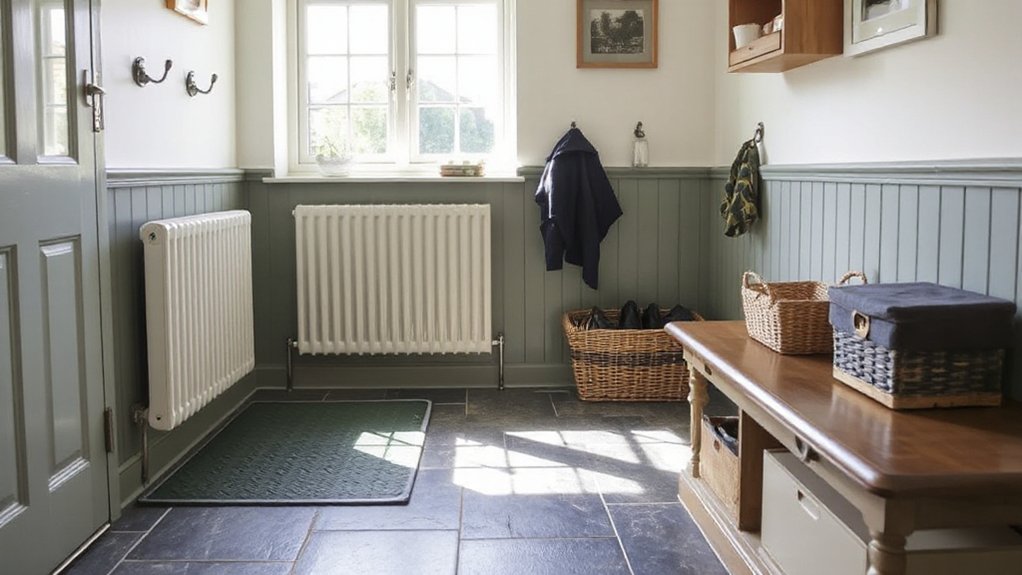
When you’ve already set up sensible ventilation and a drying zone, there are simple upgrades that punch above their weight without blowing your budget. Start with tight seals on doors and windows; small investments here cut drafts, boost energy efficiency, and keep mud from crossing into living spaces. Add a washable floor coating or lined mats that shrug off mud and mop up spills, saving time and effort. Choose seasonal decorating accents that refresh the space without major changes, like weatherproof baskets, hooks, and a slim bench with storage. Install inexpensive LED lighting to brighten the entry and reduce electricity use. Use reflective paint and mirrors to make the room feel larger while maintaining practicality. These tweaks deliver noticeable impact with minimal cost.
Year-Round Maintenance for a Mud-Free Home
Maintaining a mud-free home year-round is straightforward when you keep a steady routine beyond the big seasonal shifts. Consistency beats cram sessions, so install a daily wipe-down station near the boot rack and use a sturdy tray to catch moisture. Keep outdoor footwear off mats with a dedicated basket or shelf at waist height for easy access. Quick inspections—check laces, soles, and top surfaces—prevent tracking later. Schedule a weekly sweep of the entry area and a monthly wipe of doors and thresholds to stop grit from migrating inward. Use seasonal decorations to cue maintenance tasks without clutter; rotate these items as weather changes. Share the load with household members to maintain momentum and reduce buildup.
Frequently Asked Questions
How Do I Measure Boot Room Airflow for Damp Conditions?
You measure boot room airflow by checking ventilation systems and humidity control, using a hygrometer and smoke test to verify drafts. Monitor humidity levels, aim for 40–60%, and document air changes per hour to guarantee damp conditions stay managed.
What Budget-Safe Materials Prevent Mold Long-Term?
You should use mold resistant paint and keep ventilation fans running, since they curb moisture and limit mold growth long-term. Install affordable, breathable materials, seal gaps well, and conduct regular checks to catch damp early. Regular maintenance stays essential.
Which Storage Setups Suit Multi-Occupant Homes?
You should consider multi-occupant friendly setups with shoe organization and wall mounted cabinets, maximizing shared space. Use labeled bins and vertical storage to keep everyone organized, while keeping accessible shelves at kid height for quick, collaborative shoe changes.
How Often Should I Deep-Clean Mud Trays and Mats?
You should deep-clean mud trays and mats weekly to control muddy footprints and odors, then sanitize monthly. Use practical storage solutions to contain dirt, and rinse mats after heavy use to keep entryways tidy and inviting.
Can Portable Dehumidifiers Work in Small Spaces?
Yes, portable dehumidifiers work in small spaces, just choose a compact unit. Guarantee proper small space ventilation by circulating air, avoid overdriving humidity, and empty or drain regularly to prevent odor and mold buildup.
Conclusion
You’ve built a boot room that shrugs at rain, mud, and damp, right? Sure, it dries fast, stays tidy, and never smells like a gym locker. You’ve got slip‑resistant floors, waterproof storage, and easy-clean surfaces, plus a vent that actually works. So, when the UK weather bullies you outside, you calmly pat your mud‑free boots and say, “Nice try, nature.” It’s almost as if it was designed to handle this. Almost.