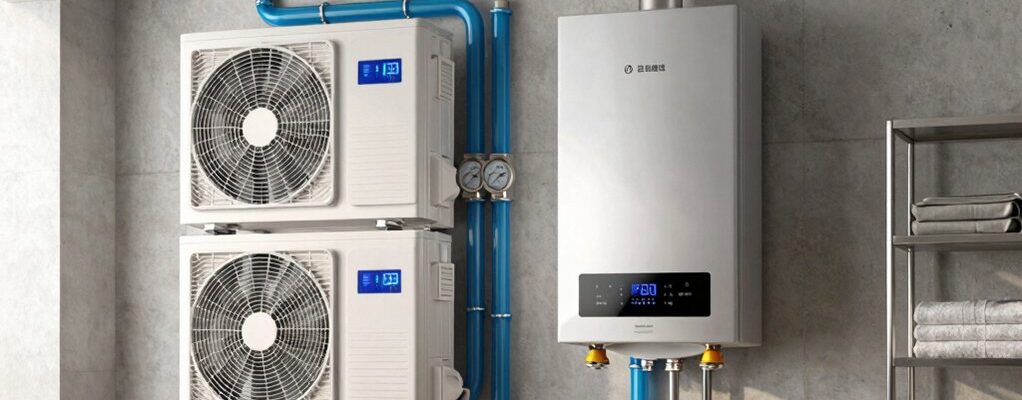
Heat pump dryers and water heaters use ambient air heat rather than electric coils or flames, recapturing energy in a sealed loop to dry clothes and heat water more efficiently. You’ll cut energy use, shrink bills, and free up space with compact, integrated or combo units. They run cooler and longer, with fewer moving parts, but may cost more upfront and need proper sizing and installation. If you keep exploring, you’ll uncover how to maximize savings and comfort.
What Exactly Is a Heat-Pump Dryer and Water Heater, and How Do They Work?
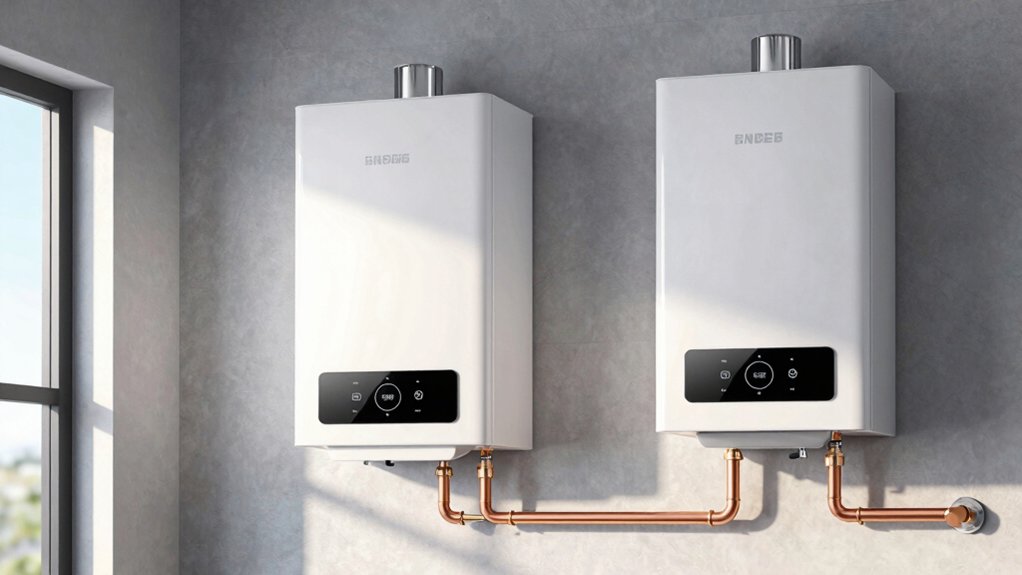
A heat-pump dryer or water heater uses ambient heat from the air to do the work, rather than generating all the heat with a traditional electric element or gas flame. You’ll see a sealed loop that extracts heat from room air, compresses it to raise its temperature, and then transfers it to your load or to water.
The result is higher energy efficiency and gentler temperatures, since the system reuses heat rather than wasting it. In practice, you’ll notice longer dry cycles or hot-water readiness with lower energy use, especially in well-insulated spaces.
The climate impact is meaningful: you reduce fossil-fuel reliance and lower electrical demand when compared to conventional appliances, reinforcing a more sustainable home. You belong in this efficiency upgrade.
How Heat-Pump Tech Saves Energy, Money, and Space
Heat-pump tech saves energy, money, and space by moving heat rather than generating it, so your dryer and water heater run cooler and more efficiently. You’ll feel the difference in daily use: less energy is wasted, your bills drop, and equipment lasts longer.
In practical terms, heat-pump systems extract ambient heat and repurpose it, boosting efficiency without sacrificing performance. You gain tangible Energy savings because the unit reuses heat rather than producing it anew.
Space efficiency follows too; compact, integrated units occupy less footprint than traditional setups, freeing room for storage or laundry tasks.
This approach is purposefully designed for homeowners who value reliability and comfort. With proper sizing and routine maintenance, you optimize performance, minimize downtime, and enjoy consistent, economical hot water and drying.
Heat Pumps vs Traditional Systems: Pros and Cons
Heat pumps offer distinct advantages over traditional systems, but they aren’t a one-size-fits-all solution. You’ll weigh energy efficiency gains against upfront costs and climate considerations, ensuring your choice fits your home and values. When you compare, focus on long‑term savings, reliability, and your comfort priorities.
Here are the key pros and cons:
1) Energy efficiency edge: heat pumps transfer heat more efficiently, lowering operating bills.
2) Climate impact considerations: reduced greenhouse gas emissions in many setups, yet dependent on electricity sources.
3) Installation and lifecycle: higher upfront investment but longer service life with fewer moving parts.
Bottom line: if your priorities include energy efficiency and a smaller climate footprint, heat pumps can be a smart, belonging‑oriented upgrade—without sacrificing comfort.
Is a Heat-Pump System Right for Your Home? Key Fit Criteria
To decide if a heat-pump system fits your home, assess climate suitability, electrical readiness, and budget implications. You’ll want a climate with moderate outdoor temps and reliable humidity control, since efficiency dips in extreme cold or heat.
Confirm your electrical panel and wiring can handle the added load, and verify compatibility with existing HVAC or utility layouts.
Consider your budget trajectory, including installation and long-term operating costs, not just sticker price. Energy savings should be clear over time, driven by lower heating and cooling bills and improved efficiency.
Be prepared for installation challenges, such as ductwork tweaks or space constraints, and plan for professional sizing and commissioning.
When these fit, you gain comfort, reliability, and a sense of belonging to a greener, cost-aware home.
Upfront Costs and Incentives, Plus Expected Payback
Upfront costs vary by model, installation, and efficiency features, so you’ll want a clear apples-to-apples comparison.
Incentives can substantially trim your upfront bill, but eligibility and timing matter, so check local, state, and utility programs before you commit.
With proper planning, you can expect a recognizable payback as energy savings accumulate over time.
Upfront Cost Varieties
For heat pump dryers and water heaters, upfront costs vary by unit size, efficiency tier, and installation requirements, but incentives can considerably offset the price. You’ll see different price bands; larger, higher-efficiency units cost more upfront but save more over time.
1) Core factor: efficiency tier matters for both purchase price and ongoing energy costs, shaping your Energy savings and environmental impact.
2) Installation scope: venting, plumbing, and electrical needs influence total spend and time to operation.
3) Brand and configuration: integrated systems vs. standalone units affect upfront and long-term value.
Choose confidently, knowing the upfront math aligns with energy savings and environmental impact. Belonging comes from smart, future-ready choices you’ll enjoy today.
Incentives & Payback Time
Incentives can considerably shrink upfront costs, and payback time becomes a practical measure of value for heat pump dryers and water heaters. You’ll find financial incentives that offset purchase and installation, making the shift more affordable without compromising performance.
These programs, offered by federal, state, and utility entities, reward efficiency and lower operating expenses, aligning with a smart homeowner’s goals. Factor in potential rebates, tax credits, and performance-based incentives to estimate total cost of ownership with precision.
Expect faster return on investment when using high-efficiency models and properly sized systems. Beyond savings, you gain environmental benefits—reduced energy demand and fewer emissions—strengthening your sense of belonging within a community prioritizing sustainability.
Plan, compare, and implement to maximize value and impact.
Choosing the Right Configuration: Separate Units vs. a Combo
Choosing between separate units and a combo means you’ll weigh separate-unit pros against the tradeoffs of a single system.
A combo can save space and simplify install, but may limit flexibility and maintenance options.
Consider space, cost, and how each configuration aligns with your needs for efficiency, reliability, and future upgrades.
Separate Units Pros
Separate units offer several practical advantages that can guide your configuration choice. When you opt for independent heat pump dryer and water heater, you tailor performance to each load, maximizing energy efficiency and reliability. This approach also streamlines upgrades and maintenance, so you stay current with advances without reconfiguring a single system.
1) Energy efficiency optimization: separate units let you target each appliance’s efficiency improvements without compromise.
2) Space savings flexibility: you can place components where they fit best, preserving sightlines and storage.
3) Long-term resilience: modularity reduces cross-system impact if one unit needs service.
This configuration supports a cohesive, high-performance home that feels like belonging, not compromise. Separate units empower precise, future-proof choices.
Combo System Tradeoffs
Combo system tradeoffs require weighing total cost, compatibility, and future-proofing against upfront convenience.
In a dual-unit mindset, you gain modularity and easier repairs, but you trade off compactness and potentially higher upfront install complexity.
A combo can streamline space and reduce synchronization headaches, yet you must assess energy storage compatibility with your existing panels or storage system.
Ventilation options become pivotal: integrated fans may simplify layout, while passive strategies demand careful ducting and exterior routing.
Evaluate heat exchanger sizing, recovery rates, and seasonal performance to avoid throttling during peak demand.
Consider long-term costs, maintenance cadence, and your home’s electrical capacity.
Space and Cost Considerations
Space and cost are the deciding factors when you’re choosing between separate units and a combo. You want configurations that maximize space optimization while delivering straightforward cost analysis and reliable performance. A well-chosen setup reinforces belonging by aligning with your home’s layout and budget.
1) Separate units offer tailored footprints, easier expansion, and targeted efficiency gains.
2) A combo saves floor space, upfront install time, and simplifies maintenance, but may complicate future upgrades.
3) Evaluate your usage patterns, utility incentives, and long-term ownership costs to determine the best balance of convenience, efficiency, and value.
Informed choices rely on precise measurements, reputable efficiency ratings, and clear budgeting. You’ll feel confident knowing your configuration fits your space, budget, and future needs.
Installation Steps and Ongoing Maintenance for Peak Efficiency
Installing and maintaining heat pump dryers and water heaters properly guarantees peak efficiency from day one and over the system’s life. You’ll start with correct placement, venting, and clearances, then follow manufacturer guidelines for wiring and refrigerant considerations.
Regular inspections uncover loose connections, startup noises, and drainage issues before they become costly problems. Establish a simple maintenance cadence: filter checks, coil cleaning, and condensate drainage at set intervals.
For ongoing upkeep, track performance metrics like run time, cycle completion, and energy use to spot efficiency declines early. Use documented installation tips to ensure proper refrigerant charge and airflow, then commit to seasonal checks and prompt part replacements.
This disciplined approach reinforces reliability, reduces waste, and reinforces your sense of belonging to a smarter, high-performing home.
Real-World Payoffs: Scenarios Where Upgrading Pays Off
Upgrading to heat pump dryers and water heaters pays off in clear, real-world ways: lower operating costs, faster payback, and fewer maintenance hassles. You’ll see tangible benefits when you pair upgrades with smart choices like Smart thermostats and insulation upgrades that maximize efficiency.
1) Real-world savings: reduced energy use translates to lower monthly bills, especially during peak seasons.
2) Quick payback: upfront costs recouped through energy savings, typically within a few years, based on your climate and usage.
3) Reliability and comfort: fewer breakdowns, stable indoor temperatures, and a quieter system supporting a calmer home environment.
These outcomes reinforce belonging: you’re joining a community prioritizing efficiency, long-term resilience, and modern, connected living.
Frequently Asked Questions
How Do Heat-Pump Dryers Differ From Conventional Dryers?
Heat-pump dryers use electricity more efficiently, recycling heat and venting less moisture, unlike conventional models. You’ll notice higher energy efficiency and lower running costs, though installation costs may be higher upfront; you still gain long-term savings and smarter home integration.
Can a Heat-Pump System Replace Both Heater and Dryer Functions?
A heat-pump system can’t replace both heater and dryer functions simultaneously. It’s best as a combined solution for heating water and optimizing dryer efficiency, yielding energy savings; installation costs vary, but long-term energy savings justify the investment for you.
What Maintenance Best Practices Maximize Efficiency Gains?
You maximize efficiency by performing regular filter cleaning and vent maintenance, plus inspecting seals and coils monthly, scheduling professional checkups seasonally, and addressing mineral buildup promptly, so your system operates smoothly and reduces energy waste for everyone.
Do Heat-Pump Systems Operate Effectively in Cold Climates?
Cold-weather performance varies; heat-pump systems still operate, though efficiency drops as outdoor temps fall. You’ll notice more energy use during deep freezes, yet system performance remains reliable with proper insulation and outdoor unit protection.
How Do Warranties and Service Plans Apply to These Systems?
You’ll get reliable protection because extended warranty covers major components, while service plan coverage handles routine maintenance and repairs. You’ll know what’s included, what’s excluded, and you’ll feel supported, confident, and part of a trusted network.