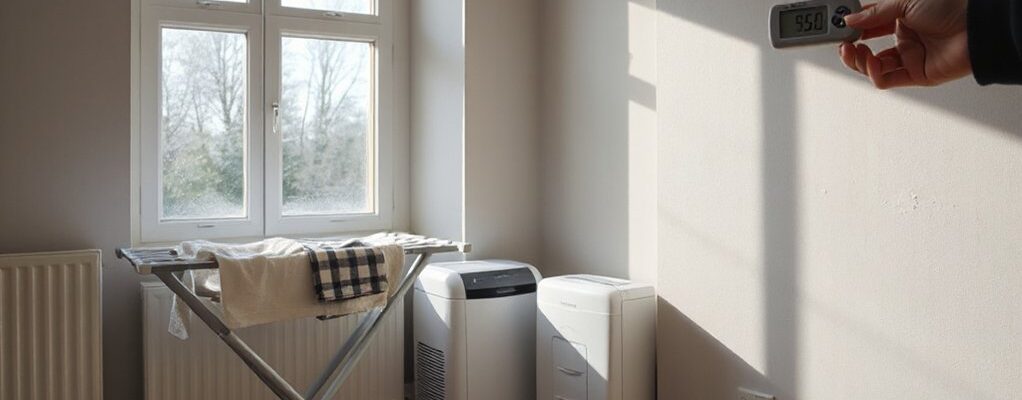
Damp and condensation aren’t just a nuisance—they signal moisture you need to manage. You’ll identify sources, improve ventilation, and control humidity with practical steps you can implement now. Keep indoor humidity around 40–60%, boost heating and insulation, and seal gaps to stop cold surfaces that invite condensation. If patches persist, you’ll assess damp-proofing options and consider professional help for lasting, sustainable solutions that finally get ahead of the problem.
What Causes Damp and Condensation in UK Homes (and Why It Matters)
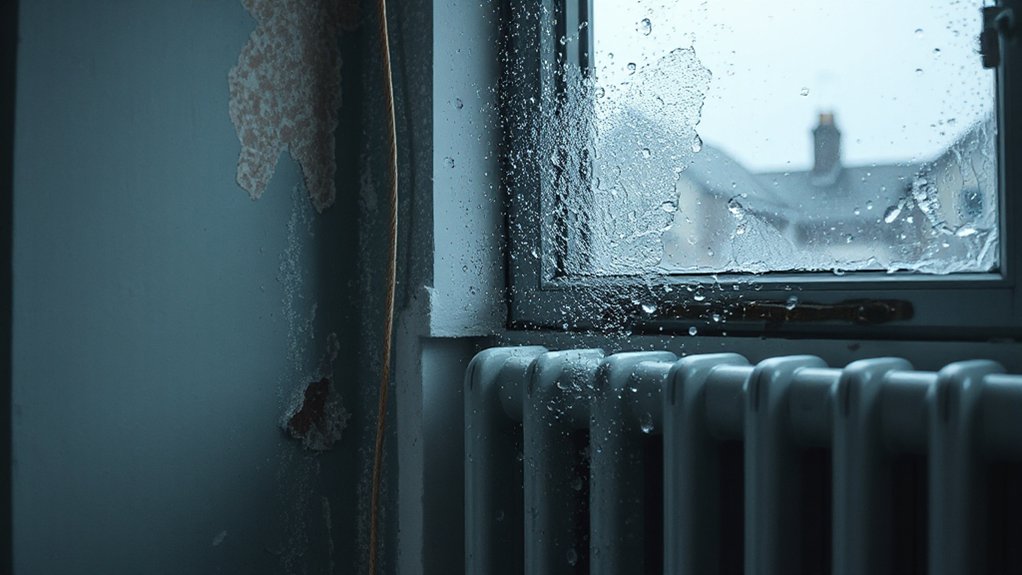
Damp and condensation in UK homes happen when moisture builds up and can’t escape, leading to damp patches and mould. You’re likely facing a mix of moisture sources, including daily activities, weather, and building design. Moisture intrusion occurs when air doesn’t ventilate properly, allowing humid air to condense on cold surfaces. This process can feed mould growth and accelerate material degradation. Over time, repeated damp exposure weakens walls, timbers, and insulation, increasing the risk of structural damage and higher energy use. You’ll find that breath tests, humidity levels, and observable staining help identify the main contributors. By distinguishing seasonal and long-term patterns, you can prioritize interventions. Understanding these causes empowers targeted, evidence-based actions to protect health, comfort, and the home’s integrity.
Quick Fixes to Dry Things Out Today
If you’ve noticed damp patches or a musty smell, you can start drying things out right away with practical, no-nonsense steps. First, identify moisture sources and reduce them temporarily: wipe surfaces, remove standing water, and swap to clean, dry towels. Boost air movement with a fan or open windows when humidity isn’t high, and avoid drying clothes indoors. Use a dehumidifier for a few hours in problem zones, following the manufacturer’s guidance. Keep indoor plants to a minimum in affected rooms, since they can add humidity levels if overwatered. Monitor humidity levels with a hygrometer; aim for 40–60% during peak damp spells. Seal minor leaks promptly and re-check surfaces daily to confirm drying progress before exploring longer-term improvements.
Long-Term Solutions: Ventilation, Heating, and Insulation That Last
Long-term solutions hinge on well-ventilated spaces, efficient heating, and robust insulation that work together year after year. You’ll prioritise a balanced approach: continuous background ventilation, controlled extraction where needed, and targeted heat input to avoid cold spots. Practical choices include mechanical ventilation with heat recovery, programmable thermostats, and zoned heating to reduce temperature swings. Pair these with high-performance insulation and airtight detailing to limit moisture ingress and heat loss. Regular maintenance—filters, seals, and check-ups—keeps systems effective. Consider moisture barriers at critical interfaces (e.g., basements, roofs) to prevent hidden damp. Monitor indoor air quality indicators and adjust ventilation in response to occupancy and activity. This integrated strategy minimizes condensation risk, supports comfort, and delivers durable, energy-efficient results.
Breathable Materials and Damp-Proofing Options That Work
A practical, evidence-backed approach to damp and condensation starts with breathable materials and targeted damp-proofing that work in tandem with your ventilation and insulation strategy. You’ll choose options that manage moisture while staying compatible with your overall system. Breathable paints help you limit moisture accumulation on interior surfaces, reducing surface damp without trapping humidity. Damp proof membranes provide a reliable barrier in walls and floors where water ingress is likely, supporting long-term integrity. Pair these with correct installation and detailing to avoid bridging vapor paths.
- Use breathable paints on interior walls to allow moisture to escape without sacrificing aesthetics.
- Install damp proof membranes where water ingress risk is highest, ensuring continuity at joints.
- Integrate with existing ventilation and insulation for cohesive performance.
Spot Damp Early: Signs to Watch For and When to Call a Pro
Spot damp can creep in quietly, so you should know the early signs and act fast. You’ll notice persistent condensation on windows, damp patches on walls, or a musty smell in CW rooms or cupboards. Track frequency: does it worsen after showers, cooking, or laundry, or during weather that’s damp outside? Check for peeling paint, wallpaper loosening, or black spots that could be mold. Document occurrences with dates and locations to guide a pro. Prioritize damp detection methods like surface tests or moisture meters in suspect areas. Remediation should focus on improving ventilation, lowering humidity, and fixing leaks promptly. If signs persist despite actions, call a qualified professional to assess structure, insulation, and moisture sources for mold prevention and safety.
Frequently Asked Questions
How Much Does Damp-Proofing Typically Cost in the UK?
Damp-proofing costs vary, but you’ll typically pay £2,000–£6,000 for full treatment, depending on scope. Compare prices, request quotes, and track damp treatment options. Do a price comparison and document warranties, timelines, and long-term maintenance.
Can Plants Cause Condensation Indoors in Colder Months?
Like a sleepy forest, your room breathes. Yes, plants can raise indoor humidity indoors when burrowing moisture; guarantee plant ventilation, avoid overwatering, and ventilate regularly to prevent condensation in colder months. Maintain steady humidity levels for comfort and health.
Do DIY Damp Treatments Void Home Insurance Warranties?
DIY damp treatments can void home insurance warranties, depending on your policy. You should review exclusions and disclose risks; otherwise, insurers may deny claims. Insurance implications exist, and DIY risks can complicate coverage, so proceed cautiously and document everything.
How Do Mould and Damp Affect Indoor Air Quality Health?
You increase your health risks when mould spores rise, with 90% of homes above recommended humidity. You must implement Ventilation strategies and humidity control, improving air quality by actively reducing moisture, filtering contaminants, and maintaining consistent indoor environmental conditions.
Are Air-Source Heat Pumps Suitable for Damp-Prone Homes?
Air-source heat pumps can work in damp-prone homes, but assess heat pump efficiency and installation requirements first. You’ll need robust drainage, dehumidification, and moisture controls; otherwise efficiency drops and biodiversity of problems rises.
Conclusion
Despite the chilly mornings and damp patches, you’ve already started the practical steps—ventilate, heat, insulate. You’ll notice coincidence: a dry room following a long, deliberate airing; the moisture meter dipping after a dehumidifier run; a window that isn’t misting when you keep a steady 50–60%. When you pair quick fixes with long-term habits and, if needed, professional advice, you’ll protect your home and your peace of mind—consistently, measurably, and sustainably.