You’ll find value where risk exists; the biggest gains often come from careful, measured upgrades rather than sweeping renovations. You’ll want a budget that prioritizes returns, a timetable that minimizes downtime, and documentation to back up every claim. If you stay disciplined and focus on practical improvements—kitchens, baths, lighting, and curb appeal—you’ll set yourself up for quicker, higher-quality offers. The path forward hinges on precision and evidence, so consider what stakeholders expect and what your targets demand.
Prioritize Your Pre-Sale Budget for UK Property Value
Prioritizing your pre-sale budget is essential to maximize UK property value without overspending. You should allocate funds based on market trends and established valuation strategies, ensuring spend aligns with likely return.
Begin with a cost-benefit assessment of structural, mechanical, and cosmetic improvements, prioritising items that influence property valuation most directly.
Reserve budget for professional fees, surveys, and compliance costs to avoid unexpected overruns.
Use data from recent comparable sales to calibrate expectations and avoid over-investment in features with limited appeal.
Track timelines and cash flow to prevent delays that erode value.
Document the rationale for each expense to support future valuation discussions.
Regularly re-evaluate the budget against changing market trends and reassess valuation strategies as you approach listing.
Quick Wins: Cosmetic Fixes That Pay Back Fast
Fresh Paint Refresh and tidy curb appeal are your quickest value levers.
You should prioritize neutral tones and clean lines to maximize buyer perceived space and first impressions.
This section introduces measurable, cost-effective cosmetic fixes that deliver rapid payback.
Fresh Paint Refresh
Is a quick paint refresh worth the investment before listing? A fresh coat can refresh space perception and light levels, boosting perceived room size and buyer appeal.
You should choose neutral hues that maximize brightness and resale appeal, avoiding bold or polarising colours. Color psychology suggests cooler neutrals can convey calmness and cleanliness, while warmer neutrals invite comfort without narrowing the room.
Assess surface condition: repair cracks, patch holes, and sand glossy areas to ensure adhesion and a uniform finish. Select a high-quality paint type suitable for each room—interior emulsion for walls and durable, scrubbable finishes in high-traffic areas.
Prepare the substrate thoroughly, apply consistent coats, and maintain crisp edges with edging tools. Document color choices and finishes for prospective buyers to review.
Tidy Curb Appeal
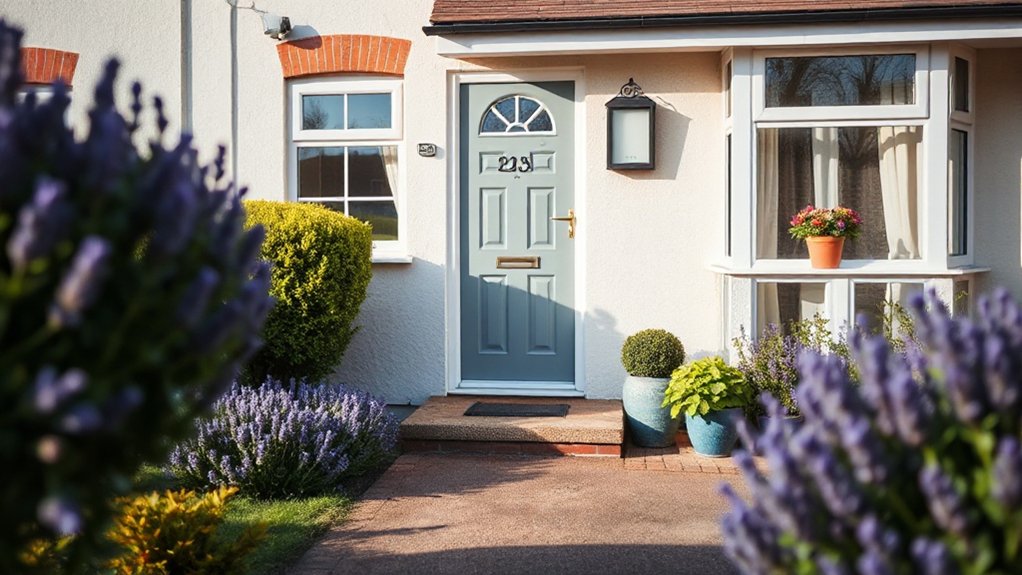
First impressions start at the curb, and quick cosmetic fixes can yield fast, measurable returns. Tidy curb appeal concentrates on disciplined, low-cost interventions that influence buyer perception without extensive renovation.
Begin with exterior decor basics: guarantee doors, lamps, house numbers, and mailboxes are clean, aligned, and free from corrosion. Control landscape visibility with focused garden maintenance—trim overgrowth, edge lawns, and remove debris to present a neat foreground.
Repaint or seal faded entry shutters and fencing in durable, neutral tones to reduce perceived risk. Address minor defects: cracked pavement, loose bricks, or uneven steps should be repaired or documented for disclosure.
Improve lighting for evening views and increasing security signals to buyers. These steps avoid overhauls while delivering tangible, positive signals.
Boost Curb Appeal on a Budget
Freshen exterior surfaces to remove grime, flaking paint, and moss, ensuring a uniform base for value-focused updates.
Implement simple landscaping tweaks like edging, mulch, and selective planting to create defined sightlines and curb appeal without overhauling the footprint.
These steps set the stage for cost-effective visual improvements that buyers notice at first glance.
Freshen Exterior Surfaces
Spring clean and refresh exterior surfaces by prioritizing affordable, high-impact tasks that improve curb appeal without major renovation. You should assess material condition, note cosmetic faults, and plan targeted interventions.
Focus on exterior maintenance tasks that prevent deterioration and enhance uniform appearance. Begin with cleaning to remove dirt, moss, and algae; use pressure-safe methods to avoid substrate damage.
Apply surface treatments only where appropriate: sealants on porous masonry, UV-blocking coatings on faded timber, and rust-inhibitors on metalwork.
Repair minor cracks or gaps to deter moisture ingress and insect ingress, then recoat weathered surfaces with breathable finishes to maintain substrate health.
Guarantee color consistency across shutters, doors, and trims to create a cohesive facade.
Document treatment dates for future maintenance budgeting.
Simple Landscaping Tweaks
Even small landscaping tweaks can noticeably elevate curb appeal without large costs. You’ll implement simple changes that deliver measurable impact on first impressions.
Begin with a crisp, functional front garden design that emphasises balance, symmetry, and clear sightlines to the entry. Prioritise low-maintenance elements to shorten upkeep cycles and reduce ongoing costs. Select native or drought-tolerant species with year-round structure to maintain visual interest.
Install a defined border and mulched bed to improve soil health and weed suppression. Then establish a concise planting scheme around the doorway for focal emphasis. Consistent foliage maintenance, including timely pruning and debris removal, sustains tidy presentation.
Avoid overplanting; opt for a cohesive palette and repeated textures to reinforce unity. Pair plantings with durable edging and a clear path for accessibility and safety.
Kitchen Upgrades That Deliver ROI in Weeks
Upgrading key kitchen elements can yield measurable ROI within weeks, making this room a strong selling point. You target high-impact changes that minimise disruption and maximise appeal.
Focus on kitchen design fundamentals: layout efficiency, durable surfaces, and neutral finishes that suit broad buyer tastes. Prioritise energy-efficient appliance upgrades that offer tangible running-cost savings and modern performance.
Reface rather than replace where possible to reduce waste and cost, while preserving existing plumbing and electrical layouts. Opt for LED under-cabinet lighting to improve task visibility without bulk.
Choose inoffensive hardware and drawer organization systems to enhance perceived quality. Confirm compliance with UK regulations and installer credentials to avoid delays.
Document warranties and maintenance to bolster buyer confidence during negotiations.
Bathroom Tweaks to Modernise on a Budget
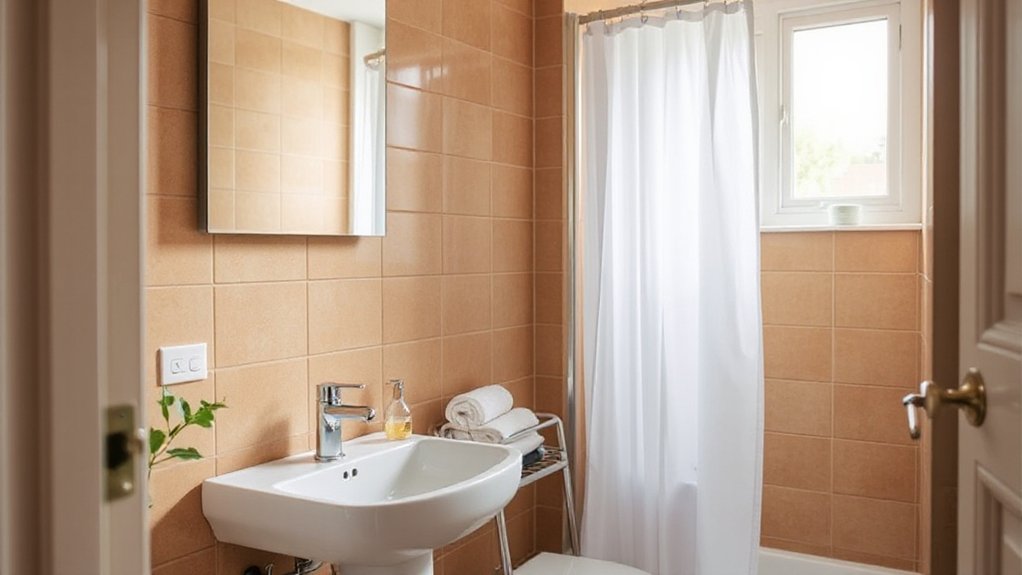
To modernise a bathroom without significant capex, prioritise durable, low-maintenance updates that improve perceived quality and water efficiency. You should select contemporary bathroom fixtures that balance reliability with minimal running costs, focusing on low-flow taps, dual-flush toilets, and efficient shower heads.
Opt for monochrome or neutral tones to aid resale appeal while avoiding trendy overcommitment. Regrouting and resealing reduce water ingress and preserve tile integrity, supporting a sharper finish without full renovation.
Tiling patterns should emphasize clean lines; consider rectangular formats in a herringbone or brick-bond layout to enhance perceived space without extensive demolition. Install a measured mix of wall and floor finishes with non-slip surfaces for safety.
Prioritise durable materials, straightforward maintenance, and accurate budgeting to maximise ROI.
Lighting and Layout Tricks to Make Rooms Look Bigger
Strategic lighting and layout tweaks can visually enlarge a space without major renovations. You’ll rely on ambient lighting to create uniform brightness, reducing harsh shadows that shrink perceived size. Position ceiling and wall-mounted fixtures to avoid pooling light in corners, and use dimmable options to adapt mood for showings. Reflective surfaces, like light-coloured paints and matte finishes, enhance brightness without increasing cost.
Spatial arrangement matters: keep pathways clear and furniture arranged to maximize open floor area. Opt for slim, low-profile pieces and avoid oversized blocks that fragment the room. Use vertical emphasis—tall shelving, mirrors opposite windows—to draw the eye upward.
Align seating to sightlines, ensuring sightlines are uninterrupted from entry to far wall. For small rooms, choose multi-use furniture and consistent colour schemes to maintain cohesion and perceived continuity.
Energy-Efficient Smart Upgrades That Add Value
Smart heating upgrades and efficient lighting enhancements offer measurable value by reducing ongoing energy costs and improving comfort.
You’ll want to evaluate system compatibility, ease of control, and potential incentives when contemplating these improvements.
This discussion focuses on how these smart, energy-efficient upgrades translate into market appeal and quantified savings.
Smart Heating Upgrades
Installing a modern, energy-efficient heating system can substantially boost a home’s appeal and reduce running costs for potential buyers. You should evaluate heat emitters, heat source, and control strategies to maximize value.
A smart thermostat integrates with zoning and weather data, enabling precise temperature regulation and demand response. Pair it with programmable heating schedules to minimize energy waste during unoccupied periods, while preserving comfort.
Consider condensing boilers, heat pumps, or high-efficiency radiators appropriate to property size and insulation.
Present energy performance improvements with verifiable metrics, such as reduced annualised fuel costs and improved SAP ratings.
Confirm compatible wiring, safe installation, and compliance with Building Regulations.
Highlight maintenance plans, service records, and potential grant eligibility, avoiding exaggerated claims or irrelevant system features.
Efficient Lighting Enhancements
Efficient lighting upgrades reduce energy use and enhance perceived quality, making them a straightforward value boost for buyers. You implement ambient illumination strategies that balance brightness with color rendering to improve room perception without excess demand.
Prioritize LED fixtures with high lumens-per-watt, long lifespans, and compatibility with dimming controls to support various uses and moods. Integrate lighting automation for occupancy sensing, time-based scheduling, and scene presets, which reduces standby consumption while improving convenience.
Confirm recessed and task lighting is correctly aimed to minimize glare and shadows, preserving architectural details. Document energy savings and switch warranties, as suppliers provide retrofit warranties that cover drivers and modules.
Pair with smart meters or apps to demonstrate measurable efficiency gains, supporting a credible value proposition for prospective buyers.
Permits, Compliance, and Paperwork to Speed the Sale
Before listing properties, guarantee all permits, compliance documentation, and relevant paperwork are complete and readily accessible, since gaps can stall or devalue a sale. You should compile current property permits and confirm legal compliance across all improvements.
Verify each item against local authorities and building standards, ensuring dates, scope, and approvals match the delivered property. Maintain an auditable trail, including planning permissions, building regulations compliance, and demolition or change-of-use records where applicable.
Provide transparent copies to buyers or their solicitors, and note any exemptions or waivers with supporting justification. Prepare a consolidated checklist detailing status, renewals, and expected timelines.
Address potential red flags proactively to reduce negotiation friction, speeding due diligence and enhancing buyer confidence through rigorous, verifiable documentation of property permits and legal compliance.
Staging Your Home to Highlight Strengths
Staging your home to highlight strengths builds on the foundation of clean, compliant basics by visually communicating value to buyers. You should calibrate space perception through controlled lighting, neutral palettes, and purposeful focal points that align with the property’s architectural cues.
Assess each room for function and potential, then implement a concise styling plan that emphasizes flow and scale. Home decor choices must stay uncluttered and purposeful, avoiding personal items that distract.
Prioritize neutral finishes, consistent trim, and strategic contrasts to create a cohesive, high-quality impression. Furniture arrangement should maximise usable area while reinforcing storage efficiency and natural pathways.
Documented changes should remain modest yet impactful, ensuring revised visuals translate to accurate buyer expectations. Maintain professional presentation across staging assets for a consistent, sale-ready narrative.
Timing Your Sale for the Best Offers
Timing your sale for the best offers requires a data-informed approach that aligns market conditions with the property’s readiness. You should monitor property market timing indicators, including weekly price trends, days-on-market, and inventory levels, to identify ideal windows.
Assess your sale preparation milestones—finishing essential repairs, obtaining certs, and ensuring clean, accurate disclosures—so the property presents as a low-risk opportunity.
Align listing timing with school terms, easing of seasonal demand, and lender appraisal cycles to minimize negotiation friction.
Establish a target price range based on comparable sales and adjust for market momentum.
Prepare contingency plans for pricing pivots and promotional strategies if early offers lag.
Documented timelines, transparent communication, and well-coordinated marketing maximize the likelihood of timely, favorable bids.
Frequently Asked Questions
How Long Does a Typical Pre-Sale Renovation Take?
A typical pre-sale renovation takes 4–12 weeks, depending on scope and inspections. You’ll assess Renovation costs upfront, secure construction permits promptly, and schedule trades efficiently to minimize delays while maintaining quality and compliance with building standards.
Which Renovations Add Value for Small Flats Vs Houses?
You should prioritize practical space improvements: for small flats, optimize storage and lighting; for houses, focus on kitchen and bathroom upgrades. Incorporate luxury upgrades selectively and consider historical restoration where appropriate to maximize appeal and value.
Do Energy Upgrades Always Increase Sale Price?
Energy efficiency can raise sale price, but not always; depends on market and quality. You should compare renovation costs against potential gains, consider trade-offs, and quantify energy savings to justify any premium.
Should I Hire a Property Staging Professional?
Yes, you should hire a property staging professional. With a staging budget in mind, you benefit from professional advice on layout, lighting, and finishes, ensuring measurable impact while maintaining objective, technical decisions aligned with market expectations.
How Soon Should I Start Before Listing for Best Impact?
Right away—start weeks before listing. Monitor market trends and plan valuation timing meticulously; early prep speeds momentum. You’ll maximize impact by aligning improvements with current data, not guesswork, then adjust as market conditions shift.
Conclusion
You’ll love how easy it is to overestimate the spice rack of your home’s value. In reality, simple fixes and smart budgeting do most of the heavy lifting: prune, polish, and price clarity beat luxury add-ons every time. So you’ll dutifully chase ROI metrics while the market quietly rewards tidy, compliant, well-lit spaces. The irony? modest upgrades consistently outperform grand renovations—proof that reason beats impulse, even when you’re selling.