
Last winter, you felt the chill drop 2 degrees after a simple draft seal failed; this is your baseline for action. You’ll tighten insulation with natural or recycled materials, plug leaks, and upgrade to efficient heating, cutting heat loss and bills. Add solar, water-saving fixtures, and smart controls to slice energy use further. Grants and loans can help, but maintenance keeps the gains steady. Stay with me to map a practical path that fits UK homes and budgets.
Why UK Homes Are Prime for Eco Upgrades

UK homes are prime for eco upgrades because energy standards, insulation gaps, and retrofit potential are at an all-time high. You’ll find that upgraded heating, smart controls, and low-carbon tech pay back quickly in property value and running costs. Data show UK housing stock has substantial retrofitting opportunities, with public-and-private funding easing capex and a growing installer base expanding as demand rises. Urban density concentrates carbon impact, making efficient design choices especially impactful in cities. Historic architecture poses unique constraints, yet many period homes offer airtight improvements without erasing character when you tailor solutions carefully. You’ll benefit from scalable options, standardized assessments, and clear benchmarks that translate into tangible energy savings, comfort gains, and measurable emissions reductions.
Effective Insulation and Draught-Proofing for UK Climates
Effective insulation and smart draught-proofing start with a clear target: cutting heat loss fast. You’ll prioritize high-impact fixes that balance cost, payoff, and disruption. Start by measuring air leaks with a blower door test or thermal imaging, then seal hotspots methodically to reduce heat escape through doors, windows, and service penetrations. Prioritize continuous insulation around the building envelope to minimize thermal bridging, using mineral wool, rigid foam, or intumescent coatings where appropriate. Choose compact, well-sealed glazing and draft gaskets for sash windows, but don’t overlook chunky opportunities like gap-fill around skirting boards and pipe penetrations. Track performance with a simple weekly heat-loss log, and adjust already identified air leaks and thermal bridging points as you retrofit. Results translate to warmer rooms and lower bills.
Renewable Energy Options for UK Households
You’ll see how solar panel efficiency, backed by real-world performance data, affects monthly bills and long-term payback. Government incentive schemes shape cost and speed of adoption, so understanding eligibility and timelines matters. Battery storage solutions complete the picture by smoothing out generation, so you can use more of what you produce.
Solar Panel Efficiency
Ever wondered how to squeeze more watts from every solar panel? You can maximize efficiency with precise, data-backed steps. First, match panels to your roof’s orientation and shading profile; even small angles change output by percentages. Regular maintenance matters: clean glass, inspect wiring, and check inverter health to keep losses minimal. Temperature matters too—rising temps can reduce photovoltaic technology efficiency, so guarantee ventilation and avoid mirroring heat buildup. Commissioning, orientation, and microinverters or optimizers can optimize performance under partial shade. Monitor real-time data and compare against manufacturer baselines to spot performance drift early. Use high-efficiency modules where space is limited, and consider panel cleanliness and soiling loss calculations. Informed choices here translate into tangible, verifiable gains in annual kWh.
Government Incentive Schemes
Government incentive schemes can substantially lower the upfront cost of renewable upgrades, and they’re structured to reward households that install solar, heat pumps, and energy storage. You’ll see programs offering grants, tax relief, and accelerated depreciation, backed by clear eligibility criteria and stepwise application processes. UK data shows these incentives consistently reduce payback periods by 5–12 years, depending on technology, system size, and domestic energy use. To maximize benefits, you should align upgrades with energy efficiency improvements, such as improving insulation and selecting systems rated for your home’s load profile. Integrate ancillary practices like home composting and choosing eco friendly paints, which complement renewable investments by lowering overall energy demand and lifecycle emissions. Track incentives, maintain compliance, and document performance metrics for ongoing eligibility and reporting.
Battery Storage Solutions
Battery storage is a practical complement to upscaled renewables, letting you store excess solar or off-peak power for use when demand spikes or weather shortfalls. You’ll profit from a clear, data-driven approach: measure daily generation, consumption, and discharge cycles to size a system that meets your needs without overspending. Prioritize modules with high round-trip efficiency and longer cycle life, then match inverter capability to your peak load. Battery capacity should be set to cover essential evening use plus a buffer for cloudy days, not just average demand. Regularly monitor state of charge and degradation rates to sustain energy optimization over time. Opt for scalable solutions that can grow as tariffs or solar uptake evolve, ensuring resilience and cost-effective performance.
Sustainable Materials for Low-Impact Renovations
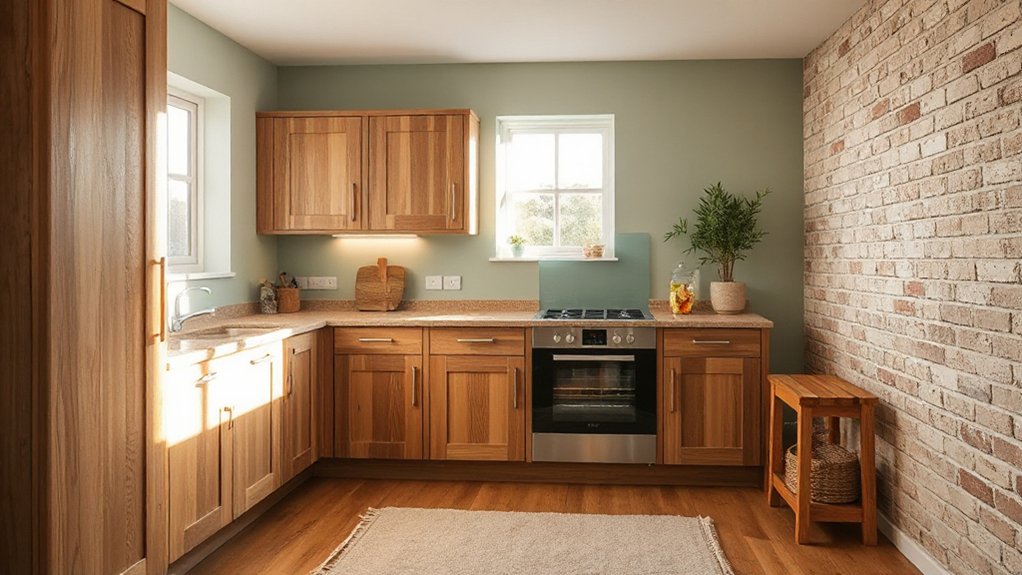
You’ll see that choosing recycled materials, low-impact timber, and natural insulation can cut embodied carbon while boosting durability. It’s about data-backed tradeoffs, like recycled content ratios, certified timber sources, and the thermal performance of natural fibers. Start by benchmarking options against environmental labels, costs, and installation practicality to pin down the best low-impact mix for your project.
Recycled Material Options
Recycled materials can cut embodied carbon and save money, but choosing wisely matters. You’ll see solid gains when you prioritize local sourcing, durable finishes, and lifecycle data. In practice, quantify emissions reductions, cost-per-year, and waste diversion to pick options that scale.
- Recycled countertops delivering durable performance at lower embodied energy
- Repurposed flooring that preserves character with minimal processing
- Reclaimed bricks and metals for structure and aesthetic without new mining
- Recycled denim insulation and cork, balancing comfort with low environmental impact
Low-Impact Timber Choices
Timber choice matters for both performance and footprint, and you’ll benefit from picking sources with verified sustainability; look for certified wood, optimized species for local climate, and suppliers that publish lifecycle data. In low-impact timber choices, prioritize durability per weight and maintenance needs, since longer service life reduces overall material turnover. Favor engineered options that reduce waste and improve stability in UK conditions, provided they come from mills with transparent sourcing. Favor timber with documented sustainable forestry practices, replanting plans, and low impact harvesting. Verify that refurbishment-grade species align with local climate challenges to minimize coatings and finishes. Track cradle-to-grave data, including transport distances, processing energy, and end-of-life recyclability. When in doubt, compare alternative species on durability, availability, and overall environmental footprint.
Natural Insulation Materials
Natural insulation materials deliver real performance with lower embodied energy, especially when you source locally and verify certifications. You’ll compare options by R-value per inch, moisture handling, and fire safety, then choose the best match for your climate and budget. Hemp insulation and sheep wool offer breathable, moisture‑tolerant performance, with low embodied energy when produced regionally. Expect credible lab data, local supplier traceability, and material compatibility with existing structures. Prioritize loose-fill or batt forms that fit tight UK cavities and reduce thermal bridges. Durability, pest resistance, and installability matter for long‑term results. Assess end‑of‑life recyclability and certifications, then document savings in drafts, heating loss, and comfort.
- Local sourcing boosts overall sustainability and supports transparent supply chains
- Hemp insulation delivers strong thermal performance with low VOCs
- Sheep wool regulates humidity and reduces settling over time
- Simple, accurate on-site installation minimizes waste and callbacks
Water-Saving Upgrades for UK Homes
Water use is one of the biggest efficiency levers for UK homes, and smart water-saving upgrades pay off quickly. You’ll see immediate impact when you prioritize reliable fixtures and measured usage. Start with water-efficient fixtures: low-flow taps, dual-flush toilets, and efficient showerheads reduce daily consumption without sacrificing comfort. Pair these with targeted aerators and leak checks to protect every litre you save. Deploy simple, data-backed strategies: track quarterly bills, identify spikes, and patch drips within 24 hours. Rainwater harvesting offers a practical supply buffer for non-potable uses like toilet flushing and garden irrigation, lowering mains demand further. Prioritize durable materials, straightforward maintenance, and clear labeling so your upgrades stay effective. Result: lower bills, less waste, and measurable, repeatable savings.
Smart Controls for Efficiency and Monitoring
Smart controls turn data into savings by letting you monitor and adjust consumption in real time. You’ll pair smart sensors with energy monitoring to spot waste, optimize heating, and shave peak demand without sacrificing comfort. Real-time dashboards translate complex usage into actionable choices, so your home becomes a data-driven system rather than a guesswork project.
- Immediate feedback guides thermostat tweaks and radiator timing
- Automated routines reduce standby loads and nighttime leaks
- Appliance-level alerts prevent unexpected spikes and outages
- Transparent trends show where every kilowatt goes and why
Designed for UK homes, these controls prioritize reliability, privacy, and cost predictability. Implementing them turns everyday usage into measurable efficiency, supporting a greener footprint with measurable, reportable results.
Grants, Financing, and Maintenance for Long-Term Green Living
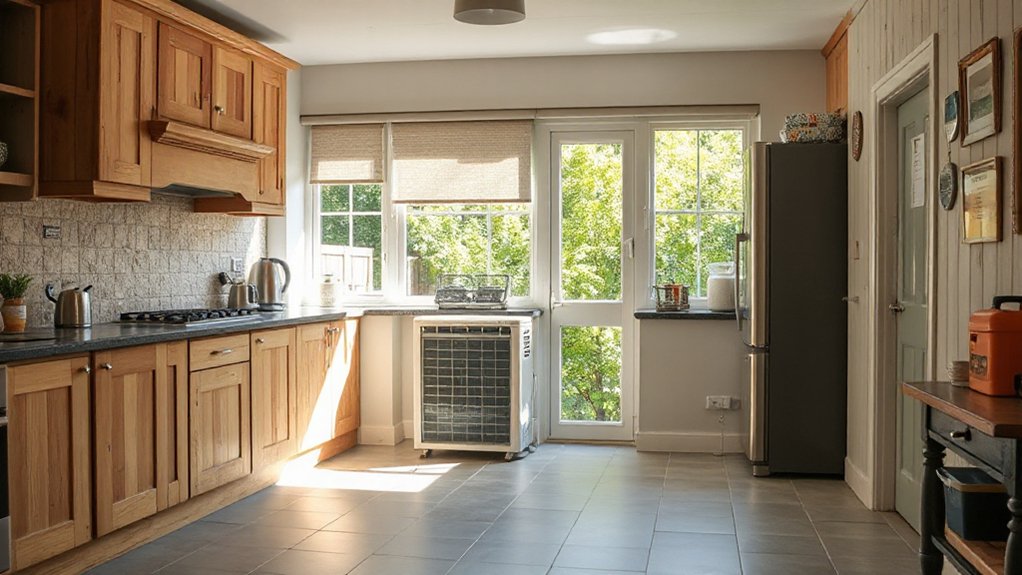
With smart controls already helping you spot waste and shave peak demand, you’re positioned to plan for long-term green living through grants, financing, and maintenance that keep the momentum affordable and sustainable. This section analyzes funding pathways, repayment timelines, and practical upkeep routines to sustain gains beyond initial upgrades. Green finance options—low-interest loans, cashback schemes, and insulation grants—reduce upfront costs while aligning with UK policy targets. Assess eligibility, application windows, and required audits to avoid delays. Maintenance for efficiency matters: regular filter changes, weatherproofing, and system calibrations prevent performance decay and extend asset life. Track ROI with simple metrics: energy savings versus annual costs, and reallocate savings into future upgrades. Prioritize eco friendly maintenance to preserve performance, reliability, and value.
Frequently Asked Questions
How Do I Calculate Return on Investment for Eco Renovations?
To calculate ROI for eco renovations, do a cost benefit analysis and track financial payback. You compare upfront costs to annual savings, adjust for energy prices and incentives, and plot breakeven years to guide practical, data-driven decisions.
Are There Uk-Specific Building Regs for Green Improvements?
Yes—UK-specific regs apply. You’ll need building permits for major green upgrades and must track compliance to qualify for green certification. You’ll obsess over data, following permits, standards, and metrics to avoid costly noncompliance.
Can Retrofit Projects Disrupt My Home’s Historical Status?
Yes, retrofit projects can affect your historic status if they’re inappropriate; consult heritage guidance first. Historical preservation rules and renovation regulations guide you, ensuring alterations stay compatible, documented, and reversible where possible, minimizing risk to designation while meeting practical efficiency targets.
Which Tradespeople Are Best for Green Renovations in the UK?
Insulation specialists, Renewable installers are your best bets for green renovations in the UK. You’ll compare costs, efficiency gains, and certifications, then hire who shows measurable savings, proven reliability, and excellent project management, delivering dramatic, data-driven, practical results.
How Can I Compare EPC Impacts Before and After Upgrades?
You compare EPC impacts by tracking energy efficiency improvements and estimated carbon footprint changes, using verified SAP/RdSAP data. You document baselines, then re-measure post-upgrade, quantify savings, and prioritize actions with the strongest energy efficiency and carbon footprint reductions.
Conclusion
You’ll see the data line up: better insulation cuts heat loss, solar panels slash bills, and smart controls trim consumption. Draught-proofing, efficient boilers, and local, certified materials prove practical, not poetic. The theory that small, precise upgrades compound into big savings holds true—track metrics, set targets, measure monthly, adjust quickly. Grants and loans exist, but maintenance sustains gains. In short, data-backed, hands-on upgrades deliver steady, low-risk progress toward a genuinely green UK home.