Like a well-worn key turning in a familiar lock, you’ll map the 1930s rhythm onto present needs. You assess flow, structure, and period features to guide sympathetic extensions and reconfigurations that keep the home’s character intact. You’ll upgrade insulation and energy performance with breathable, compatible materials, while discreet tech remains unobtrusive. Finished with durable, timeless fixtures, you’ll balance charm and comfort, and the path toward a sustainable, coherent home will reveal itself—if you keep the conversation going.
Assess the 1930S Layout for Modern Living
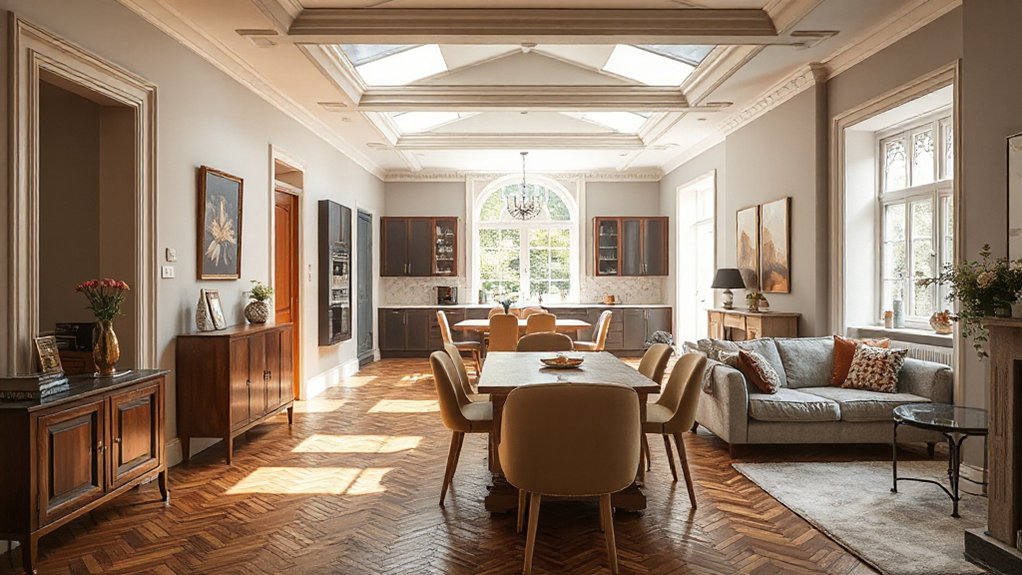
Start by mapping how the house flows today: the front-to-back sequence of rooms, the placement of doors, stairs, and service cores, and how daylight moves through the space. You assess how the 1930s plan channels activity, noting how reception rooms align with circulation, where thresholds interrupt or unify spaces, and how service cores position utilities for future modernization.
You identify constraints: load paths, party walls, window openings, and the influence of original fabric on flexibility. You consider how vintage fixtures might anchor or complicate reconfiguration, and where garden landscaping can enhance exterior sightlines without compromising interior light.
Your aim is to preserve material honesty while enabling practical adaptation for contemporary living.
Plan Sympathetic Extensions and Room Reconfigurations
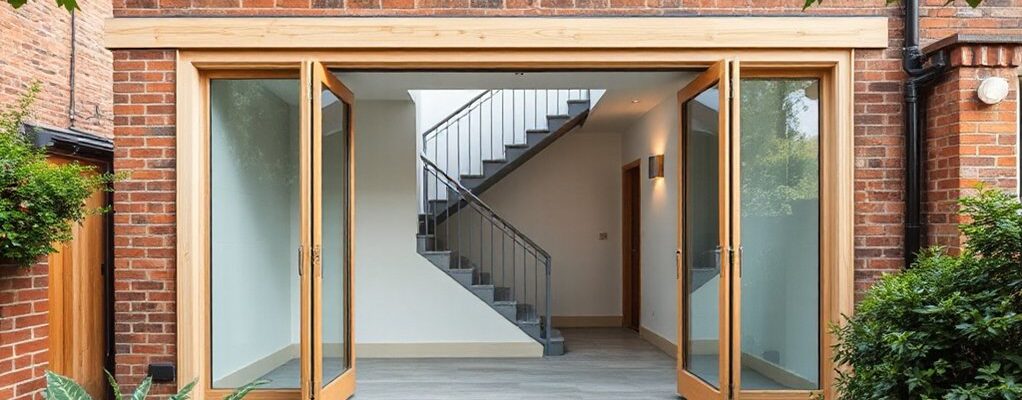
To plan sympathetic extensions and room reconfigurations, map how added spaces will read from the existing structure: align new circulation with the current front-to-back flow, keep party-wall alignments, and respect the building’s load paths.
You design with Historical preservation in mind, ensuring new volumes feel rooted in the original rhythm and grain of the brick and timber. Prioritize simple joins, compatible materials, and restrained detailing that echo the era without contrivance.
Schedule structural checks early to safeguard Structural integrity, especially around load-bearing walls and roof lines.
Consider daylighting, scale, and proportion so enlarged rooms don’t overwhelm adjacent spaces.
Document changes for future maintenance, preserving the house’s character while enabling practical, safe, long-term use.
Upgrade Insulation and Energy Efficiency Without Losing Character
If you’re upgrading insulation, you can improve energy performance without erasing the house’s character by choosing materials and detailing that respect brick and timber textures, rhythm, and scale.
Prioritize breathable, traditional systems like lime plaster with internal insulation boards or mineral wool within wall cavities to preserve fabric and avoid damp.
Use historic preservation-informed detailing around window reveals, cornices, and fireplace soffits to maintain rhythm and massing.
Opt for discreet, high-performance glazing, with timber frames or slim profiles that echo original proportions.
Insulation should be sited to minimize interrupting historic textures, not to overwhelm them.
Balance airtightness with heritage-driven ventilation, and document changes for future care, aligning energy gains with Vintage aesthetics and lasting material fidelity.
Blend Smart Tech With Period Features
Smart tech should complement, not overwhelm, a 1930s semi-detached’s character by weaving discreet, period-faithful features into everyday operation. You’ll integrate Smart lighting to illuminate rooms with gentle fades that respect original mantels and plasterwork, avoiding stark, modern glare. Choose fittings with warm colour temperatures and classic profiles, concealed wiring, and wall controls that resemble traditional switches.
Automated heating should respond to occupancy and weather without conspicuously altering the room’s tempo, using modular zoning behind period-appropriate panels. Maintain tactile interfaces—knobs and push buttons—where possible, pairing them with hidden smart modules. Tie automatic routines to natural cycles, not loud beeps or visual quirks.
Document placement carefully, so outlets, transformers, and sensors vanish behind skirting boards or coving, preserving rhythm, proportion, and material fidelity.
Finishes and Budgeting for a Timeless Look
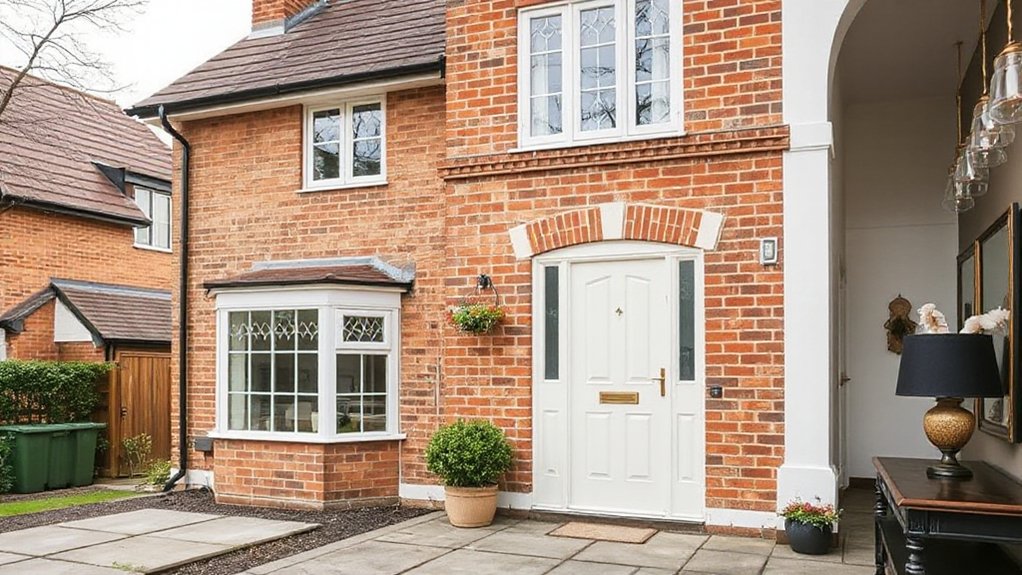
Finishes set the tone for a timeless 1930s semi, balancing authenticity with enduring practicality. You’ll choose finishes that respect proportions, scale, and natural light, ensuring every material speaks to the era without shouting.
Begin with durable floorings—matte timber or classic tile—that wear well and age gracefully.
For walls, lean to warm neutrals and muted greens or blues, grounded by breathable plasters or high-quality paints in low-sheen finishes.
Vintage fixtures anchor the look, pairing brass or aged nickel with simple silhouettes.
In budgeting, itemize priorities: structural stability first, then surface details, allowing a small reserve for essential upgrades.
Classic color palettes guide decisions, enabling future updates without wholesale replacement.
Document costs, suppliers, and warranties to preserve value and ease future maintenance.
Frequently Asked Questions
How Much Does a Full Renovation Typically Cost?
A full renovation typically costs between £150,000 and £350,000, depending on scope. You’ll balance Property valuation concerns with Historical preservation, ensuring upgrades respect period detail while achieving modern comfort and efficiency for lasting value and charm.
Which Trades Are Essential for Timely Completion?
Essential trades include carpenters, electricians, plumbers, plasterers, and bricklayers; schedule tight coordination to protect structural integrity and historical accuracy. About 75% of delays stem from coordination—you’ll keep timelines by proactive planning, sequencing, and daily site huddles for consistency.
Can You Add a Second Bathroom Without Losing Space?
Yes, you can add a second bathroom without losing space. Plan a bathroom extension or attic conversion, prioritizing space optimization with compact fixtures, pocket doors, and smart storage to maintain flow and preserve room sizes.
Are Any Period Features Worth Restoring First?
You should start with restoration priorities, choosing heirloom plaster and timber mouldings, then balance restoration with historical accuracy. You’ll respect period corners while modernising, juxtaposing refined detailing against practical upgrades to preserve the home’s authentic character.
What Permits or Approvals Are Required?
You’ll need planning consent for substantial changes and listed status checks if applicable; also adhere to building regulations and historical preservation guidelines to protect character while upgrading plumbing, wiring, and insulation with authentic materials and finishes.
Conclusion
You’ll finish with a home that speaks softly of its past while embracing present comfort. Respect the rhythm of the rooms, echoing their original scale as you add light and warmth with breathable materials. Plan extensions that sit quietly in the line of sight, not the spotlight, and weave discreet tech into familiar textures. The result feels inevitable, like a well-loved chapter continued—timeless, sustainable, and true to the house you’ve known, and the future you’ll live in.