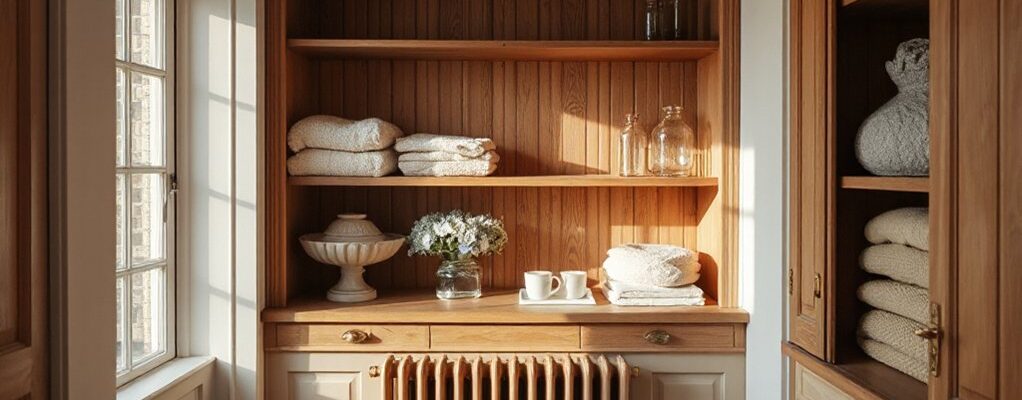
Question: those built‑in alcove cupboards in UK terraces can transform a dark hallway or living space, yet balancing period charm with modern practicality isn’t automatic. You’ll need to measure accurately, pick a cohesive palette, and layer lighting so shelves glow without rims of clutter, then decide how baskets, liners, and hardware can blend form with function. There’s a method to keep proportions right and textures varied—and a few pitfalls that could derail the look—so you’ll want to keep going to get it right.
Why Alcove Cupboards Deserve a Makeover
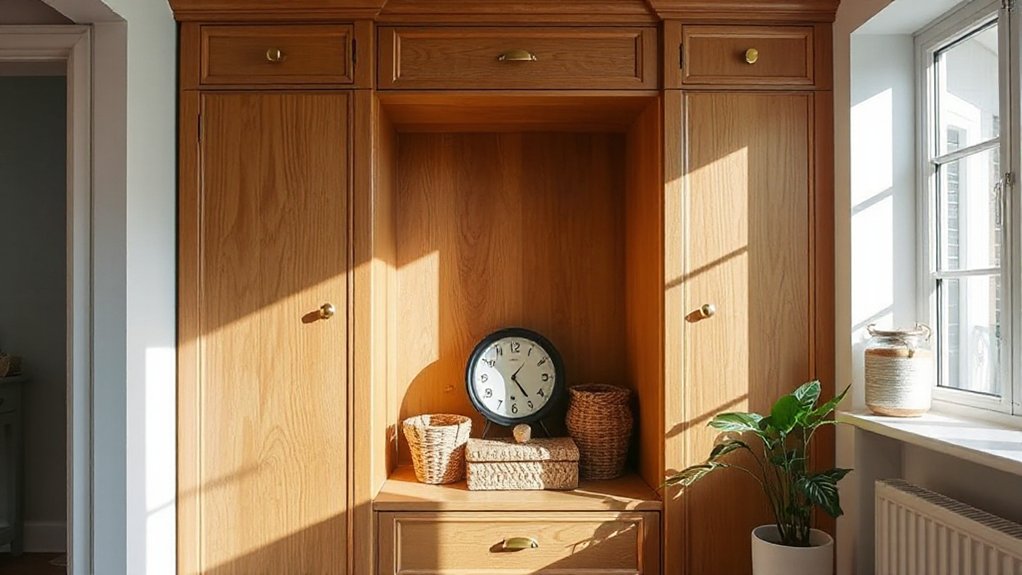
Alcove cupboards in UK terraces aren’t just storage quirks; they’re underutilised real estate that can dramatically improve your living flow. You’ll gain practical zones for books, keys, and daily essentials without sacrificing floor space. Why makeover now? Because dated surfaces pull down perceived room height and light, while refreshed finishes elevate mood and function. Focus on Vintage charm: swap generic handles for brass or ceramic pulls, and introduce soft, patinated wood tones to echo period details. Implement Colour coordination by pairing cabinet hues with nearby walls and textiles, ensuring a cohesive, calm backdrop. Plan a lightweight upgrade: tighten doors, add soft-close hinges, and conceal wires with slim organizers. A thoughtful refresh transforms stubborn alcoves into intentional, stylish storage that supports everyday routines.
Measure and Map: Space, Height, and Light
To start, measure every inch of space: the width, depth, and height of each alcove, plus any protruding pipes, radiators, or skirting that could affect panel fit. Map light sources and shadows across morning, afternoon, and evening so you know where glare hides or softens. Note ceiling height and any soffits or cornices that alter panel sizing. Draft a simple grid to compare alcove dimensions, then translate it into a cut-list for planks, trims, and backs. Consider decorative moulding opportunities where panels meet the wall, and plan for airflow behind shelving. When you choose textures, textured wallpaper can add interest without crowding light. Keep measurements precise, updates documented, and your build-ready plan aligned with future styling choices.
Pick a Cohesive Color Palette for Alcoves
After choosing your storage layout, pick a cohesive color palette that ties the alcoves to the rest of the terrace. Begin with a dominant base color that matches wall tones or flooring, then support with two complementary hues. Use Color coordination to guarantee cabinets, shelves, and hardware share the same undertone—cool, warm, or neutral. For tighter spaces, lean into lighter shades to reflect light and create depth. If you want a bolder edge, introduce an accent color only on doors or trim, keeping the majority plinths and panels cohesive. Palette selection should consider existing decor, textiles, and furniture silhouettes so finishes don’t clash. Test swatches in varied daylight. Finish with matte or satin sheens to minimize glare and maintain a unified look.
Lighting Tricks That Brighten Without Renovating
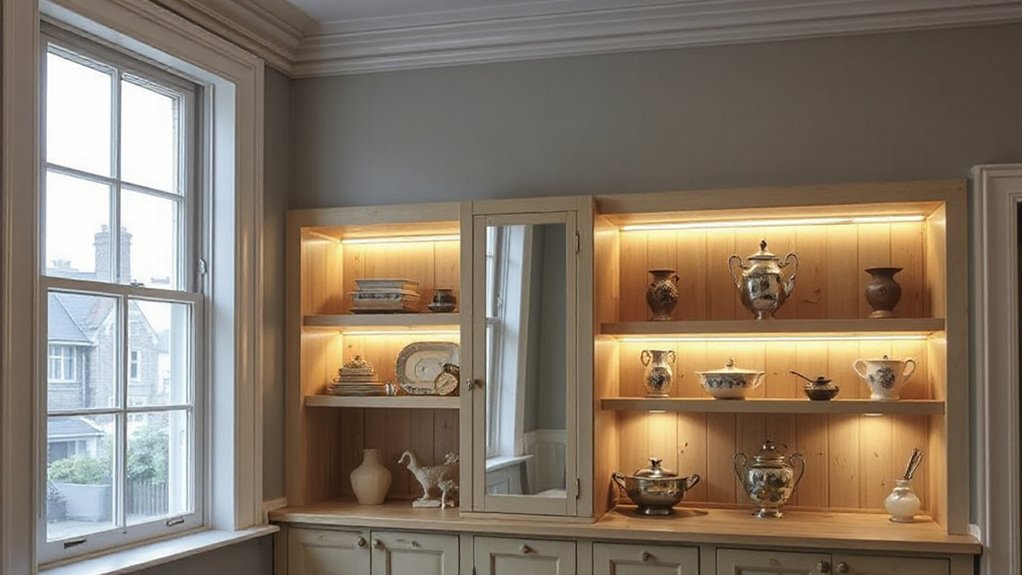
If you want brighter alcoves without ripping up walls, start with smarter lighting choices that work with your existing layout. Opt for layered lighting: a soft ambient ceiling glow, a focused under-shelf LED strip, and a plug-in wall lamp for task needs. Choose cool-toned bulbs (around 4000K) to brighten without washing colors, then add warm accents with dimmable options to vary Lighting ambiance. Use thin, discreet profiles so shelves read clean, not cluttered. Install motion sensors in dark corners to reduce switch use and reveal details when you approach. Emphasize Color coordination by matching lamp finishes to cabinet hardware and any metallic accents. Avoid harsh contrasts; keep brightness level even across alcoves for a calm, practical display.
Storage-Smart Styling: Baskets, Boxes, and Zones
Smart storage starts with thoughtful baskets, boxes, and neatly defined zones that keep alcoves legible and accessible. You’ll group items by function, then color-code storage to read at a glance. Use wicker or fabric baskets for soft textures and easy lifting, swapping to clear, labeled boxes for small parts. Create zones: one for daily essentials, one for seasonal misfits, and one for rarely used items. Keep frequently accessed pieces at eye level and stack heavier boxes toward the base for stability. Aim for a cohesive look by color coordinating lids, labels, and contents, which also eases replenishment. Integrate alcove lighting to spotlight primary zones and reveal coordinated hues, boosting the perception of space while maintaining tidy lines. Color coordination anchors the system, making everyday access effortless.
Layer the Look: Art, Mirrors, and Architectural Cues
Layer your alcoves with artful displays, choosing pieces that echo the room’s palette and scale for a cohesive vibe. Use mirrors to bounce light and create the illusion of space, placing them where shelves or coves catch natural rays. Tie it together with architectural cues—hang a linear clock, frame a doorway arch, or lean architectural sketches to anchor the look.
Artful Display Strategies
Layering your alcove cupboards with art, mirrors, and architectural cues creates an instantly curated look that still feels built-in. You’ll craft a display that stays cohesive by choosing a unifying palette and varying textures. Start with a focal piece—an art panel or framed print—offset with a slim mirror to bounce light without crowding space. Balance heavier items with lightweight ceramics or woven textures to avoid visual clutter. Use open shelving to layer small objects: seasonal accents beside familiar keepsakes for continuity. Keep sightlines clear by grouping items in odd-numbered clusters and leaving negative space. Consider furnishing arrangements that echo the room’s proportions, not compete with them. Update subtly with seasonal accents, rotating pieces as seasons shift to maintain fresh, intentional styling.
Mirror Magic Details
Mirrors aren’t just decorative accents; they’re practical tools for expanding space and sharpening the alcove look. You’ll layer mirror details to multiply light and create a sense of depth, even in narrow UK terraces. Start with a tall, slim mirror facing a window to bounce daylight across shelves and cupboards. Choose framed pieces with clean lines for modern cohesion or antique frames to echo period details. Use mirror illusions to visually widen corners by placing a reflective panel at the back of a cupboard recess. Pair with reflective accents—metallic hardware, glass-front doors, or a lacquered surface—to unify the ensemble. Keep distortion minimal: avoid overly curved glass and guarantee mounting is secure and level for crisp, lasting impact.
Architectural Cue Integration
Architectural cues anchor the built-in alcove in your UK terrace by echoing structural details and guiding the eye through the space. You layer in cues with deliberate placement of art, mirrors, and trim that nod to historical preservation while staying fresh. Choose frames and mouldings that reflect era-specific profiles, then mirror sizes and placements to visually extend the footprint without crowding shelves. Align shelves to existing cornices or wall soffits so progression feel deliberate, not accidental. When selecting materials, favor authentic textures—engineered wood with a real-wood veneer, matte metal hardware, and glass that minimizes glare. Material selection matters for durability and tone; keep finishes cohesive across alcove cabinetry and surrounding walls. This approach yields a cohesive, modernized vignette that respects history while reading contemporary.
Blend Period Charm With Modern Function: Hardware Details
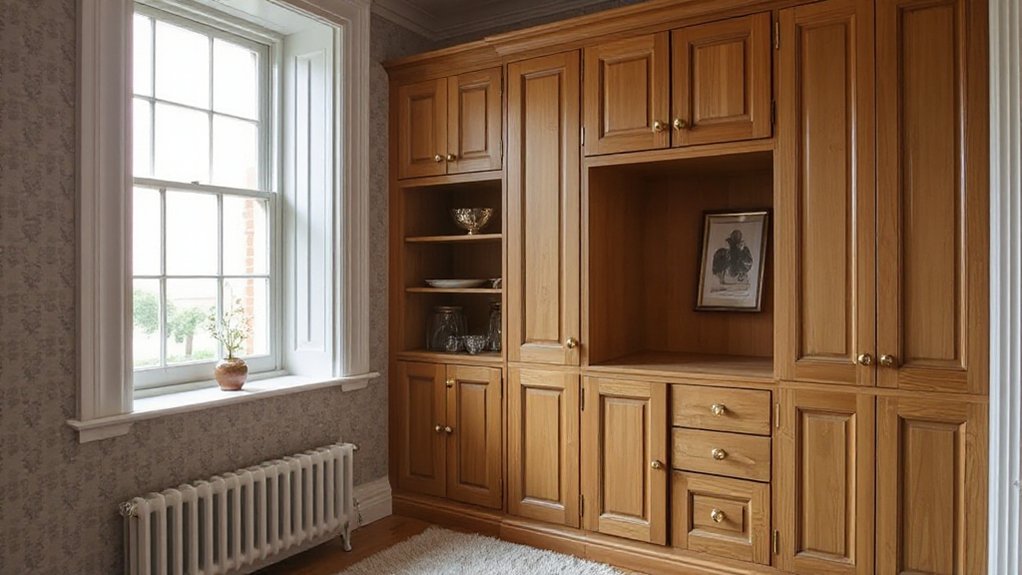
You’ll balance period charm with modern function by choosing hardware finishes that read as intentional accents—brushed brass for warmth, matte black for contrast, or antique nickel for subtlety. Consider hidden or fully concealed hardware to keep lines clean, especially on quiet, built-in doors. Keep proportion and scale in check by sizing handles and pulls to the cupboard door, so the hardware feels integrated, not oversized.
Hardware Finishes Trends
Hardware finishes aren’t just about color; they’re the fingerprints of a room’s character. You blend period charm with modern function by choosing finishes that read as intentional detail, not just decoration.
- Pick vintage hardware for patina and authenticity, then pair with modern pulls for function.
- Mix contrasting finishes (matte, brass, black) to create visual interest without clutter.
- Favor durable coatings (oil-rubbed, brushed nickel) that wear gracefully over time.
- Consider hardware scale in proportion to cabinet size for balanced impact.
- Use subtle consistency: repeat a finish on doors and drawers to unify the look.
These choices keep your alcove cupboards practical, stylish, and on trend, while preserving a sense of period character.
Hidden/Fully Concealed Hardware
Hidden or fully concealed hardware lets your alcove cupboards keep a clean, period-appropriate silhouette while still delivering modern ease. You’ll prefer hidden hardware for smooth lines that don’t interrupt original plasterwork or architrave profiles. Choose concealed fixtures that don’t protrude, like push-to-open mechanisms or soft-close runners, so doors glide softly without visible pulls. If you want subtle grip aesthetics, opt for recessed finger pulls tucked into the door edge. Match hardware finishes to existing brass or pewter tones, but keep contrast minimal to preserve period nuance. Test opening action on a mock door to ensure consistent alignment, preventing misalignment after seasonal wood movement. Document placements carefully, then label components for future maintenance. Hidden hardware supports a tidy, vintage vibe with dependable, quiet performance.
Proportion and Scale Tips
If you want built-in alcove cupboards to feel timeless yet usable, start with proportional balance between the doors, shelves, and surrounding plasterwork. Aim for a rhythm where door widths, gap margins, and shelf depths echo the room’s scale, so the unit reads as a built-in, not a bolt-on. Choose hardware that respects both period charm and daily function; this is where a touch of vintage hardware shines without clashing with modern needs. Integrate decorative wallpaper as a discreet backdrop to soften edges and add depth. Keep interiors simpler to let items breathe, then let a couple of media or glass-front panels punctuate the line for visual interest.
- Prioritize door-to-shelf ratios that mirror room dimensions
- Use decorative wallpaper as a subtle backdrop
- Select vintage hardware with ergonomic grips
- Vary panel widths for visual cadence
- Reserve bold accents for occasional contrast
Budget Plan Under £50: Affordable Accessories
Even on a tight budget, you can elevate built-in alcove cupboards with a few carefully chosen accessories that deliver big impact. Start with budget friendly accessories that don’t scream “cheap.” A slim, matte-black hanging rail for baskets or a wire rack creates vertical interest and doubles storage without bulk. Choose a compact LED strip under shelves to brighten details and reveal texture. Use stackable boxes in a coordinated color palette to organize by category, making daily access effortless. Add a small, tactile element—felt coasters, fabric drawer liners, or a weighted velvet hinge stopper—to elevate touch points. For flexibility, opt for modular dividers you can rearrange as needs shift. Finally, curate a few statement pieces—mirror tray, ceramic jar set, or rattan box—that reinforce Creative storage solutions.
Weekend Setup: Step-By-Step From Bare to Styled
You can transform bare alcove cupboards into stylish storage in a single weekend with a clear plan. You’ll map zones, measure height, and decide on a cohesive look before touching tools. Begin with alcove lighting to brighten shelves and reveal textures. Next, lay a neutral base and install adjustable shelves for flexibility. Use shelf styling to group items by function and color, keeping a visual rhythm. Finish with decorative but sturdy baskets to hide clutter and maintain airflow.
- Plan zones and measurements first
- Install adjustable shelves
- Add warm alcove lighting
- Layer with baskets and baskets’ liners
- Curate shelf styling by color and texture
Troubleshooting Common Alcove Styling Hiccups
When alcove styling goes awry, quick, concrete checks save time and frustration. First, test lighting: guarantee alcove lighting isn’t casting unflattering shadows or washing colors out. Swap warm bulbs for a neutral daylight tone if needed, and align fixtures to avoid glare on glossy surfaces. Next, reassess your paint color choices; if mismatches occur, sample swatches on a hidden panel and compare under both natural and artificial light before committing. Measure shelves and gaps; uneven spacing looks deliberate when aligned, but jagged edges scream DIY. If textures clash, simplify with one unifying material—laminate, wood, or fabric—then reintroduce accent textiles sparingly. Finally, verify hardware proportions, replacing oversized handles with slimmer alternatives to restore balance.
Frequently Asked Questions
How Can Alcoves Be Used for Hidden Storage Solutions?
Hidden compartments slip into alcoves, keeping everyday clutter out of sight. Install discreet shelving, pull-out drawers, and magnetic panels for slim storage. You’ll maximize space, blend textures, and maintain a tidy, trend-aware, practical look.
What Are Budget-Friendly Decorative Touches Under £20?
Did you know 60% of mood-boosting spaces rely on lighting accents? You can tackle budget-friendly touches under £20 with budget accessories and decorative lighting, choosing warm bulbs, minimalist frames, and tidy cords for a practical, trend-aware setup.
Which Materials Suit Damp UK Terrace Interiors?
You should choose materials with high material durability and moisture resistant finishes for damp UK terrace interiors, like treated timber or PVC, plus moisture-sealing paint; you’ll prioritize practicality, longevity, and trend-aware textures that resist mold and warping.
How to Maintain Styling Through Seasonal Changes?
Did you know 68% of designers say lighting transforms mood? You maintain styling through seasonal changes by swapping Alcove lighting and decorative accents, balancing warm and cool tones, preserving textures, and updating fabrics, art, and greenery for cohesion.
Can Alcoves Hold Small Seating or Plants Safely?
Yes, alcoves can hold small seating or plants safely with proper support and airflow. Use Alcove lighting to highlight plants, and shelf arrangements to separate seating from greenery, avoiding overloading shelves and ensuring stable, heat-aware placement.
Conclusion
Ever since you give alcoves a dedicated styling plan, you’ll notice space feels bigger, calmer, and more purposeful. By mapping height and light, choosing a cohesive palette, and zinging shelves with smart storage and warm LEDs, your built-ins stop shouting “unfinished” and start telling your home’s story. Will you let period charm meet modern practicality in tangible, affordable touches and homemade charm? Yes—and you’ll wonder why you waited to uncover this kind of character in your UK terrace.