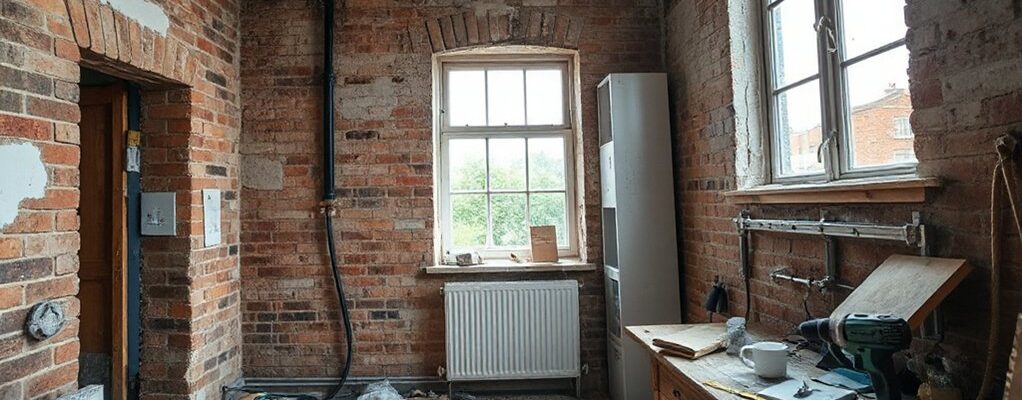
You plan to save time and money, yet most faults in UK renovations start with blind spots. If you overlook budgets, permits, or damp-proofing, you’ll face delays and costly rework. You may think scope is clear, only to see creep creep in without warning. Stay precise, methodical, and ready to adjust as you go—the risks you haven’t prepared for are the ones that derail projects. Keep going; the next steps matter more than you expect.
Set Your UK Renovation Budget and Timeline
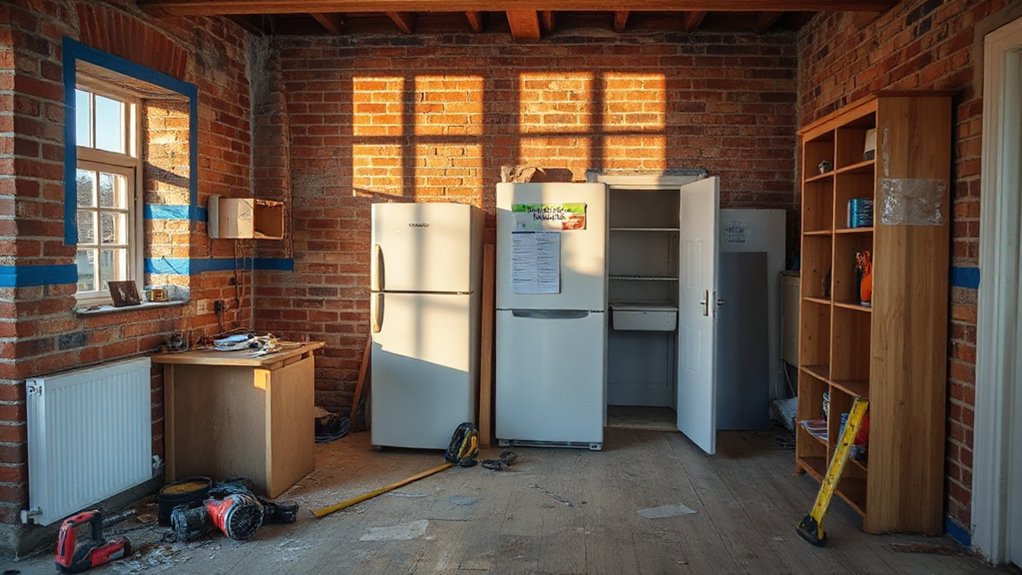
Setting a realistic budget and timeline for your UK renovation starts with a clear scope and priorities. You map costs by item, not guesses, then identify essential versus optional elements. Budget allocation should reflect realistic figures for trades, materials, permits, and contingencies, with a hard cap on nonessential upgrades. You reserve a contingency, typically 10–15%, to absorb overruns without derailing the project. Timeline flexibility is your safety valve: build in buffers for weather, supply delays, and scope changes. Document assumptions and update them as you gather quotes. Communicate constraints to all stakeholders to avoid misaligned expectations. Track progress against milestones, adjusting only when new facts necessitate revision. Your disciplined approach minimizes surprises and supports informed decision-making throughout the renovation journey.
Secure Planning Permissions Early in the Process
Securing planning permissions early reduces the risk of costly rework and project delays once work begins. You should map the scope against local requirements, as approvals influence design choices and contractor scheduling. Start with a clear brief that reflects intended use, dimensions, and appearances, then identify relevant constraints tied to Planning permits and site-specific considerations. Consult planning officers early to gauge whether your project requires full planning consent or permitted development rights, and document potential conditions you’ll need to satisfy. Align your plans with Building regulations from the outset to avoid later redesigns or compliance gaps. Build a timeline that accounts for submission, response times, and possible amendments, reducing uncertainty and ensuring smoother progression through review stages.
Prioritize Damp-Proofing and the Building Envelope
A sound damp-proofing strategy begins with a rigorous assessment of the building envelope and moisture sources, then prioritises practical fixes that prevent water ingress and warmth loss. You should map where damp originates, from roofs, walls, and foundations, and identify weak points before design choices lock you into costly mistakes. Prioritise robust moisture barriers at every potential breach, ensuring continuous coverage beneath finishes and along flashing details. Inspect insulation within walls and ceilings; select building insulation that resists moisture migration and maintains thermal integrity. Seal gaps around windows, doors, and penetrations to reduce convection paths. Establish drainage improvements that direct water away from the structure and create a dry, stable internal environment. Document findings to guide targeted, efficient interventions rather than speculative upgrades.
Plan Room-By-Room to Prevent Scope Creep

You should define a clear room-by-room scope to prevent creeping changes that derail your budget. Establish accurate milestones for each area and attach timelines to maintain focus. Prepare a process for handling change requests so adjustments stay controlled and traceable.
Define Clear Scope
How can you prevent scope creep from derailing a renovation? Define a precise scope before any work begins. Break the project into rooms, listing exact objectives, materials, finishes, and finishes timing for each space. Document what’s in and out of scope to avoid ambiguity later. Prioritise decisions around design aesthetics early, so choices aren’t revisited repeatedly. Obtain written approvals for every major element, including budget caps and acceptable trade-offs. Select a contractor with a clear process for change requests, ensuring you only authorize additions in writing and with revised costs. Use a single source of truth—one scope document, supported by drawings and measurements. This disciplined approach reduces misinterpretations and keeps everyone aligned, from design intent to practical execution.
Schedule Accurate Milestones
Once you’ve defined the scope, lay out a room-by-room schedule with fixed milestones to prevent drift. A precise timetable reduces ambiguity and supports disciplined execution. You should embed timing constraints for each task, aligning them with contractor availability and procurement lead times. This approach enables milestone monitoring to identify delays early, allowing corrective actions before cost or quality suffer. Maintain a buffer for unforeseen delays, but document any deviations promptly. Regular reviews keep the project on track and discourage scope creep. Clear milestones also aid cost control and stakeholder communication, ensuring everyone shares a realistic expectation of progress and finish dates.
- Define room-specific milestones with clear start and end dates
- Set realistic buffers and review points to monitor timing constraints
- Track dependencies between trades to prevent cascading delays
- Document deviations and adjust schedules promptly
Manage Change Requests
To prevent scope creep, manage change requests room by room with a formal, centralized process: capture every modification, assess its impact on time, cost, and quality, and decide promptly whether to approve, defer, or reject. You should document rationale, preserve baseline plans, and guarantee traceability for future reference. Set clear thresholds for when changes require formal authorization versus minor adjustments. Maintain continuous, direct contractor communication to avoid misinterpretations and delays. Implement a structured log that records requester, description, impact analyses, approvals, and dates, then update schedules and budgets accordingly. Prioritize essential changes that preserve design integrity while allowing for realistic adjustments. This approach strengthens design flexibility, reduces friction, and keeps the project focused, measurable, and on track.
Choose Durable Materials for UK Weather
Selecting materials that are weather-resistant is essential in the UK, where damp and temperature shifts test durability. Focus on options with proven long-lasting performance across climates to minimize maintenance and replacement costs. Consider how these choices perform over time and in varying conditions to avoid premature failures.
Weather-Resistant Material Choices
Choosing materials that stand up to the UK’s variable climate is essential; a durable choice reduces maintenance, prolongs lifespan, and protects your investment.
Weather-Resistant Material Choices:
- Select Weatherproof finishes that resist moisture ingress and UV degradation to minimize repainting needs.
- Prioritize corrosion-resistant metals and treated timber to cope with damp conditions and temperature swings.
- Opt for low-porosity, sealed substrates that deter water infiltration and mold growth.
- Plan for seasonal adjustments in coatings and sealants, allowing for reapplication cycles aligned with maintenance windows.
These decisions curb early wear, reduce call-backs, and support predictable upkeep schedules. Avoid overreliance on trend-driven finishes; durability and compatibility with local weather should guide your selections.
Long-Lasting Durability Across Climates
Long-lasting durability across UK climates hinges on selecting materials that resist daily wear, temperature swings, and moisture intrusion. You should assess climate resilience as a core criterion when choosing substrates, coatings, and fasteners, ensuring compatibility across seasons. Favor materials with proven tolerance to dampness, freeze–thaw cycles, and UV exposure, and verify supplier warranties for long-term performance. Prioritize design details that reduce water ingress, such as proper flashing and drainage, since hidden moisture accelerates deterioration. Consider material longevity beyond initial cost, balancing density, porosity, and repairability. Avoid generic durability claims; seek independent testing data and real-world performance. Document expected service life within your climate, and select assemblies that maintain structure and finish integrity over decades. This approach supports climate resilience and material longevity throughout your project.
Build in Contingencies, Financing, and Checkpoints
To avoid cost overruns and delays, build in contingencies, secure financing early, and set clear checkpoints throughout the project. You’ll reduce risk by pairing contingency planning with disciplined financial planning, ensuring you can absorb surprises without derailing the schedule. Maintain a realistic budget, document assumptions, and revisit estimates as work progresses. Establish decision gates that trigger re-evaluation of scope, timing, and funds before moving ahead. Transparent cash flow, staged payments, and authorizations minimize dispute and delay. Track variances between plan and actuals, adjusting promptly. Communicate early with lenders, contractors, and consultants to align expectations. Proactive governance prevents gradual creep and keeps quality intact. Avoid overconfidence; prepare for changes, and your project remains on target.
- Define contingency levels and triggers
- Lock in financing milestones upfront
- Schedule regular cost reviews and approvals
- Maintain open, documented communication
Frequently Asked Questions
How Do I Estimate Hidden Structural Costs in UK Renovations?
You should start with a structural survey to establish hidden issues, then add 10–20% contingency for cost overruns, as you’ll likely face unexpected fixes. Use risk-based budgeting, tracking changes, and revisiting assumptions if surveys reveal structural concerns.
What VAT and Taxes Apply to Renovation Work in the UK?
VAT on renovation work varies, you’ll often face standard 20% VAT, but watch for exemptions; some repairs may be zero-rated. Consider property taxes too, as local charges differ. VAT exemptions exist; property taxes complicate budgeting, stay cautious, calculate precisely.
How Should I Select a Reliable Tradesperson in My Area?
To choose a reliable tradesperson, verify contractor credentials and read client reviews, then compare quotes. Check licenses, insurance, and references; visit past sites if possible. Trust transparent communication, detailed contracts, and clear timelines; avoid anyone pressuring you.
What Energy Efficiency Grants Are Available for Homeowners?
Energy savings spark like a steady lighthouse, guiding your choices. Grants vary by region and scheme; check eligibility carefully. You’ll assess energy savings potential, grant eligibility, and project costs before applying to maximize financial support.
How Can I Insulate Walls Without Major Disruption?
To insulate walls with minimal disruption, you can inject insulation into the wall cavity and use external cladding where possible. Assess suitable insulation materials, and guarantee moisture control. Plan with professional guidance to avoid compromising structural and thermal performance.
Conclusion
You can finish strong by sticking to a disciplined plan: set a realistic budget and timeline, secure permissions early, and prioritize damp-proofing and your envelope. Tackle the project room-by-room to prevent scope creep, and choose durable materials suited to UK weather. Build in contingencies, secure financing, and schedule checkpoints. If you slip, the budget can unravel like a sinking ship—so stay precise, cautious, and communicative, building a renovation you can trust from start to finish.