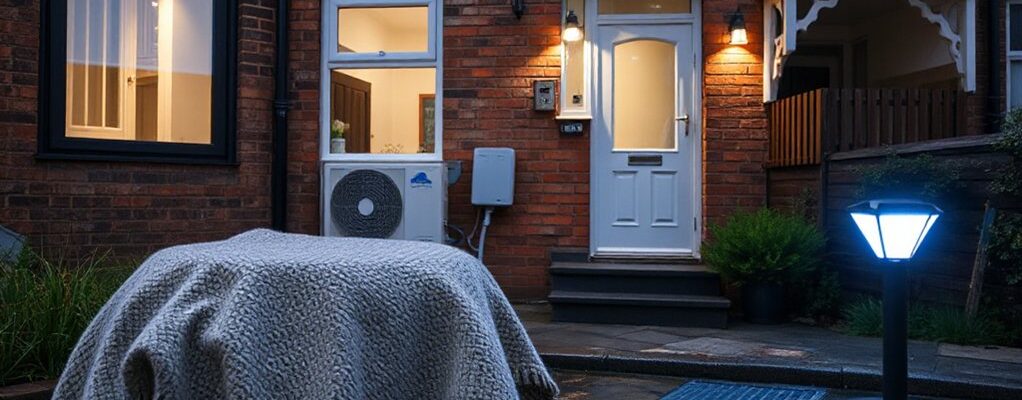
Glasgow homes waste heat through gaps, old insulation, and inefficient boilers, but you can tighten this up quickly with practical changes: seal doors and windows, prioritise external-wall insulation and double glazing, and swap to a high-efficiency boiler with a smart thermostat. Real-time energy data will highlight waste, while grants can offset upfront costs. Start with a simple audit to see where the biggest gains lie, then keep your system tuned for consistent savings and comfort.
Glasgow Energy Efficiency: Kill High Bills Fast
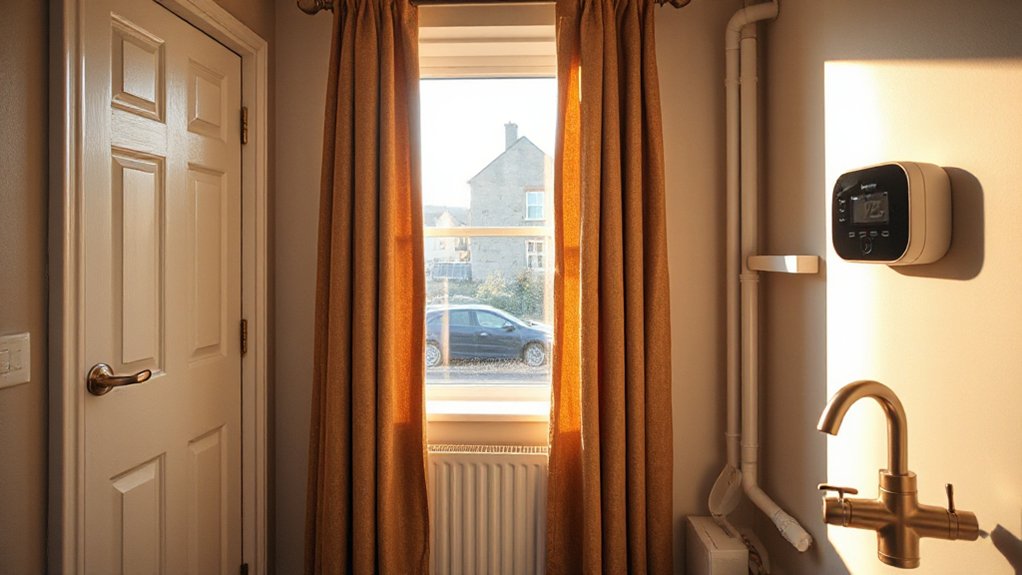
Glasgow households can cut high energy bills fast by prioritizing proven efficiency upgrades. You’ll see quick gains by targeting cost-effective measures first, then layering in smarter options.
In practical terms, focus on well-documented returns: upgrading insulation materials to reduce heat loss, replacing old boilers with high-efficiency models, and adding controllable thermostats. Pair these with renewable energy where feasible, such as solar PV or heat pumps, to lower ongoing electricity and gas costs.
Use data when comparing products—look for A-rated insulation, verified cavity wall or attic upgrades, and boilers with seasonal performance factors suitable for Scottish winters. Track monthly usage, compare year-over-year, and prioritize upgrades with the largest payback.
Precision planning keeps upfront costs manageable and long-term savings measurable.
Seal Gaps and Tune Your Boiler for Immediate Savings
You can cut wasted heat by sealing gaps now and tune your boiler for peak efficiency today. Small gaps waste energy and money, but a quick seal plus a boiler tune can deliver immediate savings backed by data on heat loss reductions.
Start with a quick audit, fix leaks, and set up a professional boiler service to maximize comfort and keep bills lower.
Seal Gaps Efficiently
Think small, save big: sealing gaps and tuning your boiler stops heat from escaping and trims your energy bill from day one.
You’ll start with simple weatherproofing techniques to pinpoint drafts at doors, windows, and floor transitions.
Use a dollar-and-cent mindset: measure gaps with a coin test, then seal with appropriate materials—weatherstripping for gaps under doors, caulk for cracks around frames, and foam for larger penetrations.
Prioritize airtightness first, then verify with a quick blower-door or smoke-test-inspired check to gauge improvement.
Combine gaps sealing with draft proofing solutions that target common leak points, like electrical outlets and attic hatches.
Recheck monthly, especially before heating season, and document savings to stay motivated and precise.
Tune Boiler Now
Have you checked your boiler settings lately? You can release immediate savings by tuning your boiler and sealing gaps first.
Start with a quick pressure check; in many systems, the correct pressure is printed on the boiler fascia. If it’s off, adjust to the manufacturer’s spec and record the value for audits.
Then optimize the water temperature: setting it between 60 and 65°C reduces heat loss while still delivering comfort.
Schedule a basic boiler maintenance visit to verify burner efficiency and detect faults before they escalate.
Pair this with energy audits to confirm where further gains lie, such as pipe insulation or radiator balancing.
Small, precise adjustments compound over a heating season, lowering bills without compromising comfort.
Insulation Priorities for Glasgow Winters
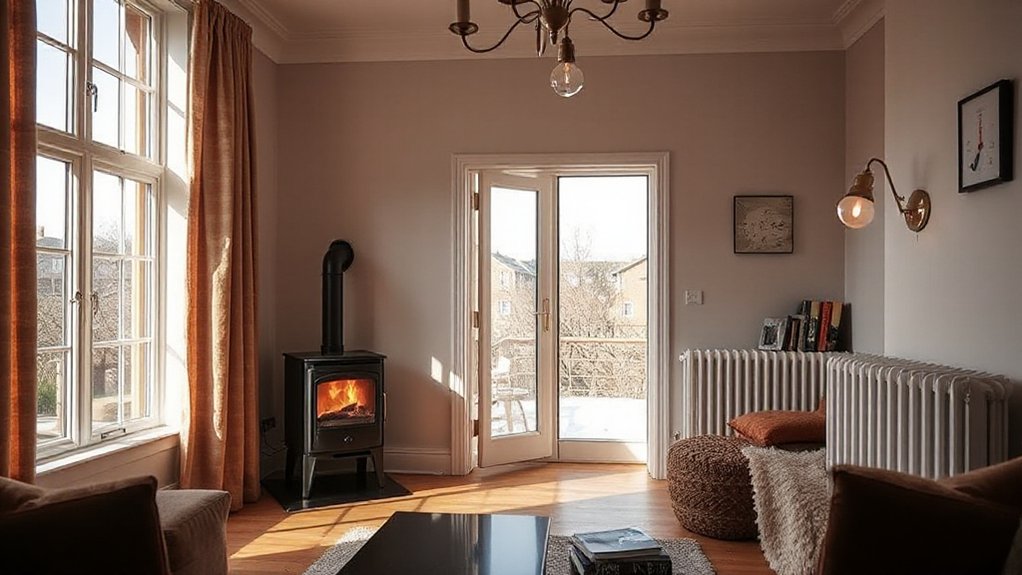
Prioritize wall insulation, since gaps in external walls account for a large share of heat loss in Glasgow homes.
Start by measuring typical U-values and compare retrofit costs against potential monthly savings, focusing on wall sections with visible cracks or thermal imaging hot spots.
Pair with window draught reduction upgrades to close the loop and maximize overall winter comfort and efficiency.
Wall Insulation Gaps
What gaps exist in wall insulation, and how do they affect Glasgow winters? You’ll notice cold spots where walls don’t meet thermal performance. Gaps around mineral wool, plaster, and external cladding create convection loops, letting heat escape and dampen comfort.
Common wall gaps include poor cavity fill, misaligned or rendered joints, and gaps behind fixtures or electrical outlets. These insulation issues raise surface temperatures on internal walls, increasing draft perception and humidity shifts.
In colder months, you’ll see higher heating demand to maintain comfort, and potential condensate risk near cold spots. Data shows that resolving wall gaps with continuous, dense fills and airtight seals reduces heat loss substantially.
Prioritize sealing, adding insulated boards where needed, and verifying junctions to minimize energy waste. wall gaps, insulation issues.
Window Draught Reduction
Windows are a major heat-leak path in Glasgow, so sealing drafts here yields quick, measurable gains. You’ll maximize comfort by targeting gaps around frames, sashes, and glazing perimeters first, then address secondary routes like vents and electrical boxes.
Start with simple steps: weatherstrip inactive sashes, apply draft-proofing tape, and seal hinge gaps to reduce convective losses. Consider durable draught proofing techniques that resist seasonality and wear.
For mid-range improvements, install secondary glazing or upgrade single-pane units where feasible, balancing cost and payback. Window upgrades should prioritize frame and seal integrity, plus glazing performance.
Pair reductions with smart habits—ventilate briefly, heat evenly, and close doors. Track results via monthly heating use to quantify savings.
Double Glazing: Costs, Benefits, and When It Pays Off
Double glazing can cut heat loss and monthly bills, but the payoff depends on your home’s climate, current windows, and the cost of installation.
In Glasgow, you’ll see better returns if your windows are single-pane, poorly sealed, or drafty, and if you face long heating seasons.
Costs vary by frame type, glazing thickness, and installer fees, but energy savings typically materialize within 5–15 years, depending on usage and energy prices.
Consider glazing durability and warranty length when evaluating options.
Expect improved comfort, reduced outside noise, and less window condensation in cool, damp months.
Savings hinge on correct installation, airtight seals, and proper maintenance.
Compare U-values, payback periods, and local grants to determine when double glazing pays off for your home.
Heating Upgrades That Cut Bills Long Term
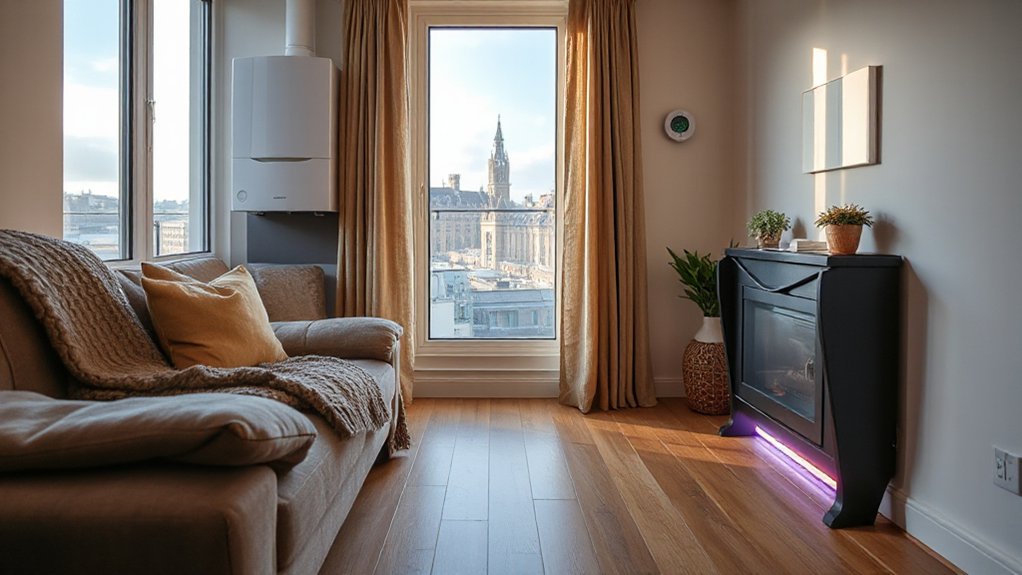
Heating upgrades that cut bills long term pay for themselves through lower energy use and steadier comfort. You can reduce wastage with targeted radiator upgrades that improve heat distribution in mixed rooms and tight spaces. Pair these with thermostatic controls to set and maintain room temperatures, avoiding overheating and unnecessary cycling.
In practice, install appropriately sized radiators and guarantee clean, even heat output; oversized or poorly bled units waste fuel. Add thermostatic valves to balance comfort with demand, especially in homes with uneven floor plans.
Combine with sensible insulation checks and air sealing to boost effectiveness. Expect lower fuel bills over time as heat stays in rooms longer and boiler cycling declines, enhancing overall system efficiency without compromising comfort.
Smart Meters and Energy Monitoring in Glasgow Homes
Smart meters are rolling out across Glasgow, and you’ll see real-time usage data that helps you spot waste and adjust habits.
With real-time monitoring features, you’ll gain immediate insights into when and where electricity runs up your bill.
This section compares adoption rates and practical benefits to guide decisions for households aiming to optimize energy use.
Smart Meter Adoption in Glasgow
What’s the current state of smart meter adoption in Glasgow, and how does it affect everyday energy use? You’ll find adoption growing, driven by both national targets and local Glasgow energy initiatives.
Smart meter installation is accelerating in residential streets and council-led programs, lowering estimated error and giving you clearer bill comparisons.
With real-time usage data, you can spot waste, shift appliance use, and tame peak demand without sacrificing comfort.
Data shows households embracing planned upgrades report easier budgeting and lower annual consumption, though benefits vary by occupancy and habits.
Availability depends on property type, network readiness, and supplier uptake, so check eligibility and installer timelines.
Stay proactive: coordinate with your provider, and leverage the insights from Glasgow energy initiatives to optimize your home’s efficiency.
Real-Time Energy Monitoring Features
Real-time energy monitoring tools bring immediate clarity to how your Glasgow home uses power. You’ll see live consumption, peak times, and failing appliances, all in one dashboard.
With smart meters, you get usage breakdowns by hour and by device, helping you target savings without guesswork. Data-driven insights let you schedule high-load tasks during cheaper rates or when renewable sources are strongest.
Track exports if you have solar panels, and compare day-to-day trends to verify improvements. Real-time alerts warn you about unusual spikes, so you can address issues before they escalate.
Pair monitoring with simple actions—unplug idle electronics, balance loads, and optimize thermostat settings—to maximize efficiency without sacrificing comfort. This approach supports ongoing reductions in energy bills and emissions.
Efficient Appliances and Smart Usage Habits
Efficient appliances and smart usage habits save energy every day by reducing baseline power draw and targeting peak loads. In Glasgow homes, choose machines with high energy efficiency ratings and low standby consumption to minimize idle drain.
Prioritize appliances with longer appliance lifespan and real-world performance data, which lowers replacement cycles and waste.
Use Usage scheduling to align running times with off-peak periods and cooler outdoor temperatures, cutting demand charges and heat-related energy use.
When you run dishwashers, washing machines, and dryers, fill loads fully and select eco modes.
Consider smart plugs and thermostats to automate off-hours shutdowns and temperature setbacks.
Regularly review energy labels, maintenance needs, and coil cleanliness to sustain performance and savings over time.
Grants, Financing, and Costs for Scotland Homes
Grants, financing, and costs for Scotland homes build on selecting energy-efficient upgrades after choosing efficient appliances and smart usage. You’ll find funding via domesticEfficiency schemes, local authority grants, and low-interest loans designed to offset up-front costs.
Compare eligibility, payback periods, and payback certainty to choose options that align with your budget and timelines. Financing typically covers insulation materials, high-performance glazing, and renewable energy systems, with some programs offering installation support.
Expect variances in grant caps, required energy performance targets, and application windows by region. When budgeting, include installation, maintenance, and potential savings from reduced bills.
Track energy savings vs. upfront costs to assess value. Prioritize proven products, manufacturer warranties, and contractor qualifications to maximize long-term efficiency gains.
Renting vs. Owning: Tailored Efficiency Paths
Whether you rent or own, tailoring energy efficiency starts with your daily decisions and long-term investments. Your approach differs by status, but the goal remains steady: reduce energy use while prioritizing comfort and cost certainty.
If you rent, focus on documented upgrades you can request or implement without jeopardizing your lease, emphasizing renting considerations like insulation, smart thermostats, and efficient appliances. Track utility trends to identify quick wins and negotiate with landlords for efficiency commitments.
If you own, you can pursue longer-horizon investments such as fabric improvements, heat pumps, or solar readiness, leveraging homeownership benefits like depreciation and financing options.
Across both paths, set measurable targets, compare seasonal consumption, and align choices with Glasgow’s climate and tariffs for meaningful savings.
Maintenance Habits That Sustain Savings Year After Year
Maintaining savings year after year starts with simple, repeatable habits that cut waste and keep comfort steady. You’ll sustain gains by committing to consistent maintenance routines, not sporadic fixes.
Schedule seasonal checks on heating systems, insulation, and ventilation, and log findings to track performance trends. Clean or replace filters monthly, reseal ducts as needed, and verify thermostat calibration to prevent phantom energy use.
Use programmable or smart controls to align peak usage with off-peak times, and review energy bills for anomalies that signal efficiency leaks.
Prioritize air leaks and insulation gaps in doors and windows, weatherstrip where effective. This disciplined approach sustains energy conservation, reduces runaway costs, and reinforces long-term efficiency gains without expensive retrofits or disruptive downtime.
Frequently Asked Questions
How Long Does a Glasgow Home Energy Retrofit Typically Take?
A Glasgow home retrofit typically takes several weeks to a few months, depending on scope. You should factor in retrofit project timelines and renovation planning considerations, coordinating trades, permits, and material lead times to minimize disruption and stay on schedule.
Which Council Grants Cover Rental Properties in Glasgow?
Which council grants cover rental properties in Glasgow? You qualify if you’re a tenant meeting eligibility, and you’ll navigate the grant application process with proof of tenancy, landlord consent, and energy plans—got questions about eligibility, have you checked yet?
Do Tenants Qualify for Energy Efficiency Incentives in Glasgow?
Yes, you may qualify for energy efficiency incentives in Glasgow if your tenancy status and property meet program rules. You’ll want to know tenant rights and request energy audits to document needed improvements and access funding opportunities.
What Is the Typical Payback Period for Heat Pumps in Glasgow?
A typical payback period for heat pumps in Glasgow is about 5–10 years, depending on efficiency and usage. You’ll see energy savings of roughly 25–50% on bills, with heat pump costs balancing out as savings accumulate. You’re comparing options now.
Are There Glasgow-Specific Energy Rebates for Low-Income Households?
Yes, Glasgow offers city and national schemes for low-income households, including renewable energy and insulation upgrades. You should check local council and energy providers for current rebates, grants, and eligibility, plus potential home retrofit programs and payments.
Conclusion
You’re the lighthouse keeper, steering a fogged house toward steady, visible beams of savings. The path is practical: seal gaps, upgrade insulation, and install high-efficiency boilers with smart meters. Each draught-proofed seam is a window to lower bills; each insulation upgrade is a lantern in a cold window. When you pair grants with smart usage, consumption drops and comfort rises. Stay disciplined, monitor real-time data, and let efficient choices illuminate your home’s future.