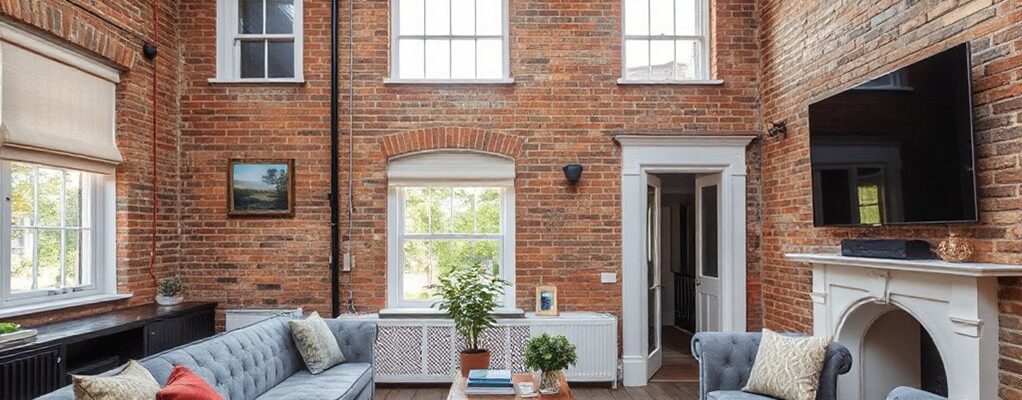
You’ll preserve plasterwork and timber floors as your home’s quiet backbone, while discreetly upgrading with fittings that echo period tone. Let materials, brass hardware, and muted textiles speak softly to modern comfort, never shouting. Balance smart tech with timeless restraint, layer textures for warmth, and use gentle lighting to unify old and new. The challenge isn’t to imitate the past, but to let it inform every careful choice—and the next detail might surprise you.
Preserve Victorian Plasterwork and Timber Floors
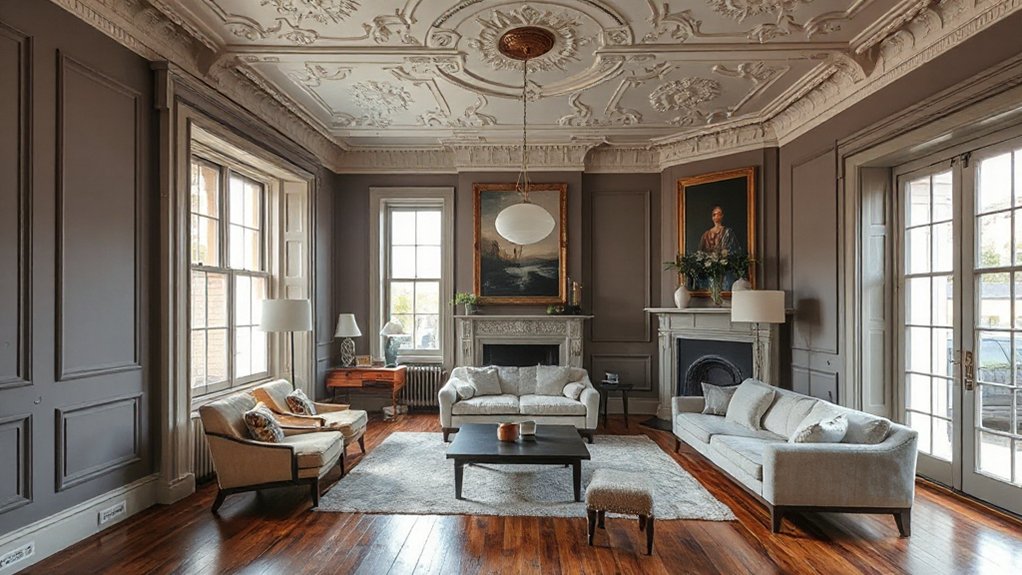
Preserving Victorian plasterwork and timber floors starts with a careful assessment. You map out scope, noting cracks, lifts, and previous repairs, while respecting original geometry. Victorian craftsmanship informs your judgment: plaster stops at neutral joints; cornices align with door cases; timber floors reveal heartwood, grain, and nail patterns. You keep access routes clear, delaying invasive alterations until necessary, and you document findings for future care. When cleaning, you dust with soft brushes and avoid harsh chemicals that dull profiles. Repairs use compatible materials and retain fabric integrity, matching plaster textures and timber tones to the existing palette. Your approach preserves Period authenticity, ensuring later modernization remains discreet. Subtle consolidation, precise patching, and gentle stabilization protect heritage without compromising the room’s character.
Integrate Modern Fittings With Period Details
You strike a balance by blending period aesthetics with subtle modern fittings, so the room retains its character while functioning like today. Choose discreet, well-proportioned updates that respect the details you’ve preserved, letting timeless features lead. Aim for a quiet, cohesive flow where modernity supports, not competes with, the Victorian shell.
Blending Period Aesthetics Modernly
Blending period aesthetics with modern fittings means selecting elements that read as true to the Victorian era while serving today’s needs. You’ll balance ornate lines with quiet practicality, prioritizing clean silhouettes over fussy excess. Choose fittings that echo Victorian architecture’s detailing but harness contemporary design for function, durability, and ease of use. Integrate brass, iron, or pewter touches in hardware and lighting to create cohesion without shouting history. Keep color palettes restrained, letting mahogany, charcoal, and ivory do the heavy lifting while modern textures—glass, linen, and matte finishes—soften them. Preserve proportion and rhythm in rooms, so period details read as intentional anchors rather than costume. You’ll achieve a cohesive, breathable harmony that respects lineage while embracing present-day living.
Subtle Fittings, Timeless Details
Subtle fittings fuse seamlessly with period details, so modern conveniences don’t shout but rather support the room’s rhythm. You balance function with form by selecting antique fixtures that echo the era’s silhouette, while contemporary engineering keeps reliability. Aim for restrained contrasts: a brass sink tap, a discreet pull cord, or a concealed socket within a vintage vanity. Keep lines clean and proportional, so fittings don’t dominate architraves or cornices. When you lay antique fixtures against fresh plaster, allow generous negative space to preserve airiness. Introduce vintage textiles as a soft counterpoint—curtains, upholstery, and cushions that repeat timber tones or metal hints without overpowering the palette. Let hardware be purposeful, lighting subtle, and the overall mood timeless rather than trendy.
Smart Storage Ideas for Small Terraces
Think vertically to maximize the few feet you have, using clever vertical storage that tucks away, like slim shelves and hanging organizers. Consider hidden cabinet solutions that blend with period detailing, keeping essentials close at hand without clutter. Opt for multi-functional furniture that pulls double duty, so every piece earns its keep in a compact, coherent scheme.
Clever Vertical Storage
Ever considered how vertical storage can transform a small terrace without crowding the space? You guide the eye upward, using vertical dividers to segment narrow areas while preserving open sightlines. Choose slim shelving that hugs walls, offering discreet utility without bulk. A tall, narrow unit beside the door can hold plants, tools, and seasonal decor, keeping the floor uncluttered. Consider wall-mounted racks over benches for frequent-use items, preserving floor space for seating. Opt for multipurpose, stackable containers in muted tones that blend with timber and brick. Integrate hidden brackets and recessed surfaces to maintain clean lines. Let mirrors or pale paint reflect light, enhancing perception of depth. With restraint, clever vertical storage keeps the charm intact while delivering practical modern conveniences.
Hidden Cabinet Solutions
Hidden cabinet solutions turn tight terraces into efficient spaces without shouting for attention. You’ll embrace hidden compartments that blend with period detailing, so storage feels intrinsic, not intrusive. In compact kitchens or hallways, clever pull-outs and push-to-open panels reveal concealed storage without visible hardware, preserving plasterwork and cornices. Choose soffit- or skirting-integrated bins to keep surfaces clear, and use mirrored doors to visually expand narrow rooms. In living areas, low-profile benches or window seats can conceal seasonal items, while sideboards with recessed drawers maintain proportion and elegance. Avoid heavy, modern fastenings; opt for timber cores, brass fittings, and gentle contours that respect the home’s rhythm. With thoughtful placement, these quiet solutions honour character while delivering practical, accessible storage.
Multi-Functional Furniture Choices
From the quiet foundations of hidden storage, you can you’ll choose multi-functional furniture that clears surfaces while staying true to the terrace’s period character. In small spaces, select pieces that hide essentials within graceful silhouettes. Convertible sofas invite seating by day and ample sleeping options by night, without dominating the room’s proportion or line. Multipurpose tables provide dining, work, or display duty, folding or shrinking to preserve flow. Prioritize finishes and detailing that echo Victorian restraint: slim legs, rolled edges, brass accents, and muted tones. Avoid ostentation; the goal is practicality with tactful charm. Use built-in storage under benches or window seats to maintain surface discipline. Pair with discreet hardware and reversible cushions to preserve authenticity while easing modern living.
Lighting and Color for Old-And-New Balance
Lighting and color in a Victorian terrace should honor the past while supporting present livability; by choosing fixtures and palettes that read as timeless rather than trendy, you’ll create harmony between old features and new comforts. In practice, select Lighting fixtures with warm, true-toned bulbs and simple profiles that echo period hardware without replication. Avoid glare and modern brightness spikes; instead, layer light from wall-mounted sconces, table lamps, and softened ceiling fittings to reveal details like plasterwork and timber. For Color palettes, favor subdued neutrals—creamy whites, stone grays, and muted greens—then anchor with deeper accents that pull rooms together. Balance contrasts thoughtfully, ensuring textiles, wood tones, and metals cooperate, never compete. Subtle color shifts can enrich spaces while preserving authentic character.
Energy Efficiency Without Losing Character
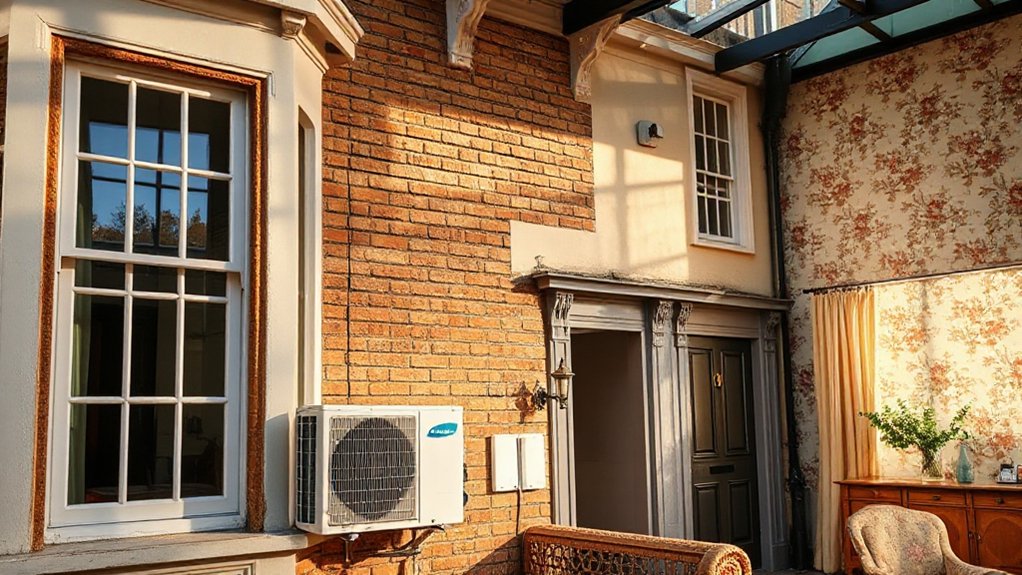
Have you ever wished to cut energy use without dulling a Victorian home’s character? You can, by pairing discreet upgrades with mindful appreciation of history. Start with insulation upgrades that respect fabric and fabricators: loft spaces, solid walls, and floor boards, chosen to minimize bulk while maximizing warmth. Combine this with efficient, unobtrusive glazing and draught-sealing that preserves a room’s proportion and glow. When considering renewables, solar panels can be small in footprint and integrated along non-prominent roof planes, so rhythm and chiming eaves remain legible. Choose panels that align with the house’s lines and finish, not shout at them. Use smart controls to avoid waste, and keep days when energy use mirrors legacy habits. Subtle upgrades sustain comfort without erasing context.
Layer Textures for Cohesive Warmth
Layering textures in a Victorian terrace builds warmth without shouting it. You blend surfaces with intention, letting quiet contrasts tell the story. Textured wall finishes add depth to panelled walls or plaster, keeping the original grain visible while softening room edges. Pair these with restrained woods and low-sheen metals to avoid crowding details. Cozy textile layers bring tactile warmth without visual clutter, so choose a palette that echoes architectural tones. Think linen, wool, or cotton weaves in subtle patterns that complement, not compete with, existing plasterwork, cornices, or fireplace mantels. Introduce textiles in seating, cushions, and throws, then ground rooms with rugs that repeat hues from trims or woodwork. The result: cohesive warmth that respects character and modern living.
Frequently Asked Questions
How Can I Protect Fragile Plasterwork During Renovations?
You protect fragile plasterwork by stabilizing loose areas, supporting joints, and avoiding heavy vibration; use gentle plaster preservation methods and careful scaffolding. Plan for fragile restoration with breathable materials, and consult a conservator to guarantee safe, respectful, modern updates.
What Are Budget-Friendly, Invisible Ways to Modernize Wiring?
You’ll pursue invisible wiring through surface-mounted solutions and cable channels, prioritizing adaptability and budget friendly modernization. Use flame-retardant sleeves, low-profile fixtures, and smart controls to maintain character while keeping lines clean and discreet in every room.
Which Contemporary Materials Best Mimic Victorian Timber Floors?
Contemporary laminates mimic timber floors with convincing grain; you choose authentic textures. You preserve Victorian authenticity while embracing sustainable sourcing, balancing tradition and modern comfort. You’ll feel contrast, warmth, and restraint as you tread softly into timeless rooms.
How Do I Source Period-Accurate Hardware Ethically?
You source period-accurate hardware ethically by prioritizing antique sourcing and verifying provenance, avoiding replicas. Check sellers’ ethical practices, request documentation, and support restorers. You’ll preserve history while practicing responsible, traditional craftsmanship through ethical, transparent, and context-aware decisions.
Can Smart Storage Compromise Ceiling Height or Space Flow?
Smart storage can affect ceiling height and space flow only if you overpack; choose low-profile units and wall-mounts to preserve ceiling height, maintain space flow, and keep traditional detailing intact with sensitive modernization.
Conclusion
You’ll finish with a home that feels timeless, not trendy. Respect the plaster’s quiet rhythm, love the timber’s grain, and let brass hardware wink at you like aged charm. Modern comforts sit quietly at the edges, never shouting, always in tune with period tones. With careful lighting, layered textures, and smart storage, your Victorian terrace becomes a warm conversation between past and present—like a well-kept diary that reads itself aloud. It endures, patient as a cathedral candle.