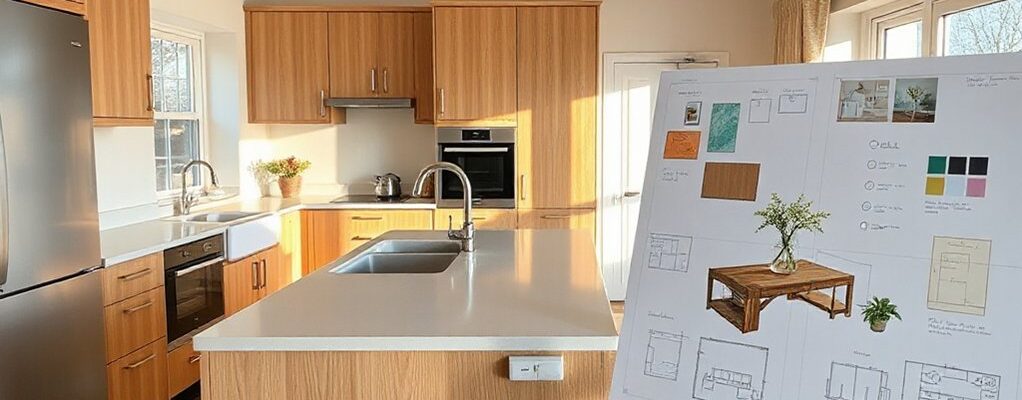
A kitchen diner can transform how you live, but success starts with honest space assessment and simple, scalable layouts that fit UK homes. You’ll want clear zones for cooking, dining, and socialising, plus practical storage and tidy power, lighting, and ventilation plans. Start small with measurements and sketch a few options, then weigh durability, eco-friendly choices, and timeless style. Get the basics right now, and you’ll open the door to a space that evolves with you—without losing its sense of calm.
What Is a Kitchen Diner and Why It Fits UK Homes
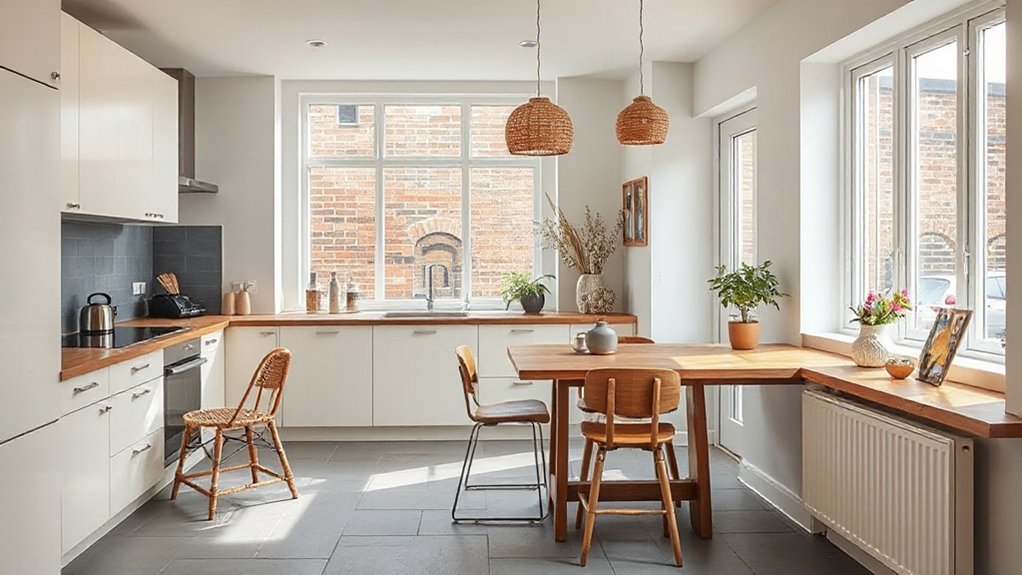
A kitchen diner is a combined cooking and eating space that also serves as a social hub, often integrating an informal dining area within the kitchen layout. You’ll see this concept thriving in UK homes because it merges daily routines with conversation, reducing barriers between cooking and living. You’ll design around flow, accessibility, and a welcoming atmosphere, so you can prep, chat, and dine without friction. Kitchen aesthetics matter here: consider finishes and lighting that reflect warmth and practicality, from durable worktops to easy-clean cabinetry. Embrace design trends that balance compact efficiency with generous sociable zones, like island headings, seating, or open shelving. This setup adapts to varied family sizes and entertaining styles, while preserving a practical, low- fuss core.
Assess Your Space and Decide the Best Layout
Measure your space accurately and sketch a quick map to spot doorways, windows, and utilities. Choose a layout style that fits how you cook and socialize, prioritizing elbow room and flow between prep, dining, and relaxing zones. Test sightlines and clearance so paths stay comfortable and you can move confidently from room to room.
Measure And Map Space
To start, map your space by taking precise measurements of length, width, and ceiling height, then note doorways, windows, and any obstructions. You’ll translate these details into a practical plan, not a wishlist. Measure alcoves, entry clearances, and appliance footprints to avoid crowding. Sketch a quick floor plan at scale, labeling fixed features like flues or soffits. Consider traffic paths, ensuring enough clearance for doors, drawers, and appliance doors to open freely. Use your data to test layouts on paper before moving furniture or fixtures. This step anchors decisions in reality, guiding you toward efficient use of space. When selecting appliances, weigh cooking techniques and kitchen ergonomics to balance convenience, safety, and flow. Ready your measurements, then refine with purpose and precision.
Choose Layout Style
Choosing a layout that fits your space starts with evaluating flow and function. You’ll map how you move between zones, from fridge to prep to dining. Prioritize work triangles and clear paths, avoiding bottlenecks near doors or seating. Consider your wall, island, or peninsula setup: an L-shape invites convo and keeps cooking surfaces within reach; a U-shape maximizes storage; a galley keeps everything compact but can feel tight. Decide whether an open-plan diner suits your vibe or a more defined separation. Integrate practical storage, seating, and appliance placement with your color schemes and kitchen decor in mind. Finally, sketch multiple options, compare sightlines, and choose the layout that balances usability, aesthetics, and future flexibility.
Choose a Layout That Supports Everyday Life
When planning a kitchen diner, pick a layout that supports how you actually use the space, not just how you imagine it. Prioritize flow: the work triangle should connect fridge, sink, and hob with clear paths for one-person tasks or family help. Align seating to kitchen zones so conversations happen without people blocking appliances. Consider kitchen ergonomics: reachable storage, large handles, and drawers that open without bumping elbows. Design zones for prep, cooking, and cleanup that tolerate multitasking—kids helping with breakfast, you stacking dishes, a partner grabbing snacks. Plan for sightlines so you can supervise without hovering. Make sure corners and aisles stay unobstructed for wheels, prams, or pets. A layout that accommodates family interaction promotes smoother routines and clearer communication.
Plan Power, Lighting, and Ventilation: UK Standards
You’ll need to align planning for ventilation, lighting, and electrical power with UK standards from the outset. We’ll cover Ventilation Standards UK, Lighting Requirements UK, and Electrical Power Planning so you know what’s required for safety, efficiency, and compliance. Start by identifying where vents, fittings, and outlets must go to meet current rules and how they impact layout and future flexibility.
Ventilation Standards UK
Ventilation standards in UK kitchens are about ensuring safe, comfortable airflow while you plan your space. You’ll balance extractor sizing, duct routes, and room layout to prevent cooking residues from lingering. Prioritise efficient airflow that supports air quality and minimizes odours, vapours, and condensation. Choose a system matched to your cooktop type, kitchen size, and whether you have an adjoining dining area. Humidity control matters: excessive moisture invites mould and damage, so install adequate extraction and, if needed, a boost function for peak cooking. Guarantee passive air inlets or interrupted flow don’t create drafts. Maintain access to filters and ductwork for easy cleaning. Compliance with building regs and proper commissioning safeguard performance over the long term.
Lighting Requirements UK
Lighting is essential to plan alongside power and ventilation, because good illumination shapes safety, mood, and workflow in a kitchen diner. You’ll design a layered scheme that combines ambient lighting with task and accent elements, guaranteeing no shadows hinder cooking or dining. Choose fittings that meet UK standards for safety, heat resistance, and ease of cleaning, and plan for controlled zones to reduce glare. Prioritize energy efficiency with LED sources, dimmable controls, and Smart home integration where appropriate, to balance comfort and running costs. Confirm emergency and ventilation lights remain separate from primary ambience. Consider daylight ingress and window placement to maximise natural light, reducing artificial demand during the day. Document lumens, colour temperature, and switching plans to guide installation.
Electrical Power Planning
How can you guarantee your kitchen diner runs smoothly with a well-planned electrical system that marries power needs, lighting, and ventilation to UK standards? Start with a practical layout: allocate dedicated circuits for major appliances, lighting, and extraction. Plan cable routes to minimize long runs, and choose robust cable sizing to match load estimates. PrioritiseKitchen-specific zones with RCD-protected sockets, GFCI where splash zones apply, and cooker/oven circuits that meet current regulations. Consider appliance startup surges and future flexibility; include isolation points for safer maintenance. Document electrical wiring details, renovation diagrams, and compliance checks for building control notifications. Embrace circuit safety through clear labeling, regular inspections, and adherence to Part P and BS 7671. This approach delivers reliable power, balanced lighting, and effective ventilation without compromise.
Pick Appliances and Storage for UK Kitchens
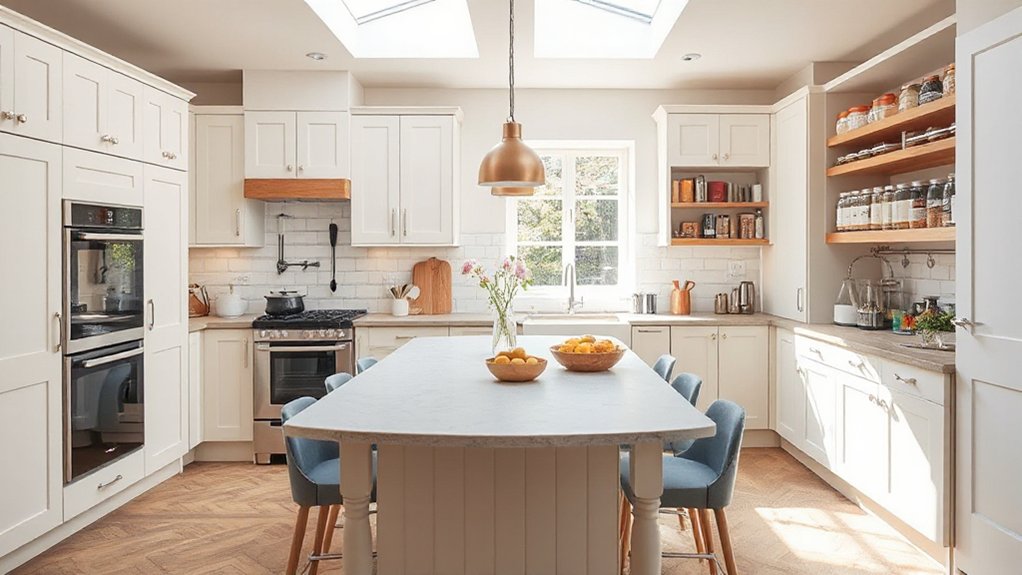
Choosing the right appliances and smart storage is the backbone of a functional UK kitchen diner, so start by outlining your daily routines and peak cooking times. You’ll align appliance placement with flow, reducing steps from sink to hob to prep area, and you’ll plan storage optimization so essentials sit within easy reach. Prioritise a reliable oven with a capable hob, a compact dishwasher, and a versatile fridge-freezer combo that fits your space. Consider pull-out pantry shelves and deep drawers for bulky pots. Zone smaller appliances in a nearby alcove to keep the main counters clear. Finally, ensure lighting supports task areas and labels aid quick retrieval.
- Appliance placement principles for flow
- Storage optimization in shallow cupboards
- Hidden charging and cable management
- Multi-use or compact appliances
- Accessible, clearly labeled bins and drawers
Create Functional Zones: Dining, Cooking, Socialising
Creating functional zones keeps your kitchen diner efficient and sociable. You’ll design distinct areas for dining, cooking, and socialising, while preserving an open flow that suits UK homes. Start with a clear dining zone: a table sized for daily meals and occasional guests, positioned for easy service from the prep area. For cooking, place the work triangle—sink, hob, fridge—so movement stays smooth and safe. A social zone should invite conversation, with seating that faces the activity rather than the wall. Use vertical storage to keep counters clear, and include a compact island or peninsula if space allows. Focus on Kitchen aesthetics with cohesive finishes and lighting. Prioritise Eco friendly materials for durability and lower environmental impact, ensuring longevity and timeless appeal.
Budget, Timeline, and Permits for a Kitchen Diner
Know your budget and timeline early to keep your kitchen diner project on track. You’re balancing cost estimation with realistic milestones, so set clear limits and track changes as you go. Permits arise from structural or electrical work, so research local requirements now to avoid delays later. Build a simple plan that prioritises essentials first, then scope creep.
- Establish a fixed overall budget and a contingency reserve
- Align milestones with supplier lead times and contractor availability
- Get essential permits early and document approvals
- Track costs and adjust scope to protect timeline management
- Build in review points to set expectations with family and trades
With disciplined cost estimation and timeline management, you’ll reduce surprises and keep the project progressing smoothly.
Finishes, Seating, and Finishing Touches to Tie It Together
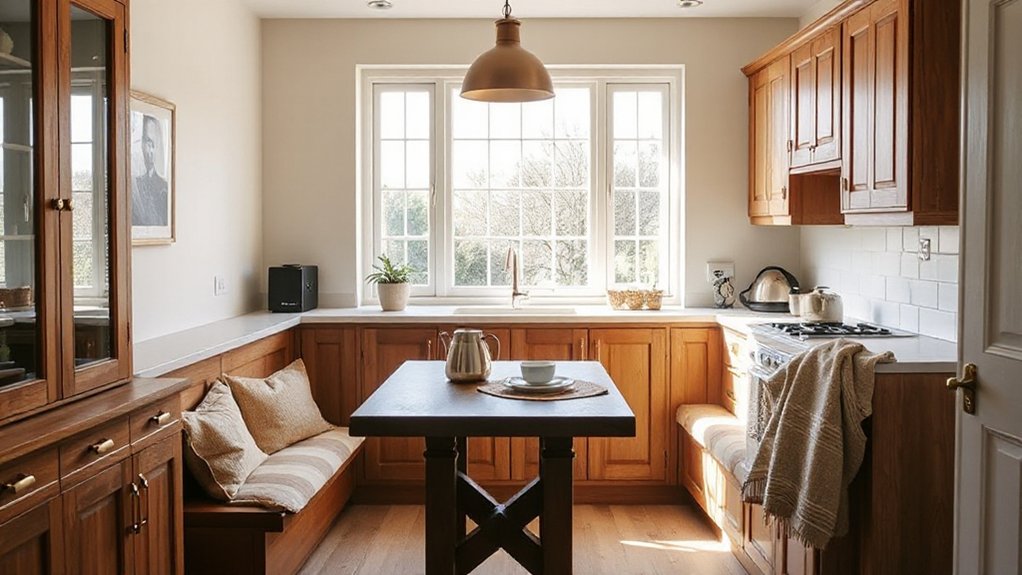
Finishes, seating, and finishing touches are where your kitchen diner starts to feel like home. You choose finishes that endure daily use while reflecting your style, balancing practicality with personality. Focus on durable surfaces—laminate, quartz, or timber veneer—that resist stains and heat, and confirm trims and hardware echo the overall palette. Seating should invite conversation yet fit the space; compact banquettes or adjustable stools can flex with family needs. Integrate decorative accents sparingly to avoid clutter: a statement light, a textured rug, or a curated gallery of wall pieces. Tie-in lighting with task zones and ambient layers, so the room reads cohesive from every angle. Finally, synchronize textiles, metals, and cabinetry finishes for a polished, effortless look.
Frequently Asked Questions
How Do Building Regulations Affect Kitchen Diner Installations?
Building regulations affect kitchen diner installations by mandating ventilation requirements and confirming plumbing upgrades; you’ll need approved plans, competent trades, and inspections, so you meet safety, energy, and accessibility standards throughout your project.
What Insurance Considerations Apply During Renovations?
Insurance coverage matters during renovations; make certain you have thorough policy updates before starting, and verify contractor credentials. Secure renovation permits where required, document work, and keep receipts to support any future claims.
Can a Kitchen Diner Impact Home Resale Value?
A kitchen diner can boost your resale value, especially with a well-planned Kitchen layout and Dining area integration. You’ll attract buyers who value open, flowing spaces, ease of entertaining, and modern, cohesive design that feels spacious and versatile.
What Are Common Pitfalls in Open-Plan Acoustics?
Soundproofing challenges lurk where gaps and shared ceilings hiss; your open plan stumbles if you neglect acoustic zoning. You’ll hear every clatter, so zone spaces, seal edges, and design flow to minimize echoes and unintended conversations.
How Do You Budget for Unexpected Renovation Costs?
Budget overruns happen; you should set a contingency, monitor costs weekly, and build a cushion for surprises. Plan for contractor delays, track milestones, and adjust scope promptly to protect your timeline and budget. You’ll stay in control.
Conclusion
A kitchen diner is a flexible, social hub that works with UK homes, not against them. You’ve assessed space, chosen layouts, and planned power, lighting, and storage to support everyday life. You’ve set zones for cooking, dining, and conversation, picked durable materials, and mapped a sensible budget and timeline. Stay mindful of permits and UK regulations, and finish with timeless touches. As the old adage goes: measure twice, cut once. Your ideal kitchen diner awaits.