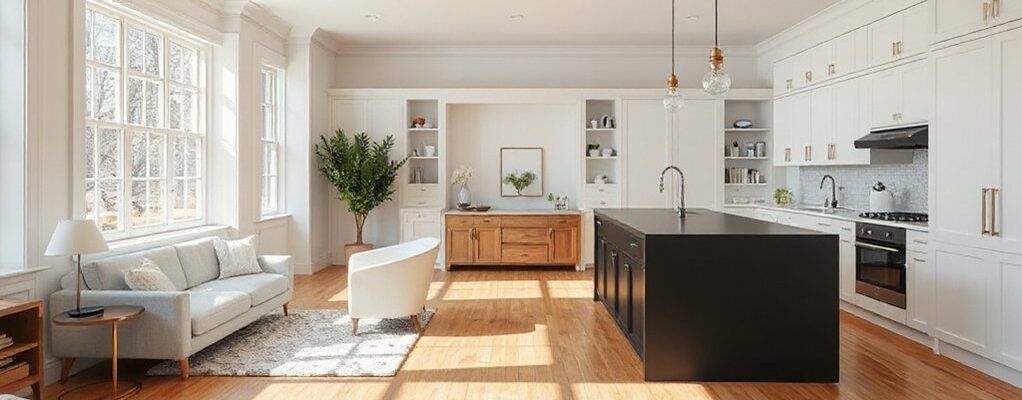
Change is in the details, and you don’t need to tear walls down to make a bungalow feel new. You’ll focus on color, texture, lighting, and smart finishes that boost comfort and curb appeal. With a clear budget and smart layouts, you’ll transform key spaces while preserving charm. Ready to weigh finishes, lighting zones, and storage tricks that reveal the home’s potential without structural upheaval? Let’s start.
Key Takeaways
- Focus on non-structural upgrades like lighting, finishes, hardware, and soft furnishings to refresh the look without altering layout.
- Optimize interior layout with smart storage, movable islands, and clear zones to improve flow without walls.
- Use durable materials ( quartz counters, wide-plank flooring, moisture-safe cabinetry) for a modern, low-maintenance feel.
- Update color, texture, and light layers (warm/cool lighting, mirrors, sheer window treatments) to brighten and enlarge spaces.
- Enhance curb appeal and exterior details (painted shutters, fresh numbers, subtle path lighting) to modernize from outside.
Define Modernizing a Bungalow: Goals, Boundaries, and Outcomes
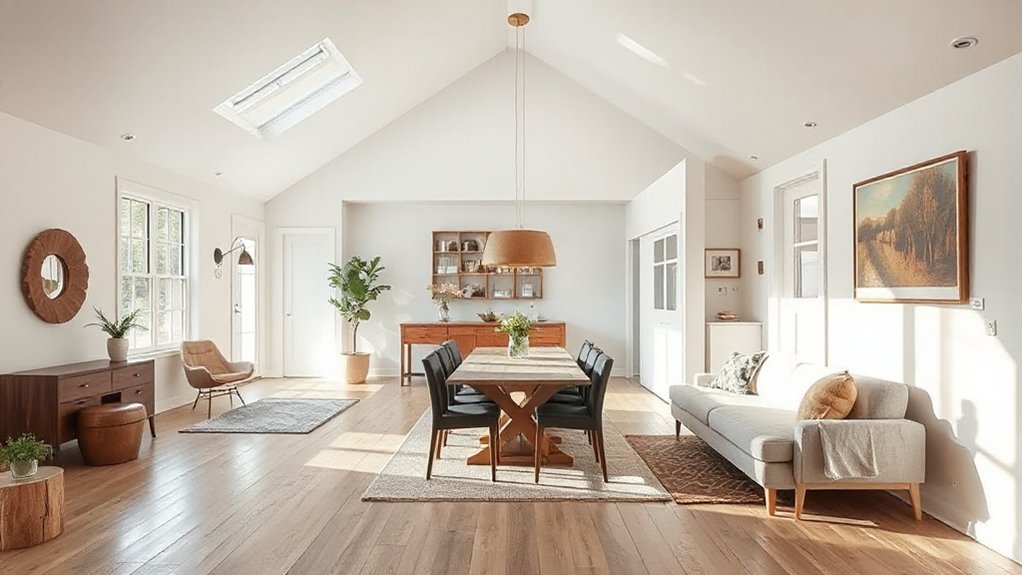
Defining modernizing a bungalow means clarifying what changes you’ll pursue, why you’re making them, and what success looks like. You’ll set goals that honor Historical preservation while embracing practical upgrades.
Define boundaries by listing non-negotiables (layout, lighting, heat, storage) and negotiables (finishes, fixtures) to prevent scope creep.
Identify outcomes in measurable terms: brighter rooms, improved energy use, enhanced comfort, and preserved character.
Establish success metrics, such as a functional open plan without structural tweaks, or improved resale value with minimal disruption.
Keep Architectural integrity at the center: maintain proportional windows, rooflines, and detailing where feasible.
Prioritize daylight, ventilation, and tactile materials that feel timeless.
Document decisions, revisit periodically, and adjust as realities shift, ensuring your modernization stays purposeful, graceful, and true to the bungalow’s essence.
Set a Realistic Budget for Non‑Structural Bungalow Updates
Set a realistic budget upfront for non-structural updates, so you know what you’re aiming for and what’s optional.
Prioritize upgrades that deliver the biggest impact, like fresh styling, better lighting, and efficient fixtures, while leaving room for essential finishes.
Plan a contingency fund you can tap if costs shift, and allocate reserves to cover overruns without stalling the project.
Set a Realistic Budget
When planning non‑structural bungalow updates, start with a realistic budget that covers the essentials and leaves room for surprises. You’ll map fixed costs first: materials, finishes, permits (if needed), and a contingency of 10–20%.
Next, price lighting, fixtures, and soft furnishings against your priorities, not trends. Track labor separately and confirm timelines to avoid double‑booking.
Reserve a funds buffer for incidental fixes—think unexpected plumbing tweaks or minor repairs—so you don’t derail the plan. Compare quotes, but value clarity over cheapest price.
For visible upgrades, plan garden design elements and exterior paint within the same financial frame to avoid patchwork.
Finally, review monthly spend, adjust scope before commitments, and keep a written budget with receipts for easy audits.
Prioritize Non-Structural Upgrades
Prioritizing non-structural upgrades starts with aligning your budget to what you’ll actually notice daily. You’ll focus on value over flash, choosing improvements that improve comfort, usability, and aesthetics without altering the home’s bones.
Start with a precise list: lighting, finishes, window treatments, flooring, and smart storage. Allocate funds to items you’ll experience every day, like durable surfaces and efficient climate controls, rather than costly cosmetic quirks.
Include a realistic margin for unexpected fixes revealed by a quick structural assessment, so you don’t derail the plan. Consider historical preservation goals if the bungalow’s character matters, ensuring choices respect the era’s proportions and materials.
Track costs in a simple spreadsheet, and revisit as needed to stay on track with your objectives.
Plan Contingency Funds
Plan contingencies now so you’re not blindsided later: set a realistic budget that covers non-structural bungalow updates and leaves room for surprises. Contingency planning isn’t optional; it’s practical insurance against overruns and delays.
Begin with a clear scope of non-structural updates, then add a contingency line item equal to 10–20% of projected costs. Consider material price fluctuations, contractor scheduling gaps, and permitting hiccups.
Separate, build in Emergency funds for unexpected fixes or new ideas that emerge during the process. Track every expense in real time, and adjust allocations as prices shift.
Prioritize high-impact updates first, and keep a ceiling on discretionary upgrades. This disciplined approach safeguards progress, preserves your timeline, and helps you complete the bungalow without compromising style or quality.
Maximize Small Spaces With Built‑In Solutions
Think built‑in storage and multifunctional nooks transform tight spaces without sacrificing style. You’ll discover clever shelves, hidden benches, and integrated desks that keep surfaces clear and rooms feeling larger.
Let’s explore practical ways to maximize every corner with smart, space‑savvy design.
Built-In Storage Tricks
When space is at a premium, built‑in storage isn’t a luxury—it’s a necessity. You’ll reclaim walls, corners, and underused zones with clever, low‑profile solutions that still look refined. Think integrated shelving that doubles as display, hidden cabinetry behind doors that blend with trim, and tall units that reach for the ceiling to minimize clutter.
Use pull‑out organizers in closets and kitchen drawers to maximize every inch, and opt for adjustable shelves to adapt over time. Keep finishes cohesive with vintage charm and allow garden integration from windowsills to plant‑friendly ledges, so storage contributes to the overall feel.
- Hidden pantry modules with slim pullouts
- Floor‑to‑ceiling wardrobe systems
- Under‑stair drawers and lift‑top benches
- Floating cabinets that echo architectural lines
Multifuntional Nook Ideas
Small nooks can do big work with built‑in multifunctional solutions that feel tailored, not cramped. You’ll design compact zones that swap roles with a simple pull or fold. Think a window seat that doubles as storage, a desk that folds into a bench, or a galley cart that becomes a breakfast bar.
Select clean lines, integrated hardware, and push-to-open drawers to keep surfaces uncluttered. Use vertical storage to free floor space, and conceal cables behind integrated channels. Choose soft, cohesive finishes to visually expand the area.
For ambiance, plan garden landscaping views from the nook and install outdoor lighting that highlights the zone without glare. Smart lighting and weatherproof materials extend the utility of your built‑ins beyond indoor use.
Refresh With Lighting, Color, and Texture
Lighting, color, and texture are your quickest fixes for a bungalow that feels dated or flat, and they don’t require major structural changes. You’ll refresh spaces fast by fine‑tuning lighting design, selecting cohesive color palettes, and layering textures for depth.
Use warm lights to soften angles, cool whites to brighten canvases, and dimmers to sculpt mood. Choose a restrained color palette and introduce contrast with textiles, art, and hardware. Texture dissolves flatness; mix matte and gloss surfaces to add interest without clutter.
- Align lighting design with function and flow
- Build cohesive color palettes across rooms
- Layer texture through textiles, finishes, and accessories
- Apply strategic accents that punctuate the overall mood
Upgrade the Kitchen Without Moving Walls: Layout Hacks and Materials
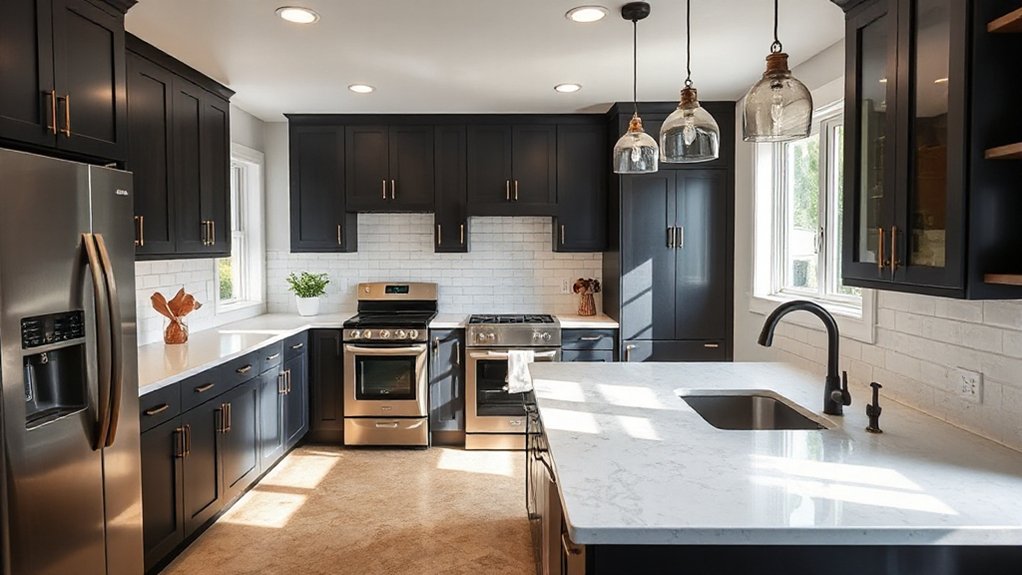
You can reclaim kitchen flow with smart storage hacks that keep essentials within easy reach and clutter out of sight. Choose durable materials that resist daily wear while staying stylish, so your counters and cabinetry age gracefully.
Tweak layout with simple optimization tricks to maximize workspace, traffic paths, and natural light without moving walls.
Smart Storage Hacks
Smart storage can transform a kitchen without a wall change, letting you reclaim counter space and streamline daily routines. You’ll optimize every inch with clever concealment, modular inserts, and vertical solutions that stay tidy under pressure.
This approach blends practical function with a dash of style, so your kitchen feels intentional rather than congested. You’ll also weave in vintage decor touches and garden landscaping cues to create a cohesive look that’s timeless, not faddish.
Focus on accessible pullouts, labeled jars, and dedicated zones for prep, cooking, and cleanup. The goal is quick, quiet efficiency that still reads polished and modern.
- Use pull-out pan racks and spice drawers for instant access
- Install tall shelves with labeled bins to minimize clutter
- Pair glass-front cabinets with open trays for daily essentials
- Integrate hidden charging stations and compact composting
Durable Materials Choices
Durable materials set the tone for a modern bungalow kitchen that stays handsome and hard-working after walls stay put. You choose surfaces that resist daily wear while keeping lines clean and calm.
Opt for quartz or solid-surface counters that shrug off stains and heat, then pair with durable cabinets in matte finishes to hide fingerprints.
For floors, pick wide-plank porcelain or real stone with a matte seal; both handle moisture and traffic.
Metal accents—brushed steel pulls, aluminum trim—add modern polish without glare.
Pick weather resistant finishes on cabinetry and hardware to maintain color and sheen.
Install backsplashes in ceramic or glass that tolerate splashes and wipe downs.
Prioritize simple, repairable details to extend longevity without complicating upkeep.
Layout Optimization Tricks
If you’re updating without moving walls, start by reconfiguring the triangle: sink, stove, and fridge should form a natural workflow with 4–5 feet of unobstructed clearance. You’ll gain efficiency without extra construction, while keeping the room feeling open.
Use smart storage to minimize trips, and choose materials that nod to garden landscaping and historical preservation. Compact, high-performance appliances pair with open shelving to preserve sightlines and charm.
Consider a movable island to re-route traffic for entertaining or everyday meals.
Lighting should be layered: task, ambient, and accent to highlight architectural details.
For finishes, select durable, low-maintenance surfaces that rival traditional charm with modern resilience.
- Reconfigure the triangle for flow and clearance
- Add a movable island to adapt space
- Choose durable, characterful finishes
- Integrate garden landscaping-inspired accents and preservation cues
Brighten and Modernize the Bath on a Budget
Brightening a small bathroom on a budget starts with light and color: swap heavy drapes for sheer blinds, paint walls in a fresh, bright hue, and add a reflective mirror to bounce light around. You’ll feel more spacious with glossy tiles or a single light grout line that catches daylight.
Choose a compact vanity with clean lines and a pale finish to reflect brightness, then seal cabinetry with moisture-safe paint for longevity. Replace dated hardware with brushed nickel or matte brass to elevate the look without a full remodel.
Incorporate vintage charm through a small, tasteful accessory, like a porcelain soap dish or retro-inspired towel ring.
Landscaping ideas outside can mirror the calm, simple aesthetic, reinforcing a cohesive, budget-smart update.
Zone Planning for Clear, Comfortable Living Areas
Zone planning unifies flow and function, ensuring every living area feels open, accessible, and purpose-driven. You’ll map zones by activity—relax, entertain, work, and cook—so paths stay intuitive and clutter stays away. Maintain sightlines from入口 to exits for safety and light. Use furniture placement to guide movement, not trap you in corners.
Integrate garden landscaping decisions with indoor zones to blur boundaries when you want open-air moments without sacrificing security. Consider storage that supports quick resets, keeping daily routines smooth and quiet. Finish with subtle accents that unify spaces and reduce noise, boosting comfort.
- Define primary zones and transitions for each daily routine
- Align furniture to maintain clear sightlines and easy movement
- Integrate garden landscaping to extend living space
- Prioritize discreet home security without compromising design
Boost Curb Appeal and Outdoor Living for Your Bungalow
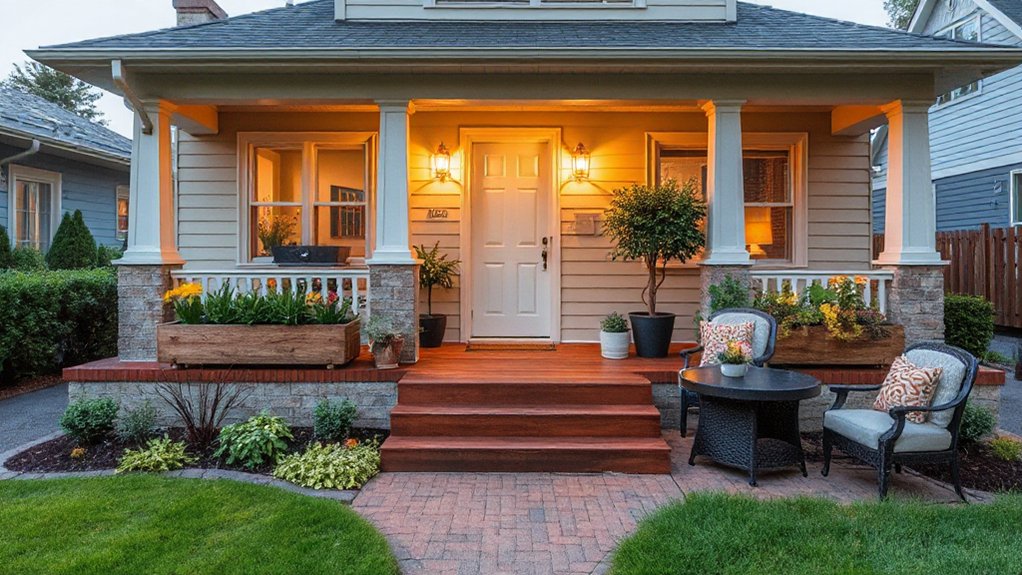
A polished curb appeal sets the tone for your bungalow and makes outdoor living feel inviting from day one. Start with a clean, cohesive façade: repaint shutters, refresh house numbers, and install subtle lighting along the path.
Focus on garden landscaping that complements your home’s architecture—defined borders, evergreen accents, and a focal plant or specimen tree.
Then craft outdoor zones that invite use: a compact dining area near the kitchen exit, a reading nook, and a flexible space for seasonal gatherings.
Select durable outdoor furniture with weather-resistant finishes and modular options that adapt to guests.
Add simple hardscaping, like stepping stones or a narrow patio, to connect entry to yard.
Keep clutter low; maintain sightlines for safety and elegance.
Smart Storage Tricks for Bungalow Layouts
As you optimize your bungalow’s footprint, smart storage can turn tight spaces into everyday assets. You’ll reclaim squirmy corners with clever organizers, modular units, and hidden compartments that feel effortless rather than gimmicky.
Prioritize multi-purpose pieces that blend with vintage decor, so storage never looks like an afterthought. Choose floating shelves, concealed cabinets, and under-bed drawers to keep surfaces clean and usable.
Integrate garden landscaping cues indoors—planter-height storage near entryways adds greenery while housing essentials. Keep traffic flowing by labeling zones, not items, and use pull-out solutions in tight closets for rapid access.
The result is a polished, uncluttered vibe that suits practical living and refined style.
- Multi-purpose furniture that hides clutter
- Hidden compartments in benches and beds
- Floating shelves paired with labeled baskets
- Under-bed and low-profile drawer systems
Era‑Respectful Finishes: Materials and Finishes for Bungalows
Choosing era‑respectful finishes isn’t about strict replication; it’s about material honesty that nods to a bungalow’s roots while delivering modern durability. You’ll choose finishes that honor proportion and texture: low-sheen woods, plaster-like walls, and brick accents that read timeless rather than fussy.
Opt for period‑accurate profiles in doors and trim, but pair them with stain and sealants designed for today’s wear and moisture resistance. For surfaces, favour timeless materials—hard-wearing tiles with subtle grout lines, granite or quartz counters, and durable, low‑maintenance flooring that ages gracefully.
Contrast is your friend: combine vintage charm with clean, contemporary joins, ensuring fast, easy maintenance. Prioritize finishes that age well, resist staining, and harmonize with light, ventilation, and built‑in storage.
Smart Tech and Energy Efficiency Upgrades
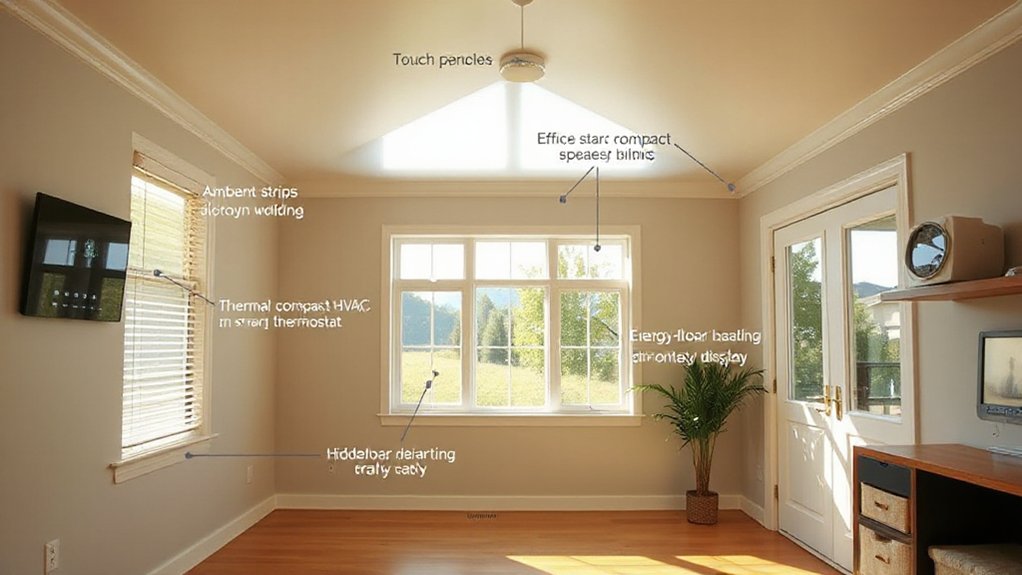
Smart tech and energy upgrades can modernize a bungalow without major overhaul, making daily living simpler and cheaper to run. You’ll cut waste, streamline control, and boost comfort with focused choices that fit a small footprint.
Start with scalable systems that don’t disrupt existing layouts, like smart thermostats, LED lighting, and energy monitors. Then layer in long-term savings through energy conservation.
Pair tech with garden landscaping tweaks that reduce heat gain and improve outdoor usability, which indirectly lowers cooling needs. Look for devices with clear returns on investment and easy integration.
Prioritize DIY-friendly upgrades to keep costs down, and choose components that work with one hub for seamless operation.
- Smart thermostat and zoning for precise comfort
- Energy-monitoring dashboards to track real-time use
- LED lighting and smart plugs for efficiency
- Weather-aware controls linked to garden landscaping and shading
Before‑and‑After Checklist: Validate Your Changes and Next Steps
After you’ve implemented changes, run a candid before-and-after review to anchor what worked and what didn’t. Use a tight checklist to compare outcomes against your goals for comfort, function, and style.
Note upgrades that improved daily living and ones that didn’t justify the cost or disruption. Assess historical preservation considerations and architectural authenticity—did you respect original materials, proportions, and detailing while gaining modern performance?
Document changes with photos and measurements, labeling each item as kept, modified, or replaced. Prioritize next steps: refine lighting scenes, adjust built‑ins, or reselect finishes.
Create a concise action plan with responsible owners, deadlines, and budget caps. End with a practical maintenance calendar to sustain your bungalow’s character without sacrificing current comfort.
Frequently Asked Questions
Can I Modernize a Bungalow Without Changing Its Exterior?
Yes, you can. You don’t need to alter the exterior to modernize effectively.
Focus on interior color schemes that brighten and harmonize spaces, and add smart home technology for convenience and efficiency.
Swap outdated fixtures, streamline storage, and choose sleek, space-saving furniture.
Use layered lighting to create depth, and incorporate natural textures for warmth.
Keep lines clean and cohesive so the bungalow feels contemporary, cohesive, and comfortably stylish inside.
Which Non-Structural Updates Add the Most Value?
Symbolism starts with curb appeal: you plant landscaping ideas that frame your home’s future.
Non-structural updates that add the most value include fresh interior decor—muted tones, updated lighting, and smart storage—because they change daily experience and perceived space.
Refresh kitchens and baths with hardware, counters, and fixtures.
Repaint walls in bright, timeless colors, swap polarizing accents for cohesion, and replace dated textiles.
You gain a modern feel without upheaval, while boosting resale appeal.
How Do I Prioritize Small-Space Improvements First?
You should start by prioritizing small-space improvements that give the biggest payoff. Plan furniture placement to maximize flow, keeping paths clear and sightlines open. Choose color schemes with light neutrals and accents to create perceived space.
Focus on multi-use pieces, mirror placement, and smart storage first. Tackle lighting tweaks next to brighten rooms.
Remember to test layouts with tape, then refine. This approach keeps your bungalow stylish, practical, and efficiently upgraded.
What Are Budget-Friendly Lighting Ideas for Bungalows?
You can boost ambience with budget-friendly lighting by choosing LED fixtures that save energy and sharpen visuals. Start with bright, dimmable LED fixtures in main living areas.
Then add pendant lighting over dining nooks to create focal points. Use warm white tones (2700–3000K) for coziness.
Install under-cabinet LEDs in kitchens and hallways for subtle guidance. Choose sleek, compact pendant lighting to avoid clutter while elevating style and practicality.
Are There Permits Required for Cosmetic Changes?
Yes, you usually need renovation permits for cosmetic changes, and building codes apply. Think of it like repainting a wall with a safety net: permits protect you.
I once renovated a kitchen island and learned the hard way that even cosmetic tweaks trigger inspections.
Check local building codes and submit permit applications before you start. If in doubt, visit your planning office; many towns offer quick guidance on permit requirements for non-structural updates.
Conclusion
You can modernize a bungalow without big upheaval, and without losing its charm. Think gentle upgrades that feel intentional, not flashy—smart lighting, warm colors, and durable finishes that age gracefully. A few well‑placed tech and storage tweaks can transform daily life, with energy savings to boot. If plans stall, reframe setbacks as refinements: a bit more time, a touch more polish, a smarter layout. The result? A timeless home that confidently embraces today.