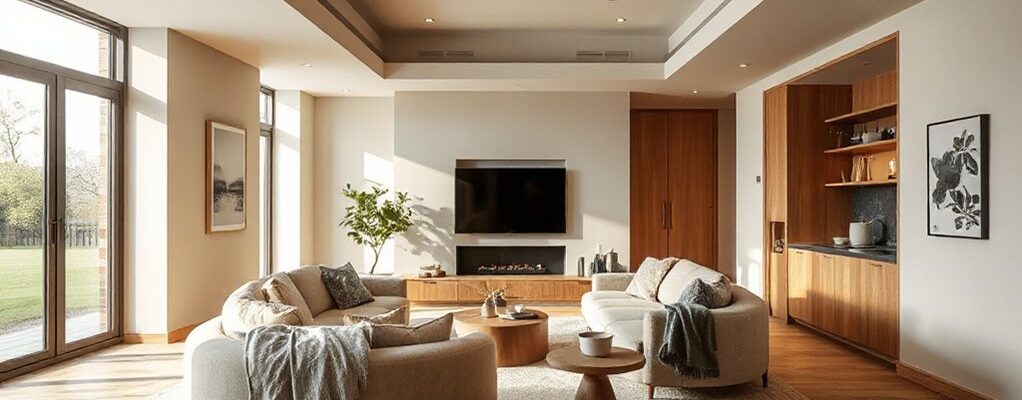
Like a blank page waiting for texture, your UK new-build can unfold with character you design. You’ll diagnose where boxes tighten the flow, then shape light, scale, and zones to breathe. We’ll swap rigid surfaces for layered materials, thoughtful lighting, and soft boundaries so spaces feel inviting, not boxed. Keep a collaborative pace as you test textures, colors, and DIY accents, and you’ll uncover the warmth hiding in plain architectural lines—but the end isn’t fixed yet. Let’s start shaping it together.
Diagnose the Boxy Plan: Identify Layout Bottlenecks
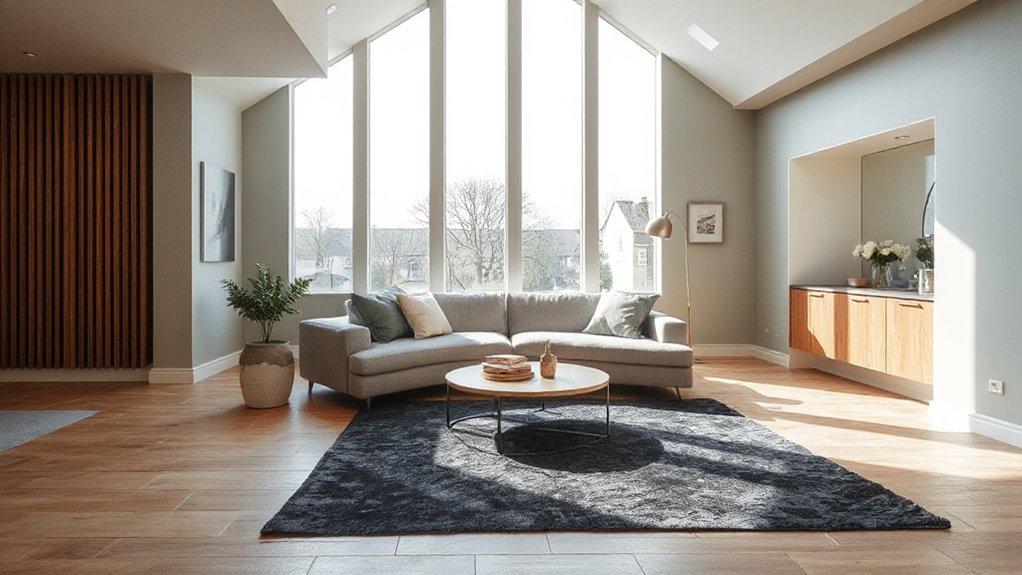
Start by mapping the boxy plan from a user’s-eye view: where do traffic flow naturally, and where does it stumble? You’ll chart pathways through rooms, noting awkward junctions, door swings, and dead ends that interrupt movement. This is layout analysis in motion, a diagnostic you perform with intention rather than guesswork. Observe how spaces relate to each other: is circulation efficient, or do you backtrack to reach everyday zones? Identify bottlenecks caused by fixed cores, furniture clusters, or mismatched proportions. Then imagine alternative paths—shorter routes, clearer sightlines, and boundary shifts that preserve function. Your goal: reveal opportunities for flow without compromising usability. Document findings with concrete metrics: widths, clear zones, and zones needing reallocation. Use these insights to guide space optimization while respecting structure and budget.
Let in Light With Smart Layout and Architectural Tweaks
You’ll explore how natural light can guide your layout decisions, shaping spaces through open sightlines and strategic openings. By prioritizing spatial routing for light, you’ll reveal how every corridor, doorway, and stair can carry daylight deeper into rooms. Let’s discuss concrete tweaks—like adjusting furniture placement, simplifying partitioning, and framing views—to maximize brightness without sacrificing function.
Maximizing Natural Light Design
Natural light is a design asset you can actively shape, not a passive consequence of placement. You’ll approach spaces as a team, mapping how daylight travels from dawn to dusk and how your choices sculpt mood. Begin with window placement as a collaborative constraint—sizes, angles, and setbacks determine glare, warmth, and focal points. Use daylight optimization to test plans in daylight simulations, noting where reflections soften corners or where shadows create drama. Prioritize verticals and glazing that minimize overheating while maximizing view lines and connection to outdoors. Introduce interior palettes and materials that respond to changing light, avoiding high-gloss surfaces that bounce harshly. Finally, align ceiling heights, skylights, and secondary openings to amplify brightness without sacrificing privacy or acoustics.
Spatial Routing For Light
Spatial routing shapes how light travels through a home, turning layout decisions into daylight outcomes. You design corridors, stairs, and rooms to channel sun paths, reducing glare while maximizing warmth and clarity. By aligning openings with seasonal shifts, you create a resilient glow that feels effortless. Thoughtful window placement guides daylight optimization, from low morning beams to high-evening silhouettes, without overtaxing heating needs. You coordinate black-out moments with soft, reflective surfaces that bounce light deeper, shaping ambiance and perception.
- Map sun arcs across your plan for steady daylight
- Place windows to frame key views and tasks
- Use insights from daylight modeling to inform wall ratios
- Nudge light with reflective finishes and ceiling height
- Integrate skylights or light wells to balance levels
Soften Edges With Texture, Color, and Materials
Texture, color, and materials are the tools you’ll use to soften edges in a UK new-build, creating warmth and tactility without compromising clean lines. You’ll orchestrate textural contrast across surfaces, pairing matte finishes with subtle sheen to reveal depth rather than glare. Layer natural fibers, tactile woods, and plush textiles to invite touch and movement, guiding attention softly along architectural contours. Introduce color accents through understated palettes—warm neutrals punctuated by deliberate, restrained hues—to emphasize form without overpowering geometry. Consider lighting plays that reveal texture: raked shadows on linen, gentle highlights on leather, and warm ambience near seating zones. Document how each element responds to scale, ensuring cohesion; your aim is a cohesive tactility that respects space, light, and proportion.
Create Zones That Feel Spacious and Defined
Creating zones that feel spacious and defined hinges on deliberate layout cues that seamlessly guide movement while preserving openness. You shape flow by defining Open floor segments without heavy barriers, letting sightlines and scale do the separating. Use soft boundaries—areas rug-defined, furniture grouping, and subtle height changes—to establish Multi use zones that breathe. Consider sightlines from entry to every key area, ensuring each zone reads as a purposeful destination rather than a hurdle. Balance is essential: keep pathways clear, but add warm, anchored anchors like consoles, screens, or shelving to ground each space. Details matter: mirror angles, corner nooks, and ceiling hints can expand perception. Collaborate with lighting, texture, and color to unify zones while preserving openness.
- Open floor cues that feel intentional
- Furniture groups that define, not hem in
- Soft boundaries over solid walls
- Multi use zones with flexible purpose
- Thoughtful lighting and texture cohesion
Pick Furniture That Fits, Then Layer Scale and Rhythm
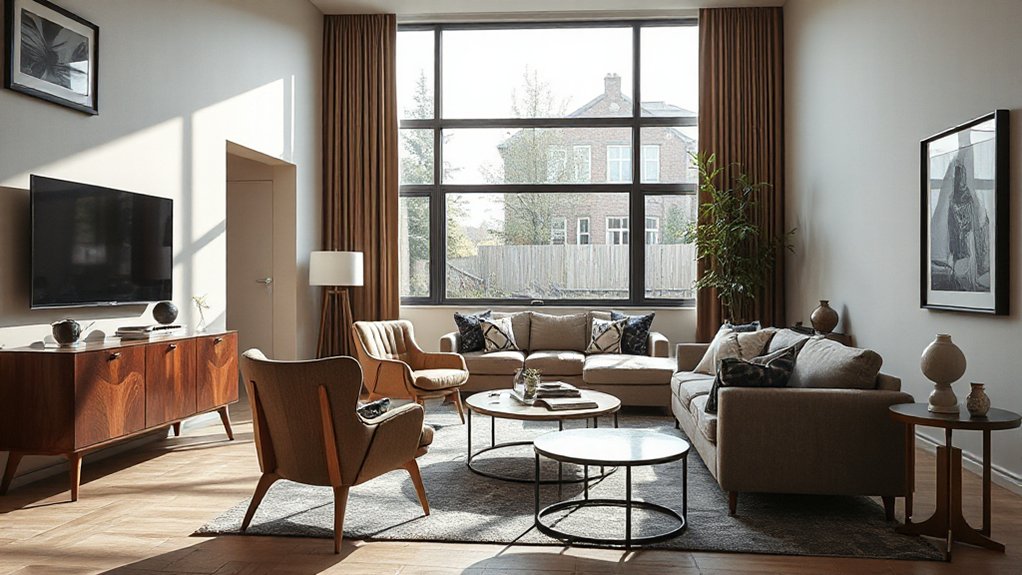
Start by choosing furniture that fits the space first, then layer in scale and rhythm so the room breathes. You’ll test furniture proportion against sightlines, doors, and zones, seeking a calm, cohesive flow. Place primary pieces where they anchor traffic and conversation, not merely fill gaps. Next, add mid-size and smaller items to create visual balance, avoiding crowding or skimpy gaps. Think in terms of furniture proportion across each zone, so each element supports the others without competing for attention. Use repetition and deliberate spacing to establish rhythm—align edges, repeat materials, and mirror tones. This collaborative approach keeps the room legible and flexible, ready to adapt as your ideas evolve. The result is a breathable, unified space that feels intentional, not forced.
Add Architectural Details That Read as Design
Hidden interior lines guide your eye without shouting, framing spaces with quiet precision. Textured surface details—think subtle tactile finishes, daylight-activated cloves of shadow—read as intentional design rather than decoration. You start the conversation here, identifying where these elements reinforce flow and coherence across ceilings, walls, and passages.
Hidden Interior Lines
Hidden interior lines can elevate a UK new-build by turning plain walls and ceilings into intentional design elements. You’ll see how subtle offsets, coving-inspired grooves, and purposeful joins guide the eye, creating a refined visual flow without overwhelming the space. Think in profiles, not patterns, so each line serves function and mood. Collaborate with carpenters to reveal how small recesses frame art, lights, and furniture, then align them with sightlines from key seating areas. By embracing restraint, you cultivate cohesion and rhythm across rooms, letting architecture inform tactility.
- Quiet insets that frame statements, not compete with them
- Seamless junctions that glow softly with concealed lighting
- Boolean recesses creating architectural “breathing space”
- Vertical lines breaking boxy ceilings without shouting
- Consistent line weight guiding movement through volumes
Textured Surface Details
Textured surface details translate texture into design intent, turning flat walls and ceilings into tactile storytellers. You collaborate with builders and suppliers to select craft-led options that read as architecture, not ornament. Focus on how texture guides perception of scale, light, and movement, so you can choreograph rooms that feel richer yet calm. Consider textured surfaces that catch natural daylight differently throughout the day, creating subtle shifts in mood. Pair tactile finishes with restrained palettes to prevent visual overload, using material depth to define zones without heavy framing. Integrate micro-patterns in plaster, timber, or ceramic to add nuance without clutter. Prioritize durability and maintenance, ensuring these details stay expressive over time. Your goal: honest texture that enhances function as much as form.
Use Lighting to Sculpt Space and Mood
Light shapes perception, so use lighting to carve zones, emphasize textures, and cue mood throughout your UK new-build. You sculpt space by layering light—functional tasks, soft ambient layers, and a curb on glare—to define flow without walls shouting “box.” Choose dimmable fixtures to adapt mood, from bright morning to hushed evening. Use directional accents to highlight grain, boundaries, and architectural angles, not just ceilings. Keep a cohesive palette of warm neutrals to harmonize shadows. Collaborate with natural daylight, shading, and furniture placement to reinforce spatial hierarchy.
- Mood lighting through adjustable warmth and intensity
- Ambient layers to anchor zones softly
- Task lighting for focused activities
- Hidden sources to avoid visual clutter
- Textural accents that catch and reflect light
Refresh Acoustics and Climate for Lived-In Comfort
Acoustics and climate shape how a home feels as you live in it, so start by identifying the quiet and the warmth you want across rooms and levels. You’ll approach each space as a system: walls, floors, and ceilings partner with furniture and fabrics to soften sound and regulate temperature. Consider acoustic treatment choices that preserve openness while dampening echo, like strategic rugs, ceiling panels, and soft-backed seating placed to break line-of-sight reflections. For climate control, map heat gain and loss by zoning zones for living, working, and sleeping areas, enabling targeted comfort rather than uniform temperature. Materials matter: breathable textiles, insulative glazing, and low-porosity cladding balance noise and temperature. Collaborate with occupants to test feel, refine patterns, and sustain a calm, comfortable home.
Personalize on a Budget With DIY Swaps
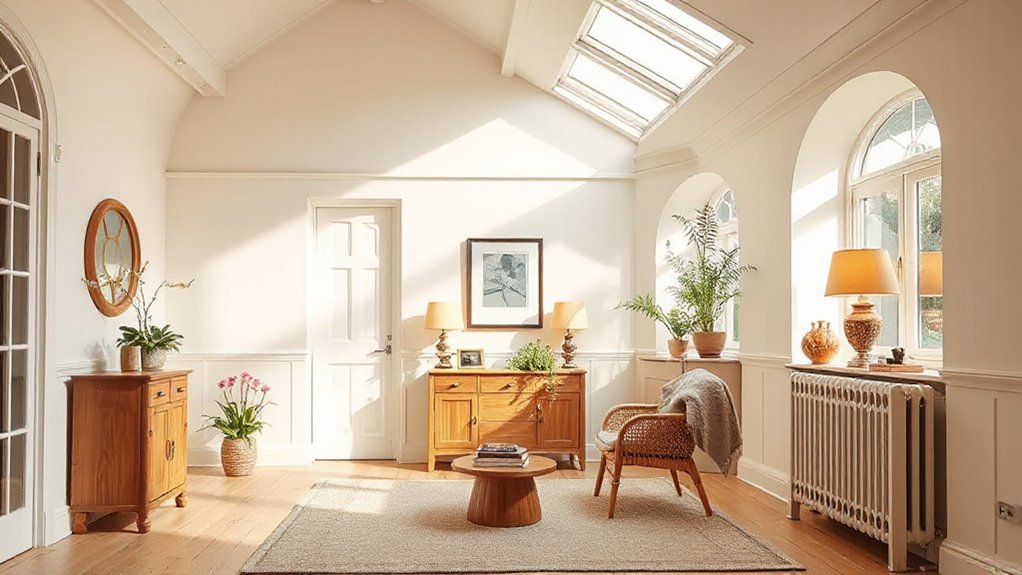
Moving from shaping a calm, climate-responsive shell to bringing personal character into your home doesn’t have to cost a fortune. You can harness DIY swaps to tailor spaces with intention, not expense. Approach each room as a project: swap small details, repurpose found items, and layer textures for depth. Focus on tactile, soulful touches—color, pattern, and scale—to transform the vibe without a full overhaul. Budget friendly decor is about discipline: choose a core palette, then accent with inexpensive, swap-ready pieces. DIY upgrade ideas thrive when you document your process, iterate, and share learnings with teammates in your home. Your collaboration yields precision, not pomp, as you reimagine storage, lighting, and display moments.
- Source thrifted or secondhand textures to reframe walls and textiles
- Label and organize zones with handmade, low-cost cues
- Refresh hardware and fixtures with simple swaps
- Create focal statements through curated, lightweight art
- Repaint with strategic color blocks to expand or ground rooms
Frequently Asked Questions
How Can I Identify Hidden Traffic Bottlenecks in a Boxy Plan?
You’ll identify hidden traffic bottlenecks by tracing traffic flow paths, noting pinch points, and testing with mock routes. Collaborate with teammates to map layout optimization opportunities, measure turnaround times, and iteratively adjust corridors, doors, and furnishings for smoother flow.
What Small Changes Boost Perceived Ceiling Height Instantly?
Draw the ceiling higher with a ceiling illusion and height tricks: paint walls a shade lighter than ceilings, keep trims slim, mirror edges, and align lighting. You collaborate, clarify textures, and apply detail-oriented steps for instant perceived height.
Which Materials Reduce Echo Without Heavy Renovation Costs?
You can reduce echo with acoustic panels and sound absorbing fabrics, pairing them thoughtfully in focal zones. You’ll collaborate with textures, calibrate spacing, and tune colors, creating a detailed, practical scheme that feels cohesive and responsive to your space.
How Do I Balance Open Spaces With Defined Zones Affordably?
Balance open spaces with defined zones by color contrast and purposeful furniture arrangement; you’ll delineate areas, guide traffic, and keep flow. You’ll layer textures, keep sightlines clear, and collaborate with light to enhance the rhythm and depth.
What Scale of Furniture Best Fits Compact UK New-Build Rooms?
You should choose compact, multi-functional furniture that preserves flow and scale in tight rooms. Focus on proportion, not size alone, and plan furniture arrangement thoughtfully; pair neutral color schemes with bold accent pieces to define zones subtly.
Conclusion
You’re shaping a home that feels anything but boxy, one thoughtful tweak at a time. By layering light, texture, and furniture, you create a fluid flow that invites discovery rather than rigidity. Collaborate with color, material contrasts, and DIY touches to build warmth and personality—each detail sharpening spatial depth. This isn’t just decor; it’s a living blueprint. Stay bold, stay curious, and watch your spaces breathe—like a cathedral, but cozier and more you. Your house becomes an epic, not a box. Hyperbole? absolutely.