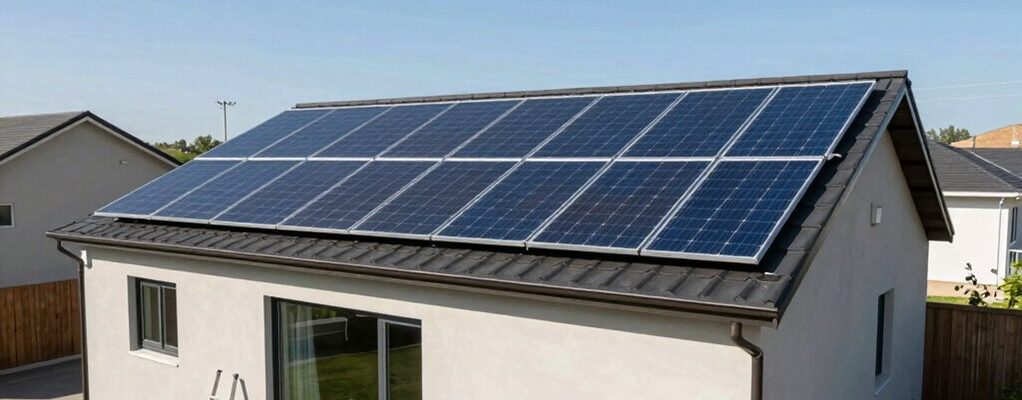
Is your home “solar ready” for a system? Start by checking your roof: it should be solid, well-placed, and free of major damage, with a clear path for wiring and room to grow. Consider orientation and shading—south-facing or well-spaced east–west roofs perform best, with minimal shadows. Make certain your electrical panel can handle backfeed and that there’s space for wiring and safety clearances. If all this checks out, you’re closer to solar—and there’s more to learn ahead.
Is Your Roof Ready for Solar? Quick Feasibility Checks
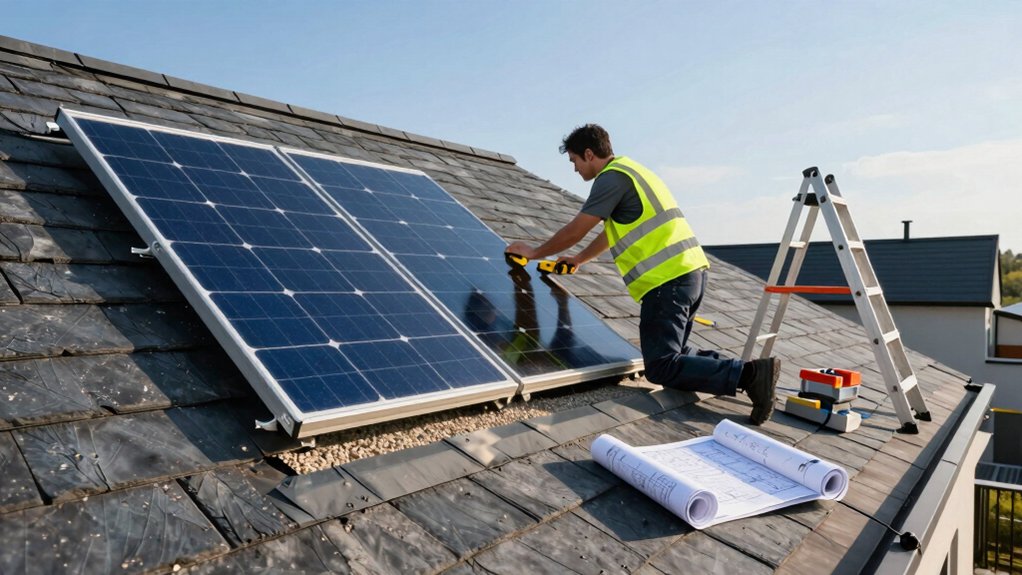
Want to know if your roof can support solar? You’re in the right place. Quick feasibility checks save time, money, and doubt.
First, identify your roof type and condition. Concrete, metal, asphalt, and tiles each have pros and constraints for mounting, wiring, and long-term performance.
Next, assess roof material considerations: load capacity, age, warranty implications, and compatibility with mounting systems. If you’re replacing or upgrading, plan for sturdy attachments and drainage.
Examine shading and orientation later, but keep this focused on feasibility now.
Learn the basics of solar panel types you might consider, so you choose a system that fits your roof and budget.
With these checks, you’ll know your next steps and feel confident joining the solar-ready community.
How Roof Orientation and Shading Affect Solar Output
Your roof’s orientation sets the baseline for solar output, with south-facing exposures delivering the strongest, most consistent production in the Northern Hemisphere.
Shading from trees, chimneys, or nearby structures can dramatically reduce energy this system would otherwise capture, so layout and siting matter as much as panel type.
Start by evaluating orientation and potential shade at peak sun to guide placement, tilt, and recommended system size for reliable performance.
Roof Orientation Impact
Roof orientation and shading directly shape solar output. You’ll maximize performance by aligning panels to capture peak sun, especially during high-demand hours. In practical terms, an ideal south-facing slope or its equivalent in your hemisphere yields the strongest baseline, while minor east–west tilts can still be effective with careful spacing.
You’ll want minimal obstructions—trees, vents, or chimneys—that create shade during peak sun. Plan for seasonal variation, adopting a tilt that balances winter gains with summer exposure.
Consider solar panel technology options that suit your roof’s pitch and orientation, including microinverters or optimizers to reduce shading penalties. Also review roof material considerations to ensure quick, durable installation and reliable grounding, wiring, and long‑term performance.
This clarity helps you feel confident in choosing a fitting system.
Shading Effects On Output
Shading dramatically alters solar output, so you should map potential obstructions and adjust placement accordingly. You’ll see that even small overhangs, nearby trees, or neighboring buildings can create inconsistent production.
Track shading patterns across seasons and angles, then choose panel locations with the fewest shadowed hours. Prioritize higher, unobstructed rows and consider microinverters or power optimizers to mitigate partial shading.
This matters for solar panel efficiency, since shaded cells drag down overall performance more than you’d expect. If shading is unavoidable, trim or relocate shading sources or install selective tilt adjustments to maximize sun exposure.
Can Your Electrical System Handle Solar? Capacity and Panel Fit
Before adding solar, you’ll verify your electrical capacity and confirm there’s room for the panel fit.
We’ll outline how to check service size, panel amperage, and main breaker limits while evaluating available space for the inverter and wiring routes.
This focused check helps you avoid overloading the system and guides you toward safe, compliant upgrades.
Electrical Capacity Check
Ensuring your home’s electrical system can handle solar starts with a straightforward capacity check: determine your service size, panel amperage, and available space for additional breakers, then verify that your main panel and conduit routes meet local codes.
You’ll confirm that the service rating can accommodate solar backfeed and that panel spaces aren’t blocked by legacy circuits. Assess conduit routing to avoid sharp bends and ensure proper grounding, making sure you can safely run a DC disconnect and AC interconnection.
Consider grid integration implications and how any existing energy storage integrates with your service. A clear plan reduces surprises, accelerates permitting, and keeps you aligned with neighbors who value reliability, safety, and a shared sense of belonging.
Panel Fit Considerations
Panel fit isn’t just about size; it’s about how your existing panel, spaces, and backfeed path align with solar. You’ll assess busbar capacity, allowable overcurrent protection, and whether your main breaker can handle a backfed breaker.
If you have spare space, mounting options include interior surface, flush, or armored routes that minimize length and maximize safety. Consider panel enclosure height, knockouts, and accessibility for maintenance.
Evaluate feeder gauge compatibility and potential derating with multiple circuits, so you don’t overload circuits or void warranties.
When in doubt, consult a licensed electrician for a panel fit check and a practical layout. A well-meshed plan preserves reliability, reduces retrofit costs, and helps you feel part of a forward-thinking, solar-ready community.
panel fit, mounting options.
Inspecting Roof Condition: What Maintenance Might Be Needed
Inspecting roof condition starts with a clear, systematic check: look for missing or curled shingles, cracked sealants, and obvious signs of wear along edges and valleys. You’ll want to assess overall condition quickly and document needed improvements to stay solar-ready.
- Inspect roof material for curling, granule loss, or loose patches, and note any warped areas that could leak.
- Check gutter maintenance: clear debris, ensure downspouts flow freely, and confirm gutters are attached and pitched to drain water away from the roof.
- Identify vulnerable zones—valleys, flashing, and penetrations—and plan targeted repairs or professional help if you see rust, rust streaks, or sealant failure.
A proactive approach keeps your structure sound and supports efficient solar performance.
Local Incentives, Permits, and Financing Options for Solar
What local incentives, permits, and financing options fit your solar project, and how can you navigate them quickly and confidently? You’ll start by identifying available local incentives in your area, then verify eligibility and deadlines so nothing slips through the cracks.
Permits are a map, not a maze: gather required documents, submit early, and track progress for swift approval.
Financing options come in clear choices—tax credits, rebates, and low-interest loans—so you can compare total costs, payback, and monthly impact.
Seek a trusted installer or municipal guide to streamline steps, and keep records organized for audits or future upgrades.
Next Steps: Quick DIY Checks and When to Call a Pro
Now that you know the incentives, permits, and financing options, it’s time to map out quick DIY checks and know when to call a pro. You’ll gain confidence by inspecting basics like roof condition, shading, and wiring accessibility.
Focus on solar panel types and inverter options to guarantee compatibility with your home’s needs and budget, while keeping safety at the forefront.
1) Conduct a visual roof and mounting check for signs of damage or material wear, and verify that panel layout minimizes shade during peak sun.
2) Assess electrical readiness—verify service panel capacity, proper conduit routing, and inverter choice that matches your system size.
3) Test performance benchmarks with a simple monthly monitor, and know when to call a pro for electrical, structural, or warranty concerns.
Frequently Asked Questions
How Does Roof Warranty Affect Solar Installation Eligibility?
The roof warranty typically doesn’t bar solar; it’ll trigger if improper installation causes damage. Make sure solar compatibility with your existing warranty terms, and coordinate with the provider to avoid voiding coverage while you gain cleaner energy.
Can Trees Be Trimmed Without Affecting Property Value?
Tree pruning can be done without harming property value; it minimizes risk and preserves aesthetics. You’ll maintain healthy trees and curb appeal, with careful pruning supporting property impact positively and helping you feel secure in your investment.
What Is the Typical Timeline From Permit to Installation?
You’ll typically face a permit process of 2–6 weeks, then installation timeline spans 1–3 days once approved, so you’ll feel confident knowing your system won’t drag out, and you’ll belong as you power your home efficiently.
Do Renters Need Landlord Approval for Solar?
Yes, you typically need landlord approval for solar on rental properties. Coordinate with your landlord, present a clear plan, and guarantee the lease allows solar installations. This builds trust, keeps you compliant, and speeds up the process.
How Do Inverters Affect Maintenance Intervals and Noise?
Inverter maintenance tends to extend system life by 20–30%; you’ll notice smoother operation. You’ll reduce inverter noise by choosing quality components and proper placement. Regular checks guarantee peak performance, reliability, and peace of mind for your solar-powered home.