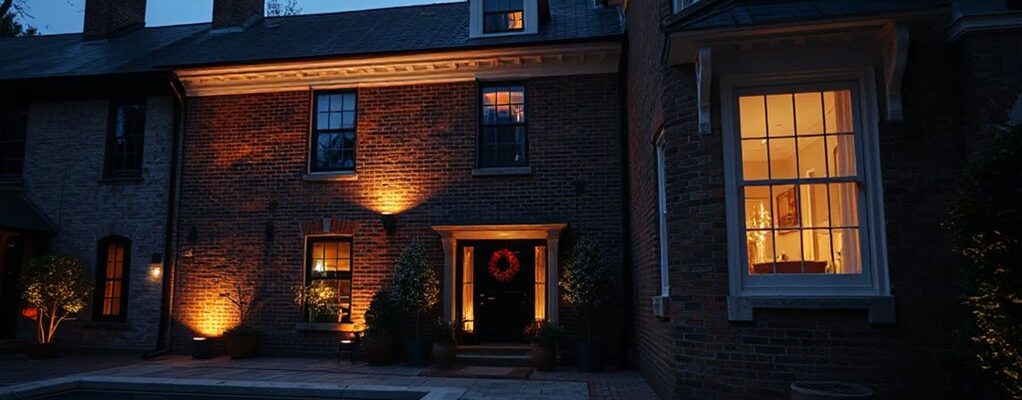
You’re about to bring smart lighting into an older townhouse—careful planning, solid wiring checks, and the right fixtures will keep the charm while you gain control. Start by mapping circuits, grounding, and panel compatibility, then choose dimmable bulbs, discreet switches, and a scalable hub that fits vintage aesthetics. Install in stages, document every step, and partner with a licensed electrician to stay code-compliant. The next step reveals how to balance safety with seamless, future-ready lighting.
Key Takeaways
- Assess existing wiring and panels for safety, compatibility, and necessary upgrades before adding smart lighting.
- Choose dimmable, color-accurate LEDs and compatible switches that work with your historic home’s fixtures.
- Use a centralized hub that supports your devices and fits the home’s size and existing infrastructure.
- Install in phases, starting with essential rooms, and label zones for predictable control and future upgrades.
- Plan routes that protect plaster and woodwork, document changes, and ensure code-compliant installations with a licensed electrician.
Assess Your Townhouse Wiring: A Quick, Safe Starter
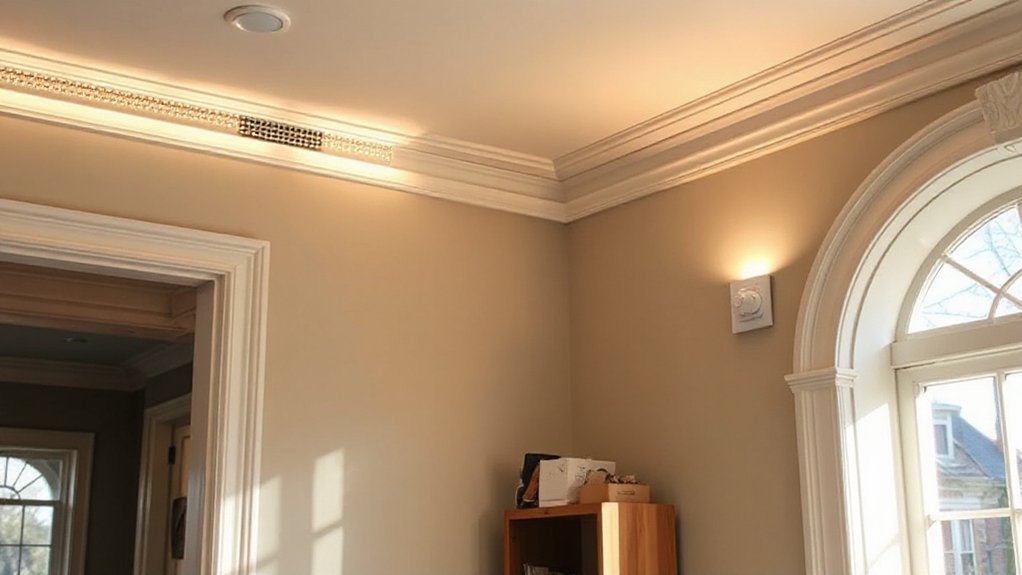
Before you start adding smart lighting, take a quick, safe look at your townhouse’s wiring. You’ll want a clear sense of overall condition before you proceed. Begin by inspecting accessible panels for signs of corrosion, scorching, or loose lugs, and note any odd smells or buzzing.
Check the main breaker’s amperage to confirm it matches newer devices you plan to install, and verify grounding is intact. If you find outdated components, plan electrical upgrades or consult a licensed pro before any load increases.
Map the circuit layout, labeling each room and outlet, so you know where you can place smart devices without overloading. If you have vintage fixtures, assess their compatibility with modern controls and avoid reversing essential functions during integration.
Prioritize safety, then consider professional help for complex rewiring.
Smart Lighting Essentials for Historic Homes: Bulbs, Switches, Hubs
Smart lighting in historic homes hinges on choosing bulbs, switches, and hubs that respect older wiring while delivering reliable control. You’ll balance compatibility, brightness, and warmth to preserve character and avoid rewiring surprises.
Start with smart bulb options that match existing fixtures and dimming needs, focusing on color temperature that complements architectural details. Check switch compatibility before you buy—many smart switches require neutral wires or specific load ratings.
Choose a hub that supports your devices and your home’s footprint, ensuring consistent response across rooms. Install in stages, testing each connection for flicker or delay, and keep a simple labeling system for rooms and scenes.
- Thoughtful compatibility for each switch and bulb creates seamless ambience you can trust
- Clear, reliable control without complicated rewiring or surprises
- Tuned lighting that honors historic charm while modernizing usability
Budgeting Your Upgrade: Costs, Tradeoffs, and ROI
Upfront budgeting sets the tone for a smooth upgrade: you’ll balance upfront costs with long-term savings and ROI, so you don’t trip over unexpected expenses. You’ll itemize a realistic scope: fixtures, controls, hubs, and professional installation if needed.
Compare LED options by lumen output, dimming quality, and compatibility with existing switches, prioritizing energy efficiency.
Estimate payback by calculating annual energy savings and maintenance costs versus purchase and labor.
Consider tradeoffs: higher upfront for better aesthetics or longer lifespans, and potential future upgrades.
Plan in phases to align with cash flow while preserving consistency of light quality.
Track ROI by measuring energy reductions and improved comfort through automation.
Energy efficiency and aesthetic enhancement together drive lasting value and smarter living.
Safe Wiring and Code Basics for Old Houses
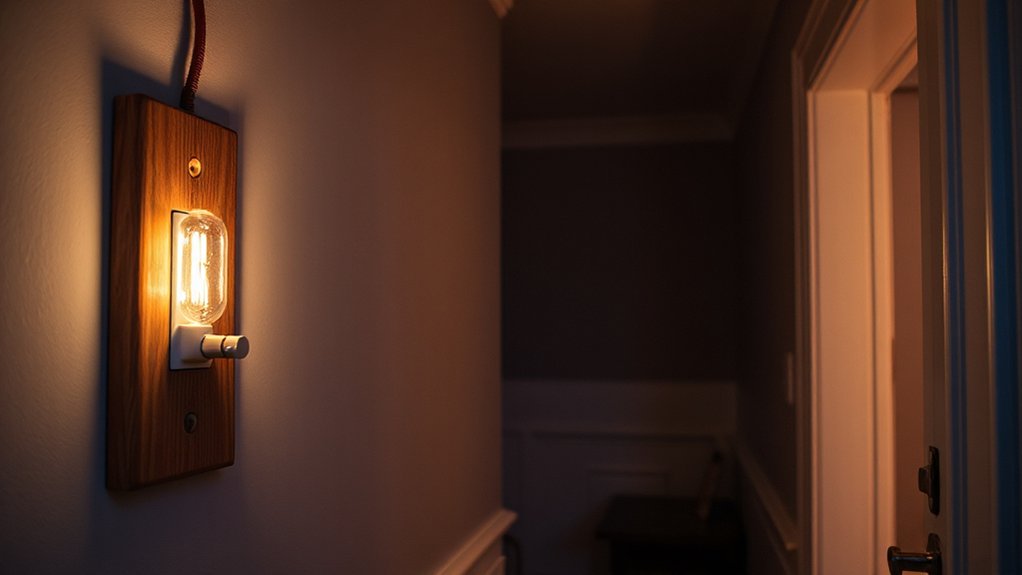
When wiring an old house, you’ll want a clear, practical plan that respects existing constraints while meeting modern safety standards. You’ll assess outdated panels, knob-and-tall fuse systems, and hidden conductors, prioritizing a code-compliant path that minimizes invasiveness.
Install GFCI/AFCI protections where required, and upgrade grounding, with careful coordination for shared neutrals. Choose modern, compatible switches and outlets that honor historical preservation and aesthetic considerations, using low-profile devices where possible.
Plan routing to preserve plaster, woodwork, and plaster lath, and document changes for future maintenance. Work with licensed electricians to verify local codes, permit requirements, and inspection checkpoints.
Prioritize safety, reliability, and minimal disruption to character, so smart lighting integrates without compromising heritage.
- You’ll feel confident that safety and style coexist, not compete.
- You’ll reduce risk while honoring the home’s history.
- You’ll set a responsible foundation for future upgrades.
Install, Integrate, and Future-Proof Your Historic Smart Lighting Plan
You’ll start by outlining a practical, mover-friendly plan that fits your historic townhouse while embracing modern lighting tech. Begin with a centralized lighting map that marks key zones, switches, and outlets, then select scalable fixtures that preserve historic aesthetics.
Choose wireless control solutions with robust encryption and reliable hubs to minimize wiring changes. Prioritize dimmable, color-tunable LEDs for mood and task lighting, and pair them with wall-mounted or recessed fixtures that blend with plaster and wood trim.
Create a phased integration schedule: retrofit essential rooms first, then extend to hallways and outdoor spaces. Use smart plugs for legacy lamps, and document every change for future-proofing.
Maintain compatibility with future standards, and test routines regularly to prevent drift in performance or control.
Frequently Asked Questions
How Can I Minimize Wiring Changes in a Listed or Landmarked Townhouse?
Yes—minimize wiring changes by choosing wireless integration and plug-in solutions. You can deploy battery- or USB-powered smart bulbs and plug-in dimmers to avoid wall work.
Use smart plugs near existing fixtures to control lamps, fans, or porch lights.
Opt for hubs that support scenes and schedules, then place sensors unobtrusively.
Reuse existing switches with smart covers where possible.
Confirm compatibility with your building’s historic fabric and document for approvals.
Are There Color Temperature Limits for Historic Interiors and Lighting?
Yes, there are color temperature considerations for historic interiors. You’ll want to stay within about 2700–3000K for a warm, historically sympathetic glow. Avoid stark blues or ultra-cool whites that clash with original finishes.
Check color compatibility with period fixtures and finishes, and consider dimmable LED options.
Also review Lighting regulation requirements and any HOA or local preservation guidelines, since some communities restrict brightness or color choices in protected spaces.
Always document changes for compliance and future upkeep.
What Are the Best Low-Voltage Options for Old Electrical Panels?
Most older panels handle low-voltage options poorly; about 60% of retrofits fail only at the first connection.
For best results, choose wireless dimming devices designed for low current and verify voltage compatibility before buying.
Look for products labeled for 12V or 24V systems, with recognized adapters if your panel differs.
Make certain of proper isolation and use a transformer that matches your load.
Test gradually, monitor heat, and keep spare fuses handy.
How Do I Preserve Original Fixtures While Adding Smart Control?
You can preserve original fixtures by using smart bulbs with compatible base types and keeping the existing hardware intact. Check Smart bulb compatibility with your sockets, then choose wireless control options that don’t require rewiring.
Use inline adapters or retrofit modules only where needed, and maintain dimming with compatible bulbs. Document wiring limits, and test each fixture.
With careful selection, you get seamless control while retaining character and functionality.
Can I Retrofit Without Tripping Home Insurance or Permits?
Yes, you can retrofit without tripping insurance or permits by sticking to non-invasive methods and documenting compliance.
Start with smart bulbs in place of compatible, existing fixtures, ensuring Smart bulb compatibility with your bulbs and switches.
Use Wireless control options that don’t alter wiring.
Keep originals intact, and avoid adding new, high-voltage work.
Check insurer’s requirements, keep receipts, and choose reputable, code-adherent devices for a practical, timeless setup.
Conclusion
Smart lighting in an old townhouse is a measured upgrade, not a renovation sprint. Start small, document every change, and keep a clear line to a licensed electrician for safety and code compliance. Think modular: bulbs, switches, hubs that can grow with you without disturbing historic charm. It’s a marathon, not a sprint—each staged improvement adds value and reliability. The payoff? A brighter, safer home that respects the past while embracing the future—like wiring a quiet lighthouse for modern living.