
Like a well-sealed envelope, your new-build should guard value from the start. You’ll want a plan that prioritizes high-impact upgrades, sensible budgeting, and durable fixes that save money over time. Focus on efficient HVAC, solid insulation, and future-proof wiring, then time purchases to sales and off-peak seasons. Stay disciplined, document decisions, and avoid scope creep so you don’t unwind the gains. The next step lays out how to choose wisely and keep costs in check.
Prioritize Upgrades That Deliver the Most Value
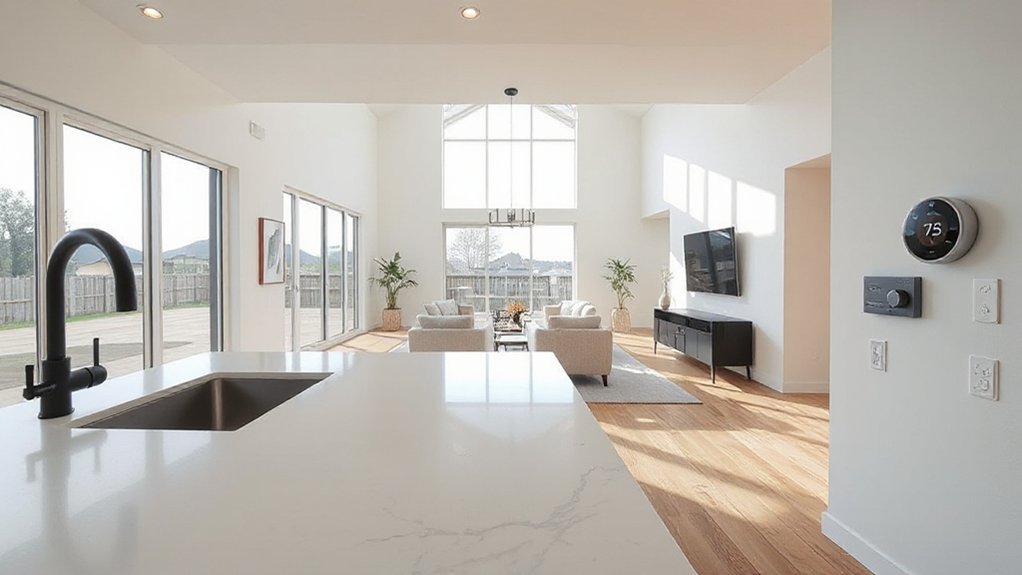
When you’re upgrading a new-build home, focus on upgrades that add real value rather than flashy features. You’ll get the most mileage by prioritizing improvements that enhance durability, efficiency, and daily comfort.
Begin with material selection choices that stand up to reno wear and time, like solid core doors, durable countertops, and moisture-resistant flooring in high-traffic zones.
Next, align upgrades with current Design trends that also endure, avoiding fads that’ll age poorly. Choose timeless finishes—neutral palettes, quality cabinets, and reliable insulation—so you don’t pay twice.
Consider ROI-focused improvements such as better lighting, smart thermostats, and efficient HVAC components.
Don’t chase every trend; verify each option’s impact on resale value and energy bills, and pick textures and systems you’ll appreciate daily.
Prioritizing value keeps your project practical and future-ready.
Set a Realistic Budget and Decide What Matters Most
Setting a realistic budget and deciding what matters most means sorting needs from wants and sticking to a plan you can actually follow. You’ll map priorities early, then allocate dollars to essentials before the extras.
Start with a clear baseline: total available funds, contingency, and a timeline aligned to Construction phases.
Clarify which upgrades matter most to daily living, energy efficiency, and resale value, and reserve flexibility for surprises.
Track costs weekly and adjust as prices shift, never chasing prestige over practicality.
Material selection should balance durability, maintenance, and long-term savings, not just initial wow.
Use a phased approach: essentials first, then value-adds that don’t derail your schedule.
This disciplined method keeps you in control while you upgrade a new-build with confidence.
Choose Finishes That Read Premium on a Budget
You can make finishes feel premium without blowing your budget by focusing on surface impact over cost. To read as upscale, choose finishes that maximize perception, not just price.
Start with foundational surfaces—paint, tile, and cabinetry—with restrained colorways and clean lines.
Add luxury fixtures in key zones like the kitchen and bath to elevate the space without a full remodel.
Opt for large-format tiles to minimize grout lines and create a seamless look.
Introduce designer accents through hardware, lighting, and mirrors rather than full-scale replacements.
Pay attention to textures: matte finishes with subtle sheen read richer than high-gloss.
Balance warmth with cool undertones to avoid clinical vibes.
Invest in a few statement pieces, and let cohesive detailing sell the premium feel.
Plan the Core Layout Before Finishes
Before picking finishes, lock in a practical core layout that supports everyday use and future flexibility. You’ll want clear zones for cooking, dining, and living, with workflows that minimize wasted steps. Place the kitchen near the dining area and create sight lines to the living room to maximize openness without sacrificing function.
Think about storage in all the daily hubs—pantry, mudroom, and linen closets—so you don’t overbuy finishes later. Consider ceiling heights, door swings, and traffic patterns to prevent cramped hallways.
Plan electrical needs upfront, including interior lighting placement and switches, so you don’t retrofit later. Also map landscaping design from day one to ensure exterior lighting, entry visibility, and outdoor furniture align with your fundamental flow.
This foundation saves time, money, and rework.
Time Purchases Strategically to Maximize Value
Strategically timing purchases pays off by aligning spend with real needs and seasonal incentives, not impulse. You’ll boost value by planning around timing considerations, not guesswork, and by spacing big buys to catch sales without slowing your project.
Start with essentials first, then map nonessential upgrades to off-peak demand periods when suppliers offer discounts or free add-ons. Track model or finish cycles in your area—new colors or appliances often rotate quarterly, creating predictable price dips.
When a sale aligns with a critical deadline, take advantage, but avoid stockpiling items you’ll later replace. Use price tracking tools and reputable retailers to verify genuine markdowns.
Align purchase timing with your budget cadence, ensuring each item contributes real utility and long-term satisfaction rather than fleeting appeal.
Negotiate With Your Builder Without Sacrificing Quality
Negotiating with your builder without sacrificing quality starts with clear priorities and a shared plan. You should outline must-haves vs. nice-to-haves and tie decisions to your budget and timeline.
Start with a transparent scope, then request itemized bids to expose where costs creep in. Use contract negotiations to lock in price certainty on core elements, and set expectations for substitutions that preserve performance.
When evaluating alternatives, compare long-term value, not just upfront prices. For material sourcing, ask about reputable suppliers, lead times, and warranty terms, and verify that proposed materials meet your performance standards.
Maintain open dialogue, document decisions, and avoid changelists that derail your schedule. Stay disciplined, ask for trade-offs, and preserve quality through precise, evidence-based negotiations.
Protect Your Investment With Warranties and System Upgrades
Protecting your investment starts with solid warranties and smart system upgrades you control up front. You’ll want to prioritize the strongest warranties, upgrade essential systems now, and keep records handy for future claims or resale.
Start by identifying what’s covered, what isn’t, and where you can add value without overspending.
Warranties Matter Most
Warranties are your safety net after a big investment, so start strong by choosing builders and products with solid coverage and clear terms. You’ll protect your dollar and ease future decisions when you confirm warranty details early.
Look for coverage that aligns with real-world risks, including materials, workmanship, and structural components, and ask for written timelines and contact points.
Warranty importance isn’t just a badge; it’s a plan for accountability and fast problem resolution.
Favor builders who provide proactive communication—regular updates, clear claim procedures, and documented change orders.
Keep a centralized record of all warranties, receipts, and service visits so you can reference them quickly.
If something fails, you’ll rely on builder communication to guide repair logistics and minimize disruption.
Upgrade Essential Systems
Upgrading essential systems is a smart move to safeguard your investment, especially when you pair it with solid warranties and clear installation timelines. Start with a plan for core components: heating, cooling, electrical load, plumbing, and a simple home automation backbone that scales.
Prioritize energy efficient appliances and high-efficiency HVAC units to trim ongoing costs without sacrificing comfort. Choose components that fit your home’s layout and future needs, and verify compatibility with existing wiring, panels, and gas lines.
Read warranty terms carefully and document service intervals. Hire licensed pros for installations that affect safety and energy performance, and request written schedules.
Track performance after completion to ensure you’re realizing expected savings and reliability from your upgraded systems.
Protect Investment Now
Smart planning now helps you lock in value, so you’ll avoid surprises later. Protecting your investment starts with solid warranties and smart system upgrades. Check builder warranties for coverage on structure, roofing, plumbing, and electrical work, and extend where sensible with reputable third-party plans.
Prioritize updates that save money long term, like high-efficiency HVAC, smart thermostats, and durable appliances. When choosing landscaping design, consider drought-resilient plants and low-water irrigation to reduce upkeep costs.
For interior spaces, selective upgrades in lighting and fixtures can cut energy use and improve appeal without overhauling rooms. Make sure you document maintenance, keep receipts, and schedule seasonal service checks.
A clear plan now means fewer costly fixes and a stronger resale position later.
Future-Proof Essentials: Electrical, Tech, and Insulation on a Budget
Start by prioritizing electrical upgrades that scale with your needs and budget, like discreet outlets, efficient circuits, and smart-load planning.
Then map tech integrations—Wi‑Fi coverage, network gear, and future-ready wiring—that won’t require costly rewiring later.
Finally, choose insulation and thermal upgrades that cut long-term energy use while staying affordable.
Electrical Upgrades Budgeting
If you’re budgeting for electrical upgrades in a new build, plan for future-proof basics that won’t break the bank: solid wiring, additional outlets in key rooms, and accessible data and charging points.
Start with a clear circuit plan that prioritizes essential loads and room layouts, so you don’t pay later for retrofits.
Factor in extra capacity for growth—duplex outlets in living areas, USB outlets in bedrooms, and robust data ports in the study.
Consider centralized lighting design that maximizes efficiency while keeping options open for smart controls.
Allocate a contingency for unforeseen needs and permit fees.
Prioritize electrical safety with proper grounding and AFCI/GFCI protection.
With disciplined budgeting, you’ll enjoy reliable power, safer spaces, and future-ready convenience without overspending.
Tech Integration Essentials
Tech integration today isn’t about chasing every new gadget; it’s about building a flexible backbone that supports them. You’ll plan around a robust network, centralized power, and future-ready wiring so upgrades don’t derail budgets.
Start with a solid smart home foundation: a reliable Wi‑Fi mesh, a controllable hub, and clearly labeled star-quad cables for ethernet and future upgrades. Prioritize IoT integration at the design stage, choosing standards that last—like future-proof USB‑C and modular outlets.
Consider surge protection and proper grounding to protect devices and data. Use energy‑efficient devices and software that scales with your needs, not trends.
Document locations for access points, switches, and sensors. With thoughtful placement and budget-conscious choices, you gain seamless control, faster troubleshooting, and real, long‑term value.
Create a Timeless Look: Cohesive Design on a Budget
Creating a timeless look on a budget means prioritizing cohesion over fads. You’ll achieve this by grounding your space in a simple, unified color palette and repeating key materials across rooms. Choose two or three core finishes—like warm wood, matte black metal, and soft white walls—and carry them through furniture, lighting, and textiles for design harmony.
Prioritize quality over quantity: invest in a few durable pieces you love, and mix in budget-friendly accents to refresh periodically. Opt for classic silhouettes with clean lines that won’t feel dated, and pair natural textures (linen, wool, jute) to add warmth.
Map a cohesive plan before buying, and avoid trendy detours. With intentional choices, you’ll enjoy timeless elegance without overspending.
Common Budget Pitfalls and Quick Recovery Tactics
Common budgeting missteps tend to derail projects fast, but you can dodge them with a clear plan and quick fixes. You’ll start with a proactive cost analysis up front, listing must-haves versus nice-to-haves, and assign realistic price ranges.
Track every change order; in practice, even small adjustments compound quickly. When you’re negotiating, prioritize contractor negotiations that secure fixed-price or capped-cost options, and request transparent itemization so you can spot overruns early.
Set milestones tied to payments to maintain momentum without inflating costs. Reserve a contingency equal to 5–10% of the budget for unforeseen issues, then reallocate if a genuine need arises.
Finally, document decisions in writing to prevent scope creep and preserve accountability for every dollar spent.
Frequently Asked Questions
How Can I Identify Upgrades With the Best ROI for Resale?
You’ll focus on second-person ROI by prioritizing design trends that boost appeal and smart technology that saves money. Opt for timeless finishes, durable upgrades, and scalable systems, ensuring easy resale while avoiding trendy overhauls.
What Hidden Costs Typically Derail a New-Build Budget?
Hidden costs often derail a budget: site prep overruns, permits, utilities, and change orders. You’ll guard it by accurate quotes, contingency, and phased buys. Consider Furniture selection and Landscaping design to balance value and appeal without surprises.
Which Finishes Look Premium but Cost Less Than High-End Options?
You can get premium looks with affordable options like luxury fixtures and custom cabinetry, which fool no one, yet save thousands. You’ll notice high-end vibes without the price tag, adopting practical upgrades that elevates your space today.
How Early Should I Lock in Materials to Avoid Price Spikes?
Lock materials early to beat spikes—you should act now. Use material timing to lock in pricing and protect your budget. Rely on price forecasting reports and documented schedules to plan purchases and avoid surprises.
What Trade-Offs Are Acceptable to Stay on Budget Without Quality Loss?
You should accept trade-offs that save costs without sacrificing core quality. For example, prioritize energy efficiency upgrades and smart home features that yield long-term savings, rather than premium finishes. Energy efficiency, Smart home reduce bills and boost resale value.
Conclusion
You can’t overstate this: spend smart, not; overbuild later. Prioritize game-changing upgrades—efficient HVAC, solid insulation, future-proof wiring—and pair them with a realistic plan and tight budget. Shop sales, lock in warranties, and avoid scope creep like a magnet. Plan the layout first, pick timeless finishes, and you’ll witness a transformation that feels like a million while you actually saved thousands. Stay disciplined, document every choice, and watch your new-build become nothing short of legendary value. You’ve got this.