
If you’re surprised how often a rail stop coincides with the best price per square foot, you’re not alone in Swindon’s market—transport links consistently lift value. You’ll find steady demand for three-bedroom family homes near schools, green spaces, and amenities, with affordable financing supporting steady growth. Prices have stayed resilient this year, yet neighborhoods on the cusp of new developments offer compelling upside. Want practical negotiation tactics and future-proofing ideas as you weigh options? Let’s weigh the data together.
What Swindon Buyers Want Right Now
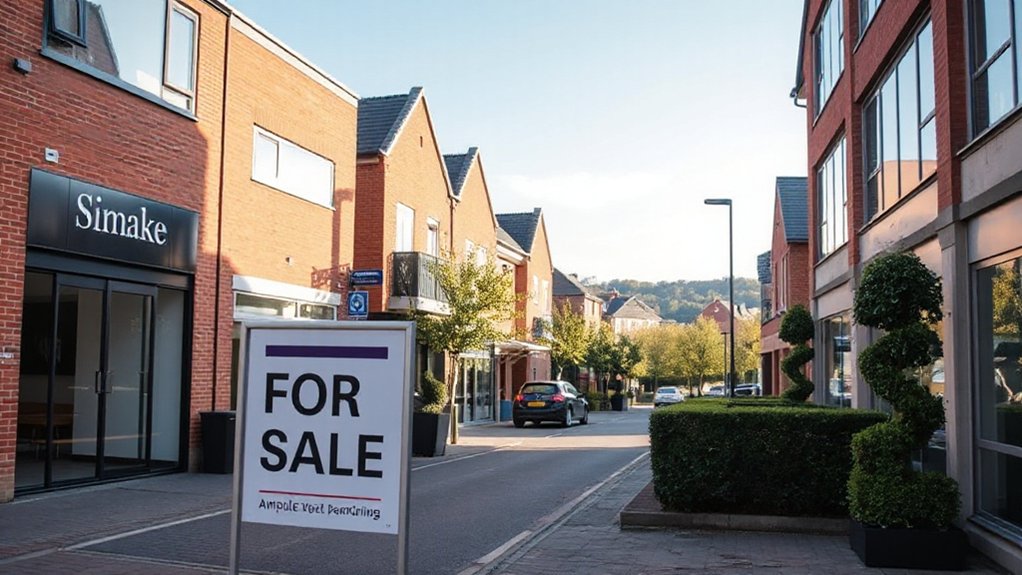
Homebuyers in Swindon are prioritizing value and practicality: they want competitively priced homes that offer good potential for long-term value, low running costs, and clear, accessible paths to mortgage approval.
You’ll notice that local market trends show steady inventory of mid-range homes and rising demand for energy-efficient specs. Buyers focus on predictable monthly outgoings, with preferred properties featuring insulation upgrades, double glazing, and efficient heating systems.
You assess mortgage routes early, favor lenders with streamlined verification and transparent criteria.
Across buyer preferences, proximity to amenities, decent transport links, and school catchment areas remain influential, but price-per-square-foot and resale outlook drive decisions more than ever.
In short, you pursue value, practicality, and durable appeal in your Swindon search.
Swindon Price Trends: What This Year Has Shown
Swindon’s price trajectory this year has been characterized by steady, moderate growth with pockets of resilience in mid-range segments. You’ll see market fluctuations reflecting regional demand shifts, with prices stabilizing after early-year spikes and then easing modestly in late Q3.
Across the board, valuation movements remain aligned with rental yields, sustaining buyer interest without extreme volatility. You may notice stronger activity around affordable family- and first-time buyer brackets, where liquidity supports smoother transactions and shorter time on market.
From an investment standpoint, price consistency supports predictable returns, particularly in those mid-range zones that attract owner-occupiers and landlords alike.
Best Swindon Neighborhoods for Family Homes
You’ll find family-friendly street layouts that prioritize safe, walkable blocks.
Nearby schools and parks are a key factor, with access influencing daily routines and long-term planning.
Safe, quiet neighborhoods often correlate with lower traffic and more consistent amenities, shaping practical choices for family buyers.
Family-Friendly Street Layouts
Are you prioritizing safety and ease of navigation? In Swindon, family-friendly street layouts emphasize gradual traffic calming, clear sightlines, and connected cul-de-sacs that reduce through-traffic exposure. Data show lower collision rates on residential streets with consistent setback patterns and no abrupt turning points.
You’ll find that grid-like cores limit dead ends, while looped streets encourage slower speeds and easier landmarks. Walkability improves where sidewalks maintain continuous width and street lighting remains uniform, aiding night navigation for all ages.
Garden design considerations influence curb appeal and maintenance expectations, but layout quality remains the primary driver of safe play zones and supervision lines. Local history informs historic districts with preserved alignment, offering predictable routes and community cohesion for family life.
Schools And Parks Nearby
When choosing family homes in Swindon, proximity to top-rated schools and accessible parks often shapes neighborhood desirability. In this section, you’ll see how school performance metrics, Ofsted ratings, and distance to primary and secondary institutions correlate with property values and resale potential.
Data shows that neighborhoods with above-average Ofsted results and shorter commute times to STEM or language programs maintain steadier demand, particularly among families with school-age children.
Park access is linked to higher walkability scores and afternoon recreation options, supporting consistent draw for buyers seeking active lifestyles.
Community events near schools and parks contribute to social cohesion, while local cuisine amenities elevate overall neighborhood appeal.
Use these indicators to assess value, rather than relying on aesthetics alone.
Safe Quiet Neighborhoods
Swindon’s safest, quietest neighborhoods offer low traffic volumes, strong street lighting, and visible community policing, which collectively reduce disturbance and enhance day-to-day predictability for families.
In these areas, you’ll find measured crime rates and stable residential turnover, supported by local data from council dashboards and police statistics.
Property values tend to show modest appreciation, reflecting steady demand from buyers prioritising safety and predictability.
Garden landscaping is often well-maintained, contributing to curb appeal without creating maintenance strain.
Public services, including schools and healthcare access, remain aligned with neighborhood safety assessments, reinforcing suitability for long-term residence.
If you’re evaluating family homes, consider how neighborhood safety metrics align with your routine, commute flexibility, and yard maintenance expectations for sustainable quality of life.
Up-and-Coming Swindon Areas With Growth Potential
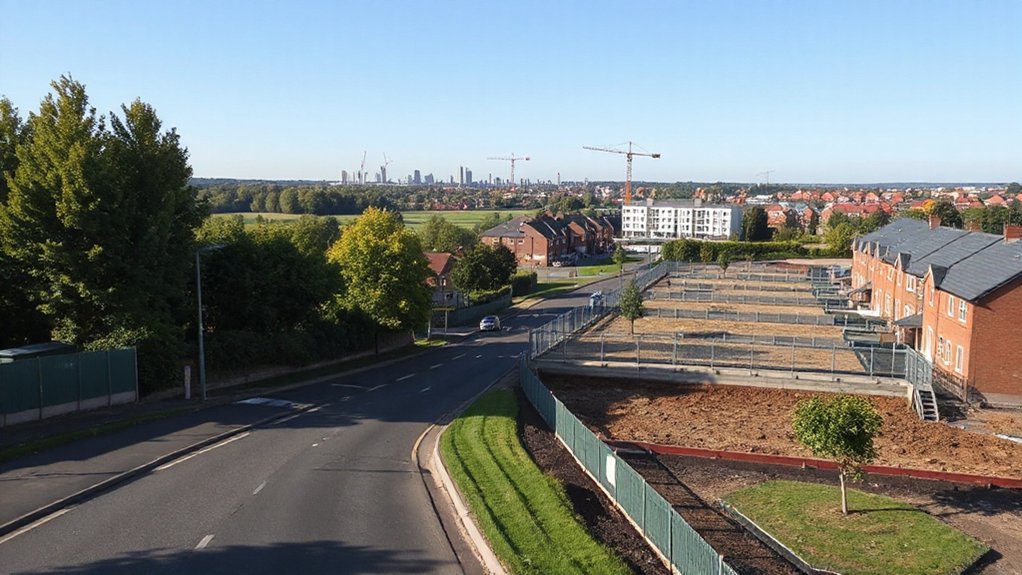
Several neighborhoods in Swindon show measurable growth potential, driven by planned infrastructure, new housing developments, and improving local amenities. You’ll see rising demand in areas near new schools, parks, and town centre upgrades, with reported gains in mid-range property values over the last 12 months.
Local market trends indicate steady, gradual appreciation rather than sudden spikes, suggesting sustainable investment avenues for buyers. In these zones, developers are delivering mixed-use projects that combine housing with retail and leisure facilities, boosting appeal for families and professionals alike.
Investment opportunities surface in smaller, adjacent suburbs where infrastructure projects are funded and timelines are transparent. Look for consistent planning approvals, parcel-ready sites, and proximity to existing service nodes to maximize long-term return.
Swindon Transport Links That Drive Property Values
Swindon’s rail connectivity and road access are key factors that influence property values. You’ll see pricing respond to travel times to major hubs like London and Bristol, as well as changes in service frequency and reliability.
This discussion starts with the latest data on rail connectivity strength and road linkages, and then examines how improvements or disruptions can shift demand.
Rail Connectivity Strength
Rail links are a key driver of Swindon property values, with quick access to national networks supporting commuter and business travel. You’ll see consistent price growth near rail corridors, reflecting demand from both daily work commutes and regional connectivity.
Historical trends show steady uplift in suburbs within a 15–30 minute rail radius, with periods of acceleration aligned to timetable improvements and service frequency.
Data indicate higher occupancy and turnover in areas adjacent to major stations, driven by reliability and reduced travel time.
Investment opportunities concentrate where planned service enhancements align with housing supply, particularly near planned station upgrades and park-and-ride schemes.
Monitor fare trends, service reliability, and regeneration plans to gauge long-term value.
Road Linkages And Access
Junction efficiency and ongoing road maintenance correlate with steady property demand in adjacent neighbourhoods. Parking availability alongside street enforcement shapes daily convenience for residents and visitors, where persistent parking challenges can affect perceived value and turnover.
Local dining access benefits from well-connected catchment areas, supporting a livability premium for central, mixed-use sites. Overall, improved road linkages align with faster access to services, sustaining price resilience and buyer interest.
Properties in Demand in Swindon
In Swindon, demand is strongest for three-bedroom homes and well-located properties close to transport links, schools, and local amenities. You’ll see buyers prioritise proximity to stations and bus routes, making commuter access a key driver.
Data indicate quicker sale times for mid-sized family homes compared with larger properties, with price growth modestly higher in well-connected districts.
Buyer interest concentrates on properties offering practical layouts, gardens, and off-street parking, reflecting everyday needs. Property renovation potential adds appeal in commuter corridors where modernization can release value.
Rental yields remain a consideration for investors, particularly in affordable feeder areas with steady occupancy.
The Swindon Lending Landscape: Mortgages and Affordability
Swindon’s mortgage landscape shapes affordability for buyers by balancing rates, deposits, and lender criteria. You’ll encounter a spectrum of fixed, tracker, and discounted-rate products, with terms ranging from two to five years, influencing monthly payments and total interest.
Deposit size remains a primary gatekeeper; larger deposits typically widen credit options and secure better rates, while smaller deposits may trigger higher lenders’ fees or stricter criteria.
Average rates have trended upward recently, though variability persists by product and borrower profile.
Lending criteria continue to factor in income stability, credit history, and debt levels, affecting loan-to-value limits and approval odds.
You should compare lender policies on income verification and credit scores, and assess how credit options align with your budgeting, ensuring affordability over the term.
How Much to Budget for a Swindon Purchase

You should budget for upfront costs beyond the purchase price, including fees and lender charges that vary by deal.
Stamp duty and whether you’ll pay extra for conveyancing or surveys can shift totals, so map potential ranges for your target property size and location.
Explore financing options ahead of time to understand down payment requirements, loan-to-value limits, and how different mortgage products affect your overall budget.
Budgeting For Fees
When buying in Swindon, plan for both upfront and ongoing costs beyond the purchase price, since fees can considerably affect your total outlay.
In budget planning, you should itemize typical charges: legal fees, survey costs, and conveyancing, plus mortgage broker fees if applicable.
Ongoing costs include standing charges, annual property fees, and insurance premiums.
Model scenarios with different loan sizes to see how fees scale relative to purchase price.
Compare providers to identify flat-fee vs percentage-based charges, and track payment timelines to avoid late fees.
Maintain a concise ledger, separating assumptions from actuals, and adjust as quotes update.
Remember fee management hinges on early sourcing, transparent quotes, and negotiated reductions.
Your objective: minimize total cost while preserving timely, compliant transactions.
Stamp Duty Considerations
Stamp duty in Swindon varies with purchase price and property type, so plan early by estimating expected thresholds and rates to avoid surprises.
You’ll see the total cost depend on whether you buy a primary residence, a second home, or an investment property, which changes the applicable rates.
For UK buyers, stamp duty land tax is tiered, and thresholds shift with policy updates, so use current.gov.uk figures for accuracy.
Budgeting requires accounting for potential exemptions or reliefs, such as first-time buyer relief where relevant.
Include legal procedures costs as part of your total, since conveyancing and timely filings impact cash flow.
Track property tax implications in your area, and confirm thresholds before offers.
Data shows variation by price band; plan contingencies accordingly.
Financing Options Ahead
To determine how much to budget for a Swindon purchase, start with a clear picture of upfront costs and ongoing financing charges. You should compare lender rates, fees, and product terms across options, then translate them into monthly payments and annual costs.
Expect upfront items like valuation, legal fees, and a deposit, plus ongoing charges such as mortgage interest, arrangement fees, and insurance. Factor in potential maintenance needs and property upkeep over time to avoid surprises.
Consider market regulation impacts on lending criteria, stress testing, and eligibility, which can affect loan size and terms. Use data from recent local sales and rate trends to calibrate your budget.
This disciplined approach supports sustainable ownership without neglecting property maintenance or regulatory shifts.
Best Months to Buy in Swindon
Choosing the best months to buy in Swindon hinges on seasonal patterns and market activity, which typically sees slower activity in winter and surges in spring. You’ll often find more negotiating room in January and February, when demand cools, followed by rising listings and competition in March through May.
Summer months can remain competitive but occasionally soften after school holidays, creating brief windows for value. Late autumn tends toward steadier pricing and steady inventory.
Data shows price movements align with listing activity, so timing your offer matters. If you target Luxury apartments or historic conversions, consider mid-winter opportunities when sellers are motivated.
Evaluating Swindon Schools and Amenities as a Buyer
Swindon’s school quality indicators, local amenity accessibility, and typical commute options collectively shape daily life and long-term value.
You should compare test scores, Ofsted/inspection ratings, and distance to libraries, parks, and shops to gauge practicality and safety.
Consider how transport links impact school runs and access to employment hubs to forecast ongoing convenience and costs.
School Quality Indicators
Local authority reports and free-space data show pupil-teacher ratios, SEN provision, and attendance patterns, helping you gauge long-term school effectiveness.
Performance metrics by age band reveal progression strength between primary and secondary stages, while contextual indicators account for demographics and funding; these clarify true performance beyond raw scores.
When planning, consider garden maintenance and property taxes as incidental costs tied to school catchment choices, ensuring budget alignment with anticipated weekly and annual commitments.
Local Amenity Accessibility
Quantify walking and transit times, actual travel distance, and hours of operation for essential services. Track consistency across neighborhoods, noting variance in amenity density and updated rating sources.
Assess community engagement and participation in local events as a proxy for neighborhood crucial. Measure access equity by listing amenities within a specified radius for each area and identifying underserved zones.
Compile findings into a clear dashboard, highlighting high-value pockets with robust schools and amenities, and flagging areas with limited access that could affect future resale appeal.
Commute and Transport Links
To assess commute and transport links, you’ll quantify typical travel times from each neighborhood to Swindon’s key endpoints—schools, employment hubs, and major healthcare sites—using real-world data and current timetables.
You’ll compare rail, bus, and road options, noting frequency, reliability, and peak-hour variability.
Data-driven assessment shows that commutes to central employment clusters average 15–25 minutes by car and 20–35 minutes by frequent express services.
Rail links to nearby metros range 7–14 minutes from suburban stations, with 20–30 minutes to regional hubs.
Bus networks offer multiple routes within 10 minutes’ reach of most neighborhoods.
Consider Property tax implications and Market analysis insights when weighing neighborhood choice, balancing access against cost, lifestyle needs, and potential resale value.
How to Value Your Offer in Swindon

When valuing your offer in Swindon, start with hard figures: recent sale prices for comparable properties, current listing prices, and how quickly homes are moving. Assess price per square foot across similar homes, then adjust for condition, parking, and garden space.
Track days on market to gauge seller motivation and pricing flexibility. For Luxury apartments, compare new builds vs. established blocks, noting maintenance fees and included amenities.
For historic properties, account for potential renovation costs, listed-building restrictions, and required approvals.
Use multiple offer scenarios to test sensitivity to price, contingency timing, and chain status. Prioritize offers near the median adjusted price with a clear timeline.
Document sources, verify data accuracy, and present a concise rationale to justify your bid without overreaching.
Hidden Costs When Buying in Swindon
Hidden costs can quietly reshape your budget in Swindon, so it pays to plan beyond the headline purchase price. You’ll encounter predictable charges and less obvious adds that affect total cost.
Hidden fees, such as arrangement or administration charges, vary by lender and property type, so compare the annual percentage rate and any duplicated fees across lenders.
Survey costs are essential but can differ based on property complexity, location, and survey type; a basic mortgage valuation isn’t a substitute for a full structural survey.
Budget for legal fees, search fees, and stamp duty where applicable.
Don’t overlook removal, insurance, and ongoing maintenance provisions aimed at year one.
A clear, itemized forecast improves decision confidence and reduces post-purchase surprises.
Negotiation Tips for Swindon Markets
Negotiating in Swindon requires a clear, data-driven approach. You’ll benefit from compiling recent sale prices, days on market, and price reductions for comparable properties in your target area, including Luxury apartments and Waterfront properties.
Begin with a realistic price based on objective comps, then request a formal written offer outlining contingencies and timelines.
Use a capped escalation clause only if market activity justifies it, and avoid overpaying by setting a firm maximum based on your budget and financing terms.
Prioritize condition-related concessions, such as repairs or closing costs, when appraisal gaps arise.
Remain calm, respond promptly, and document every counteroffer.
Leverage local demand signals and seasonal trends to time negotiations, ensuring you preserve value without sacrificing closing certainty.
Help to Buy and Other Incentives in Swindon
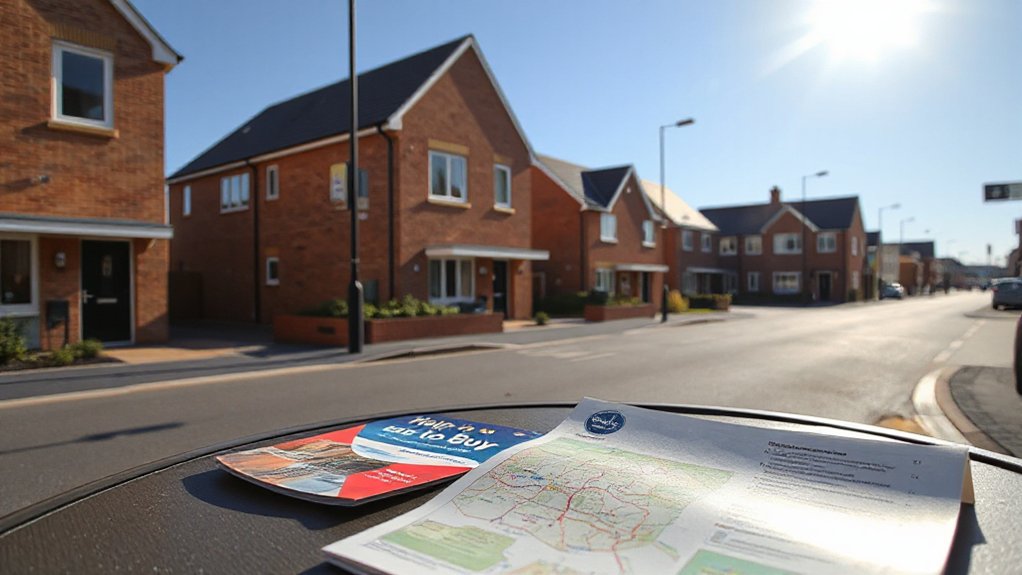
Have you explored Help to Buy and other incentives available in Swindon? In this segment, you’ll see how current programs translate into affordability and transparency.
Data shows that Help to Buy schemes typically reduce upfront costs and can stabilize monthly payments during early years, though eligibility varies by income and property price.
You’ll also encounter regional initiatives and lender-led incentives that complement national schemes.
Consider how these tools interact with property tax expectations, since some incentives influence stamp duty or council tax considerations over time.
Mortgage rates remain a critical driver of total cost; even small rate shifts alter long‑term payments, affecting project viability.
Assess program caps, repayment terms, and eligibility criteria to gauge net benefit compared with conventional financing.
Prioritize clear cost estimates to support informed decisions.
A Quick Checklist for a Smooth Swindon Purchase
With incentives in mind, a smooth Swindon purchase starts long before you sign. Begin by verifying your budget against local property taxes and ongoing costs, then confirm the property’s price history and recent comparable sales to avoid overpaying.
Check Market regulations that affect transactions, such as lender requirements, stamp duty thresholds, and any buying constraints in your target postcode.
Organize documentation early: ID, proof of funds, and mortgage in principle help prevent delays.
Engage a surveyor to flag structural or environmental issues, and set a realistic closing timeline with your solicitor.
Secure a mortgage offer aligned with your purchase plan, and maintain clear communication with the seller.
Finally, document all agreed terms to minimize post-offer renegotiations.
Future-Proofing a Swindon Investment
Track rental yields, vacancy trends, and capital appreciation in neighbourhoods near luxury apartments and well-connected transport links. Then stress-test scenarios for interest-rate rises and policy tweaks.
Diversify across asset classes to balance cycles, incorporating a mix of rental, short-hold, and resale projections. Leverage data on demand from renters seeking modern amenities while preserving preservation bylaws around historic landmarks that attract footfall and long-term value.
Integrate proactive maintenance, energy efficiency, and transparent tenant communication to sustain occupancy and reduce turnover costs. Continuous monitoring supports informed exits or reinvestment decisions.
Frequently Asked Questions
What Are Common Hidden Fees When Buying in Swindon?
Common hidden fees in Swindon include property taxes and Legal fees rising with property value. You’ll also face conveyancing costs, stamp duty adjustments, survey charges, and admin fees. Expect precise estimates from solicitors and lenders to avoid surprises.
How Do Interest Rates Affect Swindon Deals Now?
Rates shift, so your payments adjust with market trends, raising or easing deal costs in Swindon. You’ll see mortgage options flex as lenders respond, shaping affordability. Consider fixed vs variable, refinancing opportunities, and projected long-term rate paths.
Which Lenders Are Most Flexible for First-Time Buyers Here?
Lenders most flexible for first-time buyers here include lenders offering low deposit schemes and credit score-based bands. You should compare mortgage options and credit score requirements, focusing on lender-reviewed affordability, decision-in-principle chances, and actual eligibility trends.
Can I Negotiate Defects After Survey in Swindon?
Yes, you can negotiate defects after a survey. During a property inspection, use targeted negotiation tactics, presenting concrete repair costs and timelines, while staying data-driven and concise to maximize leverage and protect your budget.
What Paperwork Slows Down Swindon Purchases Most?
You’ll slow down purchases most due to mortgage and conveyancing paperwork, surveys, and local authority searches, not just contracts. Property development timelines and local market trends often drive delays, so prepare proactive checks and accurate documentation now.
Conclusion
Swindon’s market is a well-timed, practical choice. Picture three-bedroom comfort just moments from rail links, schools, and amenities, with energy efficiency trimming bills year after year. Data shows steady price growth in family-friendly pockets and growing demand near transport hubs. As you negotiate, anchor on recent sales, condition, and incentives, then map future value from ongoing infrastructure. It’s a landscape where solid fundamentals meet accessible mortgage options—and careful planning turns today’s deal into tomorrow’s stability.