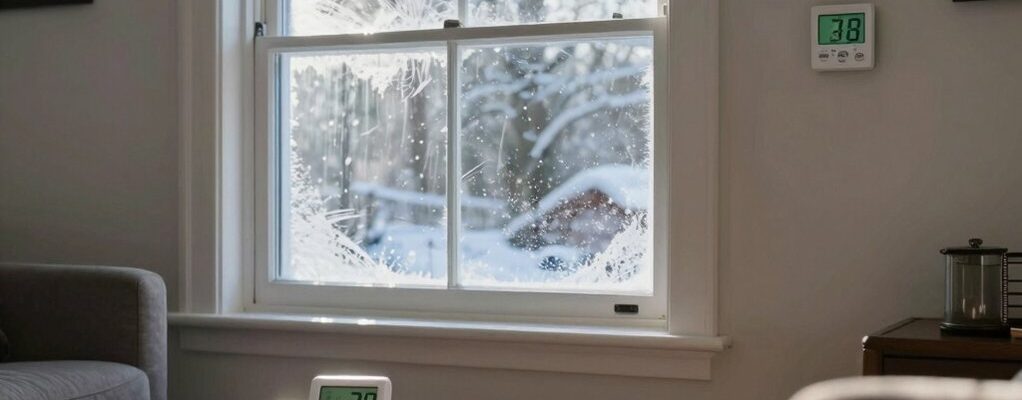
If your home won’t stay comfortable, you’re likely losing money on efficiency. Look for drafts, foggy or hazy glass, condensation between panes, or warped frames—those signs mean seals are failing and insulation is slipping. Check for higher bills, cold spots, or persistent drafts around windows. Decide between repair and replacement by weighing cost, lifespan, and maintenance. Upgrades with low U-factor, low SHGC, and proper framing save money long term. If you keep going, you’ll uncover actionable steps next.
Is Your Home Weathering the Weather Without Help?
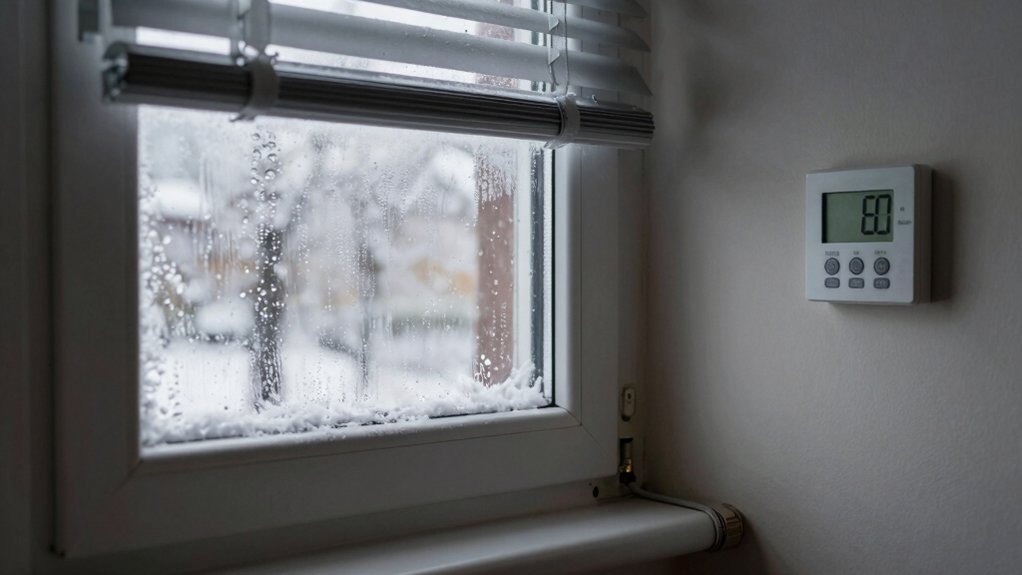
If your home’s exterior is showing stains, peeling paint, or warped trim, it’s a sign you may be wasting money on energy and maintenance. You’re not imagining the effect: weather is creeping in, driving up bills and wear.
You can curb this by upgrading practical protections. Storm windows add an extra barrier against drafts without a full replacement, improving year-round comfort and reducing heating and cooling loads. Window tinting offers another affordable layer, reflecting heat in summer while preserving daylight and visibility.
Both options are about sealing the home you belong to—making it feel sturdy and welcoming rather than exposed. Choose strategies that fit your climate and budget, then proceed with clear, steady steps toward better efficiency and lasting value.
Where Windows Leak: Pinpointing Heat Loss Paths
You’ll start by checking air leakage hotspots around doors, windows, and gaps where drafts creep in. Focus on window frames for thermal breaks, which interrupt heat flow and keep indoor air from mixing with cold outside air.
Start with a quick test to feel for drafts and then map where heat loss concentrates so you can target the fixes effectively.
Air Leakage Hotspots
Air leakage hotspots are where heat escapes most easily, and pinpointing them is the fastest way to save money. You’ll identify pressure points with simple checks and targeted fixes before you replace anything. Focus on common paths where drafts come in and warmth slips out.
1) Seal gaps around doors and windows with weatherstripping or caulk, then test for remaining leaks with a simple incense smoke test.
2) Inspect window hardware and sashes for misalignment; adjust or upgrade as needed, and consider storm windows or window tinting to reduce radiant transfer.
3) Look at attic and basement interfaces—seal penetrations, add insulation, and ensure proper ventilation to prevent warm-air loss from stacked leaks.
You’ll gain comfort, cost savings, and a sense of belonging by tackling these hotspots together.
Window Frame Thermal Breaks
Window frame thermal breaks matter because they’re the quiet path heat uses to escape. When you scan for losses, check where the frame meets the wall and where metal or vinyl conducts cold inward. Those gaps aren’t just drafts; they’re repeatable energy leaks that undermine your comfort and bills.
You want solid thermal breaks that interrupt heat flow, so your heating or cooling doesn’t chase temperature swings. If you notice frost, condensation, or persistent drafts near frames, you’re seeing the breakage in real time.
Upgrading to energy efficient glazing helps seal bigger issues and pairs well with frame upgrades. Prioritize components with documented R-values and tight seals, and choose installers who explain how frame choices affect overall efficiency.
This keeps your space feeling included and consistently comfortable.
Replacement or Repair? A Practical Decision Guide
When deciding between replacement and repair, start with a clear cost and performance check: how much will repairs cost, how long will they last, and what ongoing energy or maintenance impacts will they have.
- Evaluate immediate costs versus long-term value to guide your choice.
- Compare expected lifespan and reliability of repaired parts against a full replacement.
- Consider ancillary tasks like window treatment adjustments or window cleaning that affect overall efficiency and comfort.
If repairs win on cost and longevity, proceed with targeted fixes and sealants.
If not, plan a replacement that optimizes performance and your home’s sense of belonging.
In either path, schedule professional assessments to confirm air leaks and glazing integrity, and document the steps for future upkeep.
Key Specs That Save You Money: U-Factor, SHGC, and Frame Materials
Choosing the right specs can slash heating and cooling costs, so start with U-factor, SHGC, and frame materials. You’ll want a low U-factor for better insulation, and a low SHGC to limit unwanted heat gain in summer while letting sunlight glow through in winter.
Combine these with durable, well-sealed frame materials to prevent drafts and air leakage. Consider vinyl, fiberglass, or wood composites for balance between strength, maintenance, and price.
Energy savings come from tighter seals, better glazing, and thermal breaks that reduce transfer. Don’t overlook hardware quality and proper installation, which amplify every percentage point of improvement.
When you prioritize window frame materials and efficient glass, you create lasting comfort and a tangible sense of belonging in a more efficient home.
How Inefficient Windows Show Up: Fog, Condensation, and Noise
Foggy glass and visible condensation are early warnings that your windows aren’t sealing right, letting moisture and temperature swings seep in. You’ll notice fog between panes or moisture on the interior surface, which signals compromised insulation and energy loss.
Noise intrusion can also creep in, as gaps and poor seals let outside sounds breach your home’s quiet. This is another sign to address sooner rather than later.
Foggy Glass Signals
Foggy glass is more than a nuisance—it’s a red flag that your windows aren’t performing. When you see haze, you’re likely paying for heat loss and uncomfortable drafts, not clear views. This signal points to aging seals or failed insulation, meaning your home isn’t sealing as it should. You deserve windows that belong—part of a cohesive, comfortable space.
- Inspect seals and gaskets for cracks and moisture ingress.
- Consider how window styles affect airflow, privacy, and energy efficiency.
- Gather installation tips from pros to ensure a proper fit and maximizing comfort.
Address fog now with targeted fixes or thoughtful replacement decisions. Prioritize reliable performance, tasteful aesthetics, and a sense of belonging in your home—without sacrificing style or efficiency.
Condensation Clues Visible
Condensation on windows is a clear warning sign that your insulation is failing and your home is losing energy. You’ll notice moisture clusters on indoor glass, especially after chilly mornings or cooking. This isn’t just a nuisance; it signals increased heat transfer and potential mold risk.
Look for foggy edges that persist, not just a brief breath of warmth. If moisture beads form between panes, your seals are failing and replacement becomes cost-effective.
To reduce immediate impact, consider window tinting for glare and condensation control, or decorative glass to blend aesthetics with performance.
Strong, well-sealed units improve comfort and resale value, while supporting a sense of belonging to a home that prioritizes efficiency.
Tackle leaks, then evaluate upgrades for long-term savings.
Cost, ROI, and When to Plan a Full Window Upgrade
Planning a full window upgrade isn’t just about upfront costs—it’s about the return over time. You weigh energy savings against price, then decide when it makes sense for your home and community. ROI isn’t a guess; it’s documented, predictable, and upgrade-aligned with your values like energy efficiency and aesthetic appeal.
- Calculate payback period using current energy spend and project savings.
- Compare warranties, performance ratings, and long-term maintenance.
- Time the project for non-disruptive seasons and cooperative budgeting within your neighborhood.
You’ll gain steadier comfort, reduced outdoor noise, and consistent indoor climate.
When these benefits outweigh the initial investment, and your home still fits your long-term plans, plan the upgrade now to lock in energy savings and lasting aesthetic appeal.
Plan Your Upgrade: Budgeting, Timing, and Next Steps
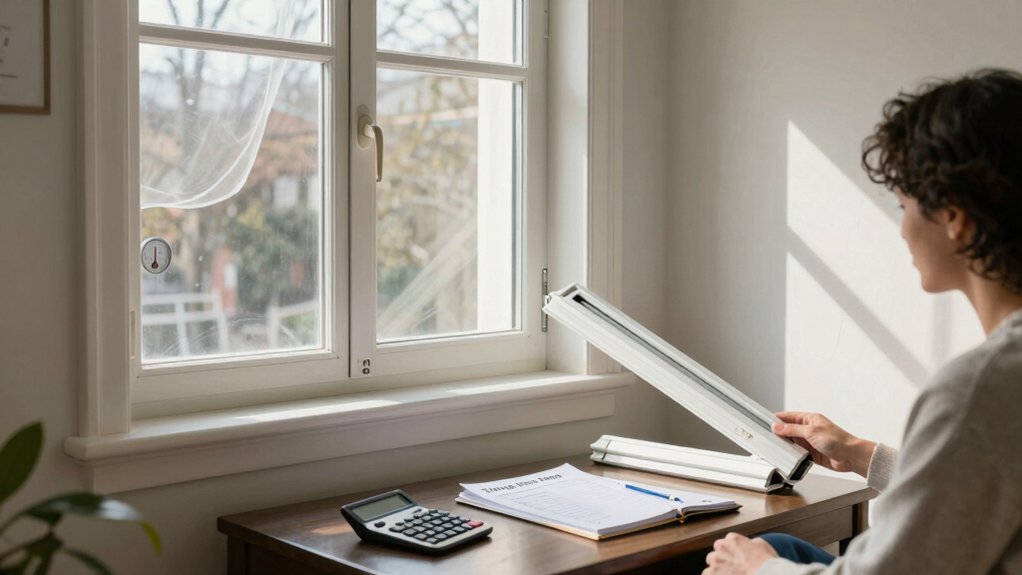
Now that you’ve weighed costs and long-term value, you’re ready to map out the upgrade. Start with budget planning: determine a realistic ceiling, account for installation, permits, and contingencies, and set a priority order for rooms.
Next, align timing with seasons, sales cycles, and contractor availability to minimize disruptions. Create a phased plan if full replacement isn’t feasible, and specify milestones to track progress.
When choosing materials, focus on performance, maintenance, and compatibility with your home’s конструк. Material selection should balance energy savings with upfront costs, leveraging incentives where possible.
Build a transparent process: request itemized quotes, verify warranties, and confirm lead times. Finally, document the next steps, assign responsibilities, and schedule a kickoff that reinforces your sense of belonging to a smarter, more comfortable home.
Frequently Asked Questions
Do Windows Affect Home Resale Value?
Yes, windows affect home resale value. You’ll boost appeal with window tinting and better solar performance, signaling comfort and energy savings to buyers who want low maintenance and a smart, stylish, sustainable home.
How Long Does a Typical Window Replacement Take?
A window replacement typically takes a day or two. You’ll pick window material, crews arrive on schedule, and the installation timeline stays tight. You’ll feel confident, belonging with coordinated hands-on guidance, and enjoy streamlined, efficient results.
Are Double-Pane Benefits Worth the Cost Today?
Double-pane benefits can be worth it today, especially if you pair with window tinting or storm windows for heat control and weather resilience. You’ll feel warmer indoors, save on energy, and belong to a smarter, proactive home.
Can Windows Reduce Interior Humidity and Mold Risk?
Yes, windows can help reduce interior humidity and mold risk. They promote better airflow and insulation; when you control condensation, you curb mold prevention. You’ll feel more comfortable, connected, and confident in a healthier home environment.
Is DIY Replacement Safe With Current Building Codes?
Yes, you should not DIY replace windows without checking building permits and safety precautions; local codes vary, so consult a licensed pro to guarantee proper installation and ongoing compliance, maintaining belonging and confidence in your project.