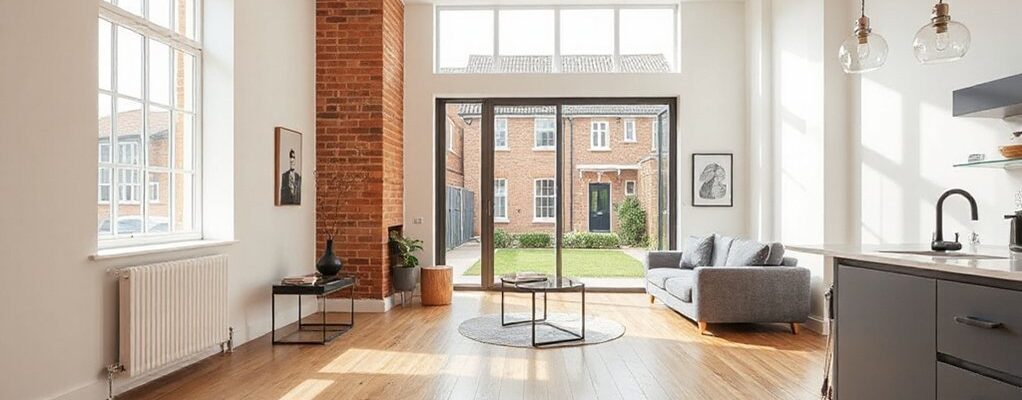
Did you know that minor kitchen and bathroom refreshes can deliver a 5–15% uplift in rental value with lower capex than full refurbishments? You’re targeting high-ROI upgrades, energy efficiency, and durable finishes that tenants notice and value over time. But the exact mix—layout tweaks, taps and fixtures, smart controls—depends on local demand and tenancy cycles. Curious how to sequence these moves for maximum rent lift and sustainable yields?
Plan Your Upgrades: Strategy to Maximize UK Rental ROI
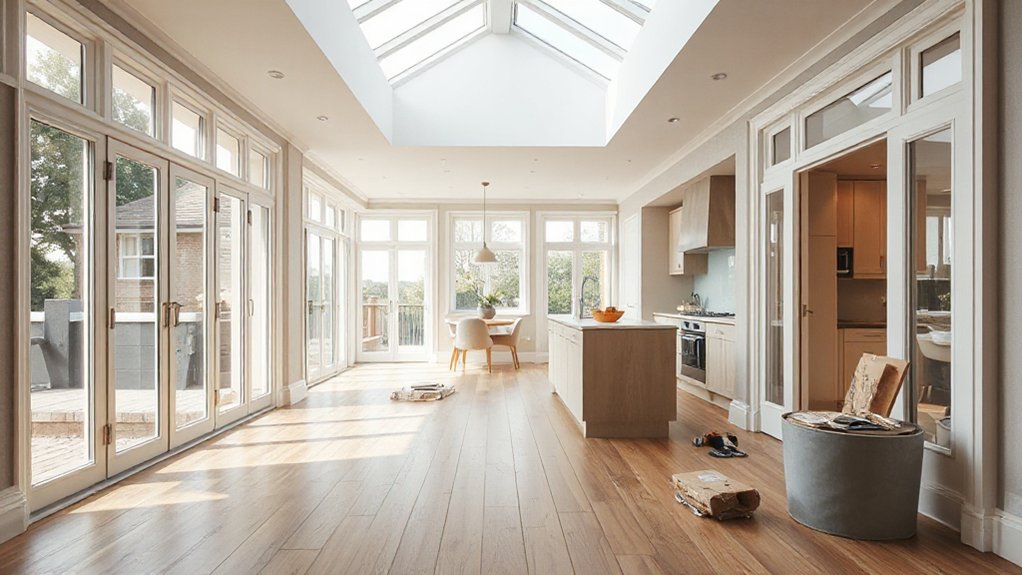
To maximize rental ROI in UK cities, start with a clear upgrade plan anchored to local demand signals and capex constraints. You map neighborhoods by rental price bands, vacancy timelines, and amenity gaps, then prioritize projects with fastest payback.
Your plan hinges on evidence: design trends show tenants favor flexible spaces, durable finishes, and smart tech. Historical preservation is a lever where allowed, preserving higher-value heritage while updating utilities and safety.
You quantify returns for each upgrade, estimate capex vs. rent uplift, and build a staged rollout aligned to cash flow. You set success metrics, monitor occupancy shifts, and iterate quarterly.
Your strategy remains market-aware, ROI-focused, and data-driven, balancing modern practicality with respect for local character to attract long-term tenancy and stable income.
ROI-Driven Upgrades: Which Improvements Deliver the Biggest Rent Increases
You’ll want to focus on higher-ROI upgrades that align with current rental demand and regional price trends.
The data shows kitchen and bathroom refreshes, energy efficiency, and smart-home features delivering the strongest rent uplifts in many UK markets.
Higher-ROI Upgrades
Investing in high-ROI upgrades pays off quickly: features that cut operating costs or boost perceived value tend to deliver the largest rent uplifts in UK city markets. You should prioritize improvements with clear, measurable impact on operating efficiency and tenant valuation.
Data shows returns rise when upgrades shorten turnover and reduce energy use, while maintaining competitive rents. Focus on cost-effective, durable updates that tenants perceive as modern without over-improving relative to peers.
Historical renovation can anchor value by preserving character while upgrading systems; combine it with targeted aesthetic enhancements that elevate first impressions and perceived quality. Prioritize lighting, insulation, and smart controls where gains are verifiable.
Track capex vs. rent uplift quarterly to validate ROI and adjust your upgrade pipeline accordingly.
Market-Driven Renovations
Market-Driven Renovations focus on the improvements that tenants value most in your city markets, translating observable demand into measurable rent uplifts. You assess current vacancy data, transferability of features, and price elasticity to pinpoint ROI-positive upgrades.
Prioritize items with broad appeal and durable demand, such as energy efficiency, reliable connectivity, and quality finishes that endure wear. Compare unit-by-unit performance across neighborhood segments to identify where premium rents reliably rise after updates.
Track Historical trends to forecast future demand shifts and calibrate investments accordingly. Consider Cultural influences that shape tenant expectations in each city, ensuring renovations align with local preferences without overcapitalizing.
Your strategy should couple quick-wins with scalable improvements, delivering consistent uplift while preserving asset risk/return balance.
Space-Saving Layouts That Boost Rentability
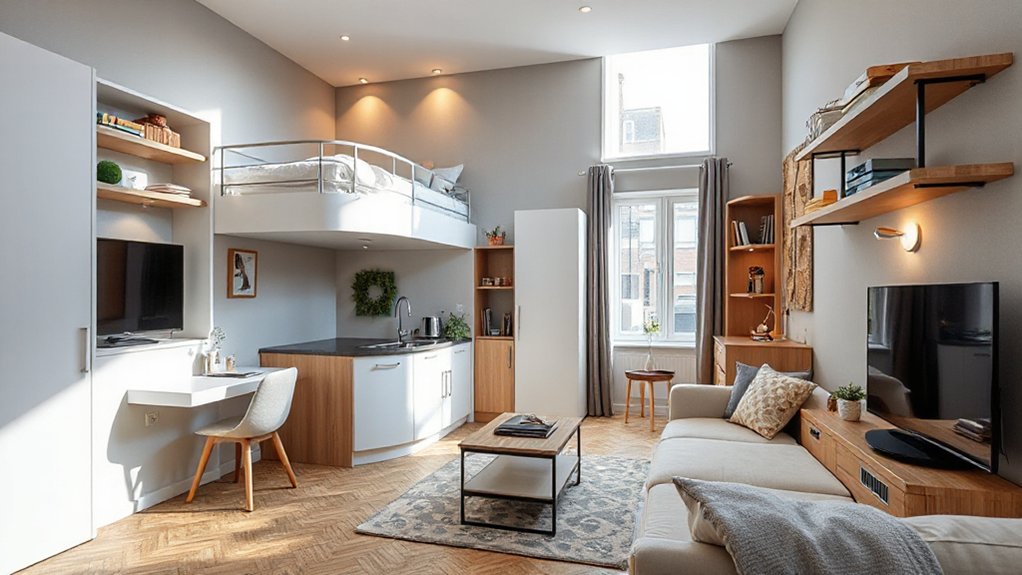
You’ll see strong rent upside from compact kitchen designs that maximize usable space without sacrificing flow.
Flexible bedroom densification lets you reconfigure layouts for multi-occupancy or short-term stays, boosting occupancy and per-month revenue.
In markets with tight space, these layouts improve ROI by offering practical, value-driven upgrades that tenants actively seek.
Compact Kitchen Design
Could a compact kitchen design deliver bigger rent checks in tight UK spaces? In markets with high rental demand, you gain ROI by maximizing usable area without reducing appeal. Compact storage and efficient layouts cut fixture costs and boost perceived value, making spaces feel larger while preserving functionality.
Prioritise drawer stacks, vertical storage, and integrated appliances to free counter space and streamline workflows. Install corner solutions, slim-line units, and modular components that adapt to various tenancies, reducing vacancy risk.
Data suggests tenants value energy efficiency, so add LED lighting, smart plugs, and efficient-rated appliances to lower operating costs and justify premium rents. Align design with market norms: compact, durable, low-maintenance finishes that endure frequent turnover.
This approach enhances cash flow and sustains long-term occupancy.
Flexible Bedroom Densification
In tight UK bedrooms, smart densification—think modular bunks, fold-away desks, and built-in storage—can deliver higher rentability by reclaiming usable space without sacrificing comfort. You’ll see stronger per-room yields when layouts prioritize multifunctional furniture that supports study, sleep, and storage without crowding.
Emphasize adaptable spaces that flex to resident needs: a work nook can transform into a guest area, a wardrobe wall can conceal a compact office, and mirrored fronts expand perceived size. ROI rises as you reduce vacancy risk and extend tenancy appeal, especially in high-demand cities.
Use calibrated measurements to avoid wasted space and set expectations with tenants about use. Pair space-saving pieces with durable finishes to sustain value and minimize turnover costs.
Energy-Efficient Upgrades Tenants Notice
To minimize disruption and protect ROI, landlords should give tenants clear notice about energy-efficient upgrades, including scope, timeline, and expected benefits. Clear communication reduces friction, accelerates approvals, and supports retention during modernization.
Prioritize data-driven rationale: quantify expected monthly savings, payback periods, and any rent adjustment framework aligned with local regulations.
When outlining upgrades, specify technologies, installation windows, and disruption levels to set accurate expectations.
Highlight long-term impact on property value, energy certificates, and market visibility, using measurable targets to justify upfront costs.
Include practical options like solar panels and smart thermostats, noting maintenance needs and compatibility with existing systems.
Provide contact points for questions and a concise post-installation performance summary to reinforce perceived ROI and tenant satisfaction.
Kitchens That Command Premium Rents
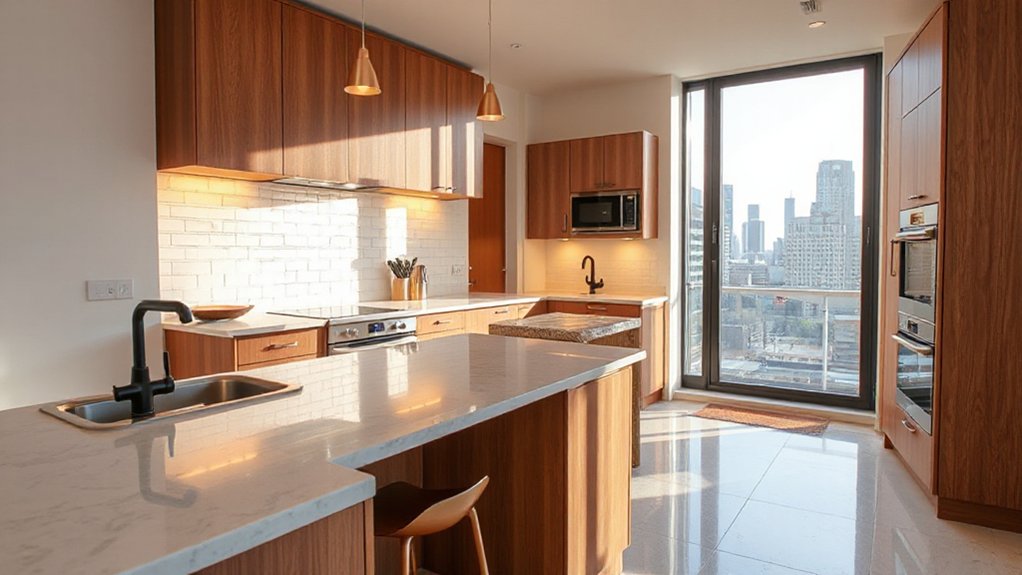
Kitchens that command premium rents aren’t an expense—they’re a strategic investment that boosts yield and tenant retention. In markets across the UK, premium kitchens correlate with higher rents and shorter vacancy periods, supported by historical trends showing demand for modern layouts and quality finishes.
You should prioritize durable, easy-to-clean surfaces, integrated appliances, and ample workspace to maximize perceived value per square metre. Consider layout efficiency, ensuring clear work zones and natural light to enhance usability.
When planning, factor in zoning regulations that influence appliance choices, ventilation requirements, and safety standards, avoiding costly retrofits later.
Target properties near transport hubs and amenities where buyers expect upgraded kitchens as a baseline.
Track ROI quarterly, adjusting features to sustain premium positioning without overinvesting.
Bathrooms: Fixtures and Finishes That Add Value
You’ll see the ROI from high-impact fixtures that elevate perceived value without overhauling the entire bathroom.
Sleek finishes and modern taps boost tenant appeal while controlling capex, supporting faster lets and higher rents.
Water efficiency gains cut ongoing costs, improving net yield and long-term profitability.
High-Impact Fixtures
High-impact bathroom fixtures and finishes elevate perceived quality and deliver quick ROI by boosting rental value and reducing vacancy. In UK cities, you’ll see buyers and renters respond to durable, easy-to-clean surfaces and reliable water efficiency, which lowers maintenance costs and improves turnover.
Prioritize quality mid-range brands that offer consistent performance and warranty coverage, not gimmicks. Focus on layouts, moisture-rated fittings, and taps with minimal splash risk to sustain guest satisfaction.
To differentiate, integrate luxury fixtures and thoughtful finishes that align with market brackets, avoiding over-improvement in entry-level properties. Pair these upgrades with energy-smart features to reduce utility bills, boosting net income.
Elevate appeal further with statement lighting that complements hardware choices and creates a modern, inviting bathroom ambiance.
Sleek Finishes Upgrades
Sleek finishes in bathrooms deliver standout value by combining durability with modern aesthetics that tenants notice and landlords measure in turnover. You’ll see higher appeal from polished fixtures, streamlined fittings, and cohesive color palettes, boosting lease-up speed in competitive markets.
Prioritize durable, easy-to-clean surfaces and water-efficient, low-maintenance components that still read as premium. In practice, choose materials that convey luxury materials without excessive cost, balancing upfront spend with long-term savings.
Market data shows tenants expect consistent, contemporary looks across bathrooms; refresh cycles shorten when finishes align with trends. ROI improves when upgrades target key touchpoints: vanities, faucets, and shower enclosures that deliver a cohesive, high-end feel.
Pair finishes with proper lighting and secure hardware to sustain value beyond initial occupation.
Water Efficiency Gains
Water efficiency in bathrooms directly boosts value by lowering operating costs and appealing to cost-conscious tenants. You’ll see higher appeal with modern fixtures that minimize water use, aligning with rising regulatory emphasis on efficiency.
In listings, fixtures labeled as water-saving translate to lower utility bills, a tangible ROI for landlords and investors. Prioritise water conservation through low-flow faucets, dual-flush toilets, and efficient showerheads, which often deliver payback within 1–3 years in busy UK markets.
Pair these with quality finishes to avoid perceived cost-cutting. Plumbing upgrades reduce leak risk and maintenance costs, supporting longer tenant tenures.
Use data on supplier warranties and energy-performance certificates to justify upgrades, and track utility metrics to quantify value.
Durable Finishes for Busy Rental Life
Durable finishes matter most when rental turnover is sharp and tenant expectations are high. You’ll prioritize materials that survive high-traffic use while preserving appeal, because turnover timelines and vacancy costs pin ROI.
In markets like Manchester and Birmingham, hard-wearing surfaces reduce maintenance cycles and capex leakage, driving longer rental durations at premium rents. Choose scratch-resistant laminates, ceramic tiles, and vinyl with protective coatings, then pair with resilient underlayers to prevent early wear.
Demand data shows two-year replacement cycles for key zones, but durable finishes extend to five-plus years when installed correctly. Incorporate luxury materials and custom textures strategically in entryways, kitchens, and bathrooms to signal value without overinvesting.
Align choices with lifecycle depreciation, local labor costs, and energy efficiency to maximize net yield.
Capex vs. Opex: Budgeting for UK Rentals
Capex vs. Opex: budgeting for UK rentals requires a clear view of upfront investments against ongoing costs. You’ll want data-driven comparisons: capex boosts property quality and resale value, while opex preserves cash flow and tax posture.
In practice, you weigh initial spend against depreciation, maintenance costs, and expected rent uplift, using market benchmarks for refurbishment ROI. Consider asset age, tenancy type, and financing terms to forecast payback periods.
Tax incentives can tilt decisions toward capex where allowances accelerate returns, yet recurring expenses may favor an opex approach for flexible budgeting. Track total cost of ownership across scenarios, and align your plan with risk tolerance and loan covenants.
Your goal: maximize yield, minimize vacancy, and sustain long-term profitability.
Timing and Sequencing for Tenancy Value
Timing and sequencing matter for tenancy value because getting the right tenant mix, renewal cadence, and refurbishment windows aligned with market cycles maximizes rent uplift and minimizes vacancies.
You should map seasonal demand patterns, then synchronize refurb windows with peak tenant interest in your city.
Prioritize consistent Tenant retention by staging upgrades that support longer leases and higher renewal confidence.
Plan lease renewal windows to align notification timing with market rent data, reducing turnover gaps and vacancy risk.
Use data to sequence enhancements: cosmetic updates before demand spikes, core systems upgrades during slower periods, and premium finishes when rents are rising.
This disciplined cadence lowers risk and sustains ROI, while fostering predictable cash flow through steady Lease renewal and stable occupancy.
Valuation Lift: How Renovations Affect Price and Rent
Renovations directly lift both price and rent by aligning a property’s condition with current market expectations and tenant demand. You’ll see higher asking and achieved values when upgrades target what tenants actually value, not what you assume.
In data, modern kitchens, refreshed bathrooms, and energy-efficient features consistently correlate with premium rents and faster lettings across UK cities. Yet beware renovation myths; over-personalized upgrades rarely translate into proportional returns, and speculatively premium finishes often underperform.
Focus on durable, cost-effective improvements with clear ROI, like insulation, lighting, and layout optimization that boost perceived value without overcapitalizing. Tenant preferences drive valuation lift, so verify local demand signals, benchmark rents, and test pricing.
A disciplined approach aligns renovation spend with market realities, delivering measurable income resilience.
Frequently Asked Questions
How Do Renovations Affect Council Tax Bands on Rental Properties?
Renovations can trigger Property valuation changes, potentially nudging you into a higher Tax band adjustments. You’ll see mixed effects: some upgrades raise bills despite higher rents, while energy, safety, and space improvements often improve ROI and market appeal.
Are Permit Delays Worth ROI for UK Renovation Projects?
Yes—permit delays aren’t worth ROI risk. You’ll face renovation delays and rising costs, so plan contingencies, benchmark timelines, and model cash flows. You’ll safeguard profits by accelerating approvals, coordinating trades, and tracking compliance for peak ROI.
Which Lender Criteria Impact Funded Renovation Timelines?
Funding approval hinges on lender criteria like credit, cash flow, and project scope; these factors shape funded renovation timelines. You should monitor renovation financing milestones, align project pace with underwriting, and anticipate delays to protect ROI and timing.
Do Pets and Landlord Insurance Interact With Upgrade ROI?
Metaphor: ROI is your compass. Yes—pet policies and insurance coverage interact: pet-friendly upgrades can boost occupancy, but stricter policies or higher premiums may squeeze net returns. You’ll balance costs, risk, and tenant demand to maximize ROI.
How Does Brexit-Era Regulation Influence Renovation Costs?
Brexit-era regulation raises renovation costs due to tighter permitting and compliance, but you curb impact with solid planning. You’ll track contractor availability and material price fluctuations, optimizing timelines to protect ROI and minimize budget overruns.
Conclusion
You’ve got the data, now act on it. Prioritise kitchens, baths, and energy upgrades that deliver measurable rent uplifts, backed by durable finishes that slash maintenance costs. Optimize layouts for space and flow, use smart, cost-conscious fixtures, and balance Capex with Opex for steady cash flow. Time renovations to market cycles and local demand signals, then track impact on rent and value. In short, ROI-driven upgrades win tenants and yield—think like a market analyst with a renovator’s eye, even if you time-travel to 1999 for inspiration.