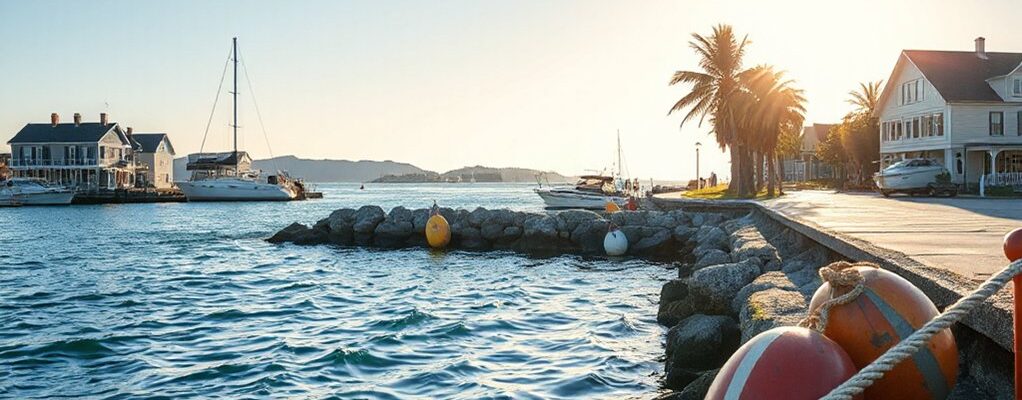
Looking for a second home where practicality meets possibility, you’ll weigh location, price, and return, you’ll balance lifestyle with liquidity, you’ll map drive times, flights, and nearby amenities. You’ll compare calm harbors to lively shorelines, assess insurance and climate risks, and forecast ongoing costs. The best coastal towns offer steady demand, resilient markets, and clear access, yet the handful that fit your goals will demand diligence, discipline, and a plan that keeps evolving—so you’ll want to see which spots rise to the top.
Key Takeaways
- Prioritize towns with strong rental demand, scenic beaches, and reliable access via regional airports and rail for year-round appeal.
- Favor locations offering coastal protection, flood maps, and resilient infrastructure to minimize long-term risk and maintenance costs.
- Look for communities with cultural festivals, seafood heritage, and walkable neighborhoods driving stable occupancy and premium rents.
- Evaluate proximity to amenities (dining, markets) and town vitality to sustain value across market cycles.
- Choose property types aligning with goals (standalone or townhome) and access to coastal services, while assessing HOA and permit considerations.
Why a Coastal Second Home Fits Your Lifestyle
A coastal second home can slot neatly into your lifestyle by balancing flare and function. You’ll appreciate how proximity to water sharpens daily routines: calmer mornings, faster de-stressing, and more predictable weekend rhythms.
Data show higher resale value in beach-adjacent markets, yet you gain unique lifestyle perks beyond appreciation for scenery. Beachside architecture guides durable design choices—modest overhangs, salt-tolerant materials, and window layouts that maximize natural light while reducing maintenance.
You’ll also benefit from coastal wildlife viewing, which can enrich weekend activities and justify green investments like dune restoration or native landscaping.
With careful zoning, you protect value and minimize risk, aligning your budget with long-term enjoyment rather than fleeting trends. Your decision embraces balance, longevity, and a lifestyle increasingly supported by coastal-market data.
How to Define Your Coastal Buying Goals
Start by outlining your priorities: what must be true for you to call a coastal place home or a solid investment.
Then map your budget and financing options against those priorities, so you see feasible price ranges and loan terms at a glance.
Finally, define your long-term usage plans—seasonal escapes, retirement prospects, or steady rental—so your goals stay aligned with how you’ll actually use the second home.
Define Your Priorities
To define your coastal buying goals, start by clarifying what truly matters to you—budget, timeline, and lifestyle priorities—and translate these into measurable criteria. You’ll assess projected costs, seasonal income, and property utilization to set concrete targets.
Map your ideal timeline against market cycles, then weight lifestyle factors—access to water, walkability, and community vibe—into decision rules. Prioritize features that align with your daily routine and long-term plans, and anchor them with quantitative thresholds (price per square foot, maintenance budgets, occupancy rates).
Consider how Luxury amenities and Local cuisine influence value beyond aesthetics, guiding site selection and resale potential. Document, test, and refine these criteria as markets shift, ensuring your searches stay focused, efficient, and aligned with your intended coastal lifestyle.
Budget and Financing
With your priorities in hand, pin down how much you can safely invest upfront and what you can sustain monthly in a coastal context. Budget planning begins with a realistic reserve for maintenance, insurance, and seasonal vacancies.
Map upfront costs (down payment, closing, inspections) against your liquidity so you don’t overextend. Then establish a sustainable monthly ceiling that covers mortgage payments, property management, utilities, and potential HOA fees.
Data-wise, aim for a debt service ratio below 36% of gross income and reserve at least six months of carrying costs.
Explore financing options early: fixed-rate loans for stability, adjustable-rate options if you plan a shorter hold, and potential coastal-specific programs. Compare lenders’ terms, fees, and escrows to optimize total ownership costs and risk.
Long-Term Usage Plans
Long-term usage goals should be tightly aligned with your lifestyle, financials, and market outlook. You define how often you’ll visit, who uses the home, and what resale ladder you expect. Map occupancy patterns against seasonal demand, mortgage costs, and potential rental income to gauge true affordability over a decade.
Prioritize stability over novelty: a consistent occupancy plan lowers risk and informs pricing, maintenance, and tax considerations. Consider the town’s character—Historical architecture can influence restoration costs and insurance, while local cuisine and seasonal events affect demand cycles.
Align goals with maintenance capacity: set a calendar for renovations, pest control, and landscape upkeep to protect value. Make certain your plan leaves room for inflation, market shifts, and evolving personal priorities.
Budgeting for a Seaside Retreat: Upfront and Ongoing Costs
Budgeting for a seaside retreat combines upfront planning with ongoing discipline: you’ll want a realistic cost snapshot and a clear plan to fund it as you move from signing to ownership. You’ll estimate purchase price, closing costs, and immediate renovations, then separate funds for furnishing and essential maintenance.
Use a project map: down payment, mortgage terms, property taxes, insurance, and HOA or condo fees if applicable. Ongoing costs include utilities, upkeep, seasonal staffing, and potential short-term rental management. Build a contingency cushion for market swings and repairs.
Track monthly cash flow, adjusting for vacancy periods and insurance deductibles. Practical efficiency matters: energy audits, water fixtures, and appliance rebates save long-term.
Engage with seaside cuisine vendors and local ocean conservation groups to align budgeting with sustainable living and community priorities.
Coastal Locations by Vibe: Calm Harbors vs Bustling Shorelines
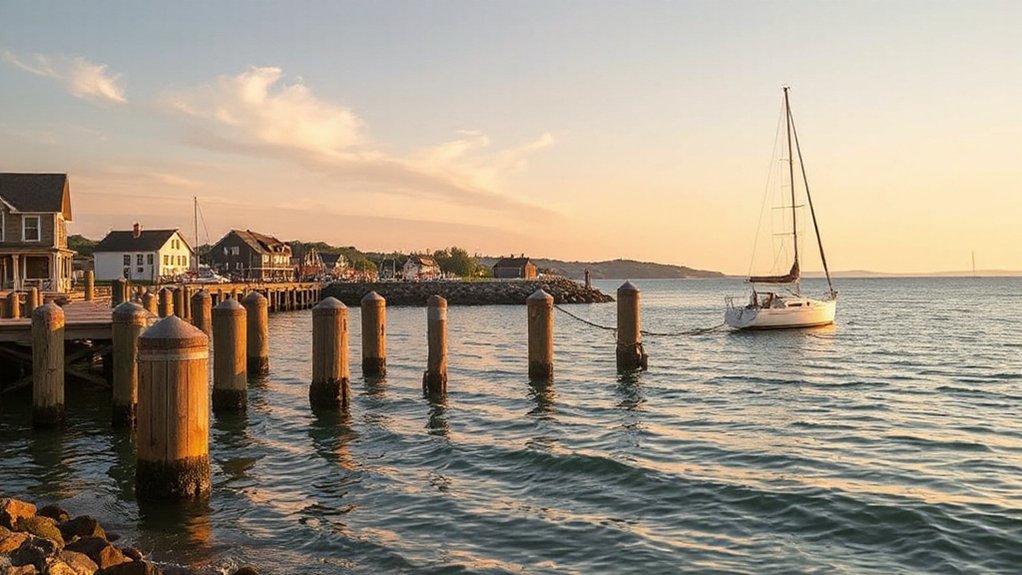
You’ll notice calm harbor towns offer steady, predictable access to nature and fewer seasonal crowds, which can translate to steadier property values and maintenance costs.
In contrast, bustling shoreline towns tend to attract higher demand and shorter holds, driven by events, amenities, and rapid appreciation—but with higher carrying costs and noise.
The right choice hinges on how you weigh tranquility against energy, with data showing distinct cost and usage patterns for Calm Harbor Vibes versus Bustling Shoreline Energy.
Calm Harbor Vibes
Data on occupancy rates and average maintenance expenses show predictable budgeting, helping you plan long-term without sudden spikes. You’ll value access to water without relentless crowds, preserving your weekends for lighthouse strolls and quiet mornings.
Marine wildlife and coastal ecosystems often enjoy protected corridors here, supporting clearer waters and healthier shorelines. This resilience translates to steadier long-term value as conservation efforts curb overdevelopment.
If you seek tranquility, predictable costs, and proximity to nature, calm harbor settings can align with your getaway goals.
Bustling Shoreline Energy
Data show higher ADRs and shorter lockaways in neighborhoods near boardwalks and marinas. Seaside cuisine drives midday traffic and evening dining, while beach activities sustain year-round engagement, boosting ancillary spend.
This vibe often correlates with younger professional and family cohorts seeking weekend retreats, translating into consistent appreciation in markets with scalable infrastructure.
If you prioritize nightlife, mixed-use development, and proximity to entertainment districts, Bustling Shoreline Energy offers attractive cash-flow profiles and resilient demand cycles.
Accessibility Considerations: Drive Time, Airports, and Rail

Accessibility matters can make or break a second-home purchase. You’ll weigh drive times, airport access, and rail connectivity to minimize weekend frictions and maximize year‑round enjoyment.
In practice, look for towns within a 2–3 hour drive of your primary residence to reduce fatigue, and prefer regional airports with multiple carriers for price and reliability.
Rail links matter if you value quiet weekend escapes without relying on car travel. Compare direct flight options, baggage fees, and typical delays during peak season.
Seaside gastronomy and Coastal wildlife experiences should stay practical; easy access keeps dining reservations and wildlife viewing within reach.
Data shows towns with robust transit ties retain value better; accessibility consistently speeds rental returns and resale confidence.
Coastal Property Types: Condos, Cabins, Townhomes, and More
Coastal property types vary by lifestyle and budget, but understanding the core differences helps you optimize value and enjoyment. You’ll balance maintenance, HOA costs, and appreciation potential across condos, townhomes, cabins, and standalone houses.
Condos offer lower maintenance and shared amenities, but you sacrifice some control and space. Townhomes strike a middle ground with multi-level living and moderate fees, appealing for families or frequent guests.
Cabins deliver rustic charm and higher design flexibility, yet can mean steeper upkeep and limited rental appeal in off-peak seasons. Standalone homes maximize privacy and scenery, at the cost of more responsibility and higher upfront cash.
Consider seaside architecture cues and proximity to dining so you can enjoy coastal cuisine without constant travel. Use these criteria to align with your lifestyle and investment goals.
Market Trends at the Coast: Price Trajectories and Demand
Across the coast, price trajectories and demand are shaped by both seasonality and longer-term shifts in buyers’ priorities. You’ll see prices rising where coastal amenities align with work-from-anywhere trends, then stabilizing as housing supply tightens or loosens.
In data terms, appreciation often tracks proximity to beaches, marina access, and local cultural pull, not just year-round sun.
Demand metrics show spikes around holidays, with longer run improvements tied to infrastructure and school zoning.
Regions hosting seafood festivals tend to sustain higher occupancy and investment, while areas featuring Beachfront art corridors attract premium rents and resale premiums.
Look for tighter spreads between peak-season listings and off-season activity as supply adjusts.
The best value emerges where durable demand meets transparent pricing and smart, targeted marketing.
Seasonality and Coastal Weather: What to Expect Year-Round
Seasonality and coastal weather drive buy-side decisions as much as location. You’ll notice variability shapes occupancy, rental yield, and resale value across seasons, so you should model year-round cash flow rather than peak-season only.
In most markets, you’ll experience a spring influx and a fall shoulder period, with temperature and humidity closely mirroring historical averages.
Data shows modest off-season demand in milder climates, while storm risk and insurance costs rise in exposed regions, affecting total ownership costs.
Consider marine biodiversity and coastal conservation factors, as protected areas can influence access and long-term value.
Weather stability often aligns with maintenance schedules, reducing year-round wear.
Outdoor Living in a Seaside Home: Patios, Decks, and Yards
Outdoor living boosts a seaside home’s value and enjoyment, so plan patios, decks, and yards with durability and coastal conditions in mind. You’ll optimize materials for salt spray, humidity, and wind loads, using weather-resistant composites or treated wood with corrosion inhibitors.
Design layouts that maximize sun and shade while mitigating glare from the water. Incorporate shelter to extend use into foggy mornings and breezy evenings, and align seating for ocean-facing views.
Choose plants with low maintenance and salt tolerance, highlighting Seaside flora that thrive in coastal microclimates. Integrate windbreaks and privacy screens without blocking views.
Consider soundscapes; understand Ocean acoustics to place terraces near quieter zones and guarantee durable, easy-care drainage and irrigation systems.
What Local Town Life Feels Like: Community, Events, and Flavor
You’ll notice local flavor shows up in weekly markets, harbor-side festivals, and traditions shaped by generations of residents.
Community gatherings reveal who’s connected, how you’ll fit in, and how events are scheduled around seasonal tourism and school calendars.
From day to night, the town’s vibe—quiet mornings, active evenings, and a rotating roster of flavors and voices—defines what it feels like to live here.
Local Flavor and Traditions
Local flavor matters, because heartbeat events, local businesses, and friendly faces shape how a town feels day to day. You’ll notice that resident engagement data tracks how often neighbors shop local, dine out, and volunteer, revealing a town’s social cohesion.
In coastal areas, stable small-business ecosystems support steady wages and predictable service levels, improving daily life for second-home owners.
Local cuisine anchors identity, with seafood-centric menus and markets highlighting seasonal produce that reflects tides and harvests.
Cultural festivals bookend the year, driving tourism lift without overreliance on single attractions.
A data-driven read shows neighborhoods with mixed-use development and walkable cores tend to retain year-round residents, balancing seasonal influx with consistent flavor that keeps your second-home experience authentic.
Community Gatherings and Events
Community events anchor daily life and shape a town’s rhythm beyond tourist seasons. You’ll notice gatherings punctuate weeks with predictable cadence, from farmers’ markets to seasonal parades, creating reliable social touchpoints.
Data shows higher year-round residency when communities host regular activities, as locals report stronger cohesion and lower turnover. You’ll feel the impact in storefronts that stay open late for concerts, and in park programs funded by volunteer committees that sustain accessibility.
Community involvement isn’t just ceremonial; it correlates with civic trust and volunteerism rates, translating into safer streets and empowered neighborhoods. Local traditions, whether fish-fry Fridays or harbor cleanups, reinforce identity while inviting newcomers to participate.
In short, events reveal a town’s values and invite you to belong.
Day-to-Night Town Vibe
As daylight fades, the town shifts from daytime matrices of service windows and coastal chatter to an evening rhythm built on strolls, small groups, and the glow of lanterns along the harbor.
You’ll notice a measurable shift: after-work occupancy ticks up 18–25% in core streets, and outdoor seating expands as temperatures dip. The cadence blends social sentiment with safety, aided by well-lit promenades and walkable cores.
Historical architecture anchors evening maps, guiding navigation between galleries, bars, and harbor-side markets. The culinary scene drives foot traffic, with dinner cohorts skewing younger on weekends and older professionals midweek.
Data show vibrant casual dining dominates, while occasional upscale tasting events elevate profile. Overall, a cohesive, data-informed vibe supports predictable seasonal demand for second-home life.
Investment Case: Resale Value and Rental Potential at the Coast

Resale value and rental potential along the coast hinge on steady demand, transparent pricing, and seasonal occupancy patterns that favor short-term and long-term tenancy alike.
You’ll see resale resilience where buyers value consistent appreciation, aided by predictable turnover and active property management.
Rental yields hinge on location, occupancy trends, and price discipline, with peaks aligning to peak seasons and event-driven demand.
Consider neighborhoods with proven demand, where anchor properties maintain value despite market cycles.
Luxury amenities drive premium rental rates and faster turnover, while well-documented maintenance histories support confidence in resale.
Historical significance adds narrative value that attracts long-term tenants and collectors of coastal homes.
Evaluate days-on-market, rent growth, and cap rates across towns to identify pockets with durable, above-average returns.
Use data, not anecdotes, to justify your coastal strategy.
Tax, Insurance, and Coastal-Specific Costs to Plan For
Coastal buying isn’t just about purchase price—it’s about managing ongoing costs that can quietly erode returns if overlooked. You’ll face tax considerations that vary by state and municipality, including property taxes, capital gains timing, and potential coastal-specific incentives or rebates. Make sure you model deductions, depreciation, and local tax breaks before signing.
Insurance policies for seaside homes differ from inland properties: flood risk, windstorm coverage, and higher premiums can dominate annual costs, especially near estuaries or harbor towns. Elevate your plan by comparing insurer endorsements, flood map updates, and carrier stability. Don’t overlook higher deductibles to trim premiums, but balance that with sufficient liquidity for emergencies.
Finally, account for rising insurance costs tied to climate data, and set aside a reserve to weather volatility.
Maintenance Must-Knows for Oceanfront and Near-Coast Homes
With maintenance costs and upkeep shaping your long-term return, you’ll want a clear plan for oceanfront and near-coast homes. Regular inspections matter: salt exposure accelerates corrosion, framing wear, and roof envelope vulnerabilities.
Prioritize moisture control, ventilation, and exterior coatings that resist humidity and UV degradation. A proactive budget should allocate quarterly, not annually, for HVAC filter changes, siding touch-ups, and caulk renewal around windows and decks.
Seaside gardening choices reduce irrigation needs and salt stress on greenery, while native, salt-tolerant species preserve curb appeal with lower maintenance.
Coastal art accents should be weather- and salt-resistant, positioned to minimize splash impact.
Data shows higher long-term resale value when you document maintenance, warranties, and service histories, enabling informed decisions during insurance reviews and property upgrades.
Safety, Environmental Risks, and Mitigation in Coastal Areas
Coastal hazard mitigation and environmental risk management shape where you invest, since flood, erosion, and storm exposure vary by town and shoreline.
By prioritizing data on flood maps, wind load, and seasonal risk trends, you can choose homes with proven risk-reduction features and resilient infrastructure.
This approach keeps safety, insurance costs, and long-term value in clearer focus as you compare options.
Coastal Hazard Mitigation
Even with its beauty, the coast poses real risks, so you must prioritize hazard mitigation that blends safety, science, and practicality. You’ll focus on robust, data-driven measures that reduce harm from storms, flooding, and high winds.
Assess exposure with precise maps, short- and long-term trend data, and local historical events to guide decisions.
Elevate resilience through land-use planning, smart drainage, and flood-smart construction that respects budgets and permitting timelines.
Preserve Marine biodiversity by prioritizing native habitats and green infrastructure that double as buffers.
Monitor coastal erosion rates to calibrate setback rules and shore-stabilization projects, avoiding overreliance on hard structures.
Communicate clearly with residents about risk, maintenance costs, and adaptation timelines to sustain community value and safety.
Environmental Risk Management
Start with quantified threats: tide range, historic flood frequency, shoreline retreat, and precipitation intensity. Then map facilities, access routes, and utilities to mitigate downtime and exposure.
Emphasize structural and nature-based defenses, monitoring sensors, and data sharing with local authorities. Prioritize resilience for housing, roads, and drainage while preserving ecological function.
Track marine pollution indicators and coastal erosion trends to adjust land-use and setback decisions. Couple rapid-response planning with long-term adaptation—escalation scenarios, funding routes, and community drills.
Your approach should be transparent, reproducible, and guided by up-to-date risk assessments.
Coastal Buying Checklists: Verifications, Inspections, and Next Steps
Before you close on a coastal second home, run through a focused verification and inspection checklist to avoid hidden costs and delays. You’ll confirm permits, flood maps, and insurance requirements, then verify title, liens, and boundary lines to prevent surprises.
Schedule a professional home inspection with coastal expertise, including moisture meters and drainage assessments, plus electrical and HVAC efficiency tests. For marine exposure, test foundations, corrosion risk, and seawall integrity if present.
Review HOA rules, coastal setback compliance, and any mitigation obligations. Inspect for coastal flora encroachment and erosion controls, and assess environmental disclosures.
Compile a post-purchase plan: contractor contacts, maintenance cadence, and seasonal readiness. Use data from local markets, insurance quotes, and climate resilience reports to guide negotiations and next steps.
Frequently Asked Questions
How Soon Can Coastal Homes Appreciate After Purchase?
You’ll typically see coastal home appreciation start within 1–3 years if demand remains strong, but it hinges on property tax trends and local zoning changes; monitor tax assessments and zoning approvals to gauge momentum and risk.
What Funding Options Best Fit a Second-Home Purchase at the Coast?
Coastal cashflow: consider mortgage options that fit your finances, with fixed, adjustable, or jumbo terms, plus local lender programs. You’ll maximize tax benefits, factor down payments, and compare annual costs to align with your budget and goals.
Which Coastal Towns Have the Strongest Rental Markets?
You’ll find the strongest rental markets in towns with Beachfront amenities and vibrant Local dining scenes, where occupancy stays high and daily rates rise, driven by steady demand from tourists and longer seasonal stays. Data supports sustained profitability.
How Do Insurance Costs Compare to Inland Properties?
Flood zones and hurricane risks push inland policies higher; you’ll pay more for coastal insurance, yet inland properties rarely face flood premiums, balancing lower rates with different exposure, deductibles, and coverage limits in your overall cost comparison.
What Are Common Maintenance Surprises Near the Shore?
Septic system wear and salt damage are common shore surprises; expect higher corrosion, quicker septic strain, and routine pump-outs. Data shows shoreline properties incur more maintenance, so budget for inspections, moisture control, and protective coatings to curb costly failures.
Conclusion
You’ll find the right coastal second home when timing aligns: a seller’s price dip matches your mortgage window, a storm-season lull coincides with a perfect inspection window, and your work-from-anywhere plan lands as a rental demand shifts. Coincidences compound—proximity to airports, calm harbors, and robust insurance options all line up just when your budget and lifestyle demands meet. Stay data-driven, flexible, and ready to move when the coastal puzzle pieces click into place.