Does the belief that any exterior change in a conservation area requires strict planning permission hold up under scrutiny? You must assess whether your project affects the area’s character, consult the local planning authority early, and gather detailed justifications before proposing alterations. If you proceed without clarity, you risk delays or enforcement actions. There’s more to uncover about what counts as permitted development, how heritage value is judged, and how to navigate approvals—and that guidance could determine the feasibility of your renovation.
What Counts as Planning Permission in Conservation Areas
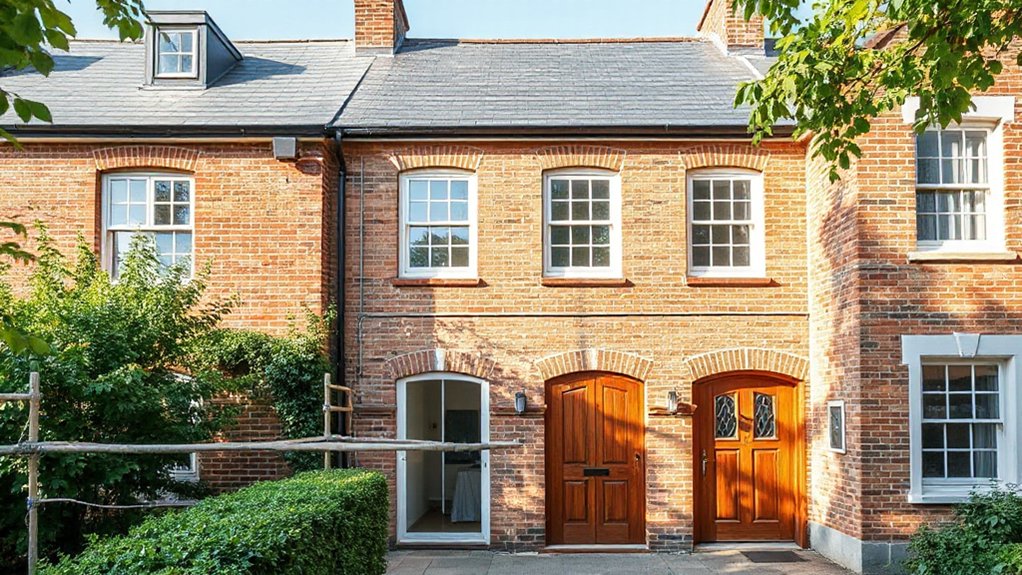
In conservation areas, planning permission covers the most substantial changes to a property’s appearance and structure, not every minor alteration. You assess whether proposals affect the building’s form, materials, and relationship to surrounding architecture, as these elements underpin Historical significance and Architectural integrity.
If a project modifies facades, rooflines, or external features visible from the public domain, it typically requires consent. Internal changes without external impact generally do not.
You should consider alterations to windows, doors, or elevational treatments that alter street-facing profiles, as these may trigger planning scrutiny. Routine maintenance, repairs, and color changes usually fall outside permission, provided they preserve character.
Always consult your local planning authority to determine specific thresholds, conditions, or obligations before proceeding with any substantial work.
Permitted Changes Without Consent (and When Approvals Are Required)
If your project sticks to routine upkeep and minor cosmetic changes, you may not need planning permission, but it helps to know where the line is drawn.
In conservation areas, certain alterations remain permitted without consent, yet the scope is narrow. You may proceed with small repairs using similar Building materials and existing Historic features, provided the appearance and materials are unchanged.
Replacements must match size, design, and method to avoid triggering approvals. You can’t alter windows, doors, or rooflines in a way that changes character without consent.
Internal work generally remains unregulated unless it affects listed status or structural safety.
External alterations like paint colour, fencing, or landscaping may require approvals if they affect streetscape or adjacent properties.
Always verify with the local planning authority before proceeding.
How to Assess Your Home’s Heritage Value and Restrictions
Determining your home’s heritage value and restrictions begins with a clear, objective assessment of both designation status and fabric. You should confirm whether your property lies within a designated area, and identify any conservation-related controls attached to listed features or covenants.
Next, evaluate the building’s fabric: structural integrity, materials, authentic architectural features, and any alterations that affect character. Document evidence of original doors, windows, roofing, decorative details, and spatial layout.
Assess whether changes would undermine Heritage significance or erode historical value. Consult local planning records, conservation area appraisals, and any scheduled monuments or local listings applicable to your property.
This appraisal informs permissible modifications and helps you plan compliant, proportionate improvements that respect preservation objectives.
Navigate the Approval Process: Councils, Consultations, Timelines
To navigate the approval process, you must understand the roles of your local council, the consultation requirements, and the typical timelines for decision-making.
You’ll encounter a planning portal where submissions, drawings, and heritage statements are uploaded for review. Councils assess heritage impact and historical significance, balancing preservation with practical needs.
Expect pre-application advice, formal permissions, or objections during consultations with statutory partners, neighbors, and conservation officers.
Documentation should be precise, including specialist reports and design justifications that reference conservation area policies.
Timelines vary by jurisdiction, but typical decisions span eight to sixteen weeks, with possible extensions for additional information.
Track milestones, respond promptly to requests, and monitor appeals if outcomes don’t align with your proposal.
Clear communication minimizes delays and supports compliant renovation decisions.
Plan Your Renovation Budget and Communication Strategy
Planning your renovation budget and communication strategy starts with a clear, realistic financial plan and a defined approach to stakeholder updates. You should itemize likely costs, estimate contingencies, and set a feasible timeline aligned with planning conditions.
Budget considerations include professional fees, permissions, surveys, materials, and labor, with a 10–20% contingency to address unforeseen constraints typical in conservation areas. Establish fund flow, payment schedules, and documented approvals to prevent scope creep.
For communication strategies, designate a single point of contact, and schedule regular progress briefings for residents and authorities. Share milestone visuals, risk assessments, and changes promptly to maintain trust.
Guarantee documentation supports decisions, preserves transparency, and complies with conservation requirements while guiding the project toward lawful, efficient completion.
Frequently Asked Questions
What Are Common Overlooked Constraints in Conservation Areas During Renovations?
Common overlooked constraints in conservation areas include heritage preservation considerations and strict architectural guidelines; you should assess setting, materials, and proportions, secure listed-building implications, consult planners early, and document changes to guarantee compliance and respectful integration with surroundings.
How Do Neighbor Objections Affect the Approval Timeline?
Neighbor influence can delay approvals, as objections trigger reviews and extended timelines. You’ll encounter objection delays, potentially elongating the process; your proposal faces heightened scrutiny, demanding documentation and timely replies to maintain momentum while addressing concerns.
Are There Grants or Funding for Conservation-Area Renovations?
There are grants for heritage preservation and renovation permits, though eligibility varies. You should consult local heritage authorities, apply for grants early, and document historic value; funding opportunities may require matching funds and adherence to conservation-area guidelines.
Can I Alter Interior Features Without Affecting Listing Status?
“Rule of thumb” you can alter interior features without changing listing status, but you must stay within approved interior modifications. You’ll want to assess Listing implications before proceeding, ensuring your interior changes don’t trigger additional protections or restrictions.
How Do Changes to Trees or Landscaping Impact Approvals?
Tree removal requires prior approvals and may trigger conditions; landscape design proposals undergo assessment for impact. You should consult planning guidelines, provide detailed plans, and justify ecological effects to guarantee compliant changes to trees and landscaping.
Conclusion
You can finish your renovation confidently by aligning changes with conservation rules, securing planning permission when needed, and documenting every step. Start early, consult your council, and keep communications clear to prevent delays. For example, a house in a historic terrace avoided a year-long dispute by submitting a well-supported statement outlining materials, scale, and impact, gaining consent promptly. By planning within heritage guidelines, you protect character, stay compliant, and complete your project smoothly.